Beginner’s Guide: Starting Jiu Jitsu Classes in Southampton, NY
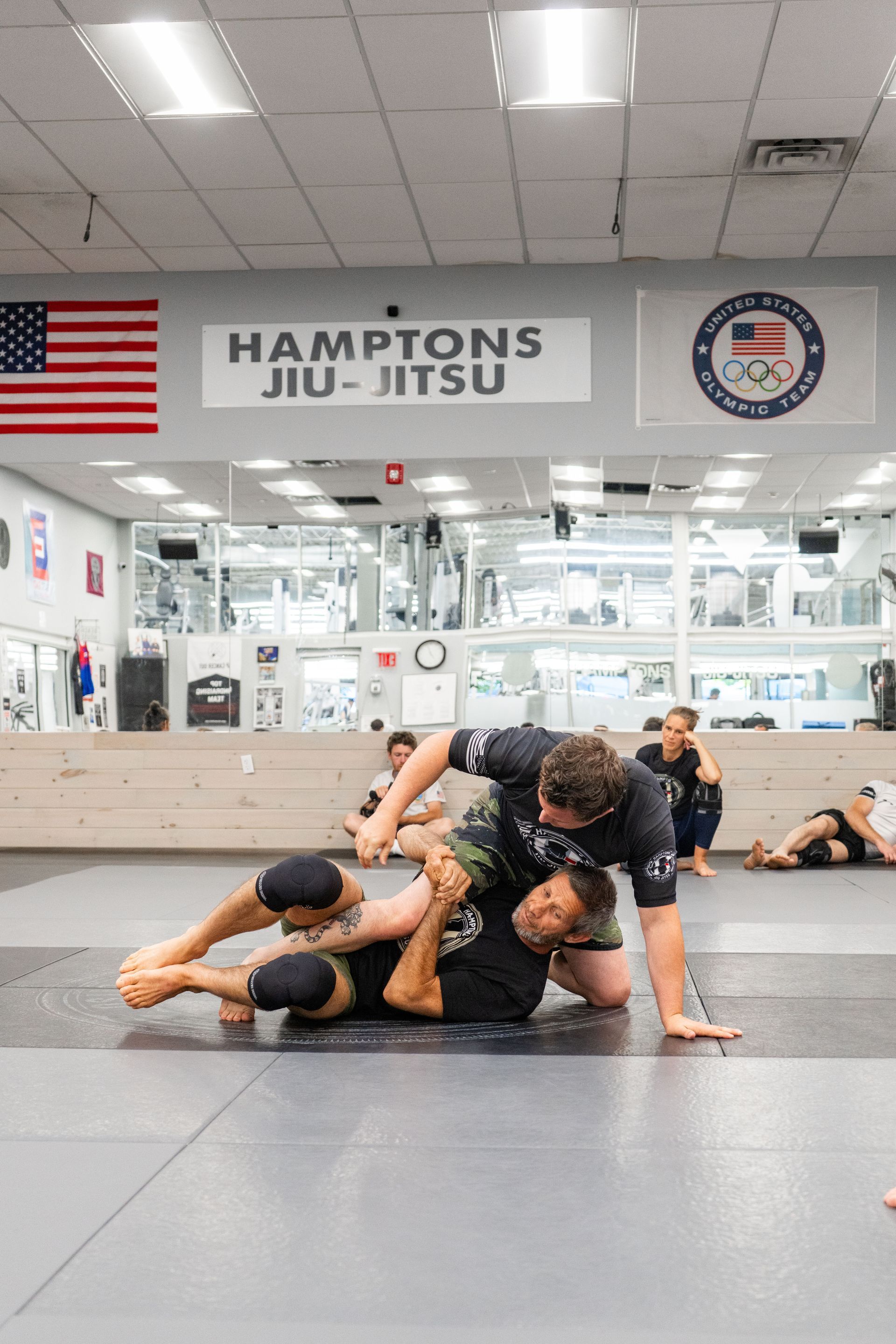
If you have been curious about training but unsure where to start, we will walk you through your first weeks step by step.
Brazilian jiu jitsu has quietly become one of the fastest-growing combat sports in the U.S., with search interest more than doubling since the mid-2000s and an estimated 750,000 practitioners nationwide. We see that growth reflected right here in Southampton: more adults want a practical workout, more parents want a disciplined outlet for kids, and more complete beginners want a clear on-ramp that does not feel intimidating.
If you are new, the biggest questions are usually simple: What happens in the first class, what do you wear, how hard is it, and how do you avoid getting hurt. We designed our training to answer those questions in the most practical way possible, because your first month matters. When the first month feels structured and welcoming, you are far more likely to stick with it and actually build skill.
This guide is built for real beginners in jiu jitsu Southampton, including adults getting back into fitness, teens trying something new, and anyone in their 40s or 50s who wants training that respects joints, recovery, and busy schedules.
What jiu jitsu is, and why beginners in Southampton love it
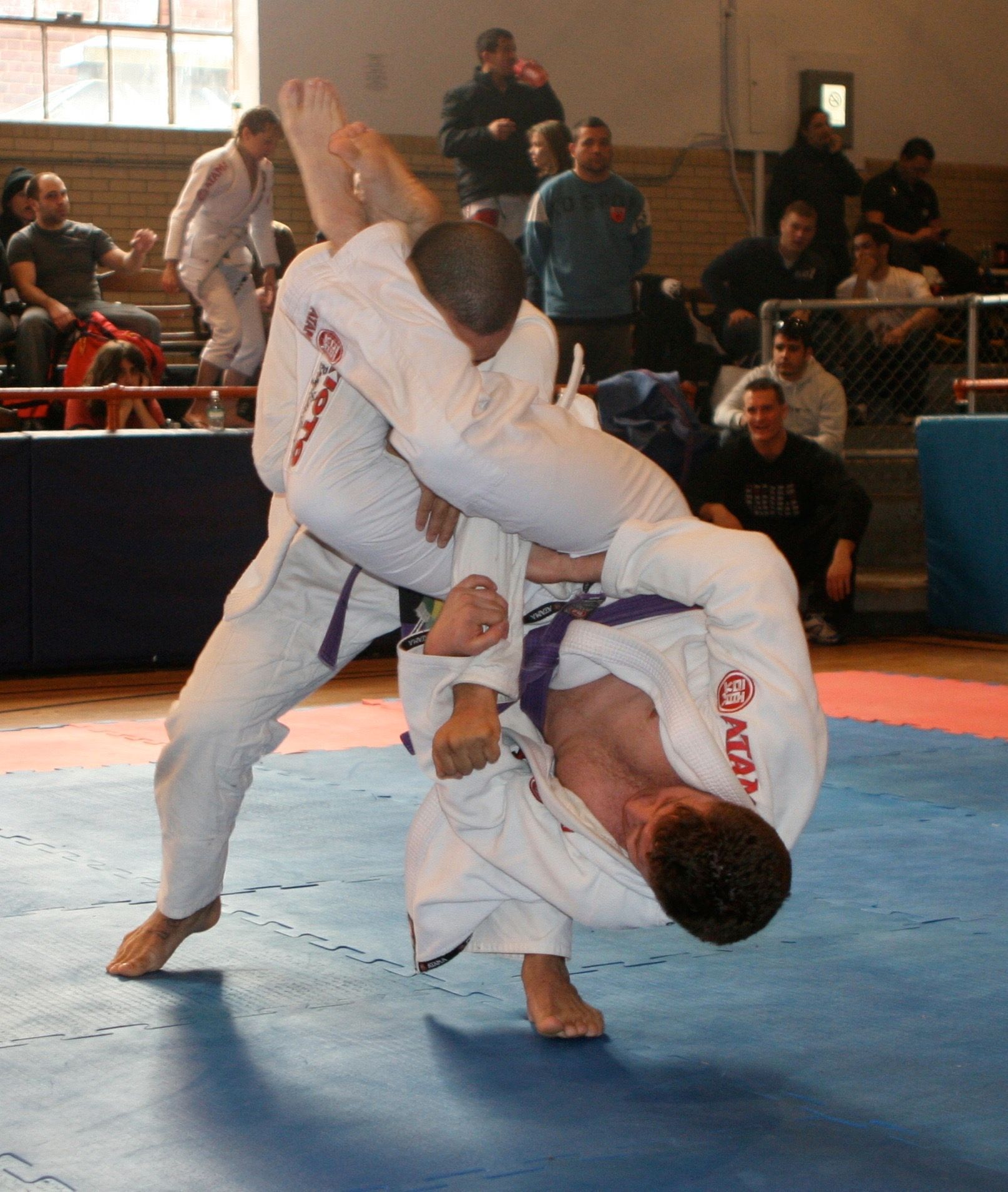
Jiu jitsu is a grappling-based martial art focused on control, positioning, and submissions like chokes and joint locks. The core idea is leverage: you learn to use alignment, timing, and technique rather than trying to overpower someone. That makes it a strong fit for people who want self-defense skills and a serious workout without needing a striking background.
Another reason jiu jitsu in Southampton NY works well as a long-term practice is the learning curve. You can feel progress quickly, even as a beginner. In the first few weeks, you start recognizing positions, understanding what “safe” feels like, and moving with more purpose instead of just reacting.
We also keep the training environment grounded in fundamentals. You will hear the same concepts repeatedly at the start: posture, frames, hip movement, and breathing under pressure. It is not glamorous, but it is how you get good without rushing.
What to expect in your first class
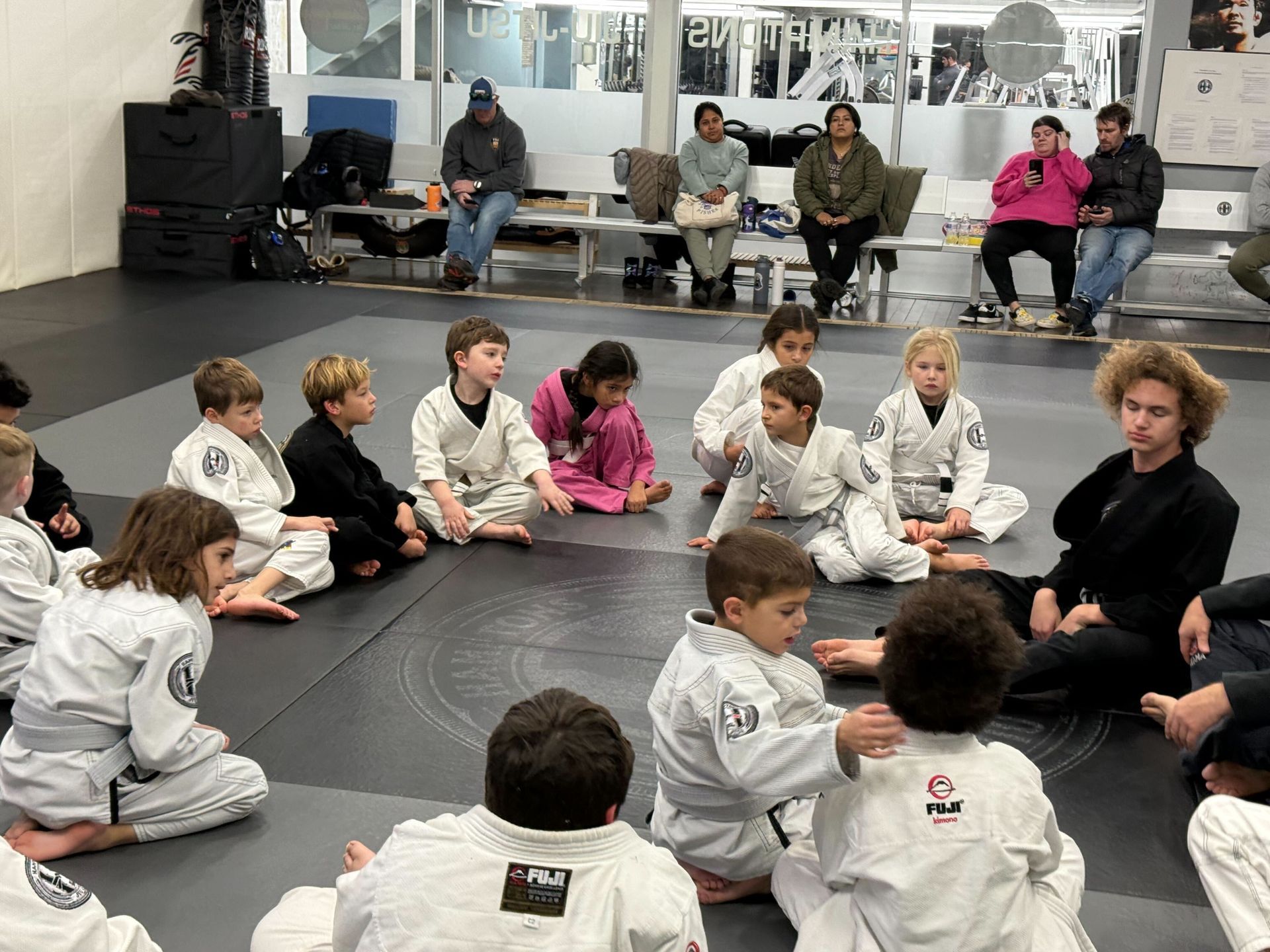
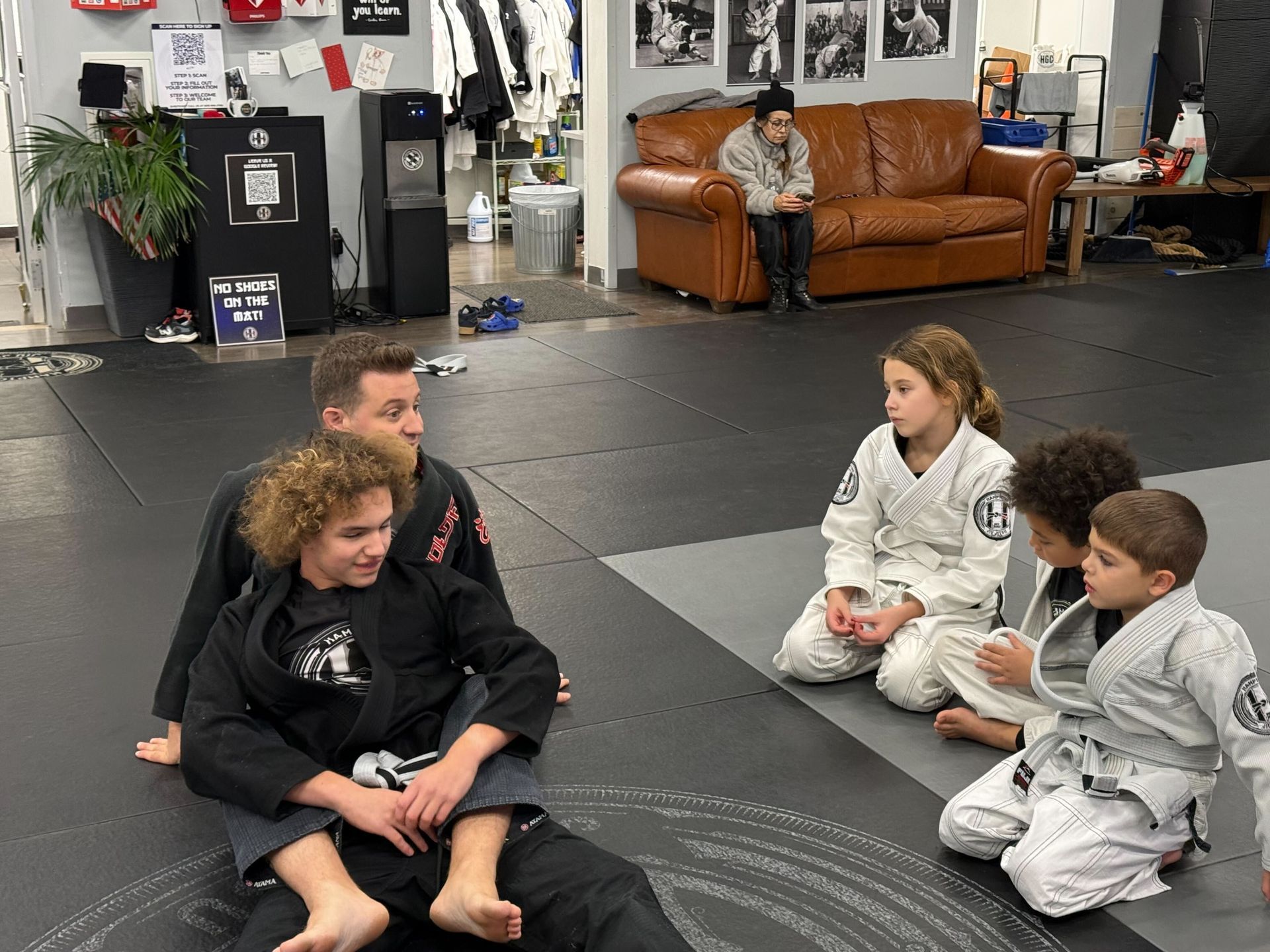
Most beginners picture a room full of advanced athletes rolling at full speed. The reality is more organized, and honestly, more beginner-friendly than people expect. A typical first class follows a simple arc: get warm, learn a skill, drill it with a partner, then do controlled sparring when you are ready.
Here is the flow you can expect when you start with us:
• Warm-up and movement prep focused on hips, core, and safe falling mechanics
• Technique instruction with a clear “why” behind the movement
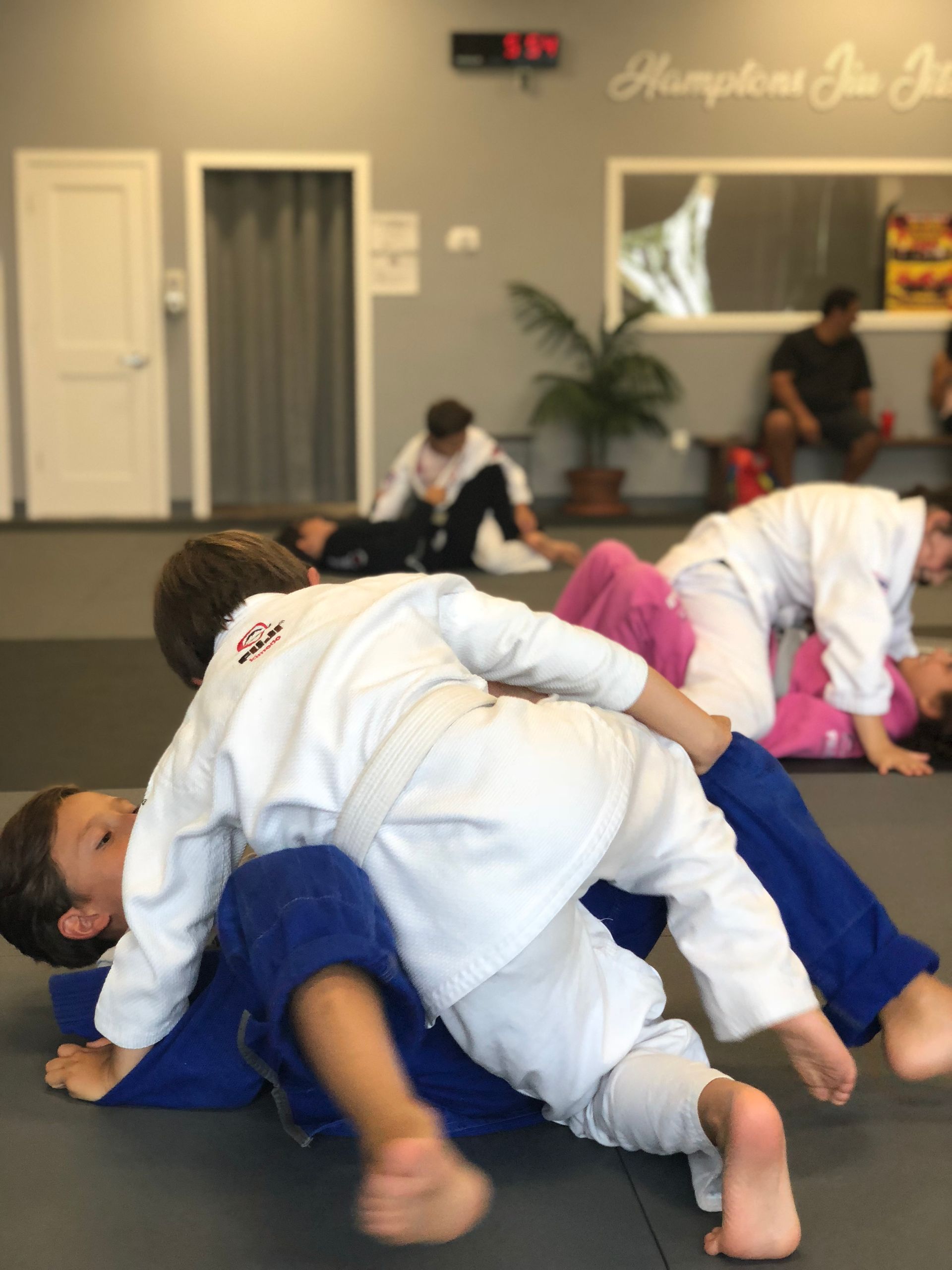
• Partner drilling with coaching feedback and pace control
• Positional rounds where you practice one scenario at a time
• Optional live rolling, matched by experience and size as closely as possible
Your job on day one is not to win anything. It is to learn how to move safely, communicate with a partner, and leave class feeling like you could come back tomorrow.
What to wear and bring (without overthinking it)
You do not need to buy everything before you try a class. For a first session, comfortable athletic clothing is fine. If you already have a mouthguard from another sport, bring it. If not, you can add one once you decide you are sticking with training.
When you are ready to train regularly, most students eventually pick up a few essentials. For gi training, a gi is usually around $100 or more depending on brand, and we can help you choose something durable that fits correctly. For no-gi sessions, rashguards and shorts without pockets are the standard.
A simple starter checklist looks like this:
• Gi that fits well and allows full range of motion
• Rashguard for no-gi and for layering under the gi
• Mouthguard to reduce dental risk during sparring
• Water bottle and a small towel for after class
• Flip-flops for walking off the mat area
Gear should support training, not become a barrier to starting. We would rather you show up and learn than wait weeks trying to find the “perfect” setup.
Gi vs no-gi: which should you start with
Beginners often ask if they should choose gi or no-gi first. We like both, and we structure training so you can develop a balanced foundation. Gi training tends to slow things down and make grips a key part of control. No-gi is faster and often feels more like wrestling in terms of movement and scrambles.
Interestingly, even at elite no-gi events, athletes with strong gi backgrounds continue to perform well, and current competition trends show a growing emphasis on wrestling-based takedowns and top control. That matters for beginners because it means fundamentals still win: posture, pressure, base, and smart positioning.
If your goal is self-defense, we generally want you to experience both so you can solve problems in different contexts. If your goal is fitness and skill-building, mixing gi and no-gi helps keep training fresh and reduces overuse from doing the exact same grips and patterns every day.
How we keep beginners safe and reduce injury risk
Grappling is physical, and injury risk is real. A widely cited 2019 study found that 59.2% of athletes reported at least one injury in the prior six months. That number includes competitors training hard, but it is still a useful reminder: smart training beats reckless training.
We lower risk for beginners with structure and pacing. We also coach tapping early and often. In jiu jitsu, tapping is not “losing.” It is how you train tomorrow.
Our beginner safety approach includes:
• Clear rules for intensity, especially in the first 4 to 8 weeks
• Pairing that accounts for experience, size, and comfort level
• Emphasis on positional sparring before full free rolling
• Technique selection that builds joints and movement patterns gradually
• Reminders to communicate, reset, and tap without hesitation
If you are older, returning from injury, or simply cautious, we work with that. Many adults in Southampton want training that challenges them without wrecking their week, and we respect that goal.
Your first 90 days: a realistic timeline for progress
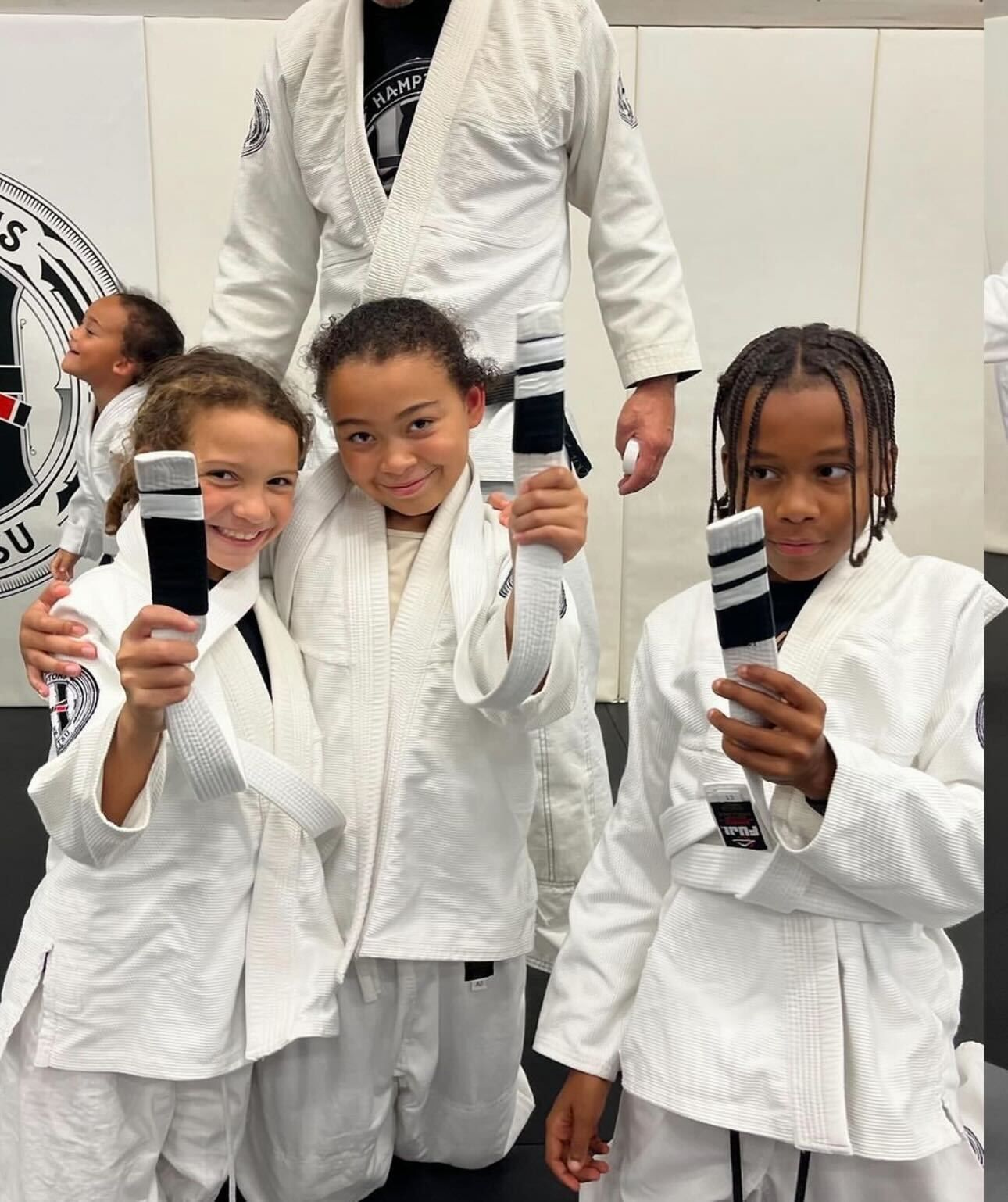
People love belt timelines, but beginners benefit more from thinking in skills. Still, it helps to know what “normal” looks like. Most students take about 1 to 2 years to go from white belt to blue belt, depending on consistency, learning pace, and how often you train.
In the first 90 days, we want you to gain three things: a vocabulary of positions, basic escapes, and the ability to stay calm in uncomfortable spots. You do not need a big submission arsenal early. You need foundations that make everything else easier.
A realistic 90-day progression often looks like this:
1. Weeks 1 to 4: learning positions, tapping habits, basic movements and posture
2. Weeks 5 to 8: building escapes, guard retention basics, top control concepts
3. Weeks 9 to 12: connecting techniques, adding takedown entries, longer rounds
If you train two to three times per week, you will usually feel noticeable changes in conditioning and confidence within a month. If you train three to five times per week, which is common in practitioner surveys, your skill recognition speeds up a lot. Recovery still matters, though. More is not always better at the start.
What a beginner membership experience should feel like
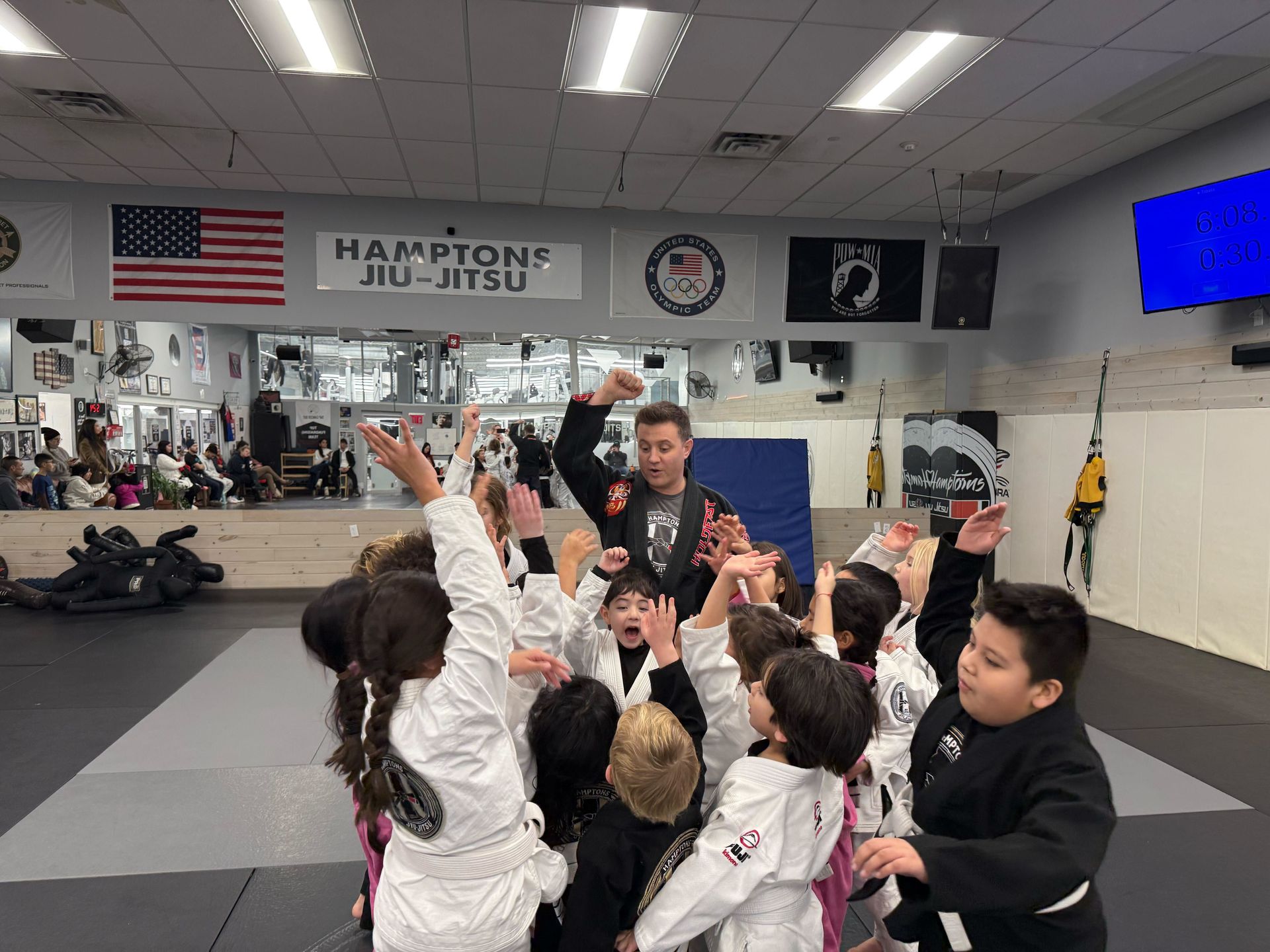
When you begin jiu jitsu in Southampton NY, you should feel like you can ask questions, make mistakes, and still belong in the room. We make sure beginners have a clear path rather than feeling tossed into the deep end.
That means our classes emphasize:
• Repeatable fundamentals taught in a way you can actually remember
• Coaching that corrects the small details that unlock big results
• Training partners who understand that beginners need space to learn
• A culture where consistency matters more than “winning rounds”
• A class schedule that supports morning and evening routines
Southampton life can be seasonal and busy, so we keep the process straightforward. You can start with a trial, settle into a weekly rhythm, and build from there without pressure to do everything at once.
How jiu jitsu supports fitness, stress management, and confidence
People often come in for self-defense or fitness, then stay for the mental benefits. Jiu jitsu requires focus. When you are trying to escape a tight pin or maintain balance under pressure, your mind cannot wander to emails and errands. It is a reset button, and a pretty effective one.
Physically, beginners usually notice improved grip strength, hip mobility, and core endurance. Cardio improves too, but in a different way than running. You get bursts of effort, then problem-solving in slower moments, then another burst. It is challenging without feeling like mindless repetition.
Confidence comes from competence. You learn what real resistance feels like in a controlled environment. Over time, that changes how you carry yourself, not because you are looking for trouble, but because you know you can handle pressure.
Common beginner questions we hear in Southampton
Am I too old to start
No. We coach adults of many ages, including people starting in their 40s and beyond. The key is training intelligently: choose the right pace, prioritize mobility, and avoid ego-driven rounds. We will help you do that.
Do I need to be in shape first
No. Getting in shape is one of the main benefits of starting. We scale intensity, and you build capacity over weeks, not days.
Will I be forced to spar right away
We introduce sparring progressively. You will drill first, then do controlled positional work, and roll more freely once you feel ready. You can always sit out a round if you need to.
How long until I feel like I know what I am doing
Most beginners feel less lost after 4 to 6 weeks, especially training two or three times weekly. You will still be learning constantly, but the fog clears faster than you think.
Ready to Begin
Building skill in jiu jitsu is mostly about showing up, training with purpose, and letting fundamentals compound over time. If you want a beginner-friendly place to learn in Southampton, we keep the process structured, safe, and genuinely enjoyable, even when it is challenging.
Our programs at Hamptons Jiu-Jitsu are designed so you can start where you are today, whether your goal is self-defense, fitness, stress relief, or simply learning a new skill that keeps you engaged for years.
New to Jiu-Jitsu? Start your journey by joining a class at Hamptons Jiu-Jitsu.
ACCESS OUR SCHEDULE
& EXCLUSIVE WEB SPECIAL
Secure your spot and get started today with our EXCLUSIVE offer!