How Jiu Jitsu in Southampton Boosts Focus for Students and Teens
Jiu jitsu turns attention into a skill you can practice, not a trait you either have or do not.
Students and teens in Southampton juggle a lot at once: heavy course loads, packed schedules, sports, social pressure, and nonstop screens. When focus slips, it rarely looks like laziness. It usually looks like mental clutter, stress, and not knowing how to reset.
We teach jiu jitsu with a simple goal in mind: give you a structured way to sharpen attention under real pressure. On the mat, focus is not abstract. You either track details and make good decisions, or you get swept, pinned, or submitted. That immediate feedback is a big reason so many students find training translates into better concentration at school.
In this guide, we will break down how training builds focus step by step, what teen-friendly progress looks like, how we keep training safe and productive, and how to use our class schedule to stay consistent.
Why Focus Gets Harder for Teens in Southampton
Focus challenges are not just a “kids these days” issue. In a place like Southampton, expectations can be high and calendars can get tight. Even strong students can feel scattered when every day includes homework, practices, tests, and social life layered on top of constant notifications.
We see a few patterns show up again and again:
• Too much input, not enough recovery: late nights, early mornings, and little down time
• Pressure to perform: grades, sports, and the feeling that you should always be improving
• Screen-time attention drift: switching tasks every few seconds trains the brain to avoid deep work
• Stress that shows up physically: shallow breathing, tight shoulders, restless energy
Jiu jitsu gives you the opposite environment: one task at a time, clear goals, and a practice that rewards calm thinking. You do not need to be “naturally focused” to benefit. You just need to show up and train.
How Jiu Jitsu Builds Focus, Mechanically, Not Magically
Focus improves when you practice three things consistently: noticing, choosing, and staying composed. Brazilian Jiu-Jitsu bakes all three into every class.
You learn to notice earlier
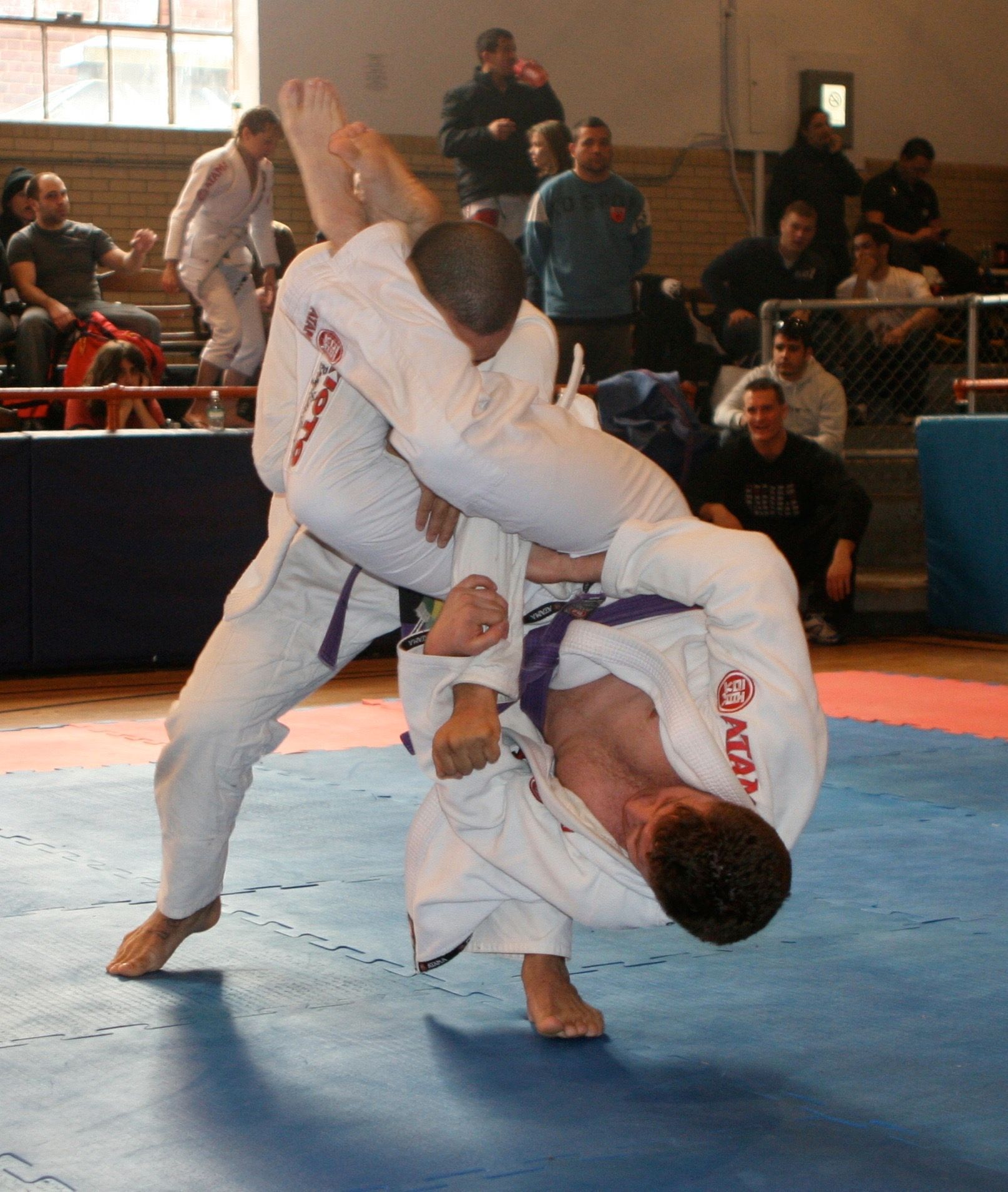
In grappling, small details matter. A hand position, a hip angle, a change in balance. Teens who struggle with attention often improve simply because the mat makes details meaningful. When you learn to feel where weight is shifting, you start paying attention sooner, not later.
That is the first layer of focus: awareness before you react.
You learn to choose under time pressure
A scramble is basically a live decision-making drill. You cannot pause and think for a full minute. You have to pick a move, commit, and adjust. That kind of fast, bounded problem-solving carries over to school in a practical way: starting the assignment, choosing a plan, and moving forward without overthinking.
We coach this as “one good decision at a time.” It sounds simple, but it is a skill.
You learn to stay calm while working hard
One of the most transferable pieces of jiu jitsu is composure. When someone is controlling you, the body wants to panic, tense up, and burn energy. We train you to breathe, frame, escape, and improve position. Over time, students and teens build a calm response to pressure instead of a spiraling one.
That calm shows up in test situations, presentations, and stressful social moments.
The “Mat Chess” Effect: Why Grappling Trains Sustained Attention
If you want a teen to focus longer, you need a task that is engaging enough to hold attention and structured enough to teach discipline. Grappling does both.
We often call training “human chess,” but it is more accurate to think of it as chess with feedback you can feel immediately. Each position has goals, risks, and options. You learn patterns, then you learn when patterns break.
That is sustained attention in action:
- hold posture
- protect space
- anticipate the next move
- execute a plan
- recover if the plan fails
Even in a short round, your mind is practicing staying present. Not just trying to be present.
What a Focus-First Class Looks Like for Students and Teens
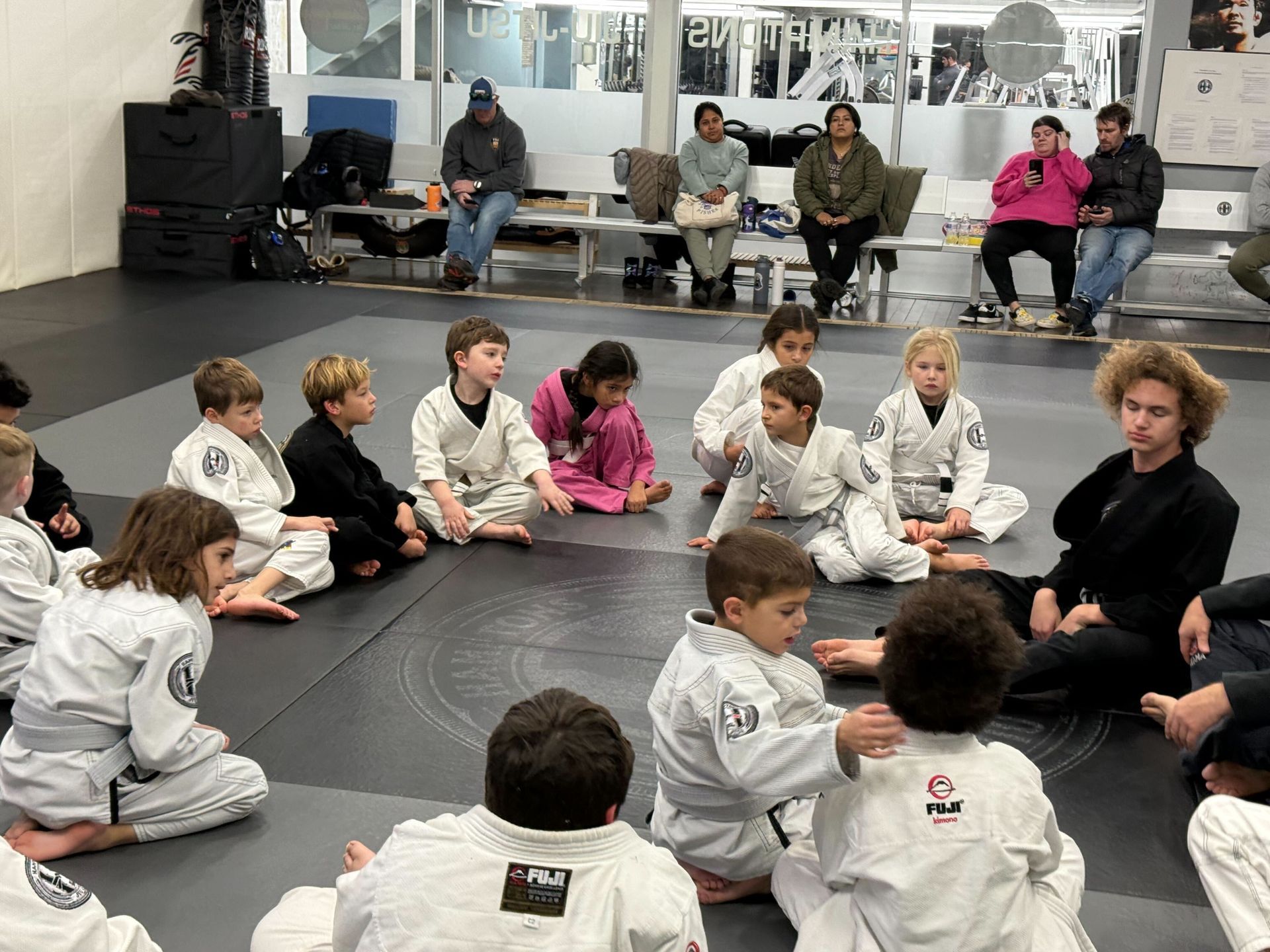
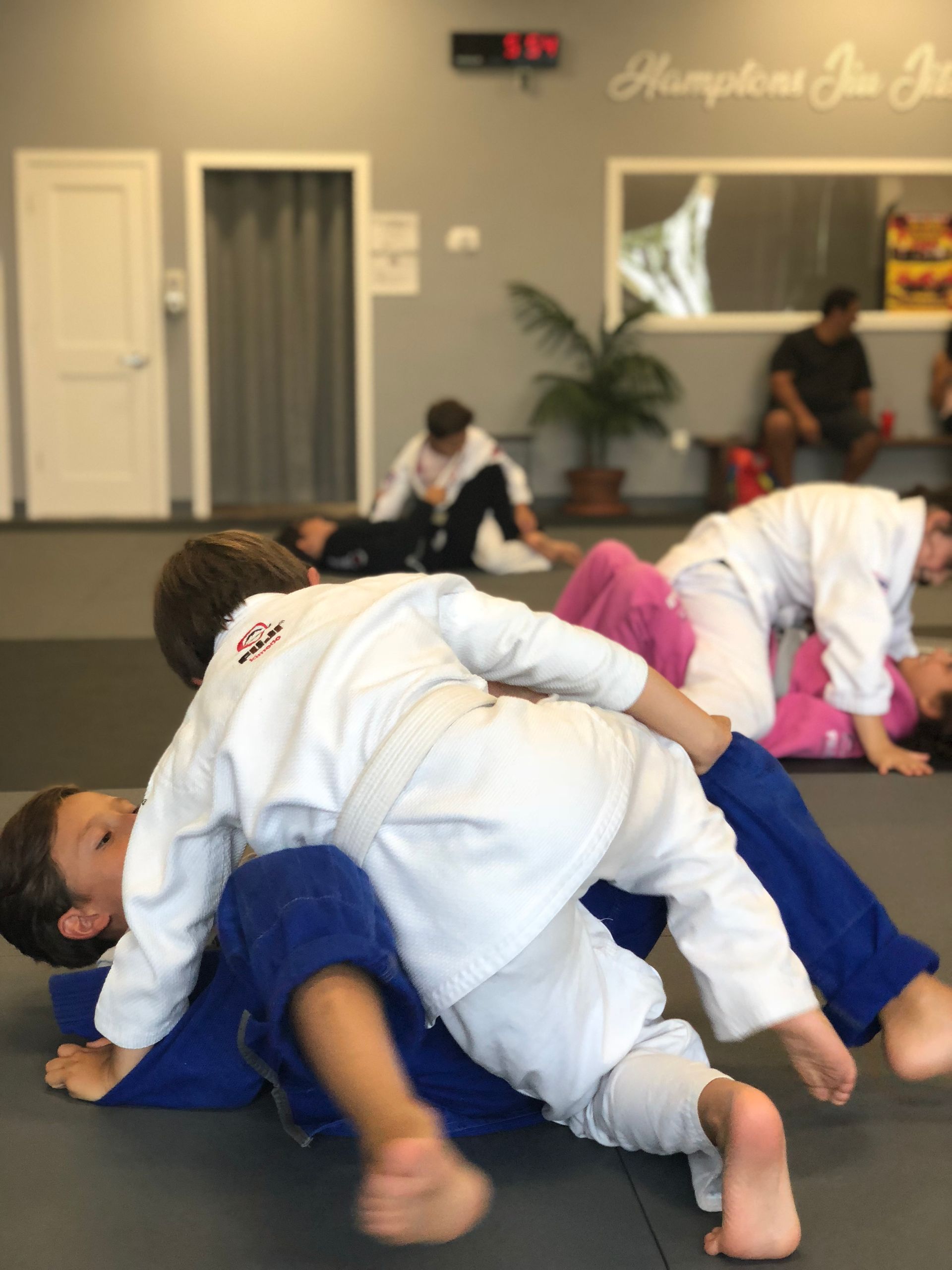
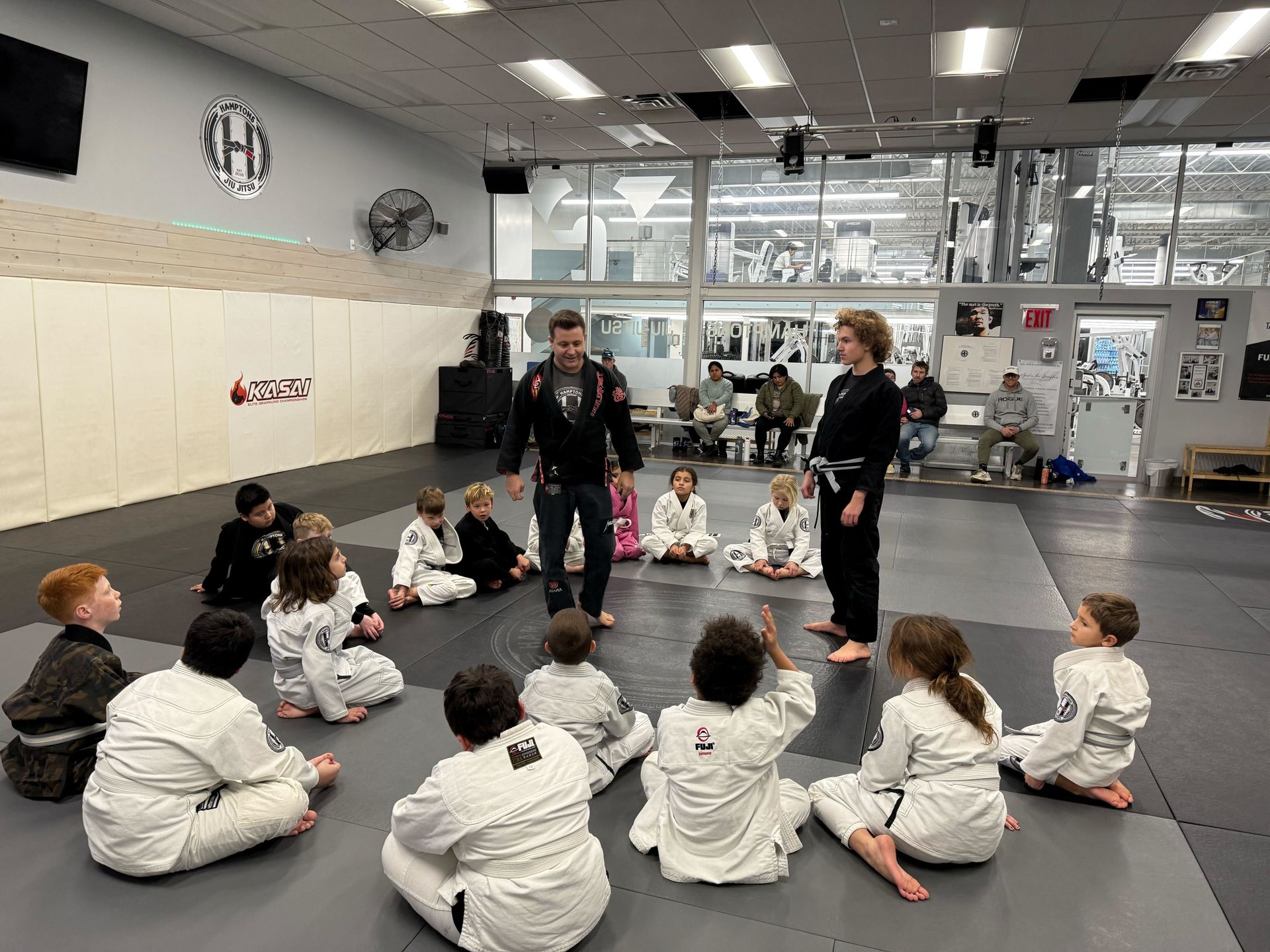
We design classes so teens get structure without feeling micromanaged. A typical session includes technique, repetition, and controlled live training. The goal is to build skill and decision-making, not just exhaust you.
Warmups with a purpose
Warmups are not random. We use movement drills that build coordination, balance, and body awareness. For students, that matters because focus is partly physical. If your body feels chaotic, your attention often follows.
Technique with clear targets
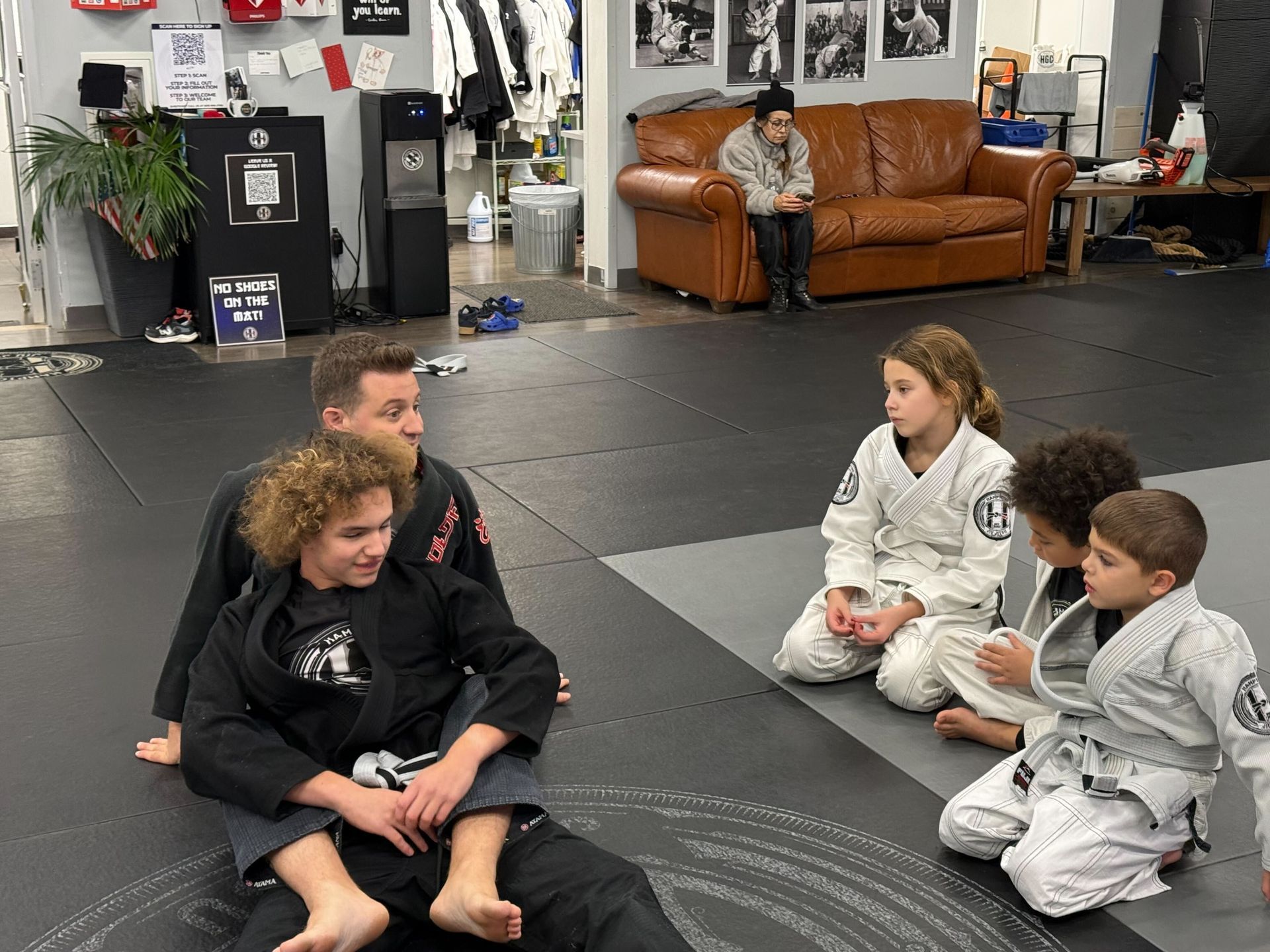
We teach a technique, explain why it works, and connect it to a position you will see often. That gives your brain a “hook” to hang the information on. Instead of memorizing moves, you learn concepts like base, leverage, and timing.
Live rounds that stay productive
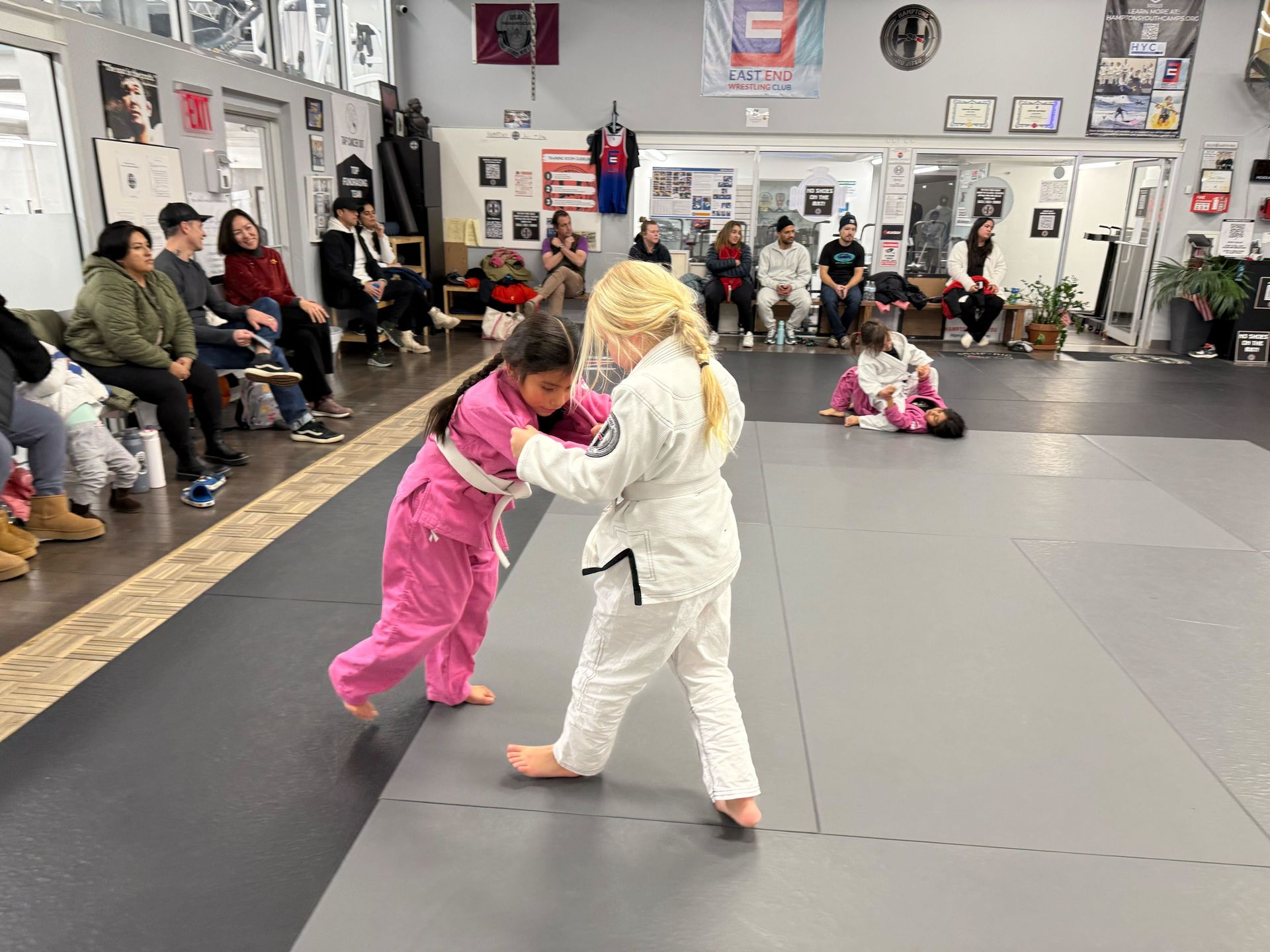
Sparring is where focus becomes real, but we keep it appropriate. Teens learn to work with partners, follow rules, and apply technique with control. That environment builds attention and respect at the same time, which parents appreciate for obvious reasons.
A Simple Progression That Helps Teens Stay Consistent
Consistency is where focus gains compound. We help students build routines that fit school life, not fight it. This is the progression we often recommend when you are starting jiu jitsu in Southampton NY:
1. Train 2 days per week for the first month to build comfort and basic movement
2. Add a third day when classes start feeling familiar and recovery improves
3. Track one “focus goal” per week, like breathing during tough positions or staying patient in guard
4. Keep a short post-class note on what you learned so your brain organizes the lesson
5. Reassess every 6 to 8 weeks and adjust based on school workload and energy
This approach sounds almost too reasonable, but it works because it respects how students actually live.
Competition, Goals, and the Motivation to Focus
Not every teen wants to compete, and that is completely fine. Still, structured goals help attention. When you have a timeline, a rule set, and measurable progress, you start caring about details.
We track performance and progress in a way that feels concrete. Our team participates in IBJJF events, and we pay attention to results, medals, and improvement over time. For teens who like challenges, that competitive pathway turns focus into something you can train like a sport: preparation, discipline, and execution.
Even if you never step into a tournament, training with a competition-aware room raises the quality of practice. Technique stays sharp, and effort stays honest.
How Training Supports School Performance Without Becoming “More Homework”
Parents often ask if jiu jitsu helps grades. We cannot promise a report card outcome, but we can explain what changes on the skills side.
Better task switching control
School forces task switching, but too much switching becomes distraction. On the mat, switching is intentional: move from defense to escape, from escape to guard, from guard to sweep. You learn to change tasks without mental chaos.
Improved frustration tolerance
A big focus killer is frustration. If something feels hard, attention collapses. In jiu jitsu, you get used to being uncomfortable and continuing anyway. That is not a tough-guy mindset. It is practical resilience.
Stronger self-awareness
A 2024 qualitative study on youth participation in Brazilian Jiu-Jitsu sessions reported themes like enjoyment, self-awareness, and engagement in collaborative activity. That matters because teens who understand their own stress signals can regulate earlier. When you know you are spiraling, you can intervene.
Confidence and Focus Are Connected (But Not in a Cheesy Way)
Confidence gets talked about too loosely, so we teach it in a grounded way. In jiu jitsu, confidence means you have evidence. You have trained, you have solved problems, and you have handled pressure before.
That evidence changes how you approach school and life:
- you raise your hand more often
- you recover faster after mistakes
- you are less rattled by a bad day
- you stick with tasks longer because quitting feels less necessary
Focus improves because your nervous system is not constantly trying to escape discomfort.
Safety, Structure, and Why Teens Can Train Hard Without Being Reckless
Safety is not an add-on. It is part of focus training. If a teen feels unsafe, attention narrows into fear and flinching. We want alertness, not anxiety.
Our approach includes:
- controlled intensity with partner awareness
- clear tapping rules and respect for submissions
- coaching that prioritizes positioning before speed
- a culture where asking questions is normal
We also encourage smart recovery habits. Teens grow fast, train hard, and sometimes want to do everything at once. We would rather see steady progress than burnout.
Getting Started: What to Expect in Your First Month
Starting can feel intimidating, especially for teens who have never grappled. We keep the onboarding simple: learn basic positions, practice fundamental escapes, and build comfort in live rounds at an appropriate pace.
In the first few weeks, most students notice two things:
1. Class requires full attention, so your mind gets a break from everything else
2. Focus becomes easier to access, because you have practiced it repeatedly
You do not have to be athletic. You do not have to “win” rounds. You just have to train with intention and show up consistently.
Ready to Build Real Focus on the Mat
If you are looking for brazilian jiu jitsu in Southampton that actually supports how students think, study, and handle pressure, we have built our programs with that outcome in mind. The structure of class, the way we coach problem-solving, and the expectation of composure all push focus in a practical direction.
At Hamptons Jiu-Jitsu, we keep training challenging but clear, competitive but supportive, and organized enough that teens can progress without feeling overwhelmed. If you want to see how jiu jitsu can fit into your school-year routine, the next step is simply trying a class and getting a feel for the room.
Start building confidence and practical skills by joining your first class at Hamptons Jiu-Jitsu.
ACCESS OUR SCHEDULE
& EXCLUSIVE WEB SPECIAL
Secure your spot and get started today with our EXCLUSIVE offer!