How Jiu Jitsu Sparks Personal Transformation in Southampton, NY
Jiu jitsu has a way of changing how you move, how you think, and how you handle pressure long after class ends.
In Southampton, NY, we see people come in for all kinds of reasons, fitness, self-defense, a new challenge, a healthier routine, and then stay because something deeper clicks. Jiu jitsu gives you a practical skill set, but it also gives you a structure: show up, learn, try, adjust, and come back again.
What surprises many beginners is how quickly the training starts to spill into everyday life. You notice better posture, calmer reactions, more patience in conversations, and a steadier sense of confidence. It is not magic, and it is not instant, but it is real, and we build our program to make that transformation repeatable.
Why Jiu jitsu changes people in a way workouts rarely do
Most fitness plans measure progress by numbers: weight lifted, miles run, calories burned. Those can be useful, but they do not always teach you how to handle a hard moment. Jiu jitsu does, because every round is a moving problem you have to solve under pressure, with a partner, while staying safe and respectful.
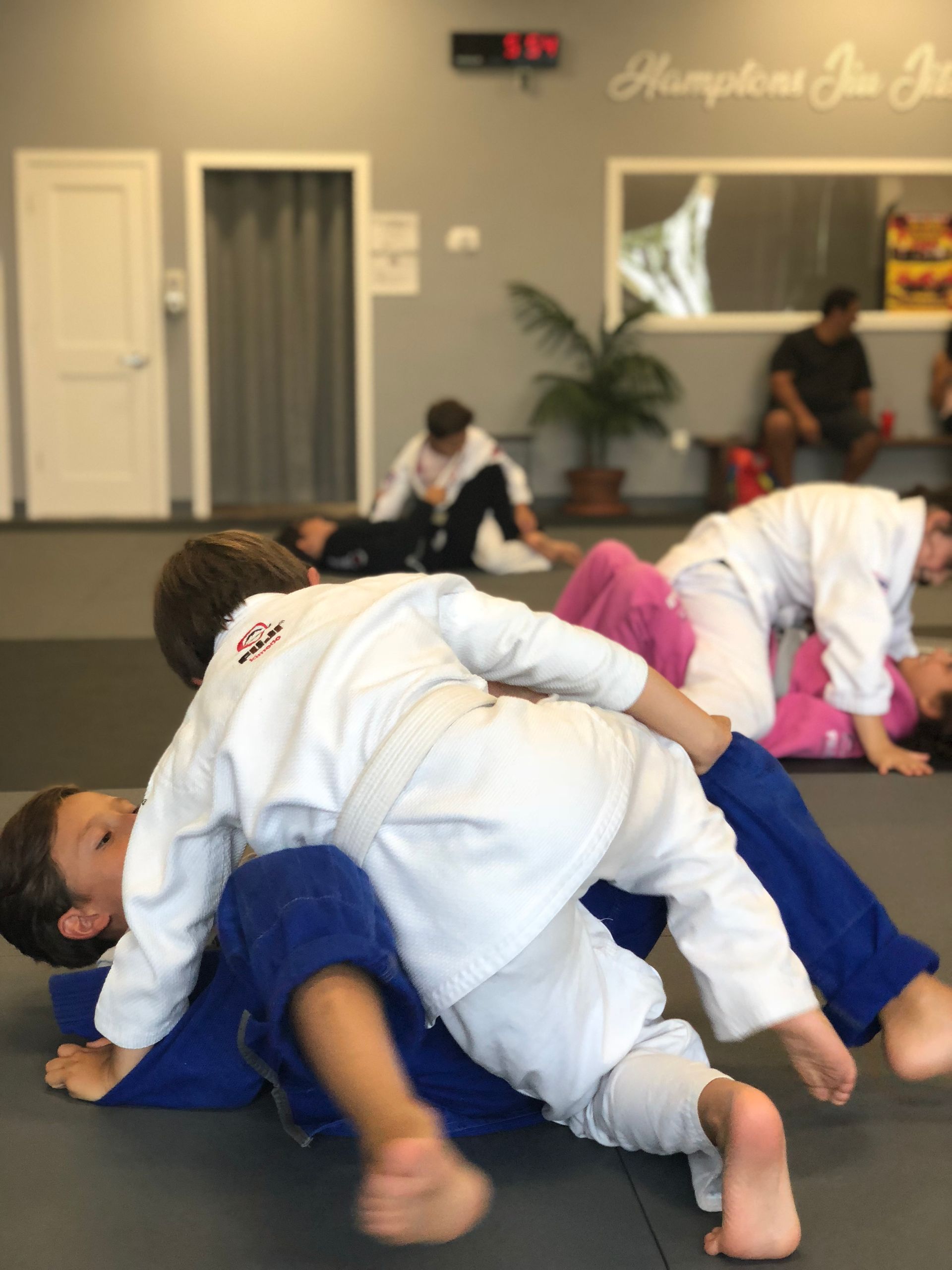
We teach you how to get comfortable being uncomfortable. That sounds intense, but in practice it is simple: you learn positions, you learn escapes, you learn how to breathe when you are pinned, and you learn how to keep thinking. Over time, your nervous system adapts. The mat becomes a place where you practice calm decision-making, then you carry that skill into work stress, family responsibilities, and everything else Southampton life brings.
Jiu jitsu also gives you feedback you can trust. If something does not work, you feel it immediately. If you improve, you feel that too. That honesty is a big part of why the training leads to self-discovery and real behavior change, and why so many practitioners report a shift in self-perception and habits over time.
The Southampton factor: stress, wellness, and the need for a real outlet
Southampton has a strong wellness culture, but it is also a high-pressure environment for many people. Busy professionals, seasonal schedules, travel, social obligations, and the constant sense that you should be doing more can leave you restless. Our classes offer a different kind of wellness: focused, physical, and social without being performative.
When you train, your attention narrows to what matters right now: balance, posture, grips, timing, breath. For an hour, you are not doom-scrolling or answering messages. You are present. And because this is partner-based training, you also get something that is hard to find as an adult: consistent, healthy community contact that does not revolve around small talk.
If you have been searching for jiu jitsu in Southampton NY, what you are really looking for might be that combination of challenge and belonging. We take that seriously. Our goal is a room where you can work hard, learn safely, and leave feeling clearer than when you arrived.
Our teaching approach: structure first, intensity later
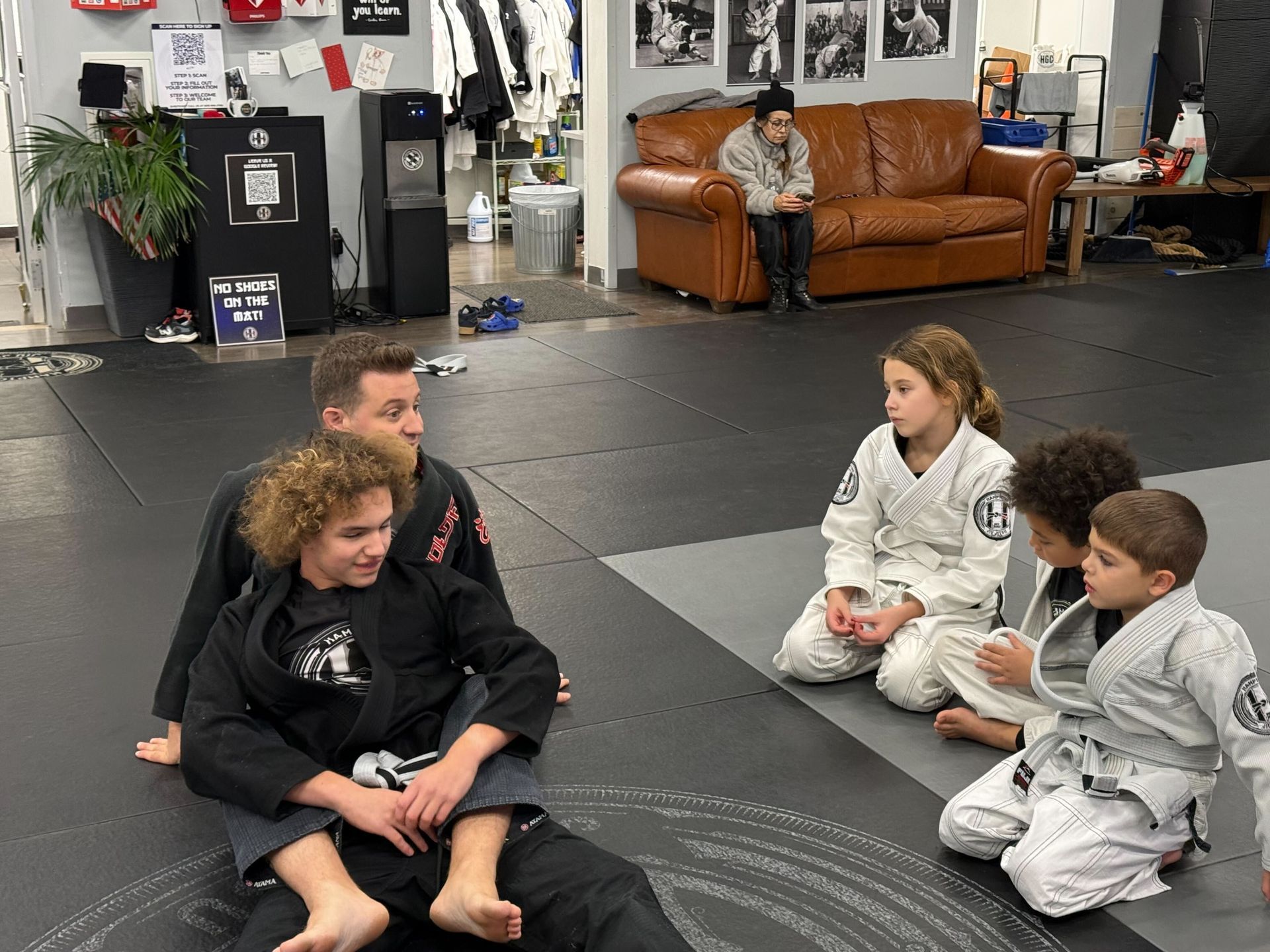
We coach fundamentals with a clear progression so you always know what you are building. That means you do not have to guess what to focus on, especially in the first few months when everything can feel like a blur of unfamiliar movements.
We start with posture, base, and survival. You learn how to frame, how to protect your neck, how to move your hips, and how to recognize common positions. Then we layer offense: passing, sweeps, submissions, and how to connect techniques rather than collecting random moves.
Intensity is earned, not forced. We want you training consistently, and that only happens when your body holds up and your confidence grows at a steady pace. You will still sweat, you will still get challenged, but our coaching keeps the room controlled and purposeful.
What you learn early that accelerates transformation
In the beginning, progress often looks small from the outside, but inside it is huge. These are some of the early skills that change how you carry yourself:
• Breathing under pressure so you stay calm when someone is on top and time feels fast
• Using leverage instead of strength, which makes the art accessible across ages and body types
• Building body awareness through balance, grips, and hip movement that carry over to daily life
• Practicing respectful contact and boundaries, which helps many people feel more confident socially
• Learning to lose productively by treating each tap as information, not failure
The long game: belt timelines and what they teach you about consistency
One reason jiu jitsu is so transformative is that it rewards patience. A recent 2024 to early 2025 survey of nearly 2,000 Brazilian Jiu-Jitsu practitioners found average progression times that highlight the commitment: roughly 2.3 years at white belt, then about 2.3 years to blue, around 5.6 years total to purple, and about 9.0 years total to brown. Those are averages, not promises, but the message is clear: this is a craft.
We like that, because it sets a healthier expectation. You are not here for a 30-day makeover. You are here to build a skill and a version of yourself that holds up. Over time, the mat becomes a mirror. If you get impatient, you get sloppy. If you avoid discomfort, you stop improving. If you stay consistent, you change, and the changes are not just physical.
If you are searching for jiu jitsu Southampton and wondering when you will feel different, the honest answer is: you will feel little shifts quickly, and deeper shifts over the first couple of years. We see people stand taller, speak more directly, and handle conflict more calmly as they move through the fundamentals.
Confidence that is earned, not imagined
There is a specific kind of confidence that comes from training a real skill against real resistance. It is quiet. It does not need to be announced. You know what you can do, and you also know what you still need to work on.
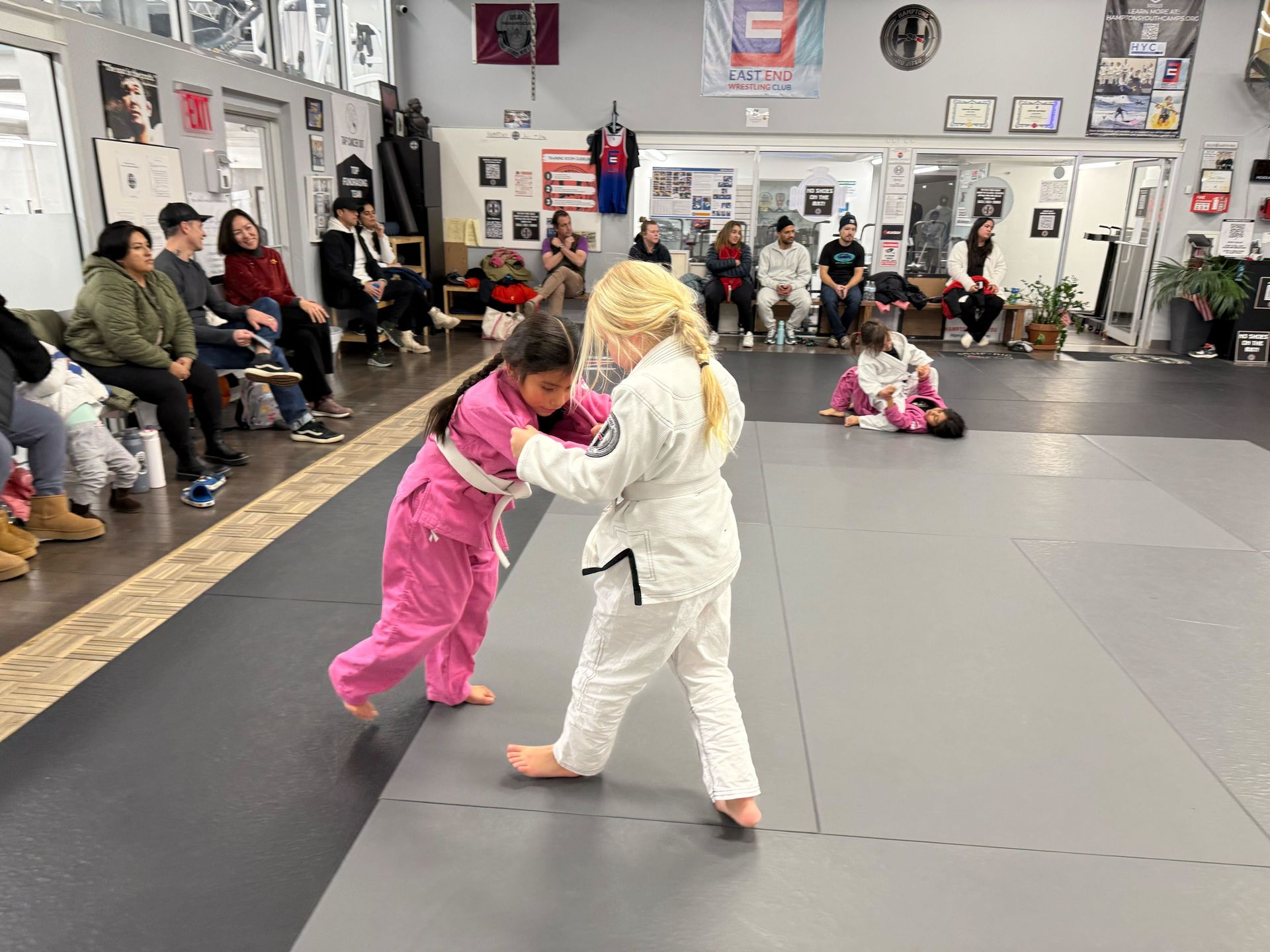
We build that confidence through progressive rounds. You learn in a technical setting first, then you practice with increasing resistance, then you roll with partners of different sizes and styles. It is a safe environment, but it is not pretend. That is why the confidence transfers so well into everyday situations.
This matters for self-defense, of course, but it also matters for life. When you practice staying composed while tired, pinned, or outmatched, your internal story changes. You stop panicking at the first sign of resistance. You start looking for solutions.
Community is not a side benefit, it is part of the transformation
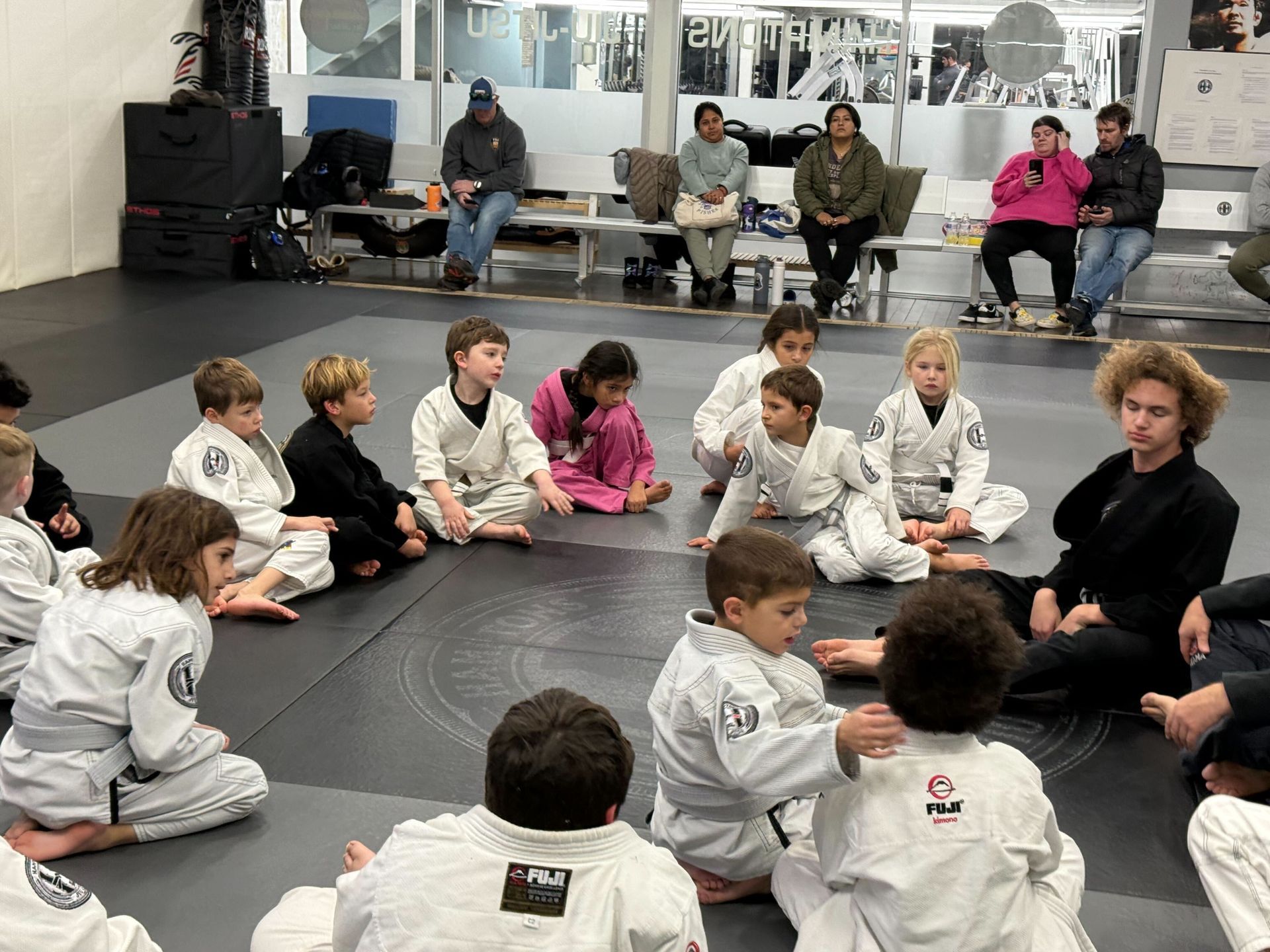
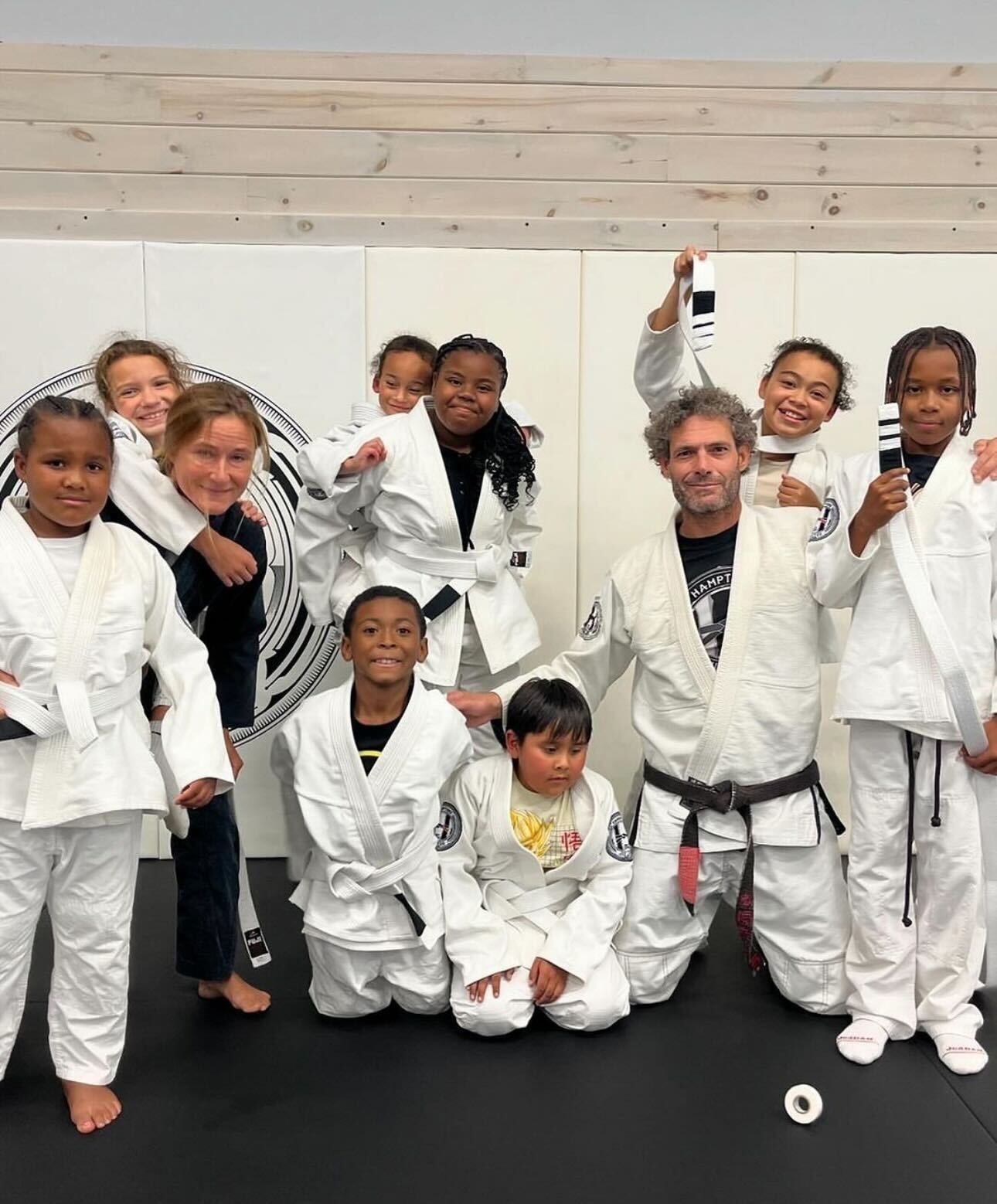
People often come in thinking they will train, get fit, and leave. Then they realize the room itself is part of what keeps them consistent. Jiu jitsu is a partner art, and the culture of the room shapes your experience.
We set expectations for respect, cleanliness, and controlled training. We match partners thoughtfully when needed, and we encourage communication. If you are dealing with an old injury or a stressful week, you can say so. That kind of openness keeps people training for years, not weeks.
Community also supports habit formation. When you know your training partners are expecting you, it becomes easier to show up on days when motivation is low. That is one of the most practical mental health benefits we see: consistency, routine, and a place to reset your head.
Safety and injuries: being realistic and training smart
Jiu jitsu is a contact sport, so we never pretend injuries do not happen. A 2019 study reported that 59.2 percent of athletes experienced at least one injury in the prior six months, and injury risk can rise with belt level and training frequency. Novices face higher risk in training, while advanced athletes often take more risk in competition settings. Those numbers are not meant to scare you, they are meant to make you smart.
We reduce risk with coaching, pacing, and good culture. You will learn when to tap, how to apply submissions with control, and how to choose intensity that fits your experience level. We also emphasize warm-ups that prepare your joints, movement drills that build resilience, and technical rounds where you can learn without chaos.
How we help you train consistently without breaking down
Here is the approach we recommend for most new students so progress and recovery stay balanced:
1. Start with 2 to 3 sessions per week so your body adapts without getting overloaded
2. Focus on defense and escapes first because feeling safe keeps you relaxed and learning faster
3. Tap early and communicate clearly, especially with unfamiliar positions and faster partners
4. Add intensity gradually as your timing improves, not just when your motivation spikes
5. Use rest days intentionally with light movement, hydration, and sleep, because recovery is training too
Competition as a catalyst: why testing yourself speeds up growth
Not everyone wants to compete, and you do not have to. But structured competition prep can be a powerful tool for personal transformation. When you train toward a goal, your habits sharpen. Your nutrition improves, your sleep matters more, and your time management gets cleaner.
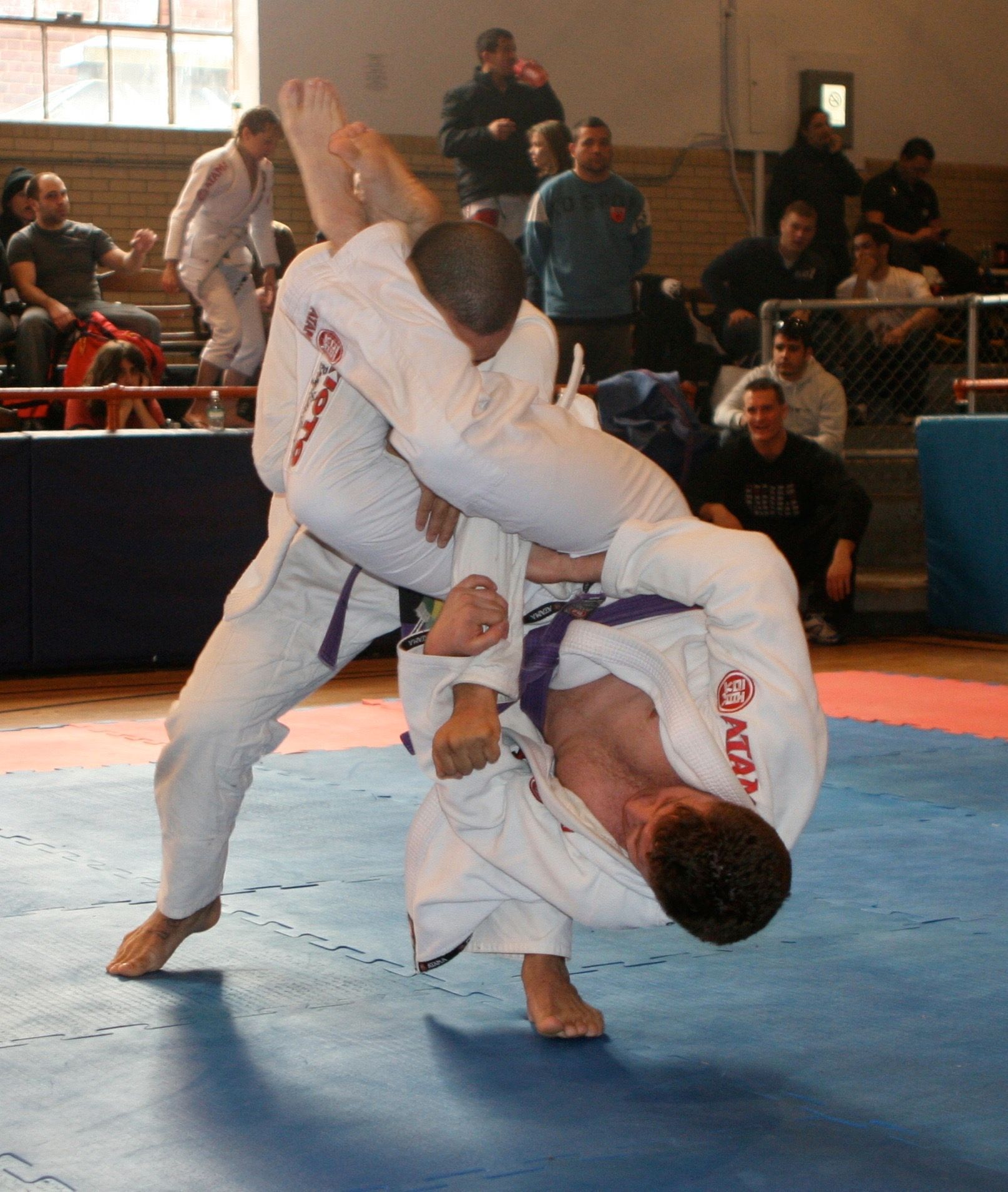
We support students who want to compete in IBJJF events, and we track team performance, medals, and athlete development. That kind of structure gives you measurable milestones inside a long-term art. Even if you never step on the competition mat, training alongside teammates who are preparing seriously can raise the standard of focus in every class.
Competition also teaches emotional regulation. You learn how to warm up, how to manage adrenaline, and how to recover from mistakes quickly. Those are life skills. You carry them into presentations, meetings, parenting, and anything that feels like a spotlight.
Jiu jitsu as a lifestyle skill in the Hamptons
In a place like Southampton, it is easy to pick activities that look healthy but do not really change you. Jiu jitsu is different because it requires participation. You cannot fake your way through a round. You have to show up with attention and humility, and over time that reshapes your character.
We also see people use training as a foundation for other goals. Some students start doing strength work more consistently because they want their grips and hips to feel stronger. Some clean up nutrition because rolling hard on a heavy meal feels terrible. Some cut back on unhealthy habits because they want their energy back. These are not rules we enforce, they are changes that happen naturally when you care about your performance and wellbeing.
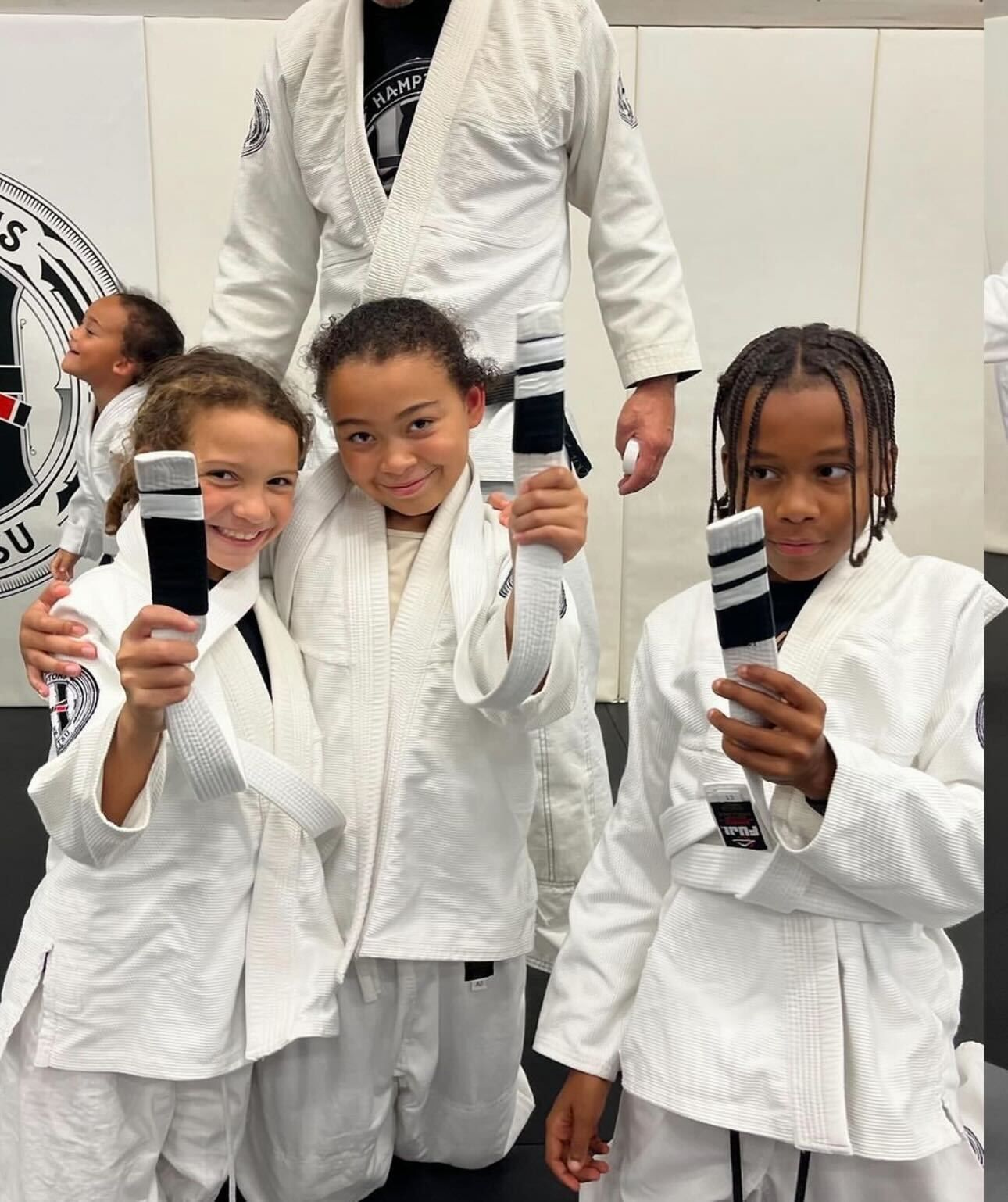
And yes, social media has amplified transformation stories. You might see highlight reels and belt promotions online, but the real change happens in the small moments: choosing to come to class after a long day, asking a question instead of pretending you understand, tapping and learning instead of fighting ego. That is the work.
Take the Next Step
Building skill in jiu jitsu is one of the most practical ways to transform your fitness, confidence, and stress tolerance, especially when you train with structure and consistency. When you are ready to make that commitment in Southampton, NY, our classes give you a clear path from fundamentals to advanced training without rushing the process.
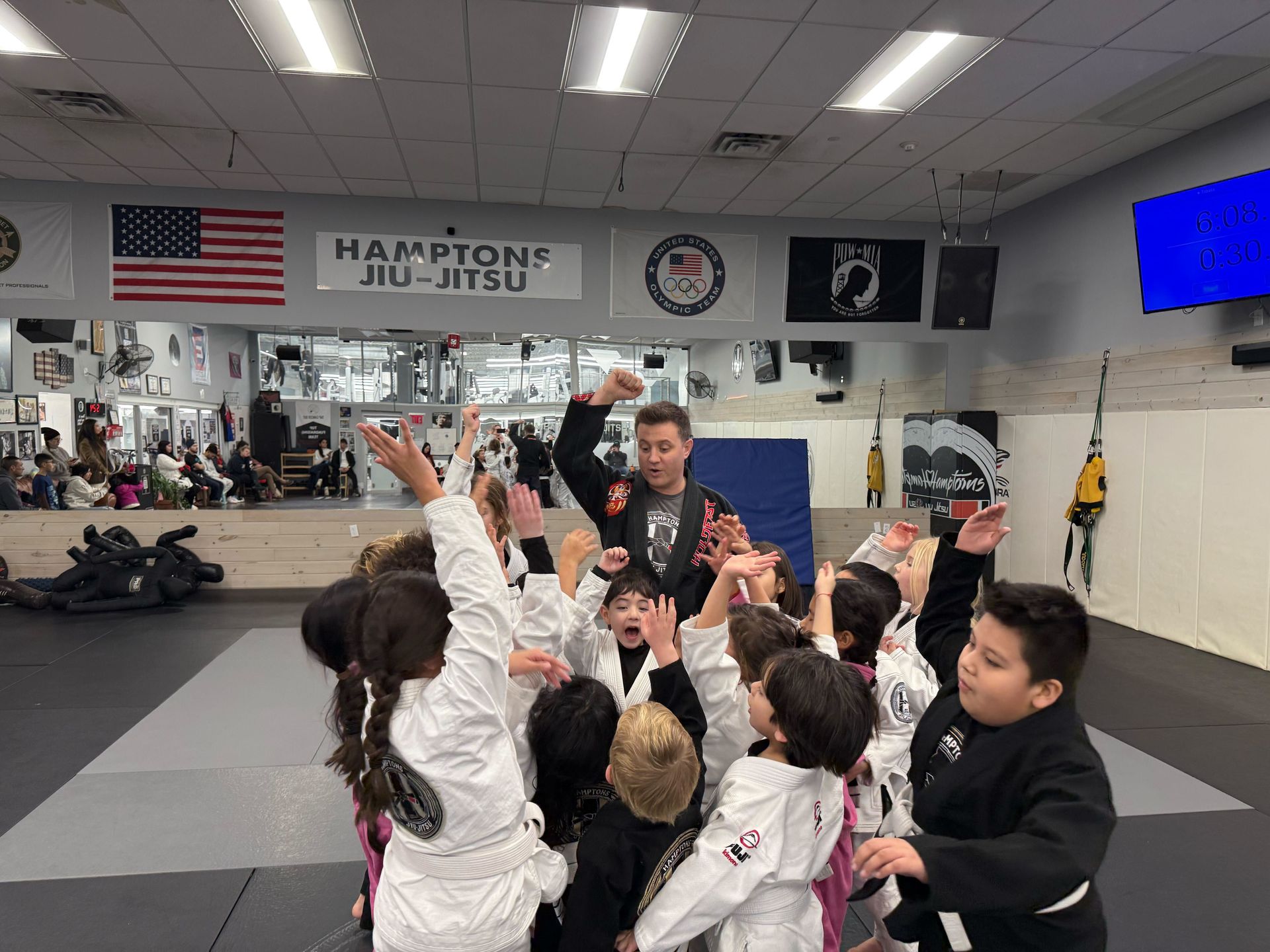
We keep the room focused, welcoming, and performance-minded, whether your goal is personal growth, self-defense, or competition. At Hamptons Jiu-Jitsu, we are proud to be a local hub for jiu jitsu Southampton students who want progress that lasts.
Challenge your body and sharpen your mindset through martial arts training at Hamptons Jiu-Jitsu.
ACCESS OUR SCHEDULE
& EXCLUSIVE WEB SPECIAL
Secure your spot and get started today with our EXCLUSIVE offer!