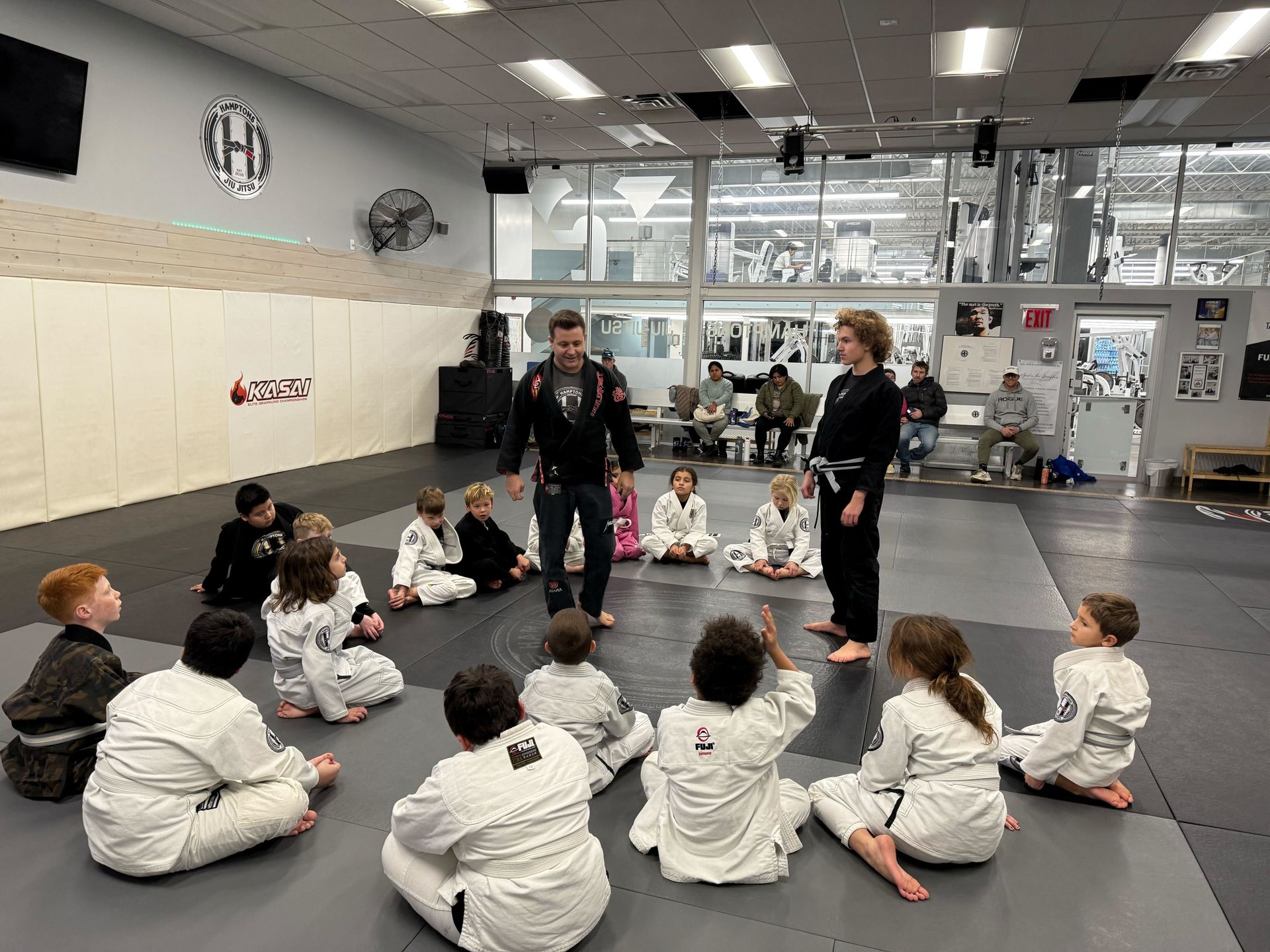

How Youth Jiu Jitsu Fosters Friendship and Teamwork in Southampton
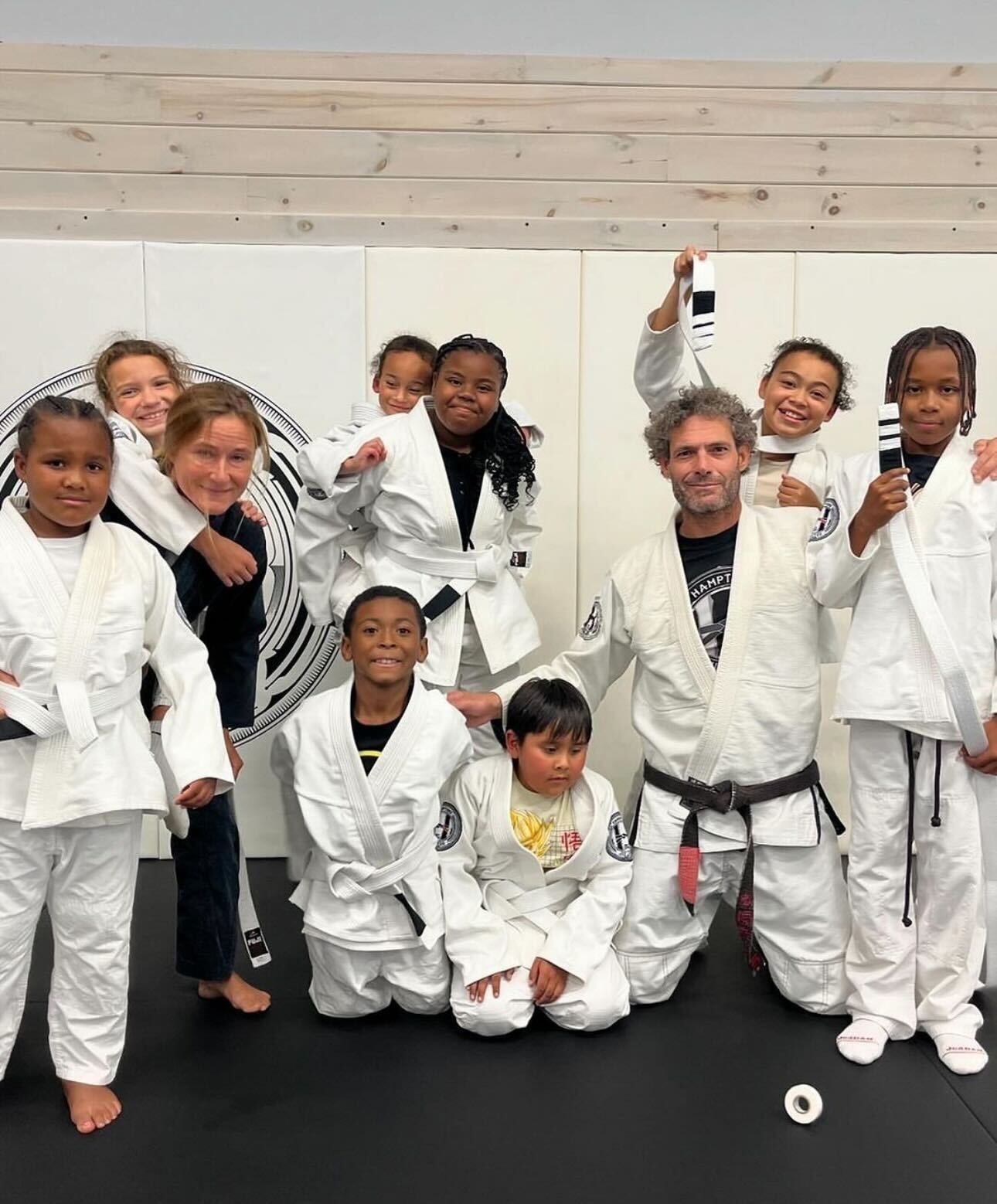
The fastest confidence boost for kids is feeling supported by a team, and the mat is where that support becomes real.
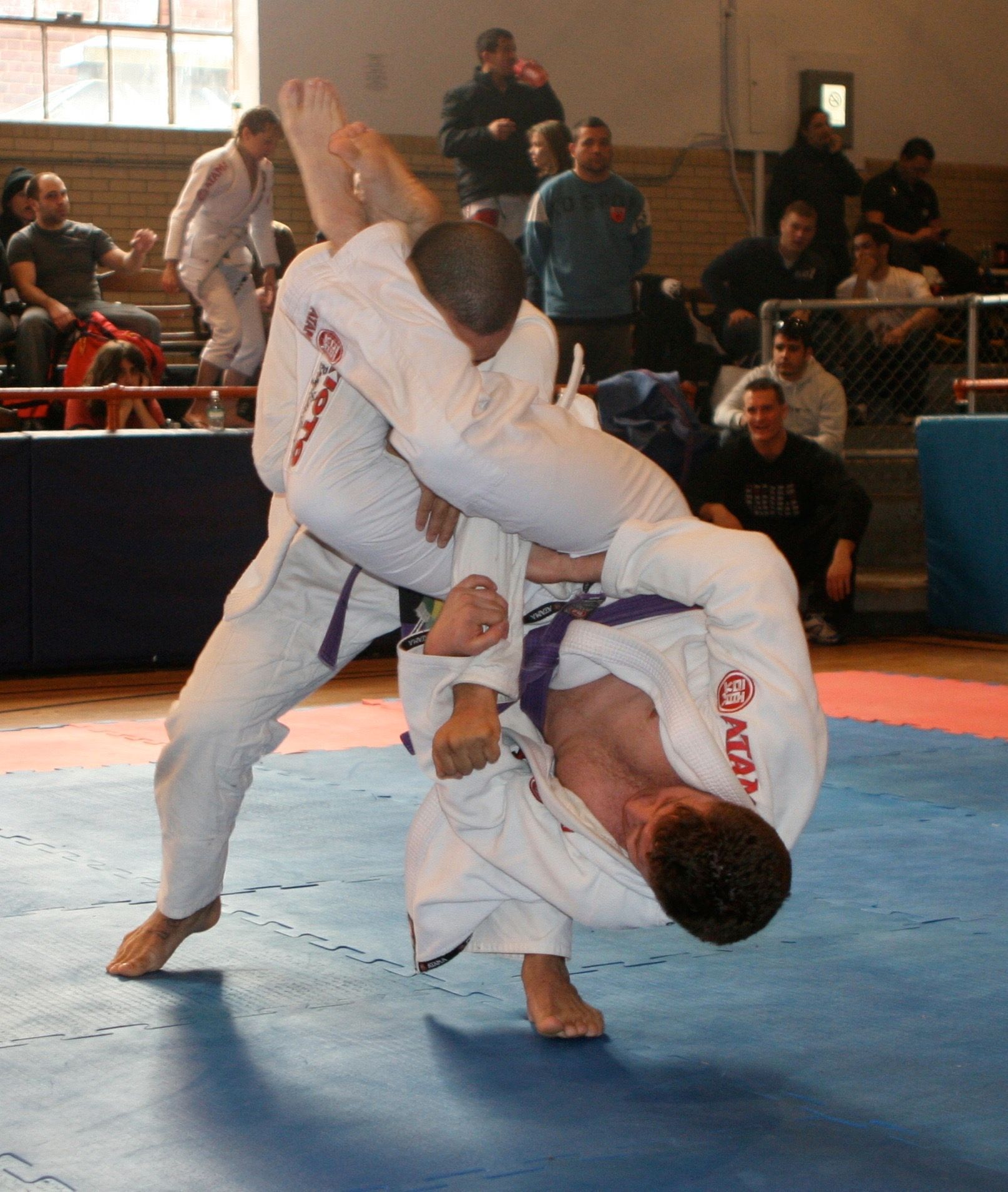
Every season, we watch local kids step onto the competition mat and do something bigger than winning a match: represent each other. In New York kids tournaments, team points and medal totals matter because they reflect something you can’t fake - shared preparation, shared coaching, and teammates who want you to succeed. That’s one reason youth jiu jitsu has become such a powerful community builder here in Southampton.
For parents, the social piece is often the deciding factor. You want an after school activity that helps your child make friends, learn respect, and feel comfortable in a group, especially in a busy area where schedules and social circles can be tight. In our youth jiu jitsu classes, we build those connections intentionally through partner drills, rotation rounds, and team based goals that reward encouragement as much as athletic ability.
This article breaks down exactly how youth jiu jitsu fosters friendship and teamwork in Southampton, what that looks like day to day, and how our class structure helps beginners feel included quickly.
Why youth jiu jitsu naturally creates friendships
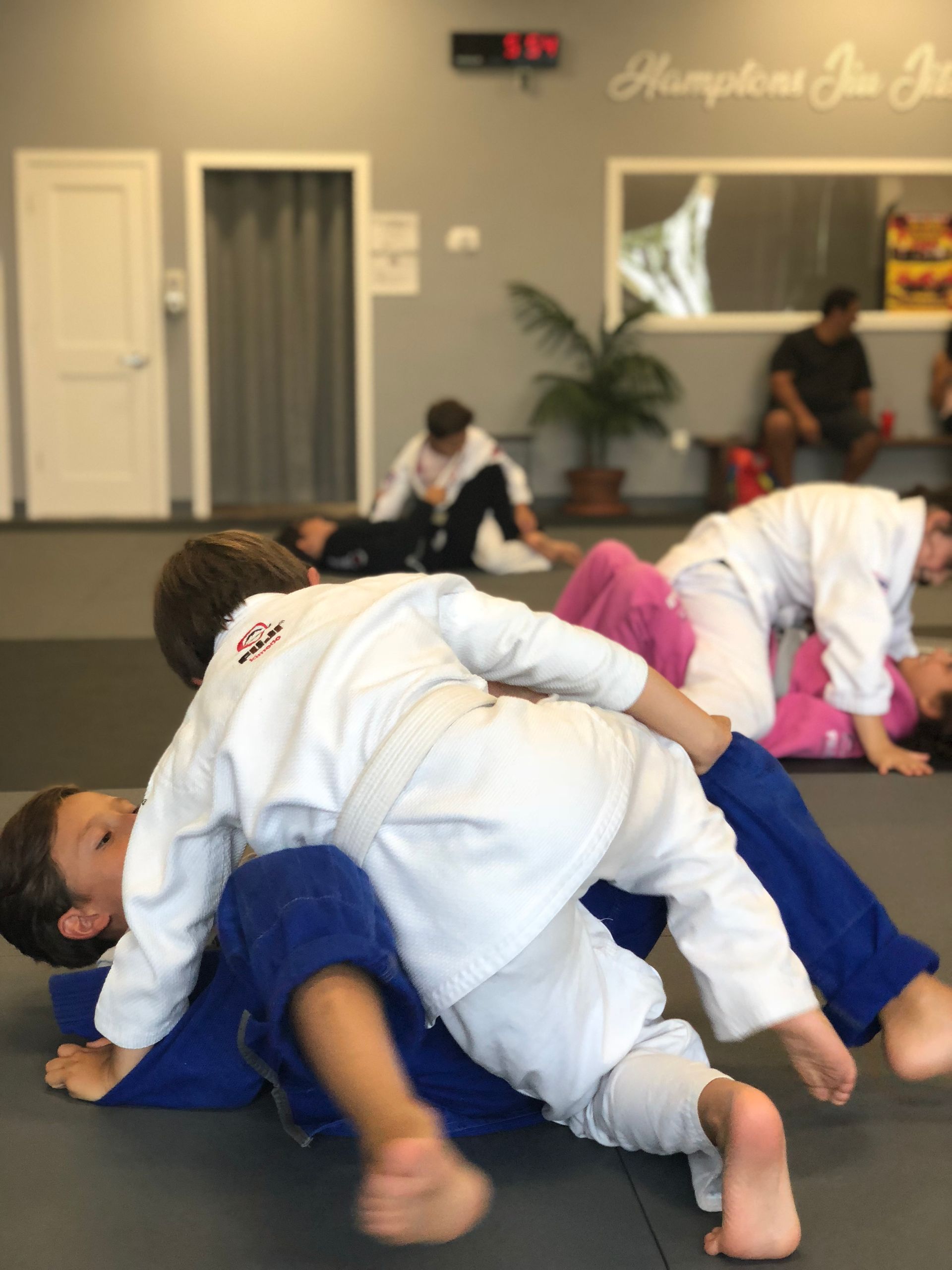
Friendship is easier when kids are given a job to do together. Brazilian Jiu Jitsu is built around cooperative learning: one child practices a movement, the other gives realistic resistance, then roles switch. Over time, kids start remembering each other’s strengths, cheering for progress, and offering little reminders like “elbows in” or “breathe” without even realizing how supportive they’re being.
In youth jiu jitsu, closeness comes from shared effort, not forced small talk. A kid who is shy at first doesn’t have to be the loudest to belong. The mat gives structure: partners rotate, everyone gets a turn, and nobody is left on the sidelines wondering where to fit in.
Teamwork is not a speech, it is built into the training
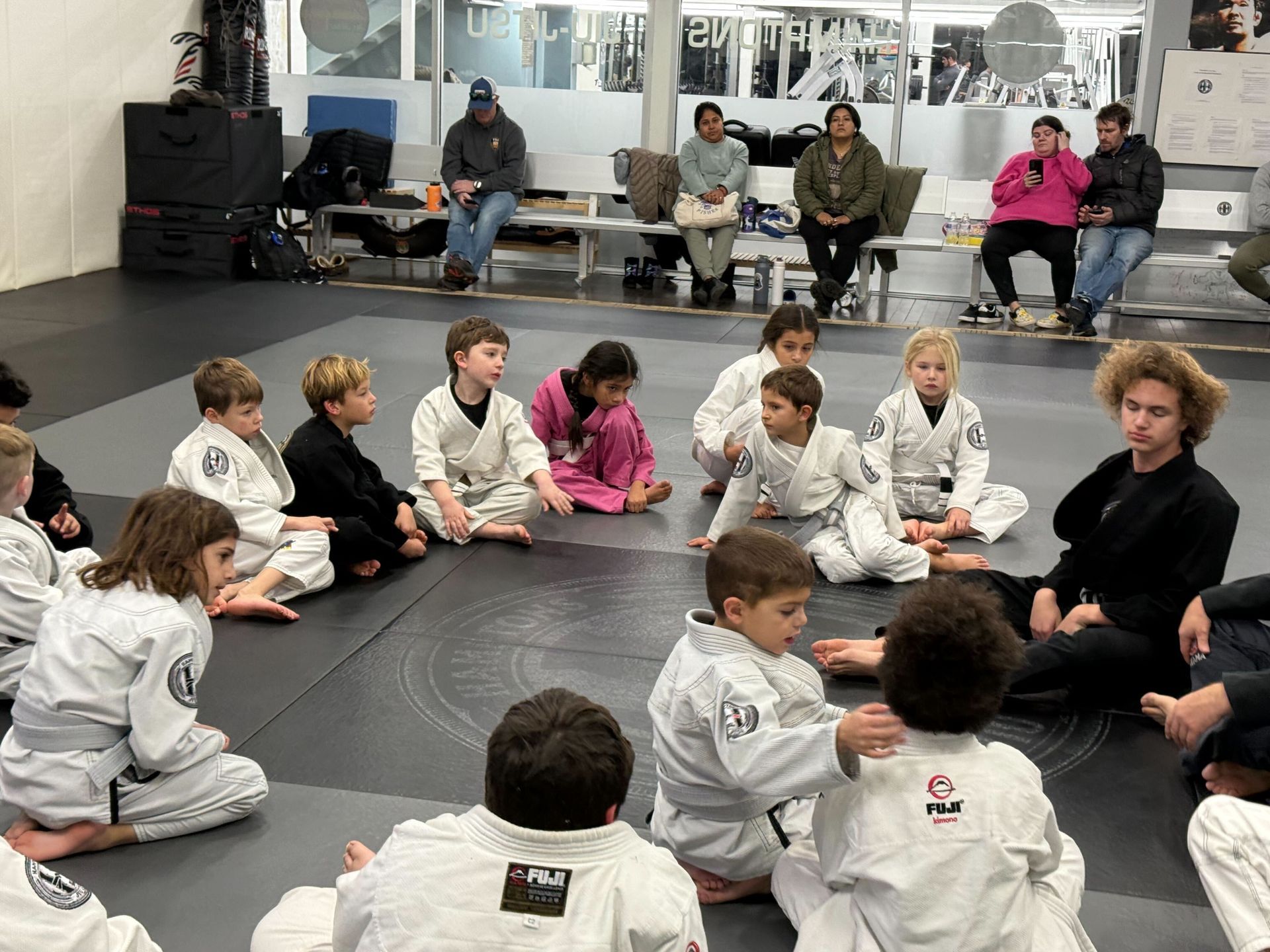
We can tell kids to “be a good teammate” all day, but teamwork sticks when it becomes part of the routine. Our classes use consistent partner rotation, group warmups, and coach guided problem solving so kids learn to communicate clearly and respectfully under a little pressure. That pressure is controlled and safe, but it’s enough to teach real cooperation.
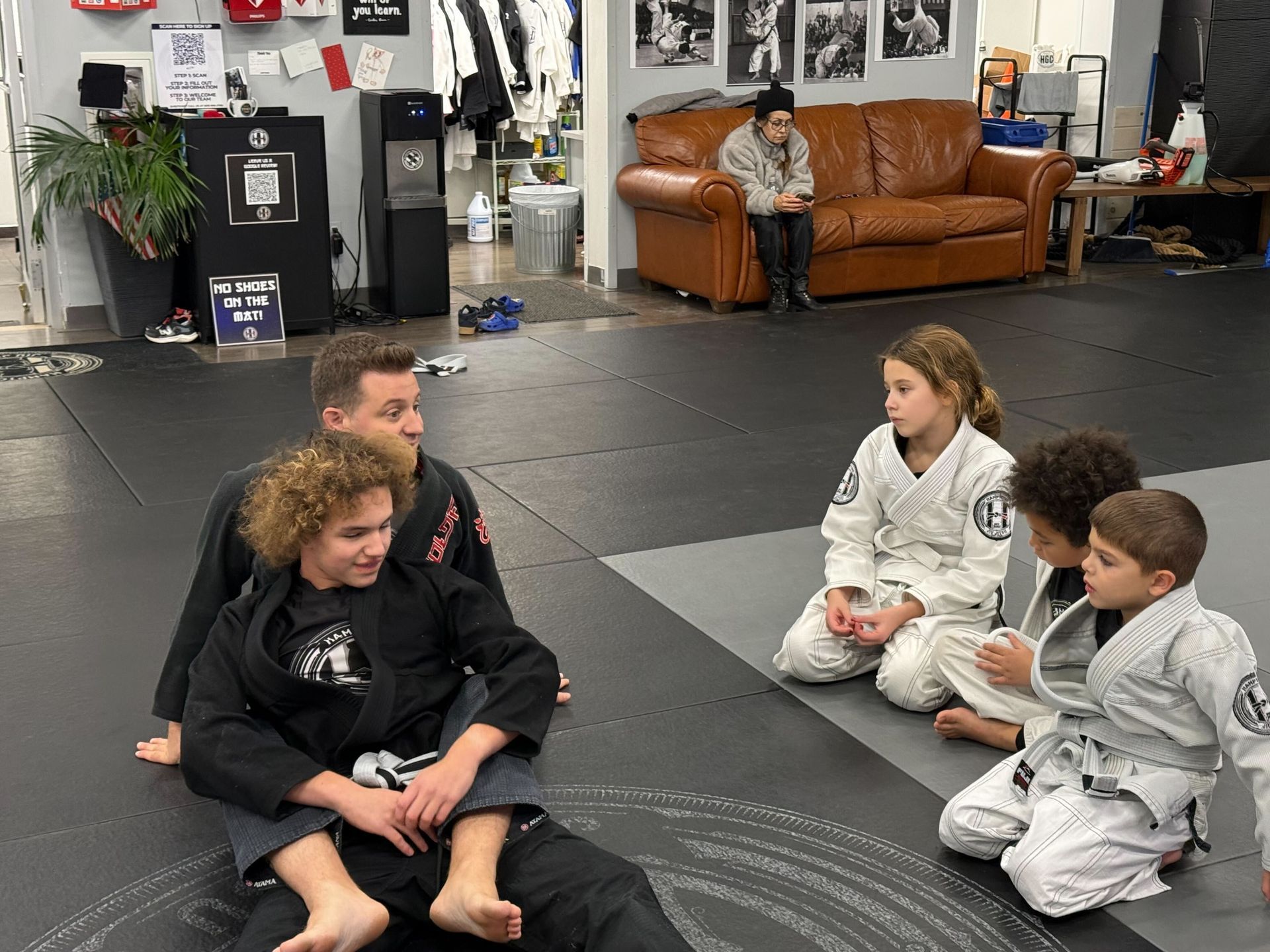
When kids drill a technique together, progress depends on both partners. One student learns timing and control. The other learns to give the right reaction. If one partner rushes or checks out, the whole drill gets sloppy. Kids pick up on that fast, and it’s one of the quiet ways youth jiu jitsu turns “me” into “we.”
How partner drills teach trust and communication
Partner drills are where the social development shows up most clearly. Kids have to ask questions, listen, and adjust. They also learn boundaries: how to apply pressure safely, how to tap, and how to stop immediately when a coach calls time. That creates trust, and trust is the foundation of good friendships.
We also see communication improve in small, practical ways. A student learns to say, “Can we go slower?” or “I’m not sure where my hand goes,” and the partner learns to respond with patience. Those are life skills, not just jiu jitsu skills, and they transfer to school group projects and sports teams more than you might expect.
What this looks like in a typical class
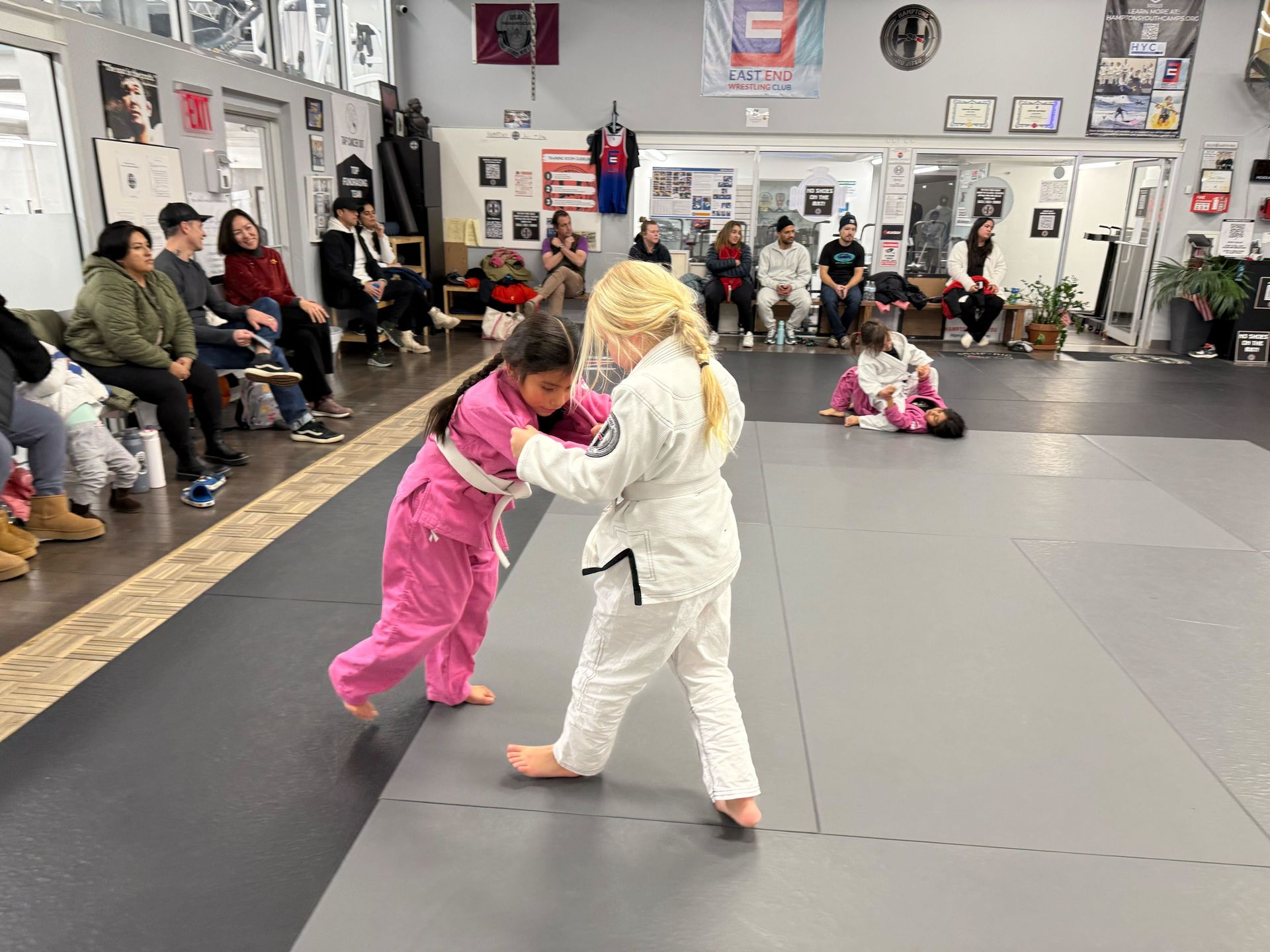
A normal youth class doesn’t feel like a lecture. It feels active and a little noisy in the best way, with coaches giving quick corrections and kids helping each other reset positions. Most days include:
• A short warmup where kids move together and learn spatial awareness
• Technique practice with a partner, repeating the same movement to build confidence
• Drilling with light resistance, where teamwork and patience matter
• Controlled sparring rounds that teach composure and respect
• A quick wrap up that reinforces sportsmanship and responsibility
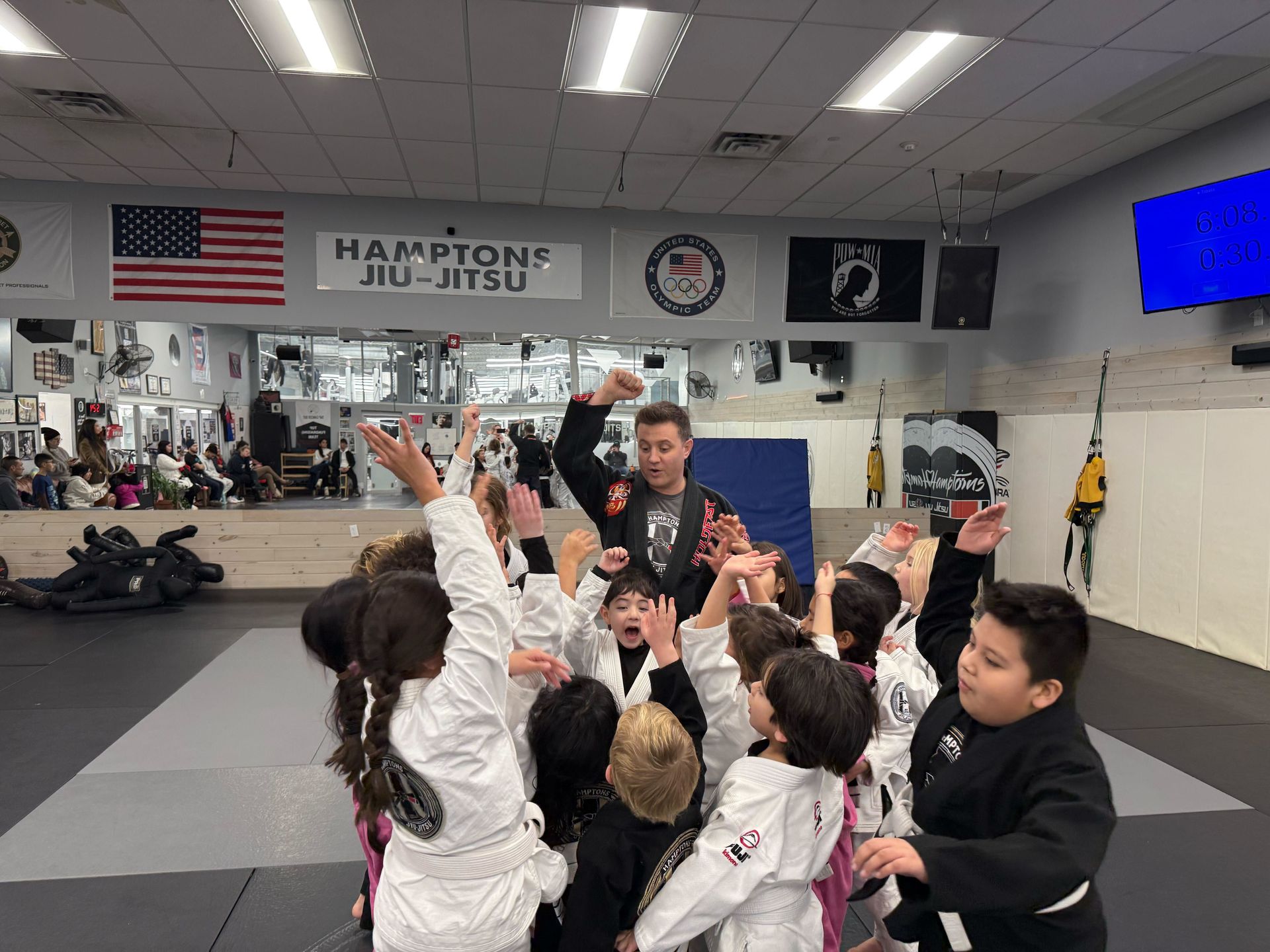
Over time, kids start looking forward to seeing their training partners. That’s when you know the program is doing more than teaching takedowns and guard passes.
The role of respectful sparring in building real bonds
Sparring, or rolling, is often misunderstood by parents who have never watched a kids class. Youth sparring is structured, supervised, and scaled to age and experience. We match students thoughtfully and keep the environment calm and coach led. The point is not to “win” in practice. The point is to learn.
And learning together is what builds connection. Kids quickly realize that training partners are not enemies. Partners are helpers who expose mistakes safely so both students improve. When a child taps and then bumps fists and tries again, that cycle teaches humility and resilience without drama.
Why competitions strengthen the team instead of separating it
Competition can bring out selfishness in some activities, but jiu jitsu has a built in counterbalance: team scoring and shared preparation. In IBJJF style events, kids divisions often track team points and medals. Those numbers matter because they represent collective performance across many matches, not just one standout athlete.
We take competition seriously for kids who want it, but we frame it the right way. One competitor’s courage gives everyone energy in the room the next week. When teammates watch each other compete, the bonds deepen. It is common to see kids cornering each other, calling out calm reminders, and celebrating effort even when the result is not a gold medal.
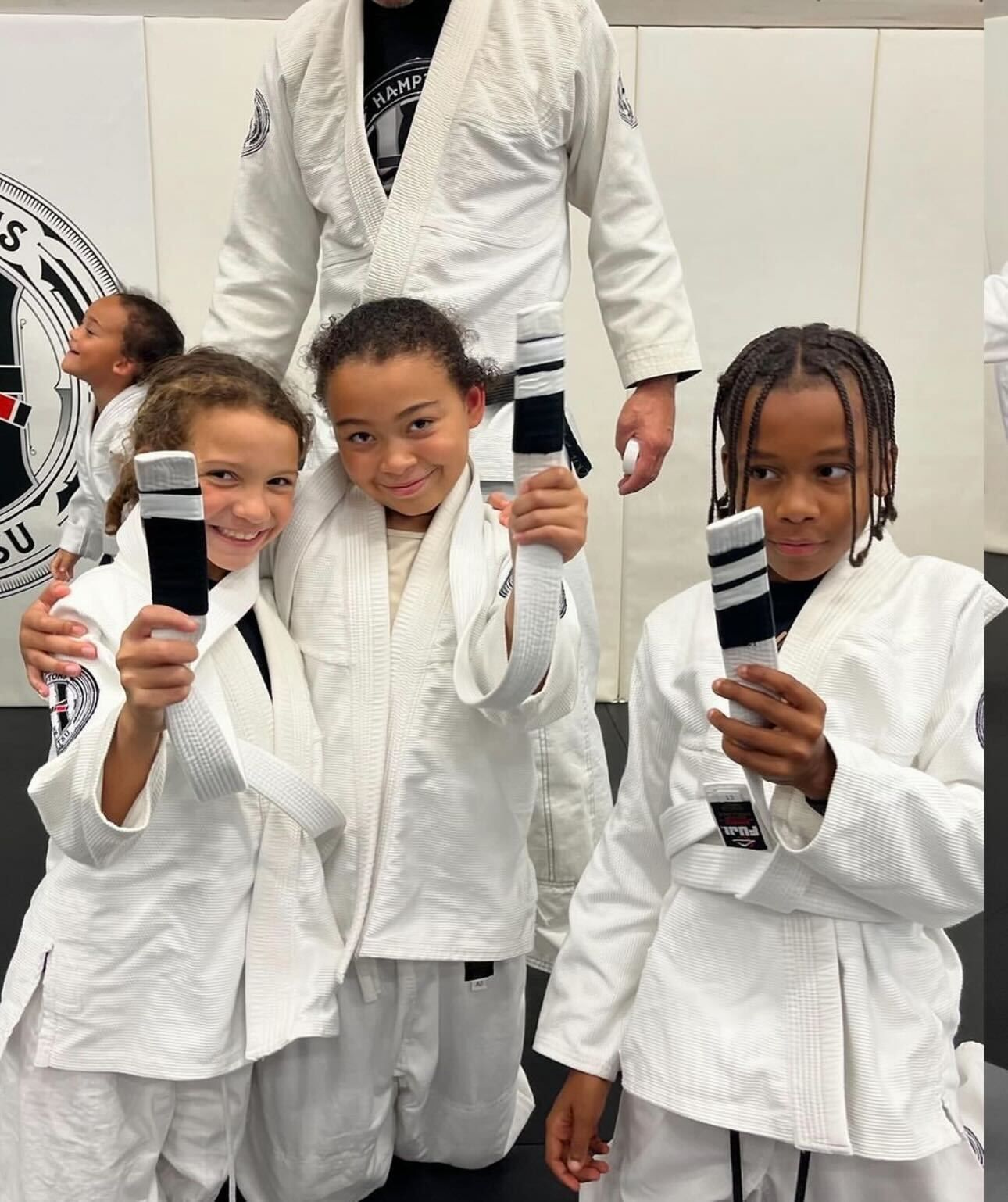
Just as important, competition gives kids a shared story. The car ride, the warmup, the mat nerves, the post match handshake, the team photo. That shared experience is the kind of thing friendships are built on.
A Southampton perspective: why this matters for local families
Southampton families juggle a lot: school, seasonal schedules, travel, and the social pressure that can come with growing up in a high cost area. Kids need a place where they can be challenged and accepted at the same time. Youth jiu jitsu provides that blend: structure, standards, and a community that rewards effort.
We also see how helpful the mat can be for kids who are new to the area or switching schools. Because partner rotations are part of the class design, new students meet everyone quickly. No awkward “who do I sit with” moment. You show up, you train, and you belong.
Mixed martial arts in Southampton and why grappling is the social glue
Parents often hear the phrase mixed martial arts in Southampton and think it means a cage fight vibe. In reality, youth programs that include grappling fundamentals tend to be some of the most structured, safety focused environments around. Grappling is interactive, but it is also controlled. That control makes it ideal for teaching cooperation.
Even when families are interested in the broader world of MMA, we emphasize a foundation first: movement, balance, and grappling principles that teach patience and problem solving. Those skills make kids better teammates because they learn to think, not just react.
Beginner friendly by design: how we help kids feel included fast
Most kids who start are beginners. Some are athletic. Some are not. Some are confident. Some are nervous and quiet, and that’s completely normal. We structure youth jiu jitsu so beginners can join without feeling behind.
We keep the learning progression clear, repeat core positions often, and use coach demonstrations that make it easy to copy the movement. Kids also learn through doing, not just watching. And because partners rotate, a new student gets multiple chances to reset and try again with different teammates, which helps social comfort build naturally.
Signs your child is settling in well
Not every kid talks about class the same way, so we look for small indicators that tell us the social side is clicking:
• Your child remembers a teammate’s name and mentions training partners at home
• You notice improved patience when explaining something to a sibling or friend
• Your child is willing to try harder drills without shutting down
• Your child accepts feedback without taking it personally
• Your child shows basic mat manners like lining up quickly and listening when coaches speak
Those changes tend to show up within the first few weeks when training is consistent.
The teamwork skills youth jiu jitsu teaches that school can’t always replicate
School is important, but it is not designed to teach physical problem solving under pressure. On the mat, kids learn to stay calm while moving, to think through a position, and to communicate quickly. That pressure is manageable and safe, but it is real enough to build confidence.
Teamwork in youth jiu jitsu is also very specific. A teammate is not just a friend. A teammate is someone you trust with your safety during drills, someone who helps you practice responsibly, and someone who expects you to do the same. That kind of mutual responsibility is rare, and it is one reason the friendships formed here often feel deeper than typical activity friendships.
What parents should know about schedules, costs, and consistency
Families usually ask practical questions first, and that’s fair. Youth programs typically run after school and early evening to align with family routines. Pricing in the region often includes drop in rates or monthly memberships, and many academies offer introductory options so you can see if it fits before committing.
What matters most for results, socially and technically, is consistency. One class per week helps, but two classes per week tends to create momentum. Kids start recognizing teammates faster, building inside jokes, and feeling proud of small improvements. That’s when youth jiu jitsu in Southampton NY becomes more than an activity. It becomes part of your child’s routine and identity in a healthy way.
Take the Next Step
The best friendships are built through shared effort, and that is exactly what we coach every day. At Hamptons Jiu-Jitsu, our youth jiu jitsu program in Southampton is designed to help kids train hard, support each other, and grow into teammates you can rely on, on and off the mat.
If you want a place where your child can build confidence, learn real skills, and feel part of a positive team culture, we would love to show you how our classes work and how we welcome beginners from day one.
Experience how consistent training can improve your fitness, confidence, and resilience at Hamptons Jiu-Jitsu.
ACCESS OUR SCHEDULE
& EXCLUSIVE WEB SPECIAL
Secure your spot and get started today with our EXCLUSIVE offer!