
Jiu Jitsu for Southampton Seniors: Boost Mobility, Strength, and Social Life
A smart, low-impact practice can keep you moving confidently and connected in Southampton year-round.
Staying active as we age is not just about logging steps or lifting heavier weights. It is about moving well, protecting your joints, and keeping the everyday stuff easy: getting up from the floor, carrying groceries, keeping your balance on uneven ground, and feeling steady when life gets a little fast.
That is why we often recommend jiu jitsu for seniors who want a fitness routine with real-world payoff. Because the art is technique-first, you learn how to use leverage, positioning, and timing instead of relying on speed or brute strength. With the right coaching and a sensible pace, it can be surprisingly joint-friendly and empowering.
In Southampton, we also see another need come up again and again: community. Retirement, seasonal schedules, and family living in different places can make social life quieter than you want. Training in a consistent group gives you a place to show up, be known, and keep improving, one class at a time.
Why jiu jitsu works so well for older adults
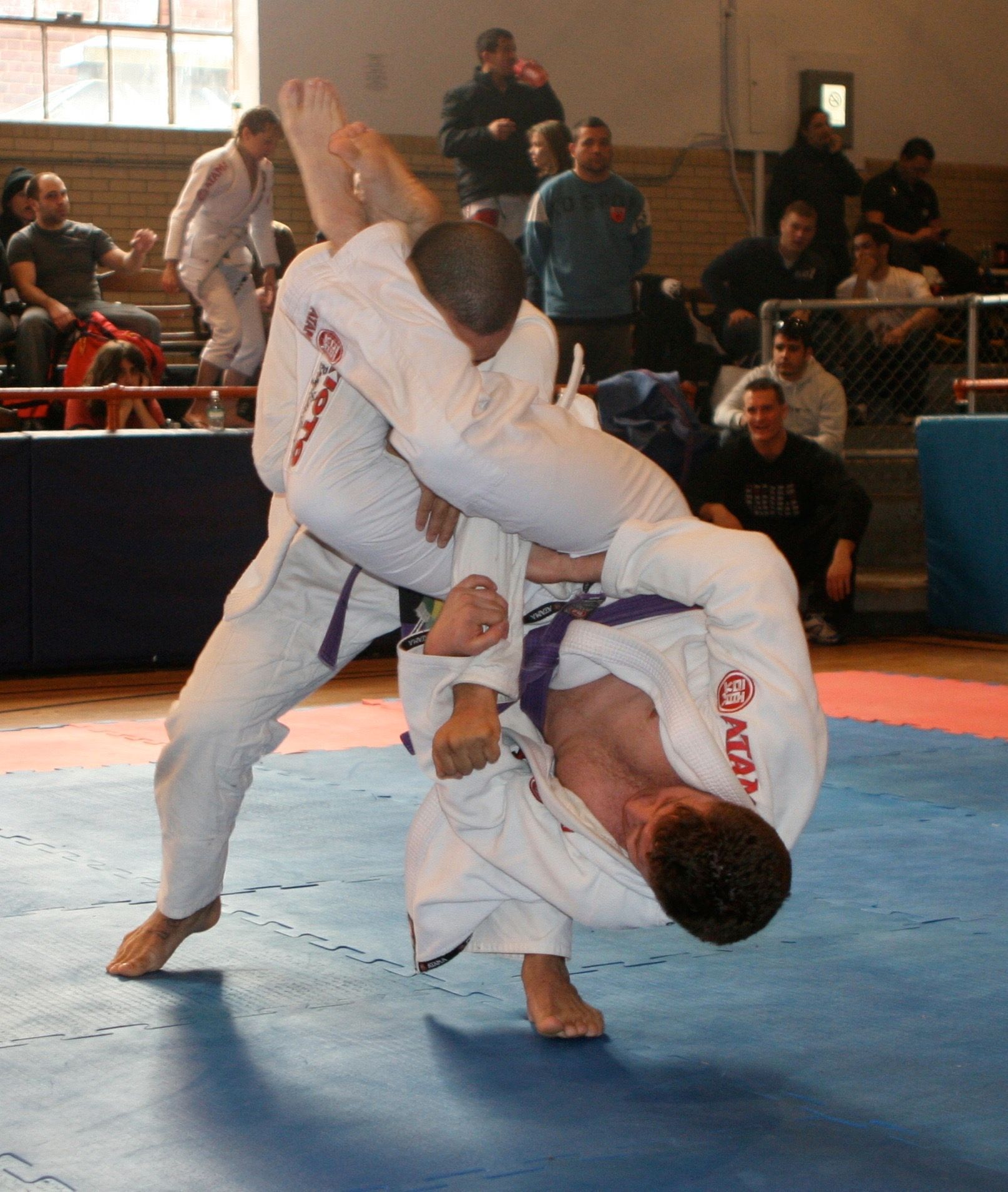
Jiu jitsu is built around efficiency. Instead of striking, you learn how to control distance, off-balance an opponent, and use angles to escape or hold positions. For seniors, that matters because it shifts the focus away from impact and toward control. When we teach a technique, we are not chasing chaos. We are building a repeatable movement pattern you can do safely, even on days you feel a little stiff.
Another reason it fits older bodies is the built-in feedback loop. If something feels off, you can adjust immediately. A grip can be lighter, a range of motion can be smaller, a drill can be slowed down. Progress in jiu jitsu is not about pushing through pain. It is about finding what works with your body, right now, and then expanding that capacity gradually.
And yes, you can start late. Plenty of people begin in their 50s, 60s, and beyond because they want to protect independence. Aging often comes with predictable declines in grip strength, aerobic capacity, hip mobility, and muscle mass. A consistent, low-impact grappling practice helps you train those areas in a functional way, without needing to pretend you are 25 again.
Mobility first: how training loosens stiff hips, shoulders, and back
Most seniors do not need more random exercise. You need movement that makes the next day feel better, not worse. Our approach prioritizes mobility early in class, because warm joints move more safely and because many jiu jitsu positions ask for hip rotation, thoracic spine movement, and shoulder stability.
A typical warm-up is not a bootcamp. We use light cardio to raise your temperature, then joint-friendly movements that prep the body for the exact patterns you will use in technique. Over time, that repetition adds up. You may notice you can turn your torso more easily when backing out of a parking space, reach overhead without that sticky shoulder feeling, or stand up from a low chair without bracing on the armrest.
We also put extra attention on the areas that commonly tighten with age:
- Hips and groin mobility for easier stepping, turning, and getting up off the ground
- Ankles and feet for balance and more confident walking
- Shoulders and upper back for posture and comfortable reaching
- Neck positioning habits that reduce strain during controlled grappling
If you have arthritis or chronic tightness, we scale the ranges and choose variations that keep you safe. The goal is steady improvement, not forcing flexibility.
Functional strength and balance that carry into daily life
Strength for seniors is not a mirror goal, it is a life goal. Functional strength is what helps you catch yourself if you trip, hold a grandchild without fatigue, or carry luggage without tweaking your back. Jiu jitsu builds that kind of strength because it is full-body and coordinated. You are constantly learning to connect your hips, core, and shoulders as one unit.
Balance improves because you practice controlling your base. Even simple drills teach you how to stay stable while you move, and how to regain posture if you get tilted. Falls are one of the biggest threats to independence as we age, and anything that improves balance, coordination, and confidence on your feet is worth taking seriously.
We keep the intensity appropriate. You do not have to spar hard to gain benefits. Light, controlled partner work is enough to train the patterns safely, and it keeps the nervous system calmer, which is important for learning.
Cardio without pounding your joints
A lot of cardio options are hard on knees, hips, or lower back. Jiu jitsu can raise your heart rate without the repetitive impact of running. Drilling, positional practice, and short, controlled rounds of movement create a cardiovascular effect that is more varied and often more tolerable for older adults.
You also get something many seniors miss in typical gym routines: the motivation that comes from learning. When you are focused on a technique, you often work harder than you realize, because your attention is on solving a problem, not watching the clock.
If you are managing blood pressure, diabetes risk, or general endurance, consistent training 2 to 3 times per week can support broader health goals. We still recommend you check with your doctor if you have heart conditions or significant medical concerns, and we will always adjust intensity to fit your needs.
Mental sharpness: the strategy side of jiu jitsu
Jiu jitsu is physical, but it is also a thinking game. You are learning sequences, recognizing patterns, and making decisions under mild pressure. That mental engagement is a big part of why seniors stick with it. It is not mindless repetition, and it rewards patience and curiosity.
In class, you might practice a guard pass that requires three steps in the right order. Or you might learn how to escape a pinned position by combining a frame, a hip escape, and a turn at the right moment. That kind of learning supports cognitive sharpness because you are building new pathways and staying present.
It can also be a genuine stress reliever. Even a mellow session gives your brain a break from the news, the to-do list, and everything else competing for attention. You leave class tired in a good way, and often calmer.
The social side: a consistent place to belong in Southampton
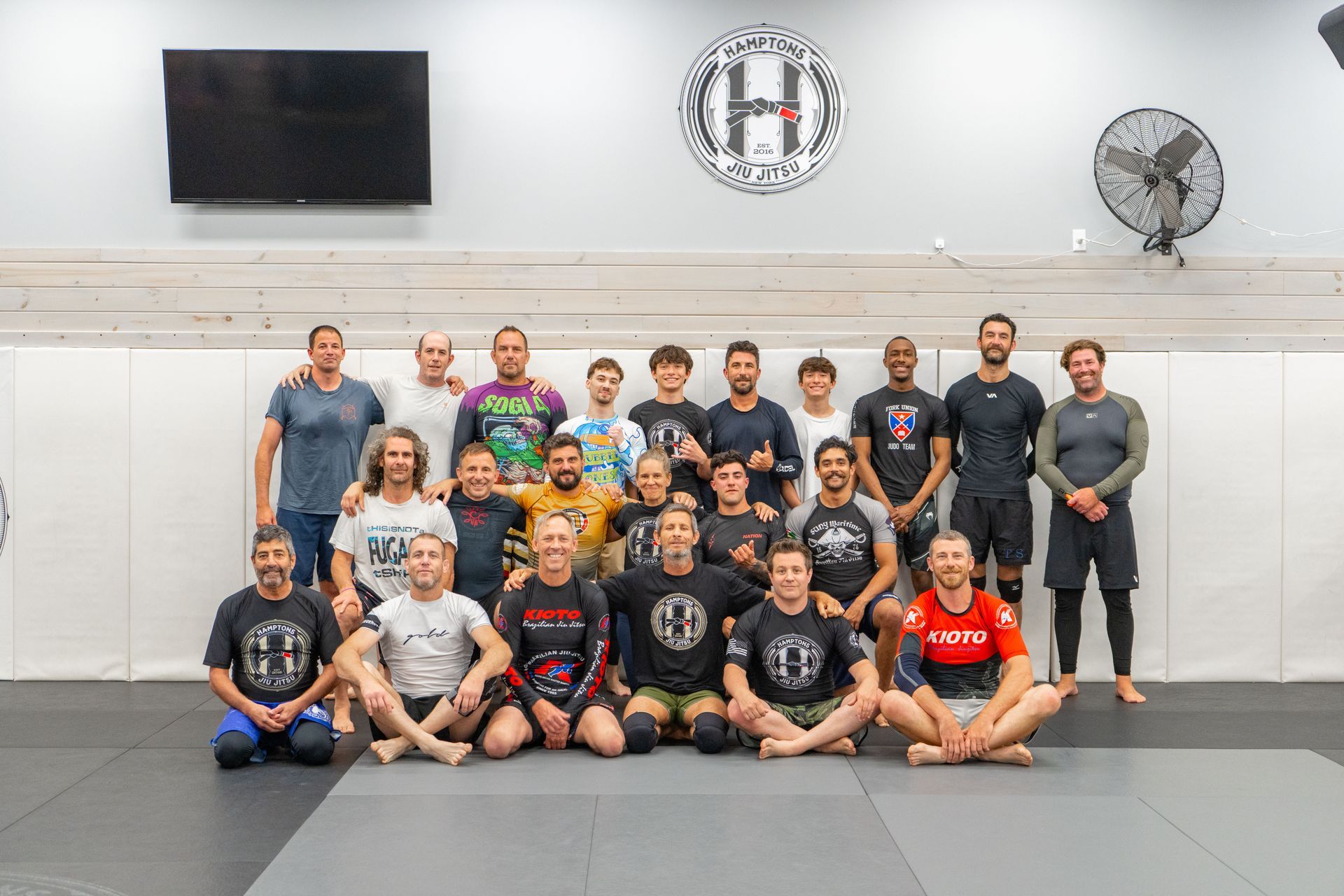
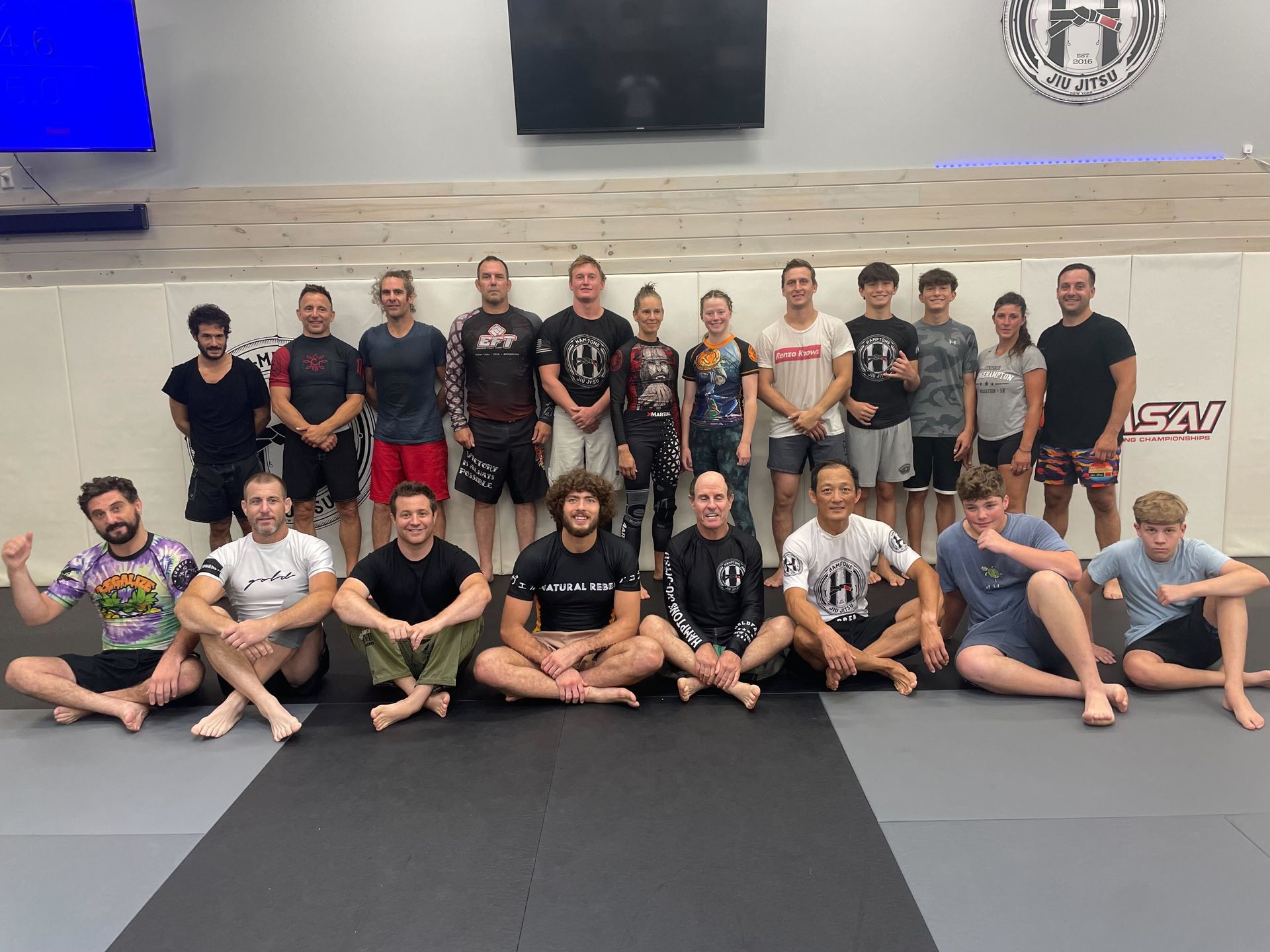
A supportive training room changes the experience. For many seniors, the best part is the relationships: training partners who learn your name, check in when you miss a class, and celebrate small wins like a cleaner escape or better balance.
Southampton can be a funny mix of busy and quiet, especially depending on the season. Having a routine where you see familiar faces helps combat isolation. And because jiu jitsu has endless depth, it creates natural conversation. People talk about techniques, progress, what felt easier this week, what still feels awkward. That shared learning is a strong social glue.
We also keep the environment respectful. Your training partner is not your opponent. Our culture centers on control, consent, and communication, so you can say, “Let’s go lighter,” or “My shoulder is sensitive today,” and the room responds appropriately.
What to expect in our senior-friendly classes
If you have never trained before, the first class is mostly about getting comfortable. We show you how to move safely on the mat, how to tap to stop a technique, and how to work with a partner in a calm, cooperative way. You will not be tossed into intense sparring.
Most sessions run 45 to 60 minutes and follow a predictable flow:
- Warm-up focused on hips, shoulders, and gentle movement prep
- Technique instruction with clear steps and plenty of repetition
- Partner drilling at a pace you can control
- Optional light positional training, scaled to your comfort level
- Cool-down and a quick reset before you head out
We also offer gi and no-gi training, and we can help you choose what fits best. If you are trying a class, we can often arrange loaner gear so you do not have to buy anything before you know you enjoy it.
Safety and joint concerns: how we keep training smart
“Is this safe for my knees, back, or shoulders?” is a fair question. The honest answer is that any physical activity has risk, but jiu jitsu can be made very safe when it is taught progressively and practiced with control.
We reduce risk through three habits: good warm-ups, clear communication, and smart intensity. We encourage you to tap early, ask questions, and choose training partners who match your pace. We also teach positions and escapes that prioritize alignment. For example, we emphasize keeping your spine neutral when possible, using your legs and hips instead of cranking with your arms, and avoiding fast twisting motions when a slower option works.
If you have a prior injury, tell us. We will give you modifications. Some days you may drill only. Some days you may skip certain movements. That is normal, and it is how long-term training stays sustainable.
How to start, even if you feel out of shape
You do not need a fitness base to begin. You need consistency and a reasonable plan. If you have been sedentary, the first few weeks can feel like your body is waking up, because it is. We guide you through that phase carefully, with the goal of leaving you energized, not wrecked.
Here is a simple starting plan we often recommend:
1. Train 2 times per week for the first month to build rhythm and recovery capacity
2. Add 5 to 10 minutes of light mobility work at home on non-training days
3. Increase to 3 times per week if you feel good and your sleep and soreness stay manageable
4. Pair training with low-impact recovery like walking, swimming, or gentle yoga
5. Reassess every few weeks and adjust based on how your joints and energy feel
This approach keeps progress steady and reduces the chance of overdoing it early.
A note for families: one gym can support multiple generations
Southampton families often like activities that connect generations rather than separate them. While this article is focused on seniors, we also see how training can become a shared family thread. It is common for a grandparent to train for mobility and confidence while a teen or child trains for discipline, coordination, and self-control.
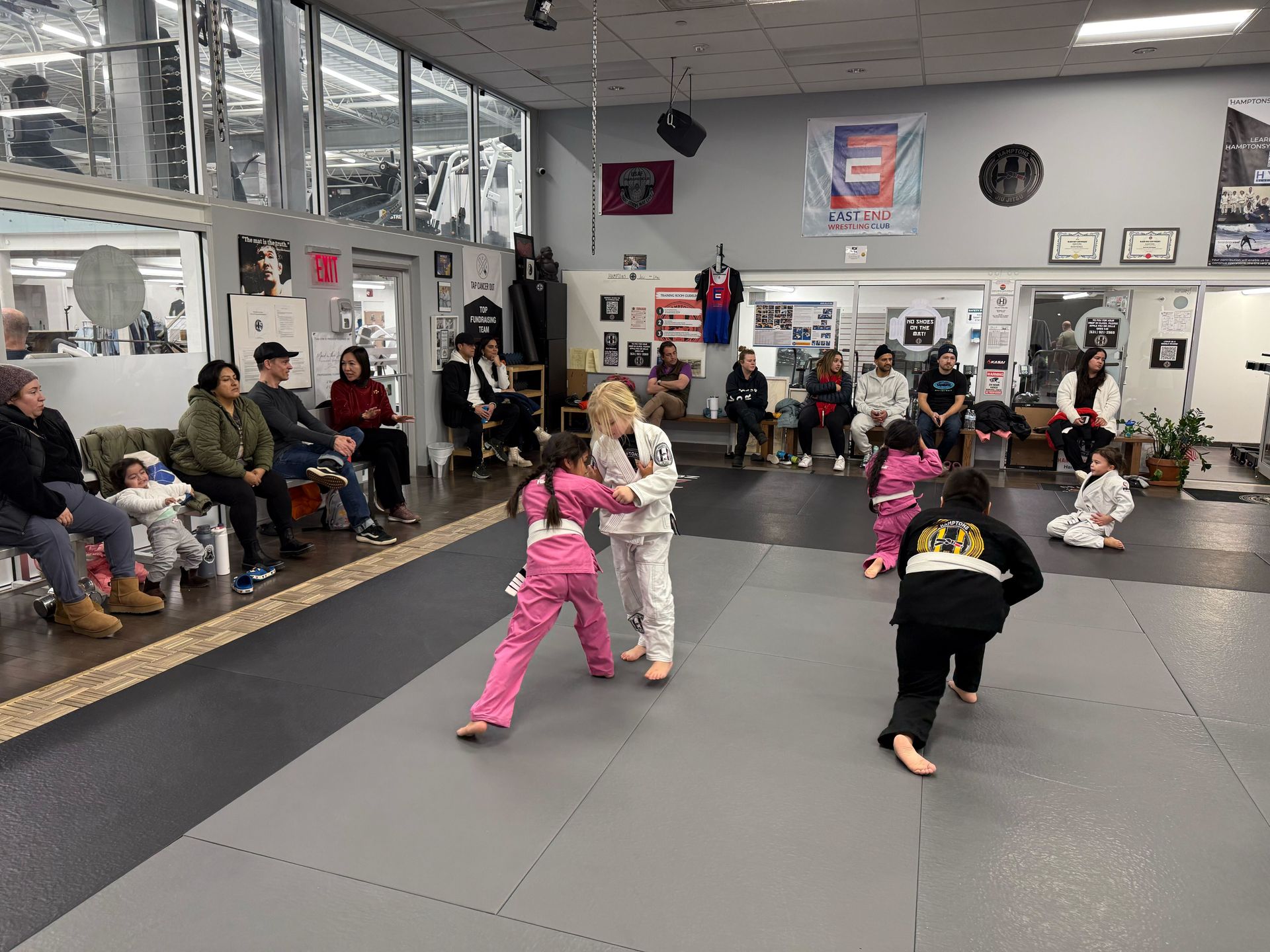
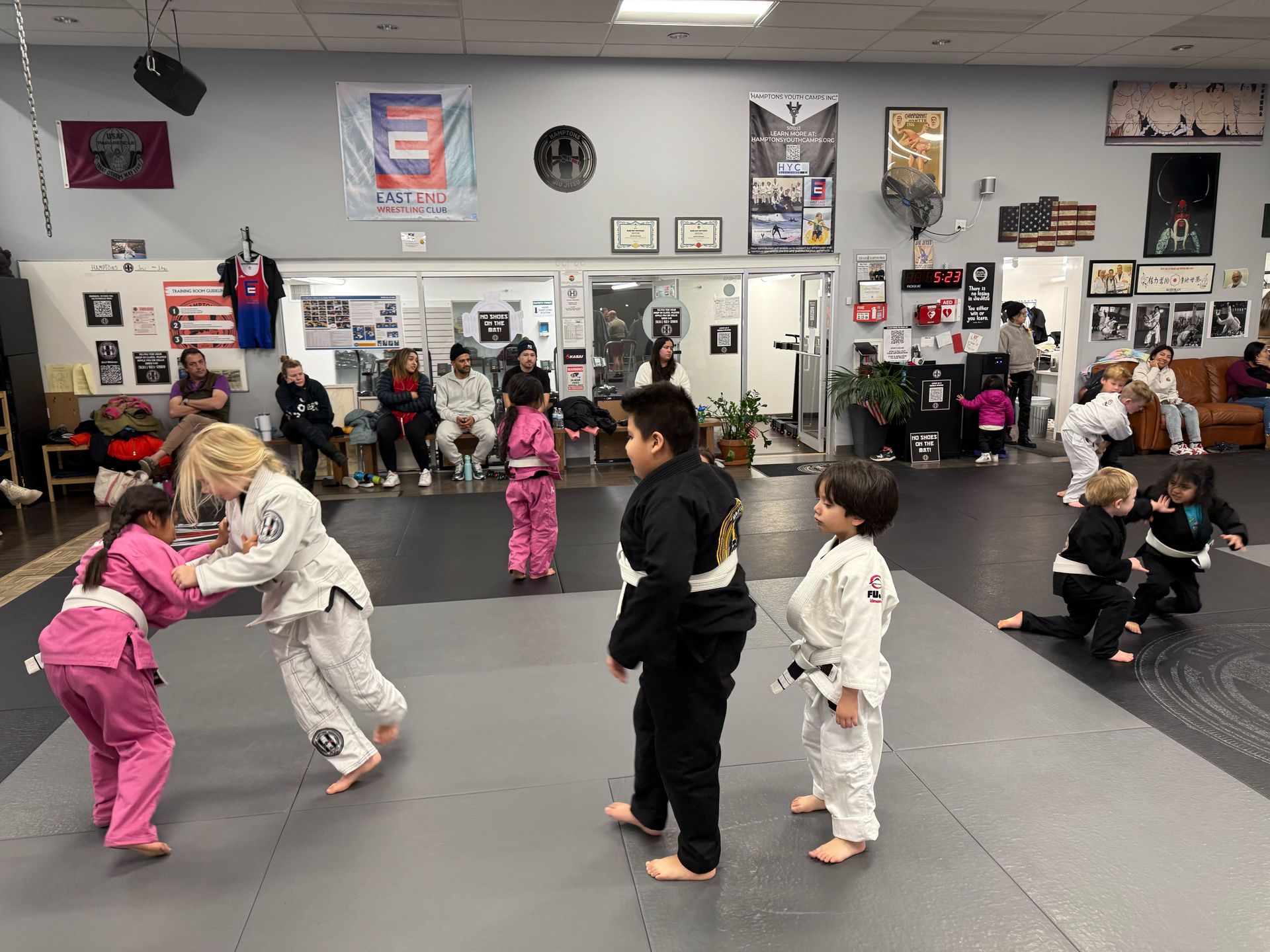
If you have been looking into youth jiu jitsu in Southampton NY for a child or grandchild, it can be encouraging to know you do not have to sit on the sidelines. Many families enjoy having a single routine and a shared vocabulary, even if you train in different classes.
That same idea applies if you have been browsing martial art classes in Southampton for general fitness. Jiu jitsu gives you something rare: a workout, a skill, and a community in one place.
Ready to Begin
Building strength, mobility, and confidence does not require punishing workouts. It requires a practice you can stick with, and jiu jitsu is one of the most sustainable options we teach because it adapts to your body while still challenging you to grow.
When you are ready, we will help you start at a pace that makes sense and build from there. At Hamptons Jiu-Jitsu, our goal is simple: keep you moving well, learning steadily, and feeling connected to a positive community in Southampton.
Build stronger grappling fundamentals and sharpen your technique by training at Hamptons Jiu-Jitsu.
ACCESS OUR SCHEDULE
& EXCLUSIVE WEB SPECIAL
Secure your spot and get started today with our EXCLUSIVE offer!