Jiu Jitsu for Stress Relief: Find Balance and Focus in Southampton, NY
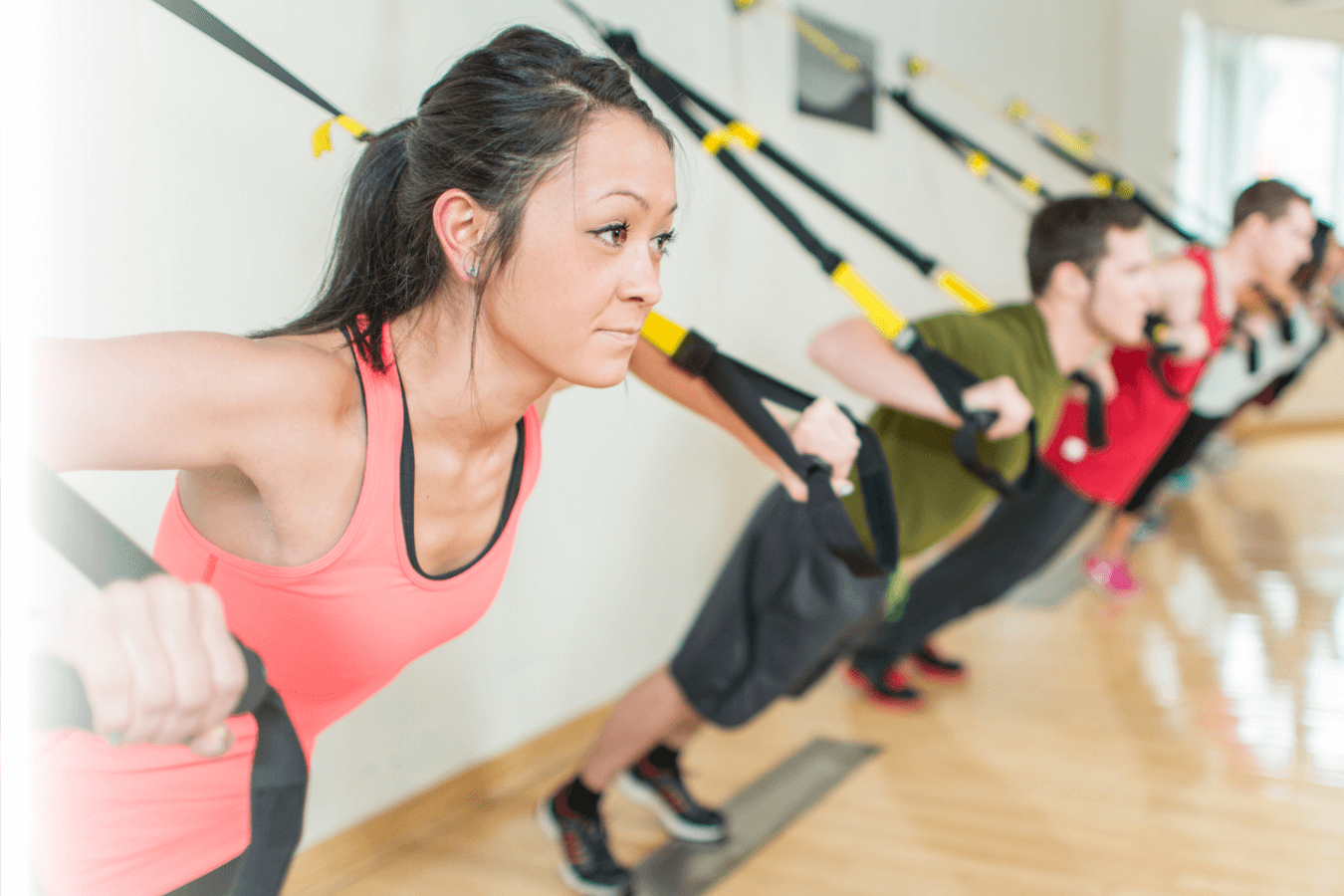
When your mind feels crowded, training gives you a simple job: breathe, move, and solve one problem at a time.
Stress in Southampton can look polished on the outside and feel heavy on the inside. Between demanding workdays, family logistics, and the seasonal pace changes that come with life out here, it is easy to feel like your nervous system never quite gets the memo that you are safe. We see it all the time: people who are capable, motivated, and still running on fumes.
Jiu jitsu is one of the most practical ways we know to turn that feeling around because it pulls you into the present moment. You cannot scroll, multitask, or “power through” your way across the mats. You focus on posture, breathing, and small decisions. That shift, from mental noise to clear attention, is where stress relief starts.
In this guide, we will explain how training supports calm, confidence, and better sleep, and how our programs in Southampton are structured to help you get those benefits safely, whether you are brand new or getting back into a routine.
Why jiu jitsu works when “relaxation” does not
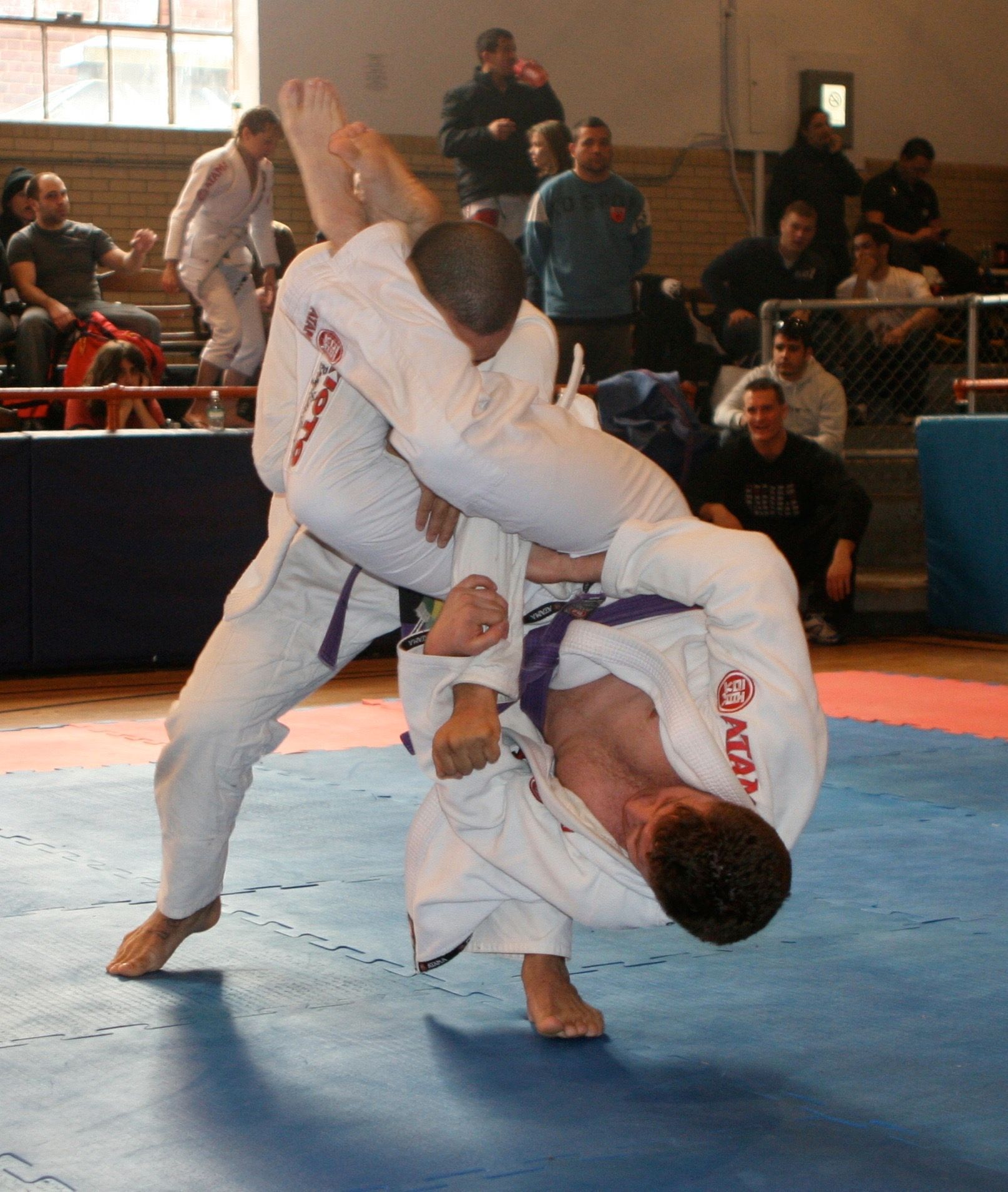
A lot of stress-relief advice is passive: rest more, unplug, take a walk. Those things can help, but they do not always retrain your response to pressure. Jiu jitsu is different because it is active and specific. You practice staying composed while your heart rate rises and your comfort zone gets challenged in controlled ways.
Research and real-world experience line up here. Consistent Brazilian Jiu-Jitsu practice is associated with improvements in emotional regulation and reductions in anxiety and depression markers, and studies on trauma-exposed groups have shown PTSD symptom reductions up to about 50 percent after roughly 60 hours of training. That is not magic. It is repetition, good coaching, and a training environment where you learn to respond instead of react.
There is also a simpler reason it works: training gives you a clear task. You learn a technique, you drill it, you test it with a partner, and you leave with the satisfying mental quiet that comes from doing something difficult on purpose.
The stress chemistry: what changes in your body
Stress is not only a mood. It is physiology. When your body is stuck in high alert, sleep gets lighter, thoughts get faster, and small frustrations feel bigger than they should. Grappling helps because it blends exertion with problem-solving, and that combination changes what is happening under the hood.
During and after training, your body releases neurotransmitters and hormones associated with improved mood and stress relief, including endorphins, dopamine, and serotonin. Many students notice better sleep surprisingly quickly, not because life becomes instantly easier, but because the body has finally had a reason to fully downshift.
Just as important, jiu jitsu teaches you how to breathe under pressure. When you are learning to escape a tight position, the instinct is to panic and hold your breath. We coach you to do the opposite: find structure, breathe, make space, and work step by step. That skill transfers directly to daily stress, from meetings to traffic to tense conversations at home.
Stress tolerance, not stress avoidance
One of the most useful mental skills we build on the mats is stress tolerance. You get exposed to uncomfortable situations in small doses, with safety rules, partners who are learning too, and a coach guiding the pace. That makes it “exposure-like” training in the best sense: you practice feeling stress without being controlled by it.
Over time, you start to notice a change. The moment something goes wrong, you do not automatically spike into panic or anger. You pause. You look for options. You stay curious longer. That is a big deal for anyone who feels wound tight all week and then wonders why the weekend disappears in recovery mode.
In Southampton, we also see a very specific kind of stress: high performance expectations mixed with unpredictable schedules. Training becomes the one place where you are allowed to be a beginner, fail safely, and improve anyway. That combination is quietly powerful.
What “calm confidence” really means in brazilian jiu jitsu in Southampton
Confidence can sound like a motivational poster, but on the mat it is concrete. It is the feeling that you can handle pressure because you have handled pressure. You have been stuck, you have escaped, you have tapped, you have learned, and you have come back.
Studies comparing experience levels show that advanced practitioners often demonstrate higher mental strength, resilience, self-efficacy, and self-control than newer students, along with higher life satisfaction and fewer mental health disorders. We do not share that to make belts sound mystical. We share it because it highlights what consistent practice builds: durable mental skills.
If you are training brazilian jiu jitsu in Southampton for stress relief, the goal is not to “win.” The goal is to get a little more composed each week. You will feel it when you stop rushing. You will feel it when you can breathe through a scramble. You will feel it when your shoulders are not glued to your ears on a stressful Tuesday.
How our classes are structured to support stress relief
A good stress-relief workout should challenge you without frying you. Our class structure is built to do exactly that: enough intensity to create a real reset, and enough coaching to keep you safe and progressing.
Most classes include a few steady parts:
- A warm-up that prepares your joints, hips, and neck for grappling movement, not random exhaustion
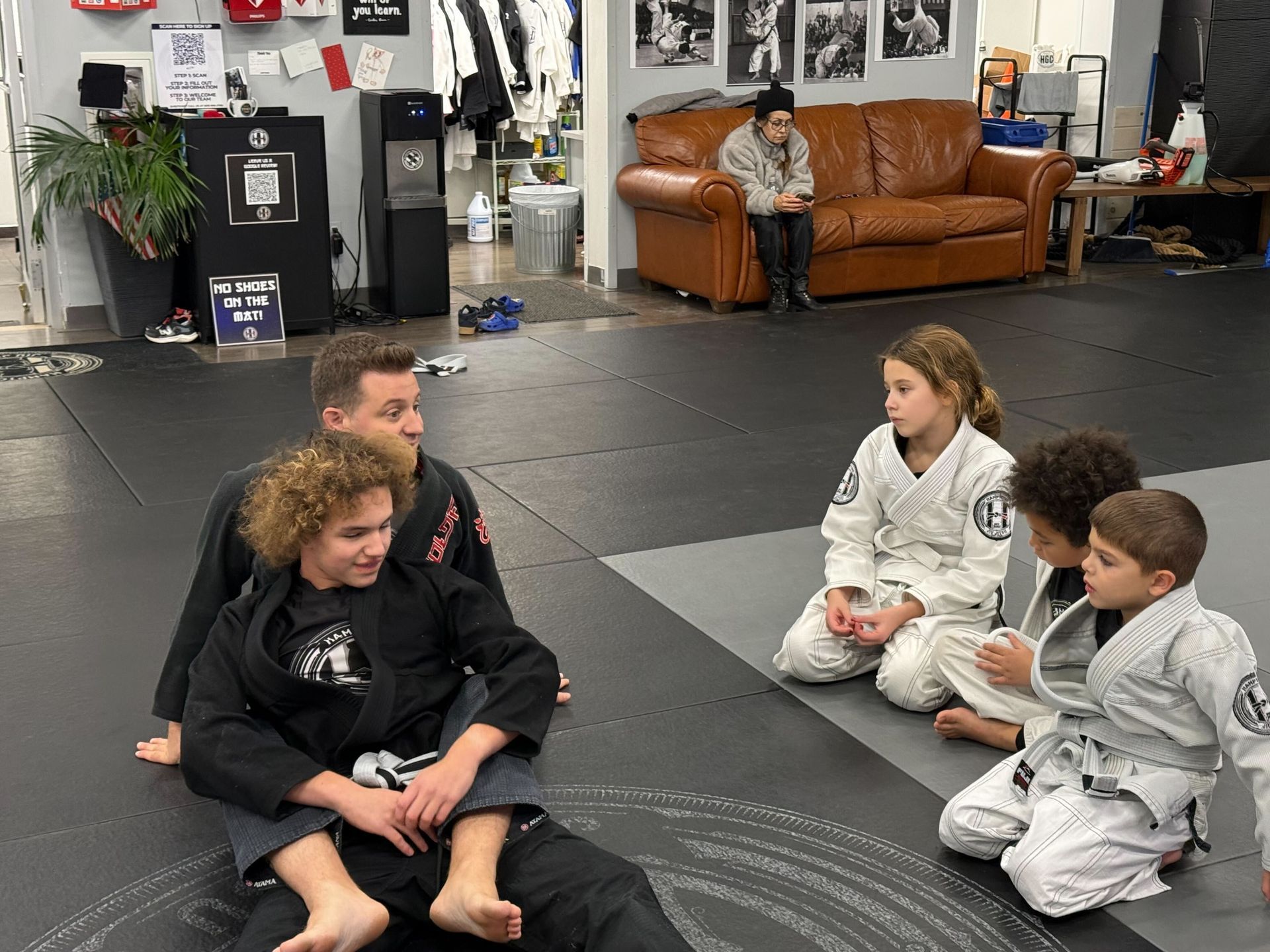
- Technical instruction that breaks one theme into simple steps you can repeat
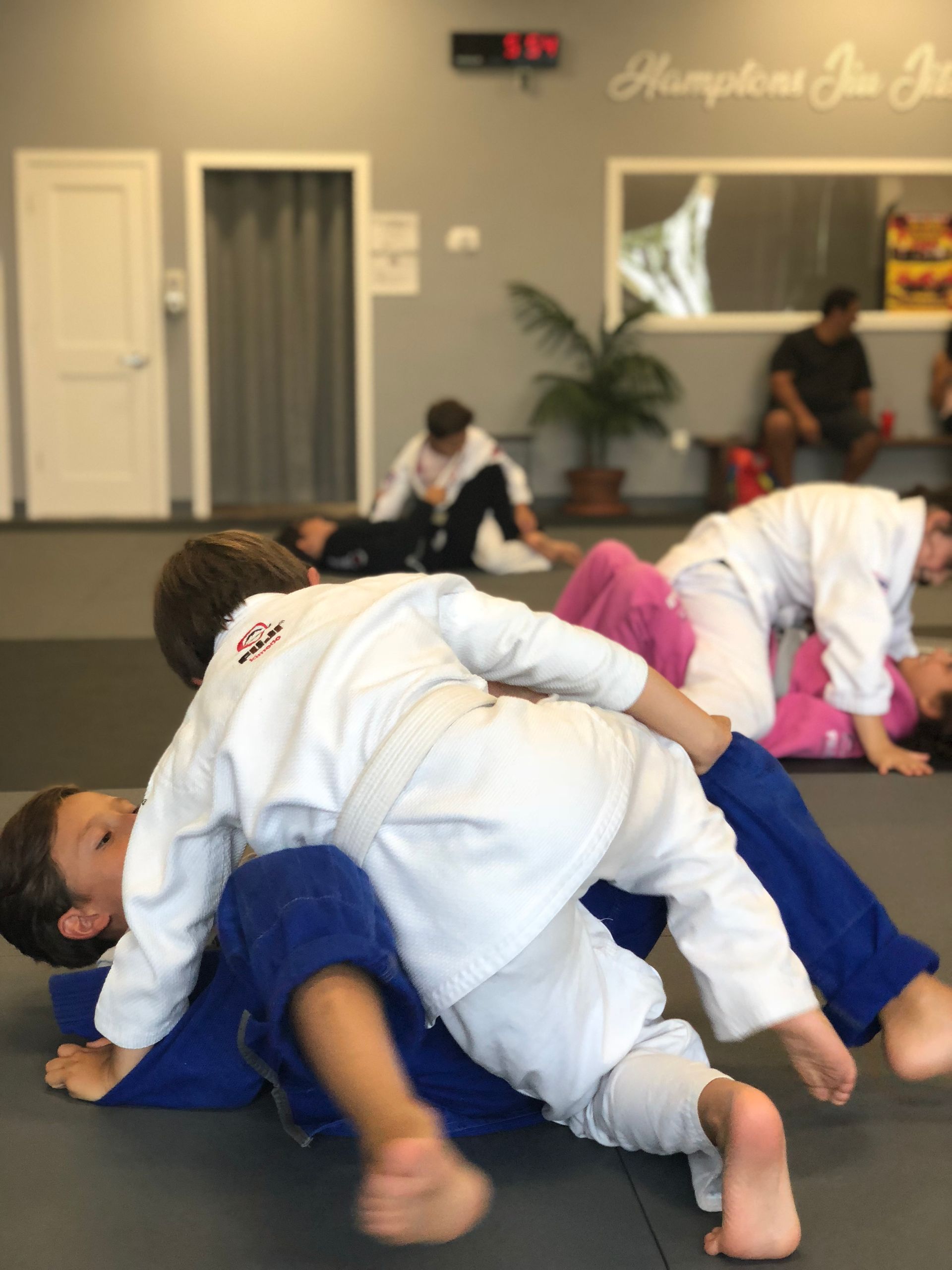
- Drilling time where you can practice with control and ask questions without pressure
- Live training (sparring) scaled to your experience, with clear boundaries and coaching
- A short cool-down and transition back to real life, because walking out jittery is not the goal
If you are new, we help you settle in. We would rather you leave feeling successful and clear-headed than crushed. Over time, we can turn up the intensity as your fitness, timing, and comfort improve.
Getting started without feeling overwhelmed
Walking into your first jiu jitsu class can be intimidating, mostly because it is unfamiliar. The good news is that you do not have to be in shape first. You get in shape by showing up, learning positions, and moving a little better each week.
Here is what we recommend if your main goal is stress relief:
1. Start with a beginner-friendly class and tell us you want a steady pace and a clear orientation.
2. Focus on breathing and posture before you worry about “moves” or athleticism.
3. Choose consistency over intensity, even two sessions a week can change how you feel.
4. Tap early, tap often, and treat it like good communication, not failure.
5. Track non-scale wins like better sleep, fewer tension headaches, and calmer reactions at home.
This is also where jiu jitsu Southampton training is surprisingly practical. Because you train in close contact, you learn quickly that ego creates stress and technique removes it. Once you feel that difference, you start chasing clean movement instead of constant force.
A realistic timeline: when you will notice the benefits
Some benefits are immediate. Many people leave the first class feeling lighter, partly because they finally had to be fully present for an hour. The mind gets a break from spinning. That alone can feel like a reset.
The deeper changes come with steady training. Research in trauma-exposed populations suggests meaningful PTSD reductions after about 60 hours of practice, and that lines up with what we see in everyday stress, too: around the point where techniques start to stick and you feel less lost, your baseline calm improves.
You might notice:
- Better sleep within the first couple of weeks, especially on training days
- Improved mood and patience as your body gets regular endorphin-driven “downshifts”
- More focus at work as you get used to single-tasking under pressure
- A stronger sense of self-trust because you can handle hard moments without spiraling
If you have a demanding schedule, we encourage you to look at our class schedule page and pick times you can protect like an appointment. Stress relief only works when it is consistent.
Safety, boundaries, and training when you are already stressed
When you are stressed, your body can feel brittle. Tight hips, stiff neck, clenched jaw, old injuries that suddenly get loud again. We take that seriously.
We coach control first. That means learning how to move your weight, how to fall and base, and how to apply pressure without smashing. We also match partners thoughtfully and encourage communication. If you need a lighter round, you can say so. If you are coming back from an injury, we can modify positions and choose drills that let you train without feeling reckless.
Jiu jitsu is often described as “hard,” but the best training environments are intelligent. You should feel challenged, not unsafe. Over time, this becomes part of the stress relief: you learn to set boundaries clearly and respectfully, and you learn that you are allowed to take up space.
Kids and teens: focus, confidence, and emotional regulation
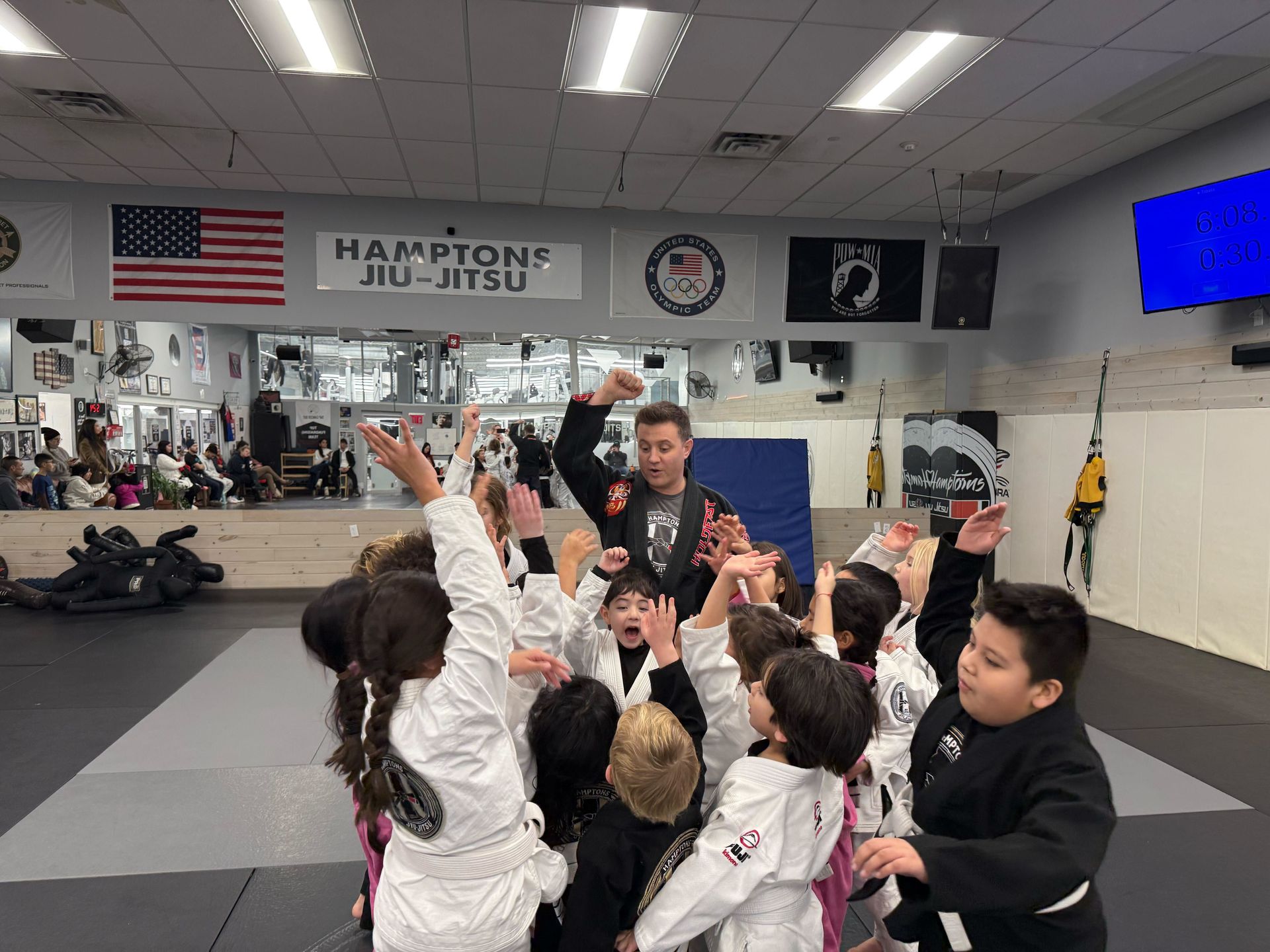
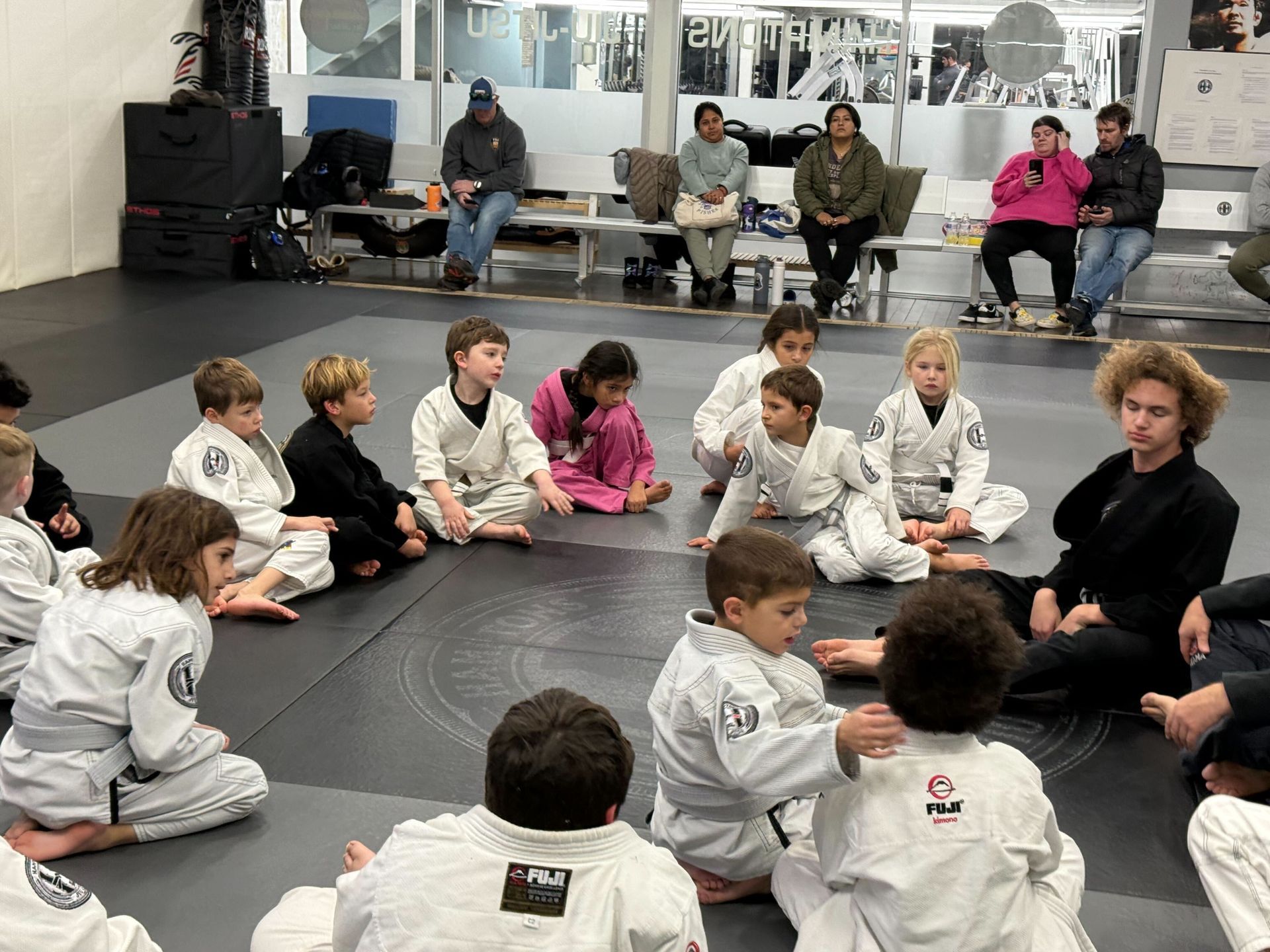
Stress relief is not only an adult issue. Kids and teens carry school pressure, social pressure, and overstimulation from constantly being “on.” Training gives them a structured place to move, learn, and build confidence through effort.
In our youth program, we emphasize:
- Listening skills and step-by-step learning, which strengthens attention and follow-through
- Physical coordination and balance, which supports overall confidence
- Respectful partner work, so energy gets channeled instead of spilling out as chaos
- Calm problem-solving, especially when something feels frustrating or unfamiliar
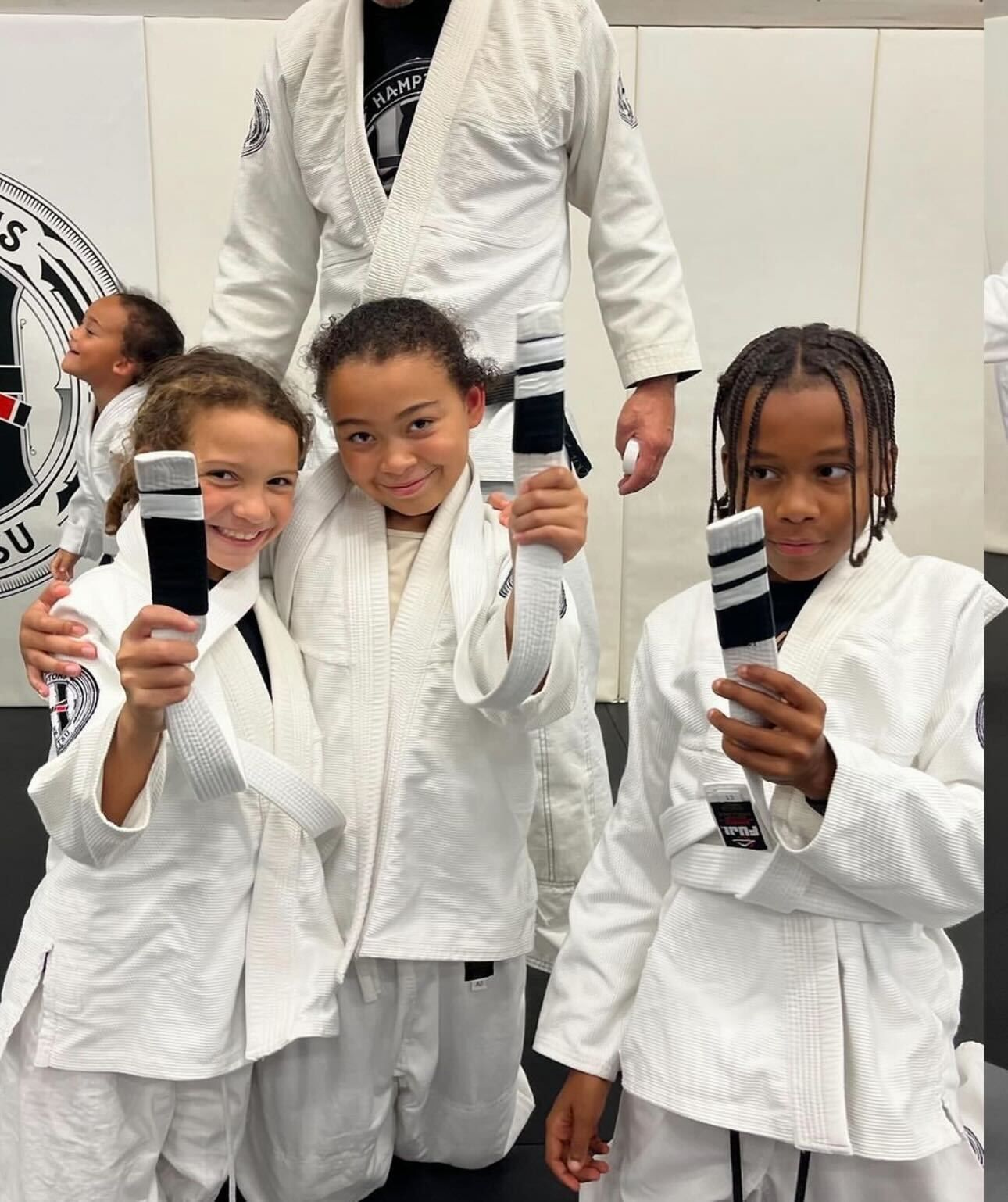
Parents often tell us the biggest change is not athletic. It is attitude: more patience, better self-control, and a calmer response to everyday disappointments.
Making jiu jitsu a lifestyle tool in Southampton
One of the best parts of training in a place like Southampton is that you can build a rhythm that fits real life. Some students train year-round. Some ramp up in the offseason and maintain during busy months. We are used to schedules that shift.
To make jiu jitsu a true stress-relief practice, we encourage you to think in seasons:
- Busy season: shorter sessions, steady attendance, focus on fundamentals and breathing
- Normal weeks: add live training rounds and build conditioning naturally
- High-stress stretches: show up anyway, but lower intensity and prioritize recovery
- Rest and recovery: sleep, hydration, and mobility work so training stays supportive
When you approach training this way, jiu jitsu becomes less like a hobby and more like a system for staying grounded. You do not need to be perfect. You just need a place where you can practice being calm under pressure, over and over, until it becomes familiar.
Take the Next Step
If you want stress relief that actually changes how you handle pressure, the mats are a practical place to start. At Hamptons Jiu-Jitsu, we keep training structured, beginner-friendly, and focused on progress you can feel in your body and your day-to-day life, not just in technique.
Whether your goal is better sleep, a clearer head after work, or a healthier way to process stress, we will help you build a routine that fits Southampton life and supports you long-term, one class at a time.
Move from reading to training and join a Jiu-Jitsu class at Hamptons Jiu-Jitsu today.
ACCESS OUR SCHEDULE
& EXCLUSIVE WEB SPECIAL
Secure your spot and get started today with our EXCLUSIVE offer!