Jiu Jitsu Fundamentals: Building Confidence for All Ages in Southampton
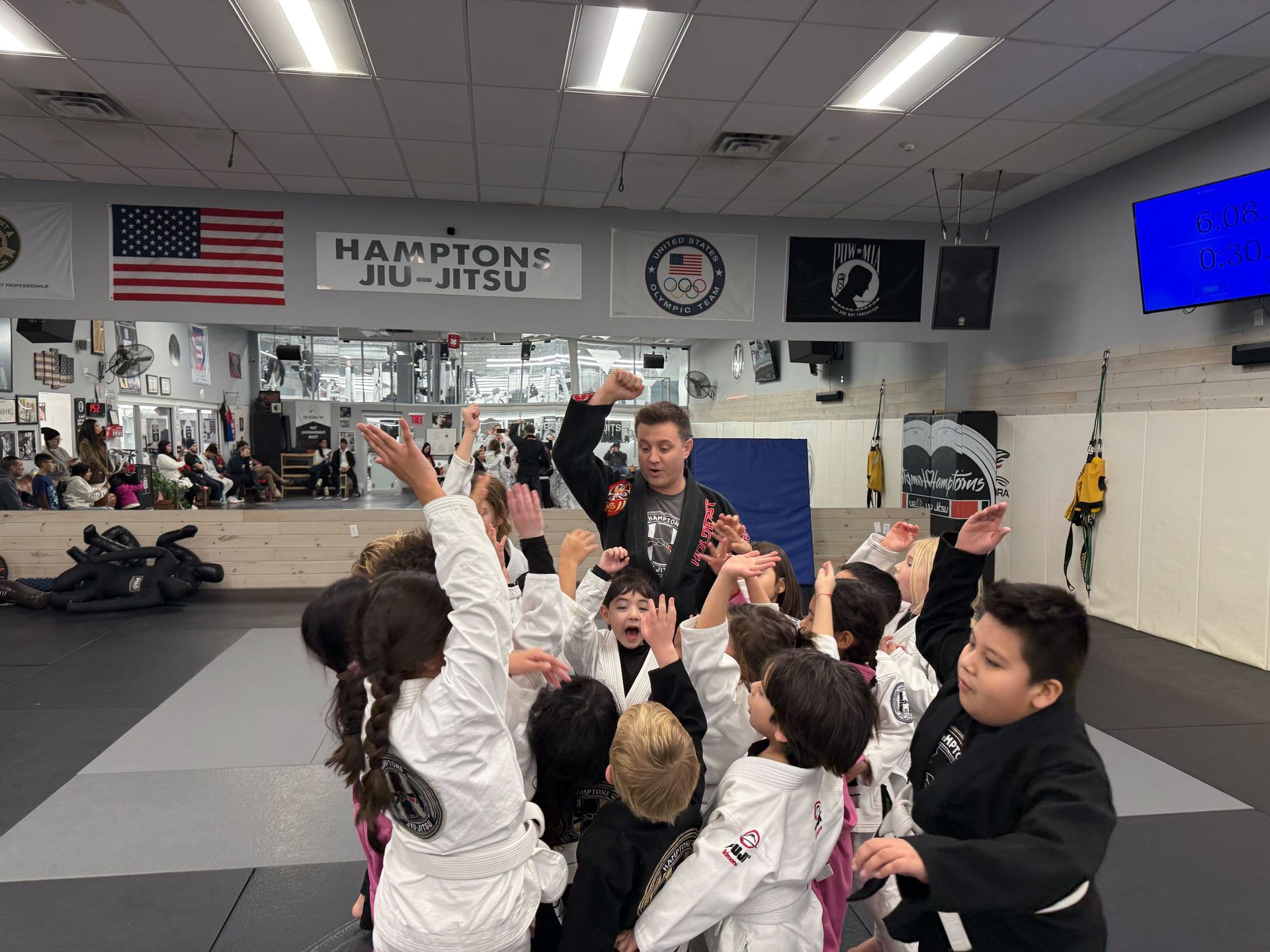
Real confidence comes from learning what to do next and practicing it until it feels natural.
Jiu jitsu has grown fast in the U.S., and we understand why: it gives you a practical way to solve problems with technique, not brute strength. In a town like Southampton, where families balance school, work, sports, and a busy social calendar, training has to feel worth the time. Our fundamentals-first approach is built for exactly that.
When you start with the basics, progress shows up in everyday life. You stand a little taller. You handle pressure better. You make decisions faster. On the mats, that confidence comes from learning positions, escapes, and simple submissions that work for kids, teens, and adults without needing to be the strongest person in the room.
Why fundamentals matter more than “advanced” moves
The most reliable skills in jiu jitsu are often the least flashy. Fundamentals are the positions and habits that keep you safe and effective: posture, base, frames, pressure, and timing. We teach those pieces early because they compound. Once you can maintain balance and protect yourself, everything else starts clicking.
Modern competition data backs this up. In elite events, a large share of finishes still comes from core techniques, especially chokes. At ADCC 2024, 65 of submissions were chokes and 20 were arm attacks, which is a strong reminder that control and positioning decide the outcome long before a highlight reel moment appears. Our fundamentals training is built around that reality: you learn to control space, limit risk, and finish with clean mechanics.
We also keep fundamentals practical. Your first months should feel like building a map: where you are, what’s dangerous, what’s safe, and what to do when things go wrong. That is where confidence actually starts.
Jiu jitsu in Southampton: a local fit for real life
Southampton is active. You see it on the roads, the beaches, the sports fields, and in the way families pack schedules year-round. Our goal is to make training a positive anchor in that routine, not another chaotic obligation. Classes are structured, coaching is clear, and the atmosphere stays focused without feeling intimidating.
People come to us for different reasons, but the common thread is the same: you want to feel capable. For some, that means self-defense basics. For some, it’s fitness that keeps the mind engaged. For kids and teens, it’s often confidence and composure, especially in social situations where stress can spike quickly.
And yes, interest in jiu jitsu is rising nationally. Search trends from 2004 to 2024 show interest growing more than 100 percent, and participation continues to expand. Locally, that popularity shows up as fuller classes and more people asking about beginner-friendly training that still feels legitimate, not watered down.
What “confidence” looks like on the mat (and off it)
Confidence is not a speech. It’s a skill set. On the mat, we see confidence build in small, specific ways:
• You stop holding your breath during hard moments and start thinking.
• You learn how to fall and get up safely, without panic.
• You recognize positions instead of feeling lost.
• You tap early, reset, and keep training, which is its own kind of courage.
• You begin to trust your technique even when you’re tired.
Off the mat, those same patterns show up as better posture, calmer decision-making, and a quieter kind of self-assurance. We like that kind of confidence. It’s steady.
The core positions we teach first (and why)
We organize beginner learning around positions because positions are where problems are solved in jiu jitsu. If you understand the goal of each position, you stop guessing.
Bottom survival first: escapes and frames
Beginners often worry about being stuck under someone bigger. We address that early. You learn how to frame, create space, and recover to safer positions. This is where a lot of new students feel their first real “aha” moment because it proves technique can beat panic.
Guard basics: control, connection, and getting back up
Guard is not just a defensive posture. It is a working position where you can off-balance, sweep, stand, or submit. Even with modern trends showing less traditional guard play at the highest levels, guard fundamentals remain essential for everyday training and self-defense situations. If you can’t manage distance from your back, you’re missing a major part of the art.
Top control: pressure without rushing
On top, we teach you to stay heavy in a technical way. It’s not about squeezing. It’s about angles, weight placement, and patience. Rushing is how people get reversed. Learning to slow down is a skill, and it’s one that builds confidence quickly.
Mount and back control: the safest finishing positions
Two of the most dominant places in jiu jitsu are mount and the back. We teach how to hold those positions, how to stay balanced, and how to use simple submissions that rely on control more than speed.
A simple beginner roadmap you can actually follow
One reason people quit martial arts is uncertainty. You show up, you sweat, but you don’t know what “good” progress looks like. We make progress visible by giving you a clear pathway.
1. Learn safety habits first, tapping, posture, and controlled movement
2. Build positional escapes from side control, mount, and back control
3. Practice guard retention and basic sweeps to reverse position
4. Add a small set of high-percentage submissions, especially chokes and straight arm attacks
5. Start light sparring with constraints so you can apply skills without chaos
6. Layer in takedown fundamentals and standing control at a comfortable pace
That roadmap keeps training grounded. It also reduces injuries, because the body adapts better when learning has structure.
Youth training: confidence without turning kids into “fighters”
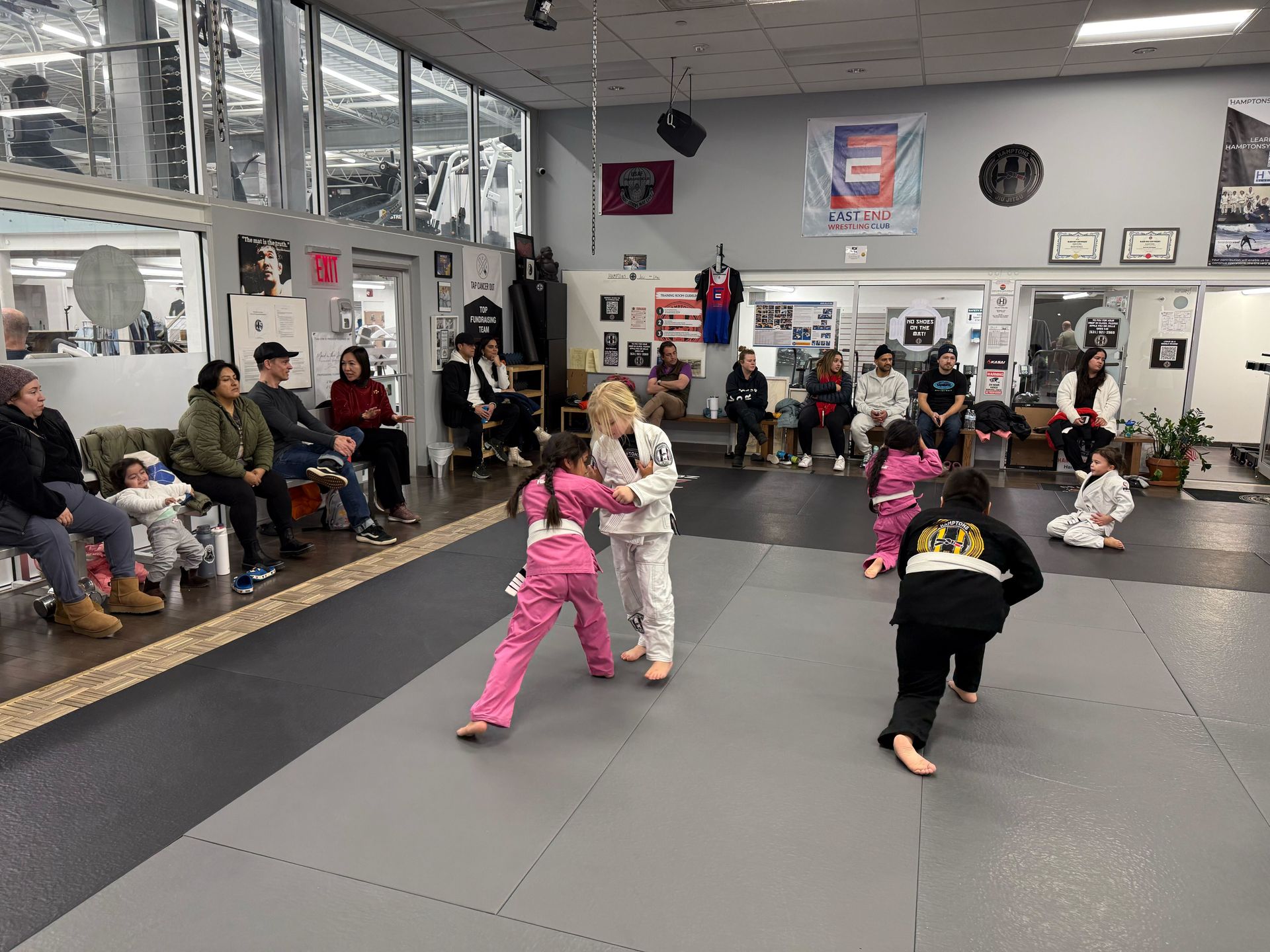
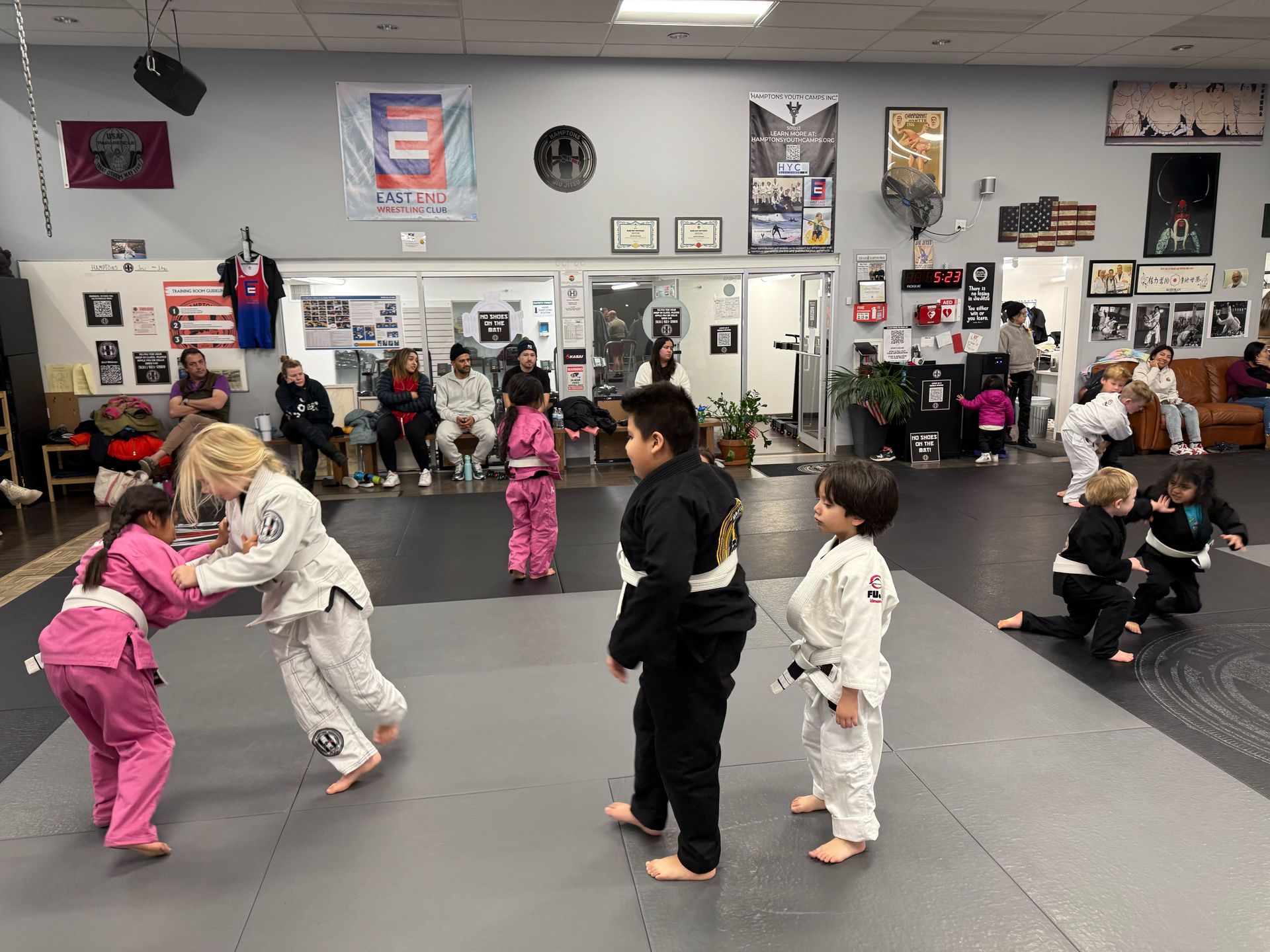
When families ask about youth jiu jitsu in Southampton NY, the real question is usually about character and safety. Our youth classes build athleticism, coordination, and respect, but we keep the focus on fundamentals and responsible behavior. We want kids to feel capable, not aggressive.
For younger students, confidence often shows up as improved listening, calmer reactions, and better boundaries with peers. Techniques matter, but so does the environment. We coach kids to use control, to ask questions, and to treat training partners well. That is how a room stays safe and how kids actually want to come back week after week.
We also pay attention to pacing. Kids learn best when the room feels energetic but organized. Drills are short, clear, and repeated often enough to stick. Nobody is expected to “tough it out” through confusion. That is not real toughness anyway.
Teens and adults: starting late is normal, and it works
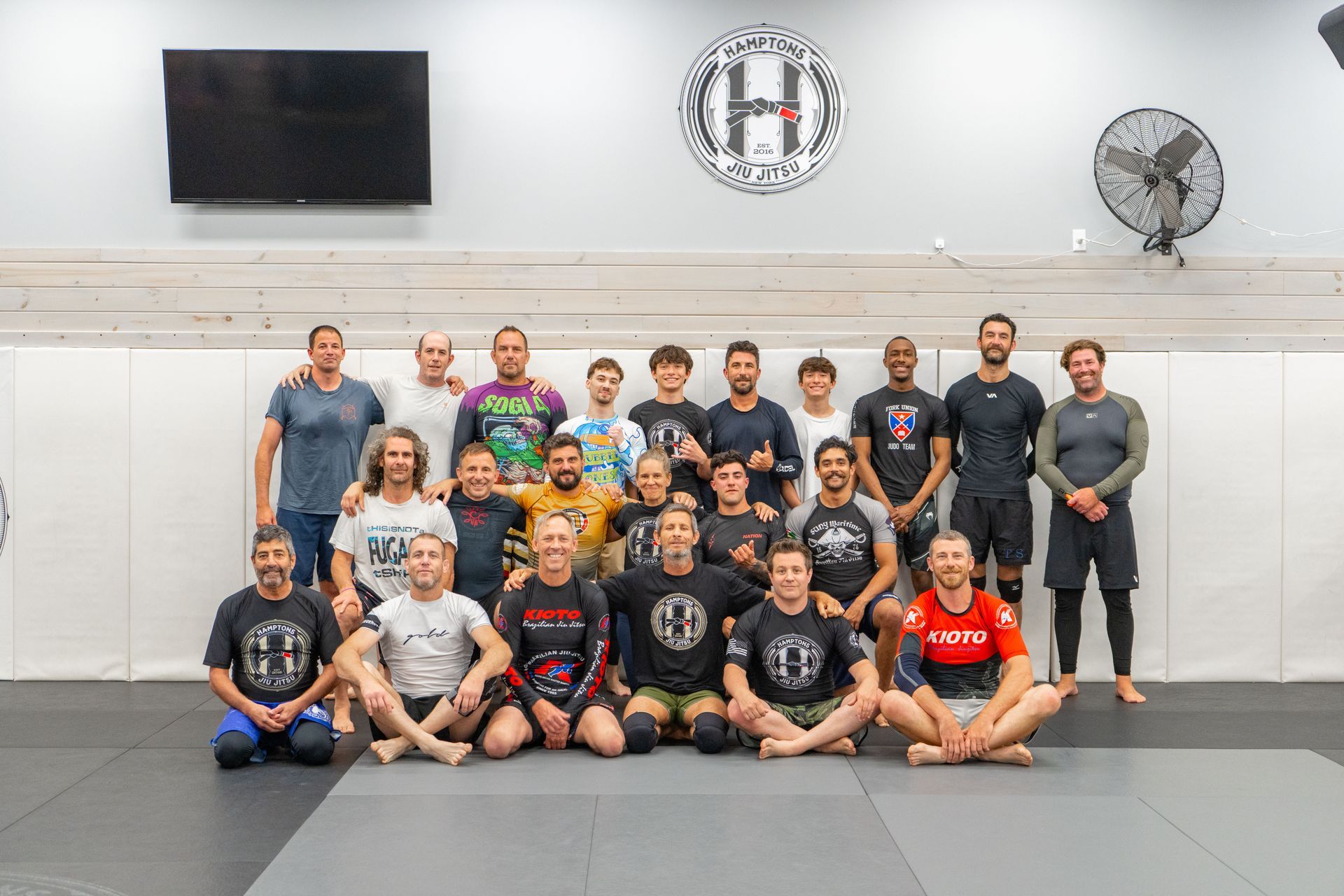
A lot of adults assume they missed their window. In reality, many people start jiu jitsu in their 30s, 40s, and beyond. What matters most is consistency and smart training, not your athletic background. We coach adults to move efficiently, protect joints, and build fitness gradually. You can be strong, flexible, or neither, and still improve quickly if you show up and follow the process.
Teens often want something different from traditional team sports. Jiu jitsu gives clear feedback, personal accountability, and a sense of ownership. You cannot hide on the sidelines, but you also do not have to perform for a crowd. You just get a little better each class.
Gi vs no-gi: what you should know before your first class
We teach fundamentals that apply in both gi and no-gi. The gi slows things down a bit, which can be helpful for learning grips, control, and precise movement. No-gi tends to be faster and more slippery, with more emphasis on wrestling-style connections and body positioning.
High-level trends also tell an interesting story. Even in elite no-gi, champions commonly have strong gi backgrounds, because gi training builds control, patience, and detail. We use that idea in a beginner-friendly way: learn clean mechanics first, then learn to apply them at different speeds.
If you are also curious about mixed martial arts in Southampton, grappling fundamentals still matter. Even when striking is involved, the ability to control clinches, takedowns, and ground positions changes everything. We keep our instruction rooted in safe, practical fundamentals so your training stays useful no matter where your interests go.
Wrestling and takedowns: the modern shift we include safely
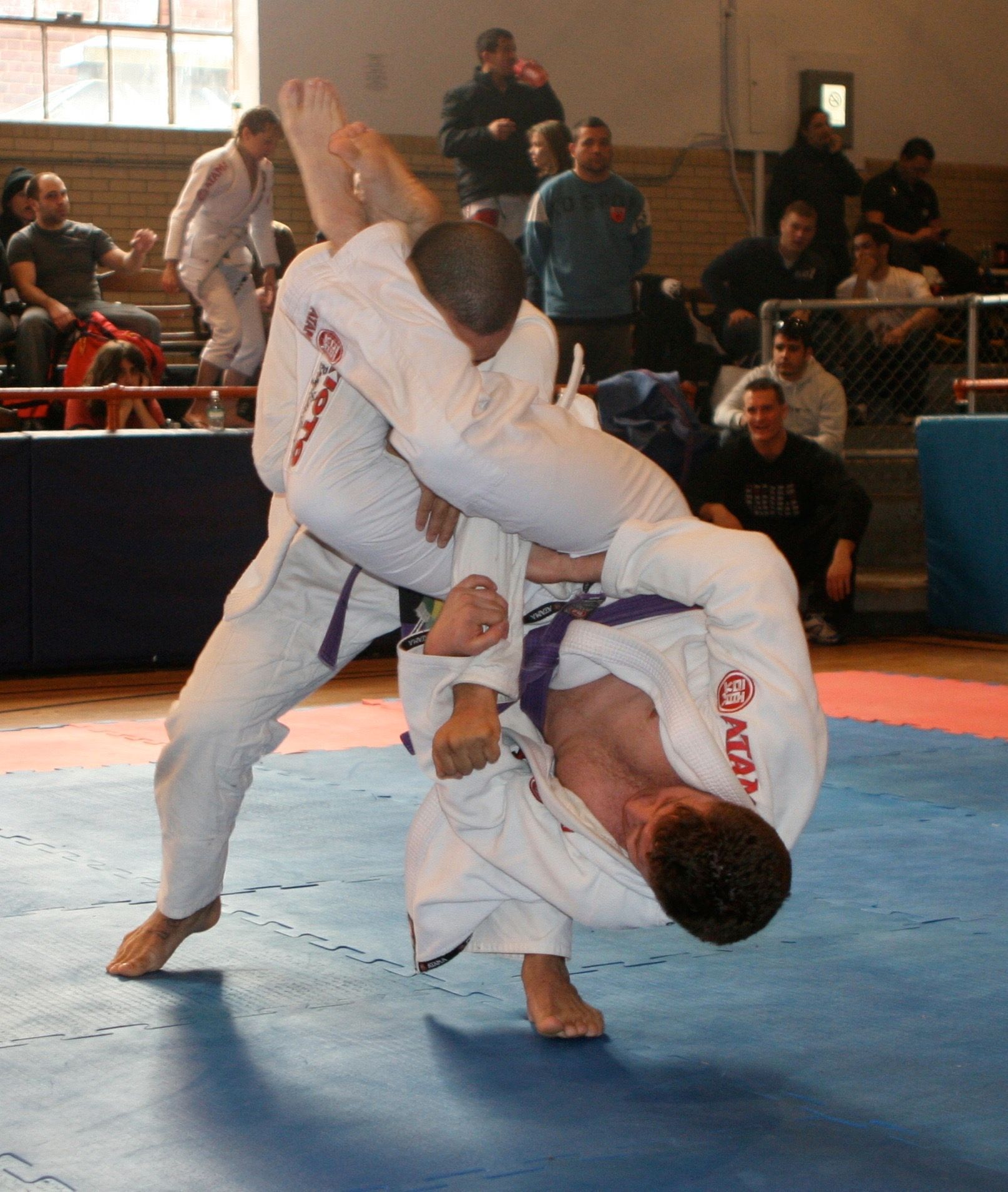
Jiu jitsu has evolved. Recent competition analysis shows more wrestling integration and more decisive takedowns, with ADCC 2024 featuring a heavy emphasis on wrestling-style entries and fewer prolonged guard exchanges. We follow those trends without throwing beginners into risky scrambles.
Standing work starts with basics: stance, balance, grip fighting concepts, and how to fall correctly. We add takedowns progressively, and we keep intensity appropriate to your experience. The goal is confidence, not collisions.
Injury concerns: how we keep training safer for beginners
It is smart to ask about injuries. Survey data suggests about 59 percent of athletes report an injury within six months, and beginners are more likely to get hurt in training than advanced students who understand pacing. We take that seriously.
Safety is not a single rule. It is a culture. We coach you to tap early, to avoid cranking submissions, and to choose training intensity that matches your recovery and experience. We also structure rounds and partner pairings to reduce mismatch problems. Your job is to communicate. Our job is to guide the room so communication is normal, not awkward.
A practical tip: if you are brand new, training two to three times per week is often a sweet spot. You improve steadily without feeling wrecked, and your body adapts in a healthy way.
What you can expect from our class experience
A good first class should feel organized and welcoming, but still real. We start with warm-ups that prepare your joints and movement patterns for grappling. Then we teach a small set of techniques with a specific theme, like escaping side control or maintaining mount. You drill with a partner, ask questions, and repeat enough to feel the mechanics.
Live training, when introduced, is coached. We do not believe in throwing you into a chaotic round and hoping you figure it out. Instead, we use positional sparring and clear goals so you learn faster. Over time, you gain the ability to stay calm under pressure. That is the confidence you came for.
Take the Next Step
If you want a steady path into jiu jitsu, we built our fundamentals program to meet you where you are and guide you forward with structure, safety, and real coaching. When you train consistently, confidence stops being an idea and becomes something you can feel in your posture, your decisions, and your ability to handle hard moments calmly.
At Hamptons Jiu-Jitsu, we keep training practical for kids, teens, and adults in Southampton, with classes that focus on high-percentage fundamentals, modern stand-up awareness, and a culture that respects your goals and your pace.
Take the next step in your martial arts progress and train consistently at Hamptons Jiu-Jitsu.
ACCESS OUR SCHEDULE
& EXCLUSIVE WEB SPECIAL
Secure your spot and get started today with our EXCLUSIVE offer!