The Ultimate Guide to Adult Jiu Jitsu: Skills, Goals, and Community in NY
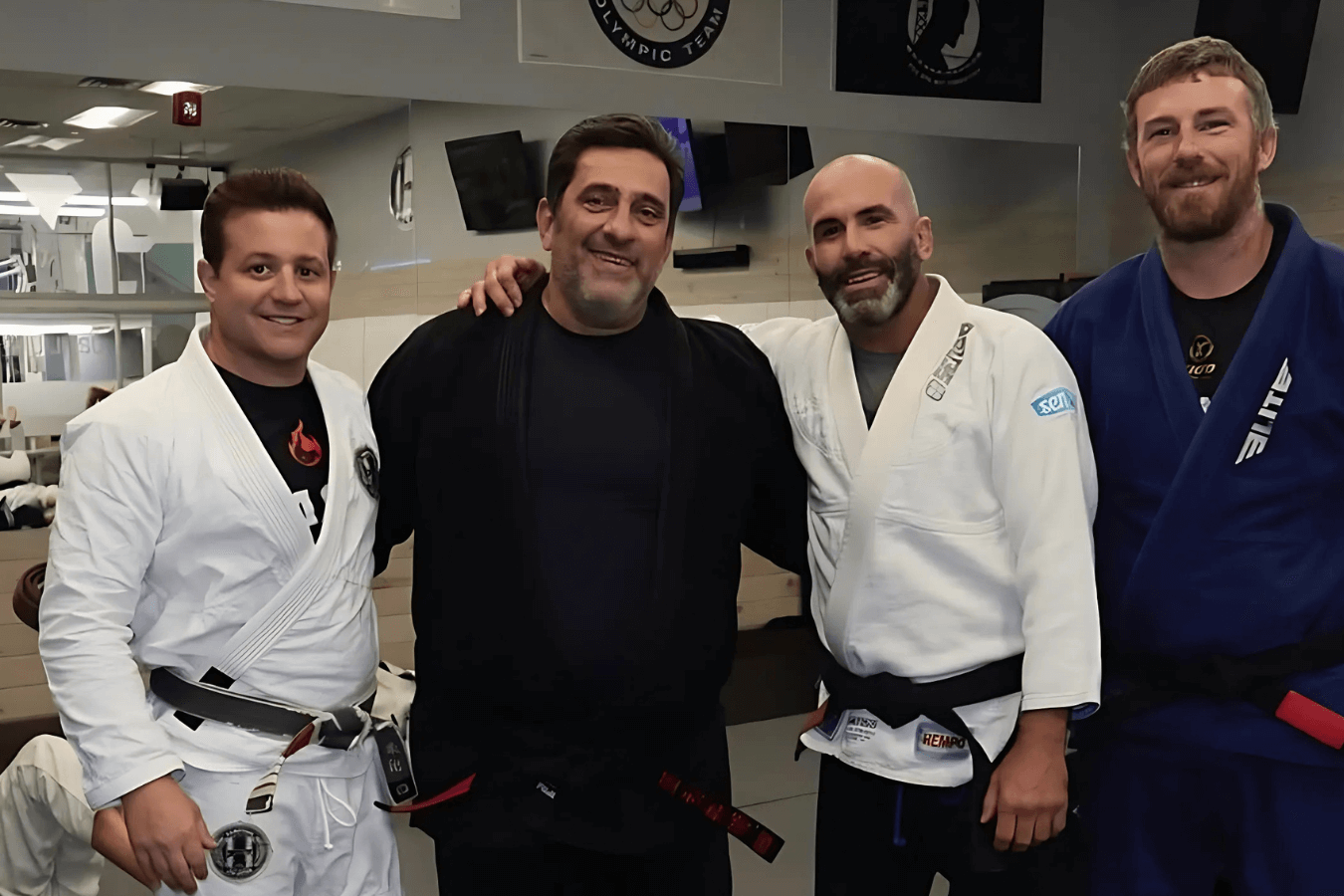
Adult jiu jitsu is one of the rare workouts that builds real skill, real composure, and real community at the same time.
Adult jiu jitsu keeps growing for a reason: it gives you a measurable skill you can improve for years, not just a sweat session you forget by lunch. Nationally, Brazilian Jiu-Jitsu has surged in interest over the last two decades, and studios across the US continue to expand, which mirrors what we see locally when adults look for training that feels purposeful and sustainable.
If you are exploring adult jiu jitsu in Southampton NY, our job is to make the path clear: what you will learn, how long it takes to feel competent, how to train safely, and what a good training community actually looks like when you walk in after a long workday.
This guide lays out the skills, the common goals adults bring to the mat, and the culture we build in class so you can decide how this fits into your life, not the other way around.
Why adult jiu jitsu is booming in New York and what that means for you
Brazilian Jiu-Jitsu is widely considered America’s fastest-growing combat sport, with search interest rising dramatically from 2004 to 2024. That growth is not just hype, it is a sign that adults want training that checks multiple boxes: fitness, self-defense, problem-solving, and a social outlet that does not revolve around screens.
In New York, especially on the East End, we see an additional layer: adults often balance high-pressure work, seasonal schedules, and family routines. Adult jiu jitsu fits because it is structured but flexible. You can train two days a week and build momentum, or train more consistently when your schedule opens up. You do not have to be an athlete to start, and you do not have to “get in shape first” to belong.
The other reason growth matters is quality control. With tens of thousands of studios operating nationwide, training culture and coaching standards can vary. We take the opposite approach of rushing people through. Our adult program is built around fundamentals, progressive resistance, and clear coaching so you learn skills that hold up under pressure, not just in drills.
What adult jiu jitsu actually teaches: a practical skill set, not just moves
It is easy to watch a highlight reel and think jiu jitsu is a collection of fancy submissions. In real training, the skill set is more like learning a language: posture, distance, timing, and problem-solving all stack together.
The core positions that shape everything
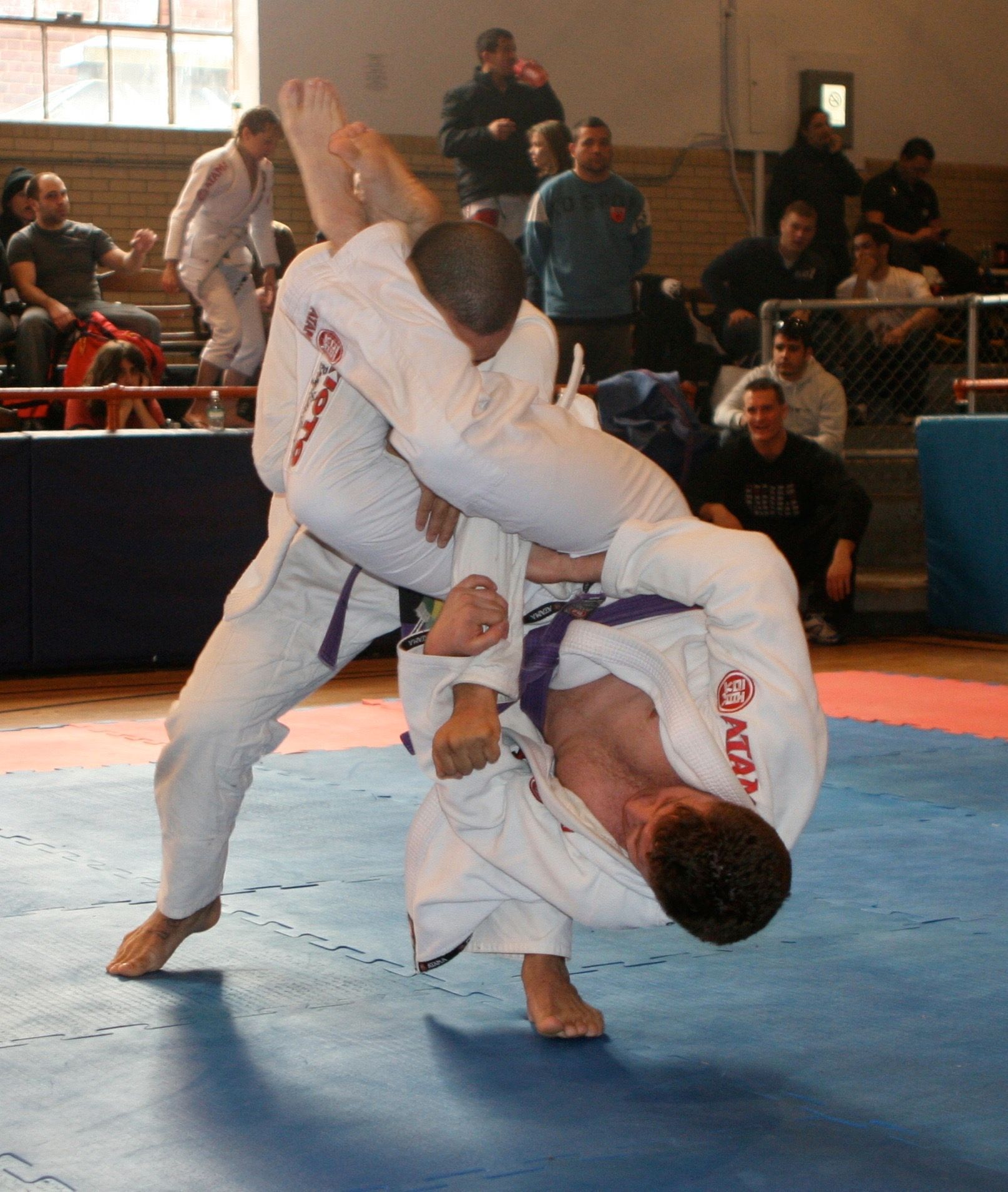
We teach you to understand positions first, because positions decide who has options. The fundamentals you will hear constantly include guard, side control, mount, back control, and standing clinch and takedown ranges. Once you know what “good” feels like in those spots, you stop panicking and start making decisions.
A big part of our coaching is teaching you what to prioritize when you are tired. You will not remember a ten-step sequence in a stressful moment. You will remember “protect your neck,” “win inside position,” “build frames,” and “get to your hips.” Those are the kinds of cues that make adult jiu jitsu useful in the real world.
Why chokes and control dominate high-level results
Competition trends support what we teach: chokes remain a dominant finishing method at the highest levels, and wrestling-style takedowns have become increasingly important for establishing top control. At the same time, certain techniques you might hear about online are far less common than you would expect. For example, the omoplata is relatively rare in submission statistics, which is a helpful reminder that “popular” is not always “high percentage.”
We still teach a broad game, but we guide you toward what works consistently: control, leverage, clean mechanics, and submissions that match your body type and comfort level.
Setting realistic goals: fitness, self-defense, competition, and long-term mastery
Adults come in with different motivations, and we treat that as a strength. Your training should reflect your goal, not someone else’s.
Fitness that feels like a side effect, in a good way
Yes, you will get in better shape. But the change most adults notice first is work capacity and posture: you can move, breathe, and stay calm under load. Because rolling is interval-like and unpredictable, it often improves conditioning without feeling like you are doing “cardio for cardio’s sake.” Also, the mental engagement makes time go fast. A hard round can feel like 30 seconds and five minutes at the same time.
Self-defense that emphasizes control and decision-making
Self-defense is not about looking tough. It is about staying safe, creating space, and controlling situations without unnecessary harm. Jiu jitsu is uniquely suited for that because it focuses on leverage, positional control, and escapes.
In adult jiu jitsu, we prioritize:
- Escapes from pins and bad positions so you can get back to safety
- Clinch awareness and base so you do not fall apart when grabbed
- Top control and safe pressure so you can hold someone without striking
- Submissions as a last step, not the first, with a focus on control
Just as important, we talk about when not to engage. Good training includes awareness and restraint, not just techniques.
Competition as an optional, structured challenge
Not everyone wants to compete, and you do not need competition to progress. But if you like measurable goals, tournaments can be a clean way to focus your training. We help you build a simple game plan, tighten your fundamentals, and manage adrenaline. The win, honestly, is the process: training with intention, learning from rounds, and showing up with composure.
What to expect in our adult program in Southampton
If you are new, the most intimidating part is often walking in. Once you are on the mat, it becomes straightforward, because we run class with a clear structure and expectations.
A typical class flow
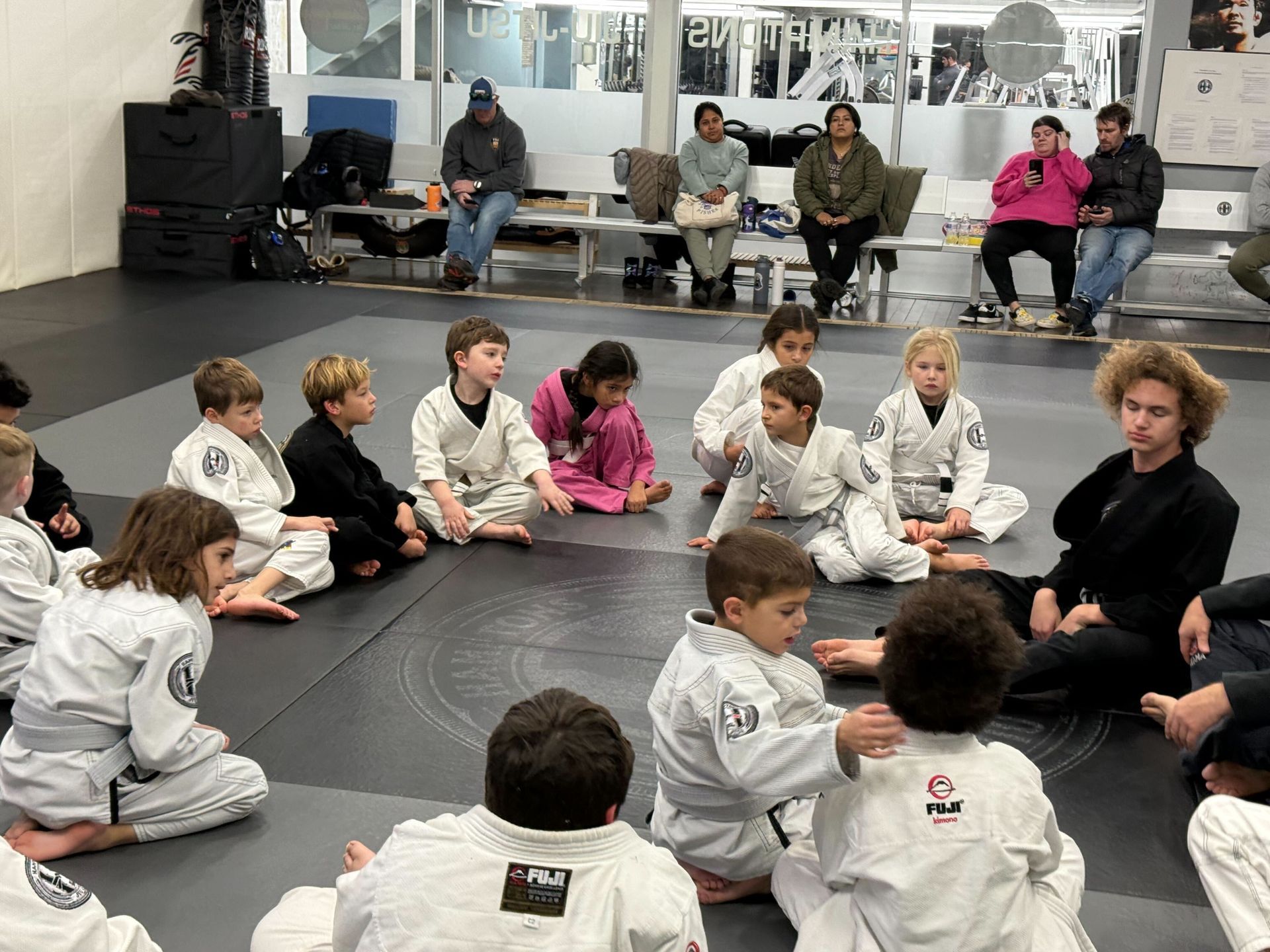
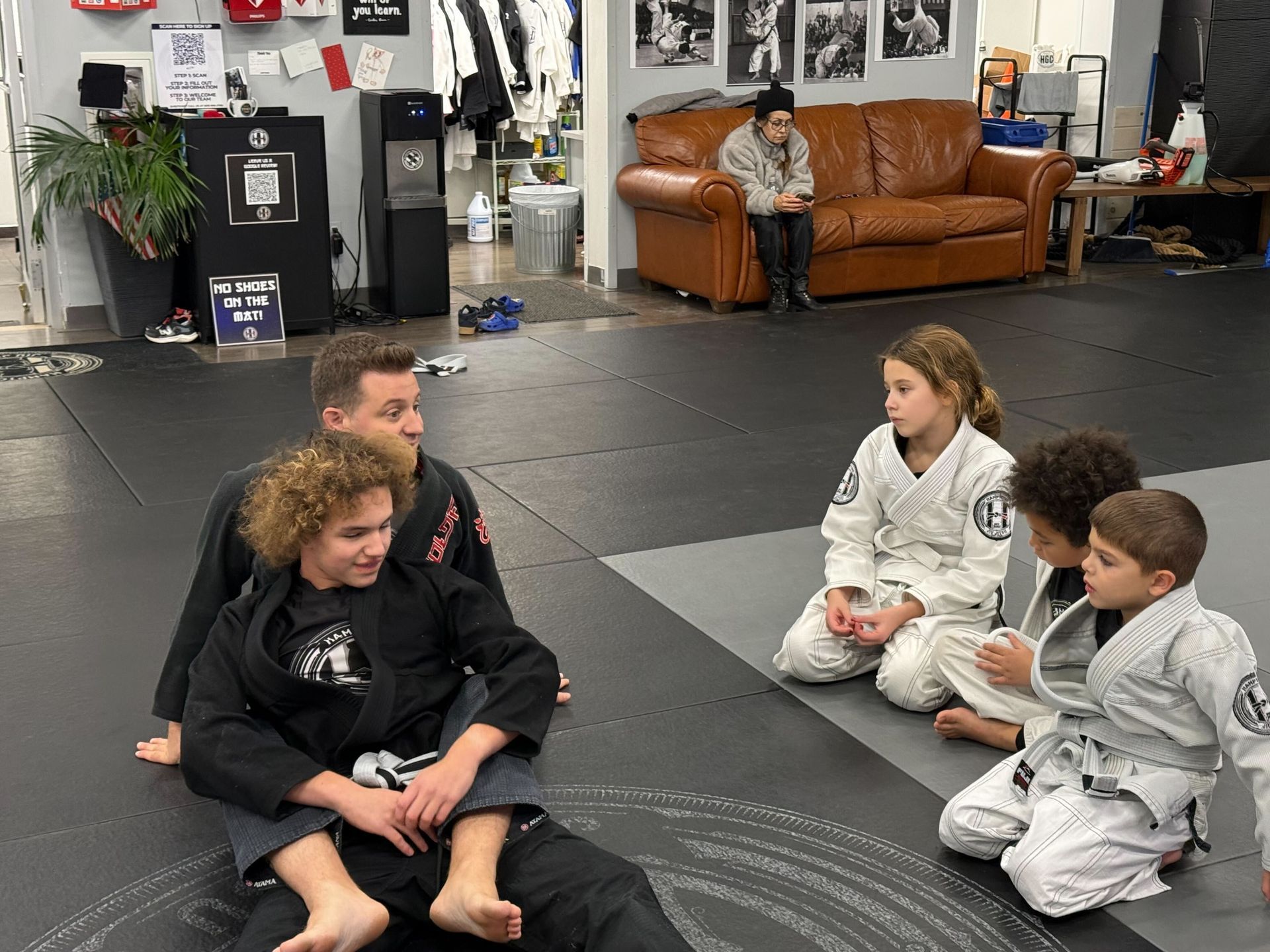
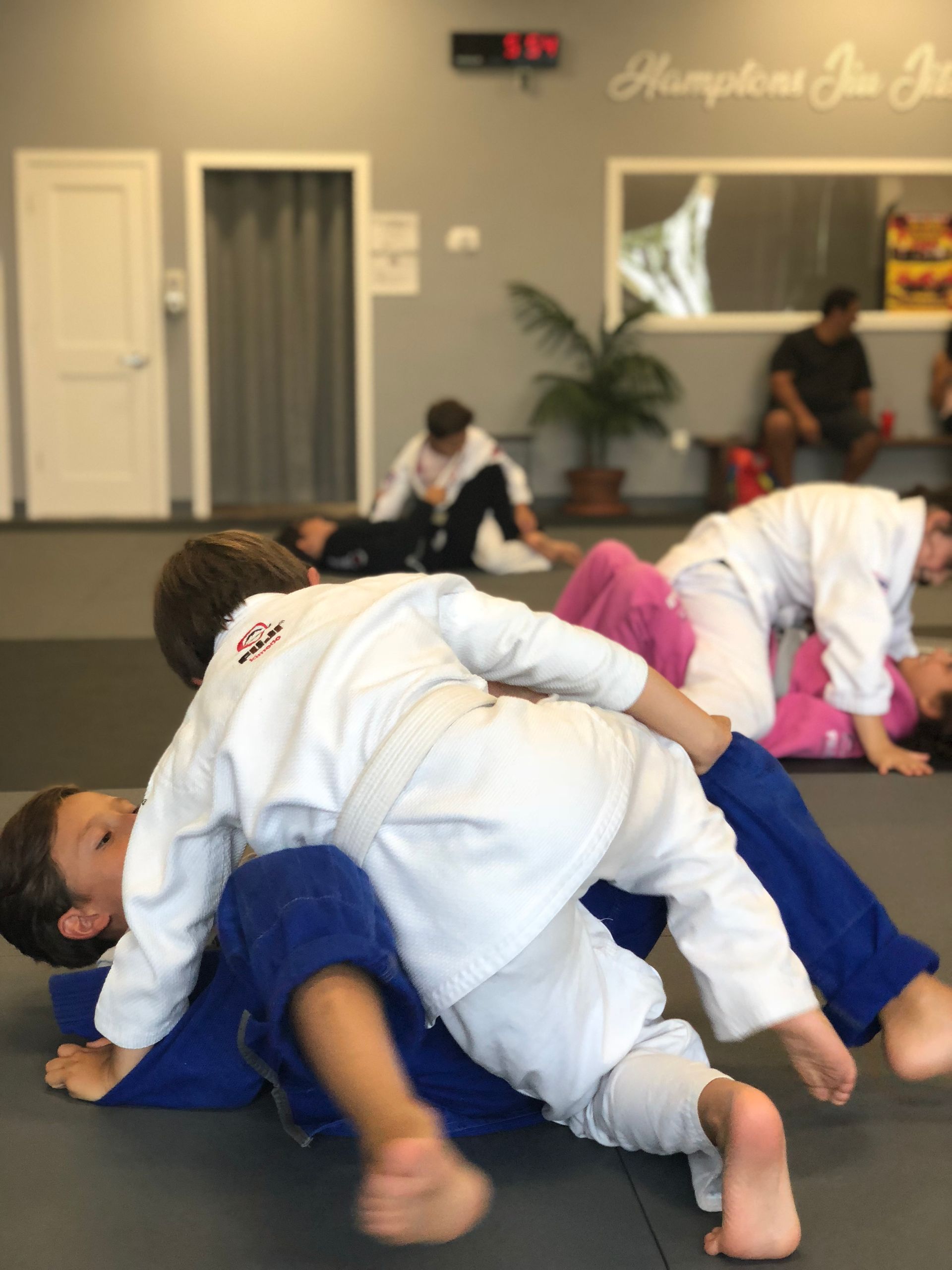
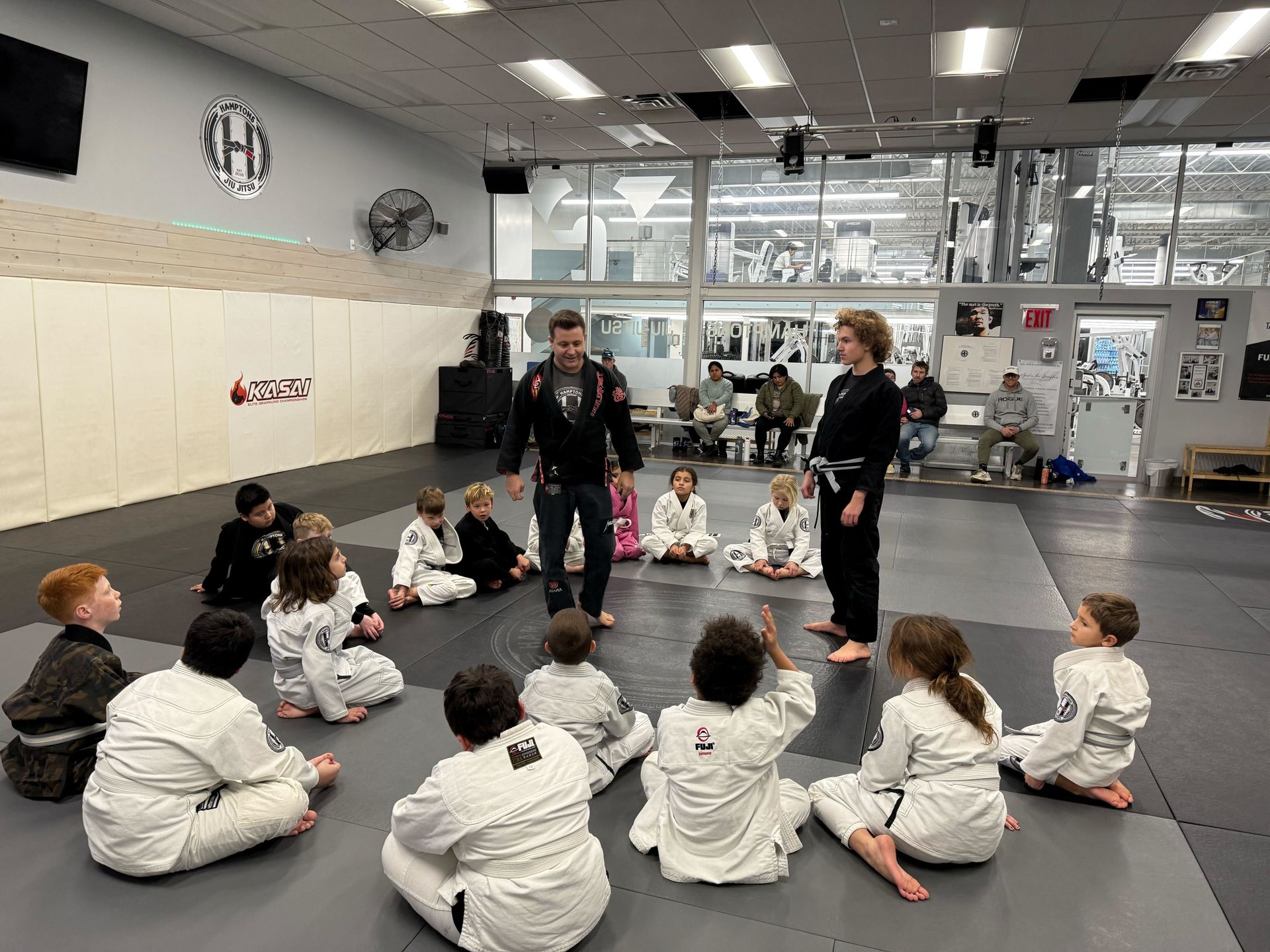
Most adult classes include a warm-up that reinforces movement patterns you actually use, technique instruction with details that matter, and then live training in a controlled format. We scale intensity based on experience so beginners do not get tossed into the deep end on day one.
Here is what we emphasize early in adult jiu jitsu:
- How to fall, frame, and move safely so your body adapts without unnecessary wear
- Basic guard retention and escapes so you can survive and reset
- Top pressure fundamentals so you learn control before chasing submissions
- One or two simple submissions with correct mechanics, plus how to tap safely
- Positional sparring so you get repetitions without chaos
As you improve, we widen the toolkit. The goal is steady progress, not a crash course.
Gi, no-gi, and how to choose what fits
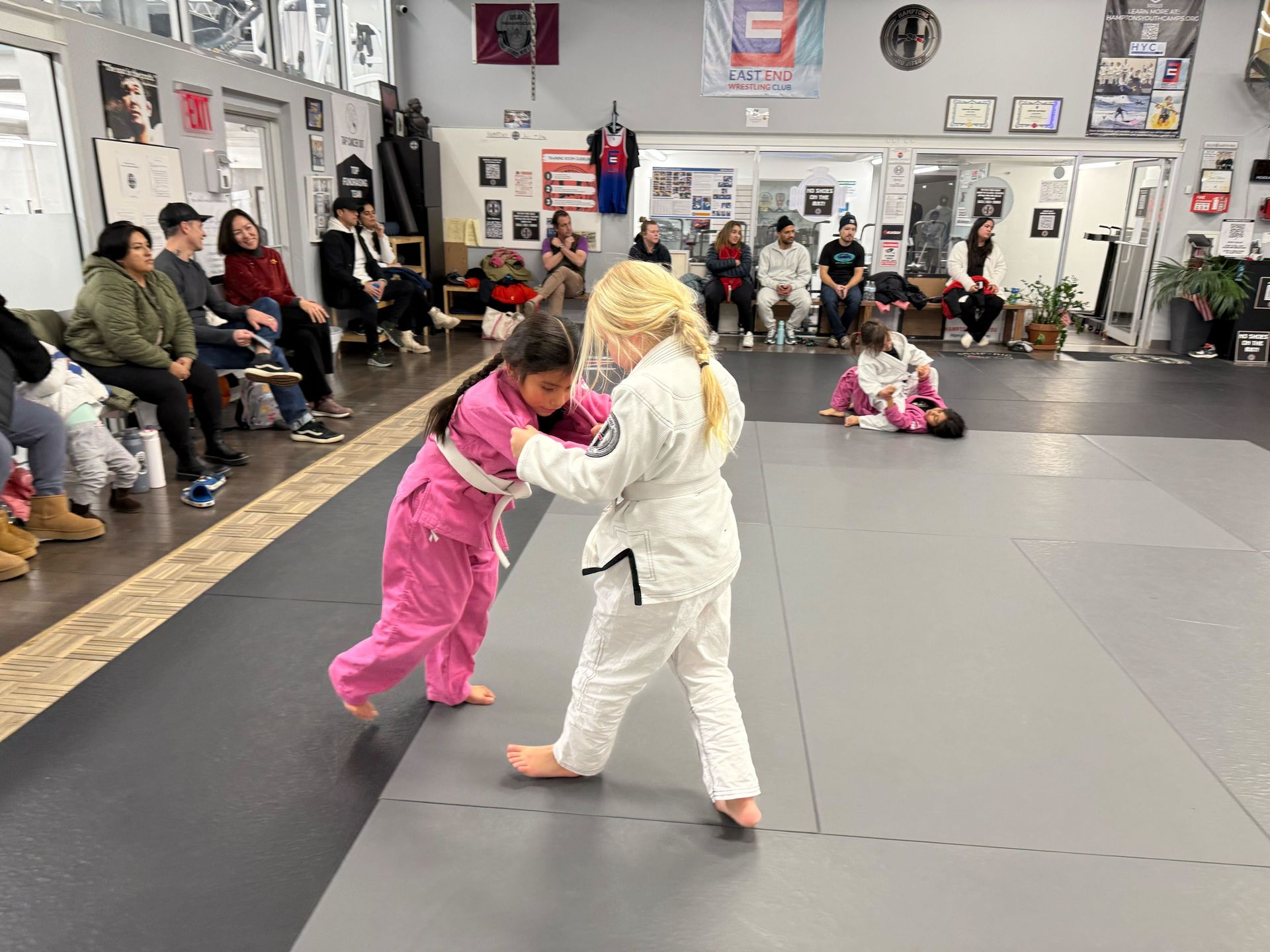
Some adults love the gi because it slows things down and makes grips and control more technical. Others prefer no-gi because it feels closer to wrestling and is more movement-heavy. We coach both with the same lens: fundamentals first, then personal style.
If you are not sure where to start, start where you feel comfortable. Consistency matters more than picking the “perfect” format. The best program is the one you will actually attend when it is cold outside and your calendar is full.
Progression for adults: how long it takes and how to stay consistent
Adults want timelines, and we respect that. Nationally, a typical practitioner is around 30 years old, often a blue belt, training roughly six hours per week over about three and a half years. That does not mean you need six hours weekly to improve, but it does give you a useful benchmark: consistent training compounds.
A simple progression roadmap you can use
You will move faster if you focus on a few themes rather than collecting random techniques. Here is a realistic way many adults progress:
1. Months 1 to 3: Learn survival skills, basic escapes, safe movement, and how to roll calmly
2. Months 3 to 9: Build a small set of reliable positions and one or two submissions you can finish cleanly
3. Months 9 to 18: Improve transitions, guard passing basics, and standing entries so rounds feel less stuck
4. Beyond: Develop your personal style, sharpen timing, and start solving “people problems,” not just position problems
That progression is not perfectly linear. You will have weeks where you feel unstoppable and weeks where you feel like you forgot everything. That is normal. We coach you through it, and the mat teaches patience in a way that is hard to fake.
Injury risk and how we reduce it for adult students
Jiu jitsu is a contact sport, and it is honest to say that injuries happen. Research suggests that more than half of athletes report some injury within a six-month period, with patterns that differ by experience level. That sounds alarming until you put it in context: many of those issues are minor strains and tweaks, and smart training reduces risk significantly.
We reduce injury risk by controlling intensity, teaching tapping culture, and building skills in phases. Beginners often get hurt when chaos meets ego, so we actively remove both. We also coach you to communicate. If your neck feels tight or your ribs are sore, we adjust how you train that day. You will still learn, and you will stay on the mat longer.
Practical safety habits we reinforce include:
- Tap early to joint locks and tight chokes, especially while learning escape timing
- Choose training partners who match your pace, and tell us if you are unsure
- Focus on frames and posture instead of muscling through bad positions
- Take rest seriously, because recovery is part of progress for adults
Adult jiu jitsu should build you up, not grind you down.
The community side: why people stay when life gets busy
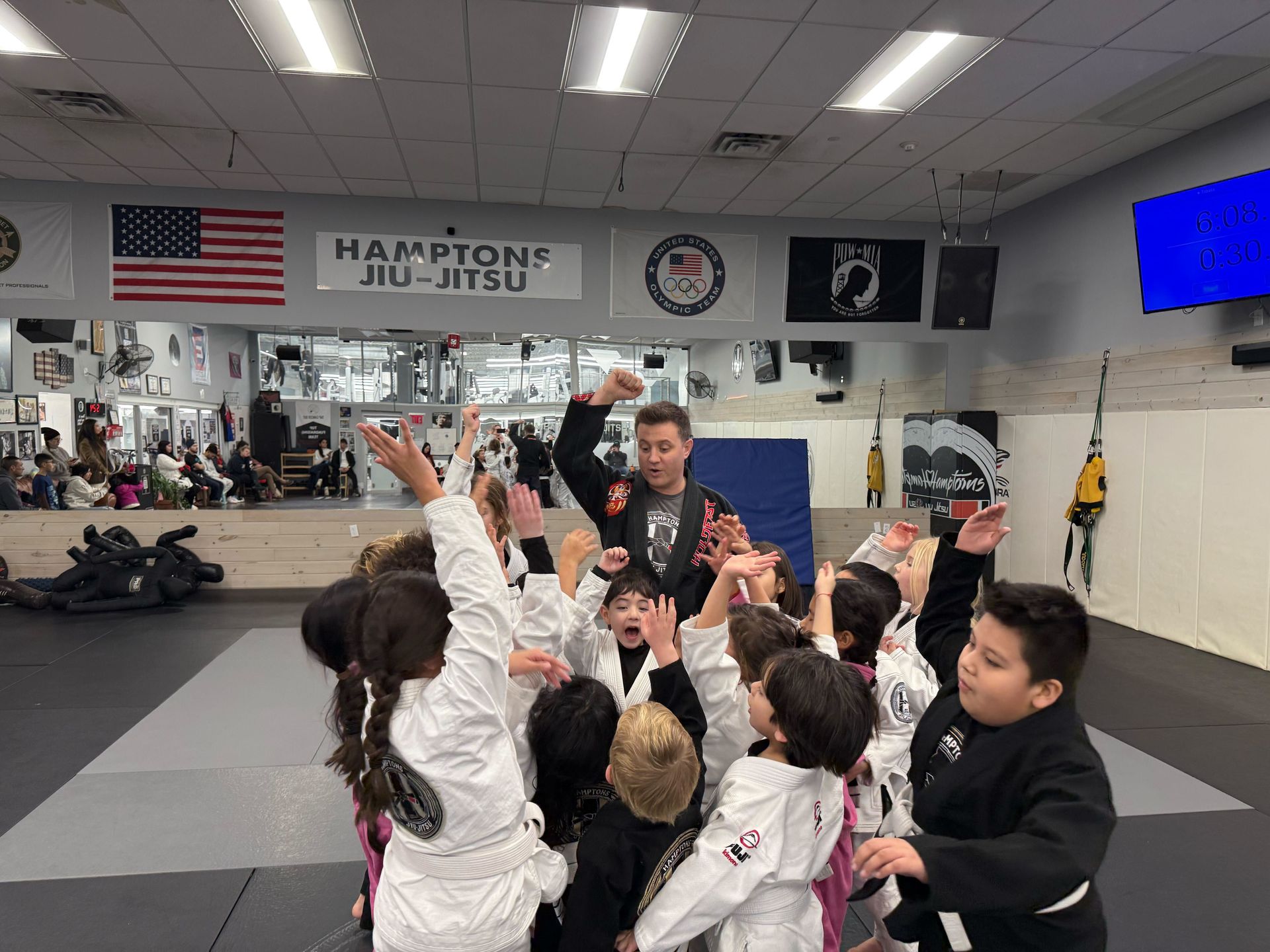
A lot of adults start for fitness or self-defense. Many stay because of the community. There is something grounding about walking into a room where everyone is working on the same difficult thing, helping each other improve, and leaving the mat a little lighter than when we arrived.
We build that culture deliberately. We learn names. We pair newer students with experienced partners who can keep training productive and safe. We keep standards clear: respect, control, and consistency. You do not need to be loud to belong here. You just need to show up and do the work.
In Southampton, community matters because schedules can be isolating. Adult jiu jitsu becomes a weekly anchor. You get a place to train, to think, to laugh a bit between rounds, and to feel progress you can measure.
Getting started: gear, etiquette, and the first week
You do not need much to begin. If you start in the gi, you will eventually want a gi that fits well. For no-gi, a rash guard and shorts without pockets are a solid start. We can guide you on what to buy and what to avoid so you do not waste money.
For etiquette, keep it simple: arrive a little early, keep your nails trimmed, ask questions, and do not worry about being “good.” Your first week is about learning how class works and getting comfortable with contact and movement.
If you are looking for brazilian jiu jitsu in Southampton and you want adult training that respects your time and your body, we are ready for you.
Ready to Begin
Building real skill takes more than enthusiasm. It takes a plan, a safe room to practice in, and training partners who want you to improve, not just survive the round. That is exactly what we focus on every day.
At Hamptons Jiu-Jitsu, we coach adult jiu jitsu with a fundamentals-first structure, options for gi and no-gi training, and a community that welcomes beginners while still challenging experienced students. If you want adult jiu jitsu in Southampton NY that fits into real life and still delivers real progress, we would love to train with you.
Continue your martial arts journey beyond this article by joining a class at Hamptons Jiu-Jitsu.
ACCESS OUR SCHEDULE
& EXCLUSIVE WEB SPECIAL
Secure your spot and get started today with our EXCLUSIVE offer!