7 Health Benefits Kids Gain from Youth Jiu Jitsu in Southampton
Youth Jiu Jitsu gives kids a healthier outlet for energy, emotions, and confidence, all in one place.
In Southampton, we meet a lot of parents looking for something that checks more than one box: real physical activity, less screen time, better focus at school, and a community that feels grounded. That is exactly why Youth Jiu Jitsu has become such a practical choice for families who want their kids to feel better and function better, not just stay busy after school.
What surprises many families is how quickly the benefits show up. Sometimes you notice it the same day: calmer energy in the car ride home, easier bedtime, a kid who seems a little more settled in their own skin. Over time, the changes get more durable, because our classes build healthy routines around movement, breathing, and problem-solving.
Below are seven health benefits we consistently see kids gain through Brazilian Jiu-Jitsu in Southampton, along with what is happening under the surface that makes those gains stick.
Why Youth Jiu Jitsu works so well for kids in Southampton
Life here is beautiful, but it can still feel busy. School expectations, social pressures, and packed schedules can build up in a kid’s body as restlessness, irritability, or shutdown. Youth Jiu Jitsu gives kids a structured outlet where the rules are clear, the goals are simple, and effort is rewarded.
We also like the balance built into Brazilian Jiu-Jitsu. Kids learn to be strong without being reckless, competitive without being unkind, and confident without needing to dominate anyone. That balance matters, because health is not only about muscles or endurance. It is also about stress response, emotional control, and connection.
1. Stress and anxiety reduction through movement and breathing
One of the most immediate health changes families mention is a reduction in stress. There is data to back that up: 87.5 of youth BJJ participants show minimized anxiety. In practice, we see kids walk in a little wound up and walk out looking lighter, like the volume got turned down.
This happens for a few reasons. Physical movement helps regulate cortisol, and steady exertion supports endorphin release. On top of that, we coach controlled breathing during challenging moments, especially when a drill feels tricky or when kids feel pinned. That combination creates a real reset button for the nervous system, and kids start recognizing what calm feels like on purpose, not by accident.
What this can look like week to week
A child who used to spiral after a tough school day may start handling frustration more smoothly. You might also notice fewer stomachaches that appear out of nowhere, improved sleep, and less emotional snapback when plans change.
2. Boosted confidence and self-esteem through earned progress
Confidence is not something we try to hype up with speeches. We build it through skill. Research aligns with what we see on the mat: 96.4 report improved confidence as kids learn techniques, overcome challenges, and earn belt ranks.
In Youth Jiu Jitsu, kids get constant evidence that effort leads somewhere. They learn a movement, practice it, make it better, and eventually use it in a controlled live round. That sequence is powerful for self-esteem, because it is real. A kid who feels unsure in a classroom can still experience mastery here, and that sense of capability tends to travel with them.
Why belt progression matters for motivation
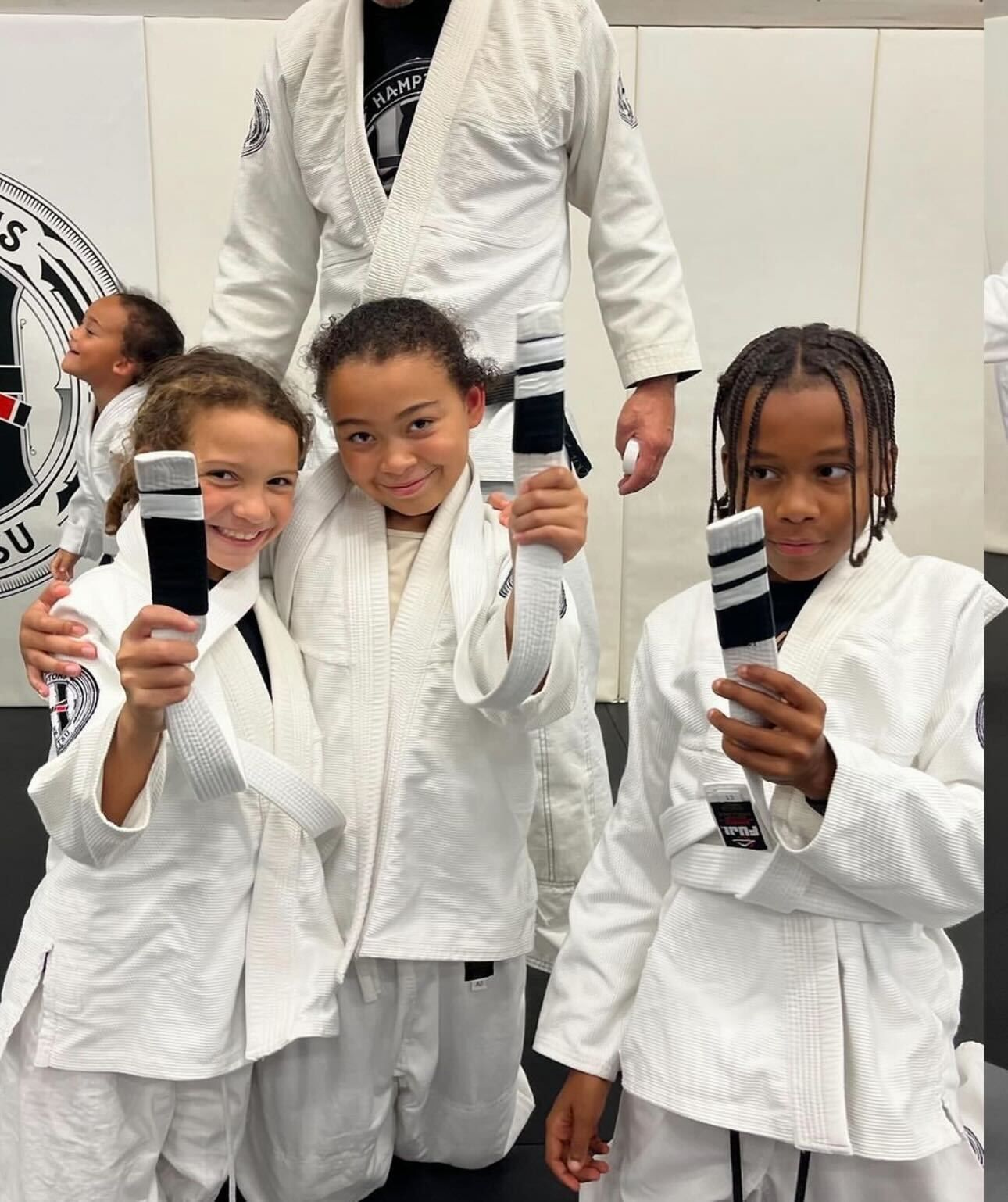
Belt ranks create clear milestones. Kids do not need to guess whether they are improving. They can see it in their technique, their composure, and eventually their promotions. It is a simple system, but it can be a big deal for a child who needs tangible wins.
3. Improved physical fitness, coordination, and body awareness
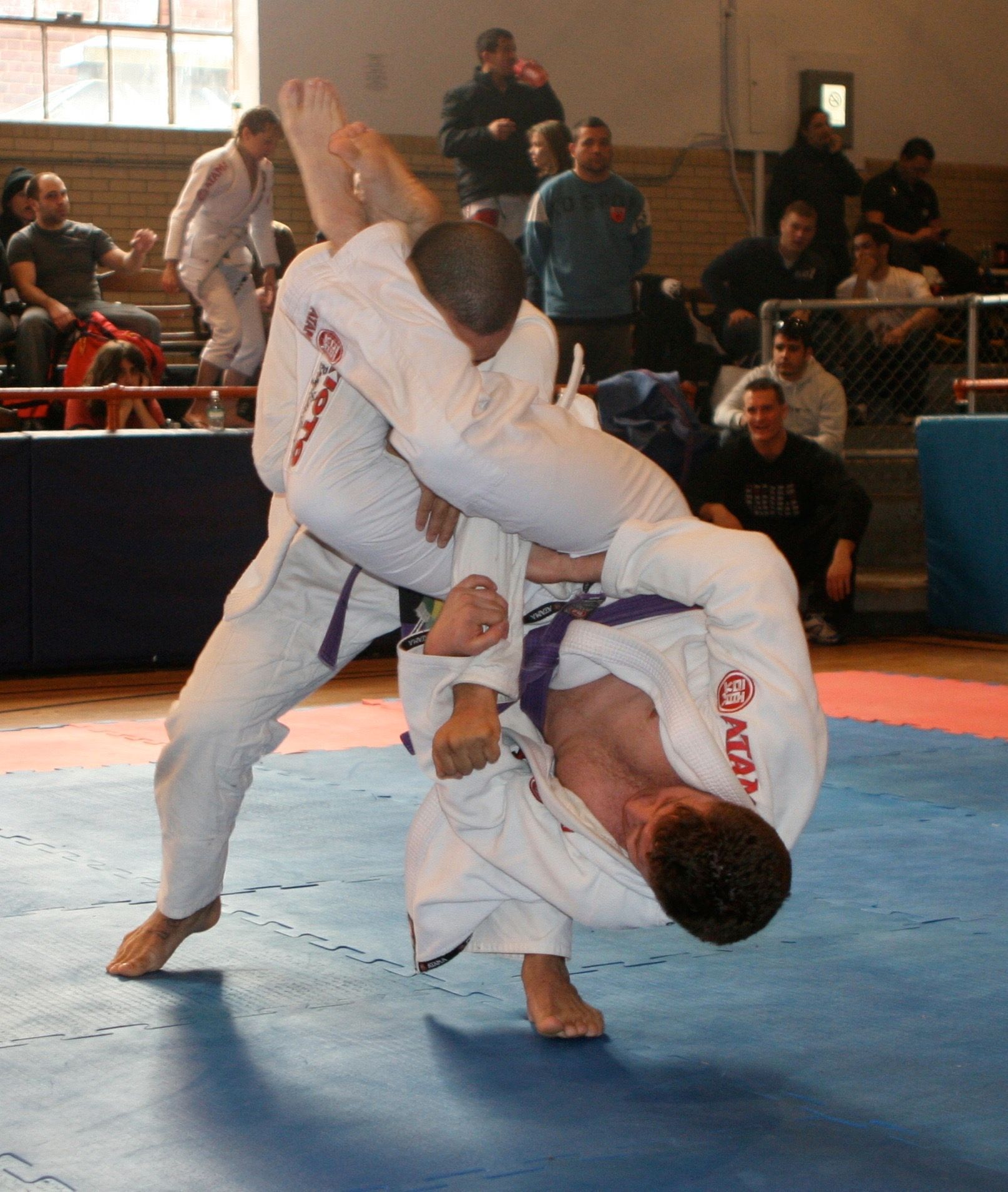
Brazilian Jiu-Jitsu is full-body training in disguise. Kids are crawling, bridging, rotating, balancing, and transitioning, often without realizing how much athletic development is happening. Over time, Youth Jiu Jitsu builds functional strength, core stability, flexibility, and cardiovascular endurance through dynamic movement.
We also pay attention to coordination and safe movement patterns. When kids learn how to base, how to fall safely, and how to move their hips with control, it supports healthier athletic performance in general. Even if your child is not interested in traditional team sports, these are foundational physical skills.
Fitness gains that parents notice outside class
- Better posture and core control when sitting or standing
- More stamina during active play, with less quick fatigue
- Improved balance and fewer clumsy collisions at home
- Stronger grip and shoulder stability from controlled drills
4. Enhanced focus and discipline that carry into school
Focus is a trainable skill, and Youth Jiu Jitsu trains it in a very practical way. Kids must listen for details, follow multi-step directions, and stay engaged even when a technique feels awkward at first. That is discipline in action, not discipline as a lecture.
In class, we build routines that reward attention: lining up, partner work, drilling sequences, and waiting respectfully for instruction. Kids learn patience and delayed gratification, because improvement comes from reps. Over time, we often hear that this translates to better classroom behavior, improved homework follow-through, and fewer power struggles around basic responsibilities.
The quiet win: learning to keep trying
A big part of focus is staying with a task when it is not immediately fun. When a child learns to work through a hard guard pass or a confusing movement pattern, we are also teaching persistence. That is a life skill, not just a martial arts skill.
5. Stronger self-defense skills without striking
Many parents want self-defense, but do not want their kids learning to punch or kick other children. Brazilian Jiu-Jitsu is a leverage-based grappling art, which means control and positioning matter more than size or strength. That makes it a practical, safer approach for kids, and it tends to feel more appropriate for youth settings.
Youth Jiu Jitsu teaches how to create space, how to escape holds, and how to use body mechanics to control a situation without throwing strikes. Kids also learn boundaries and safety awareness: when to disengage, when to get help, and how to avoid escalating conflict.
Why non-striking matters for real-world safety
In many school environments, striking can quickly turn an incident into a serious disciplinary issue. Grappling skills emphasize control and escape, which aligns with de-escalation and safer decision-making. For parents, that usually means more peace of mind.
6. Better emotional regulation and healthier coping strategies
Kids feel big emotions before they know what to call them. Jiu-jitsu gives those emotions a place to go. When kids train, they encounter moments of pressure, excitement, frustration, and surprise in a controlled setting. That is valuable practice, because they can learn how to respond instead of react.
We coach kids to recognize overwhelm early: tight breathing, rushing, panicking, freezing. Then we guide them back to basics: posture, breathing, small steps. Over time, that becomes a coping pattern they can use elsewhere. Youth Jiu Jitsu is physical, yes, but it is also emotional education through repetition.
Small signs your child is regulating better
You may notice fewer meltdowns after setbacks, quicker recovery after disappointments, and a growing ability to explain what is wrong instead of acting it out. It is not perfect overnight, but the direction is often clear.
7. Greater social connection through teamwork and respect
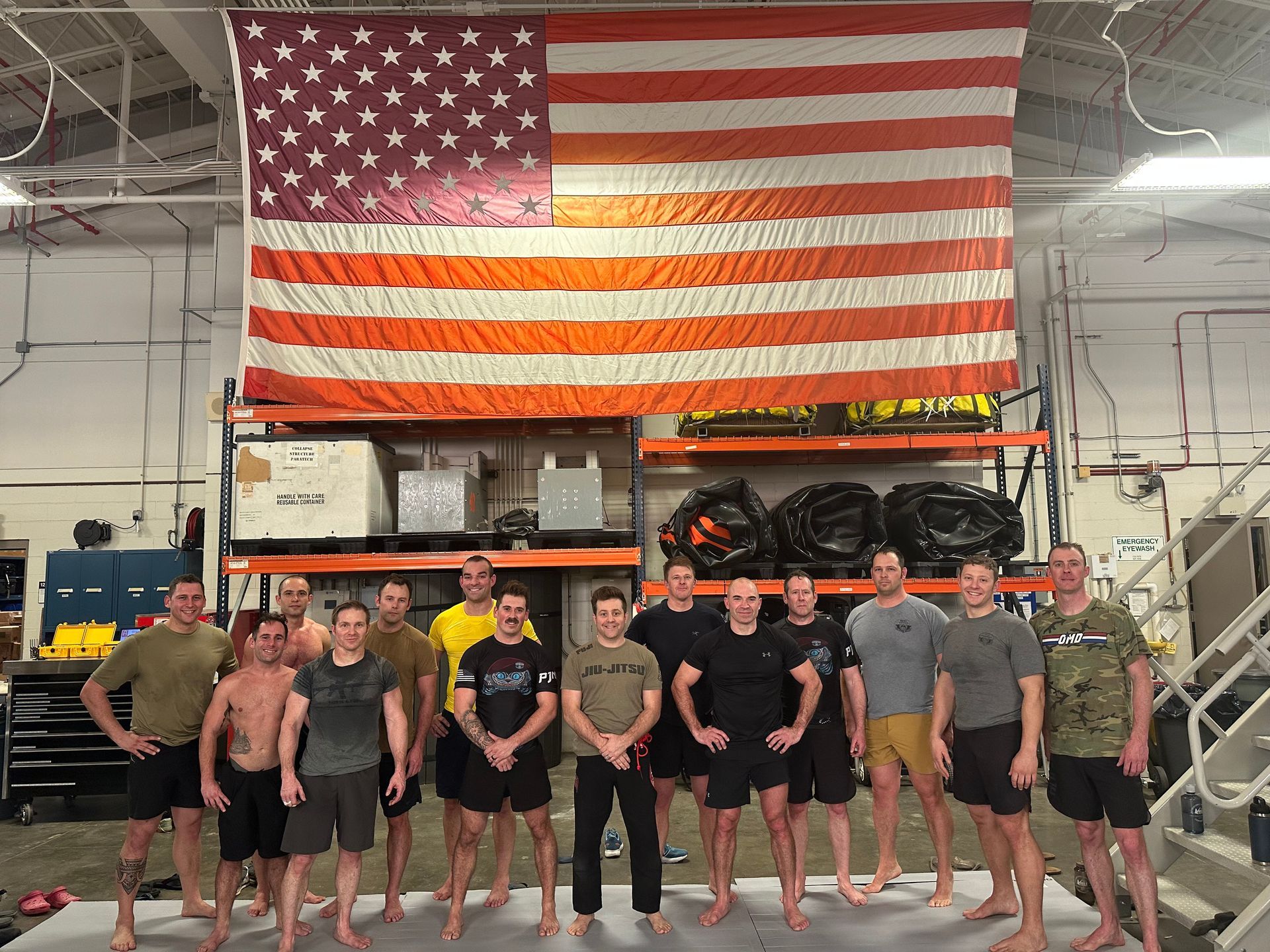
Even though Jiu-Jitsu looks like a solo sport from the outside, kids train together constantly. Partner drills require communication and cooperation. Live rounds require trust and respect. And group warm-ups build a shared rhythm that helps kids feel like they belong.
This is especially meaningful for kids who are shy, new to the area, or unsure where they fit socially. In Youth Jiu Jitsu, everyone starts as a beginner. That creates a natural sense of empathy in the room, and kids learn how to be a good partner: taking turns, sharing space, using control, and encouraging each other.
Social skills we intentionally build in class
1. Listening and responding respectfully when a partner asks to slow down
2. Practicing turn-taking and fair play during drills and games
3. Learning sportsmanship, including how to win and lose appropriately
4. Building trust through safe contact and consistent class rules
5. Developing leadership as kids gain experience and help newer students
What to expect in our Youth Jiu Jitsu classes
Parents often ask what a typical class looks like, especially if their only reference point is noisy, chaotic youth activities. Our structure is consistent, which helps kids feel safe and helps you know what your child is doing each week.
A common class flow includes:
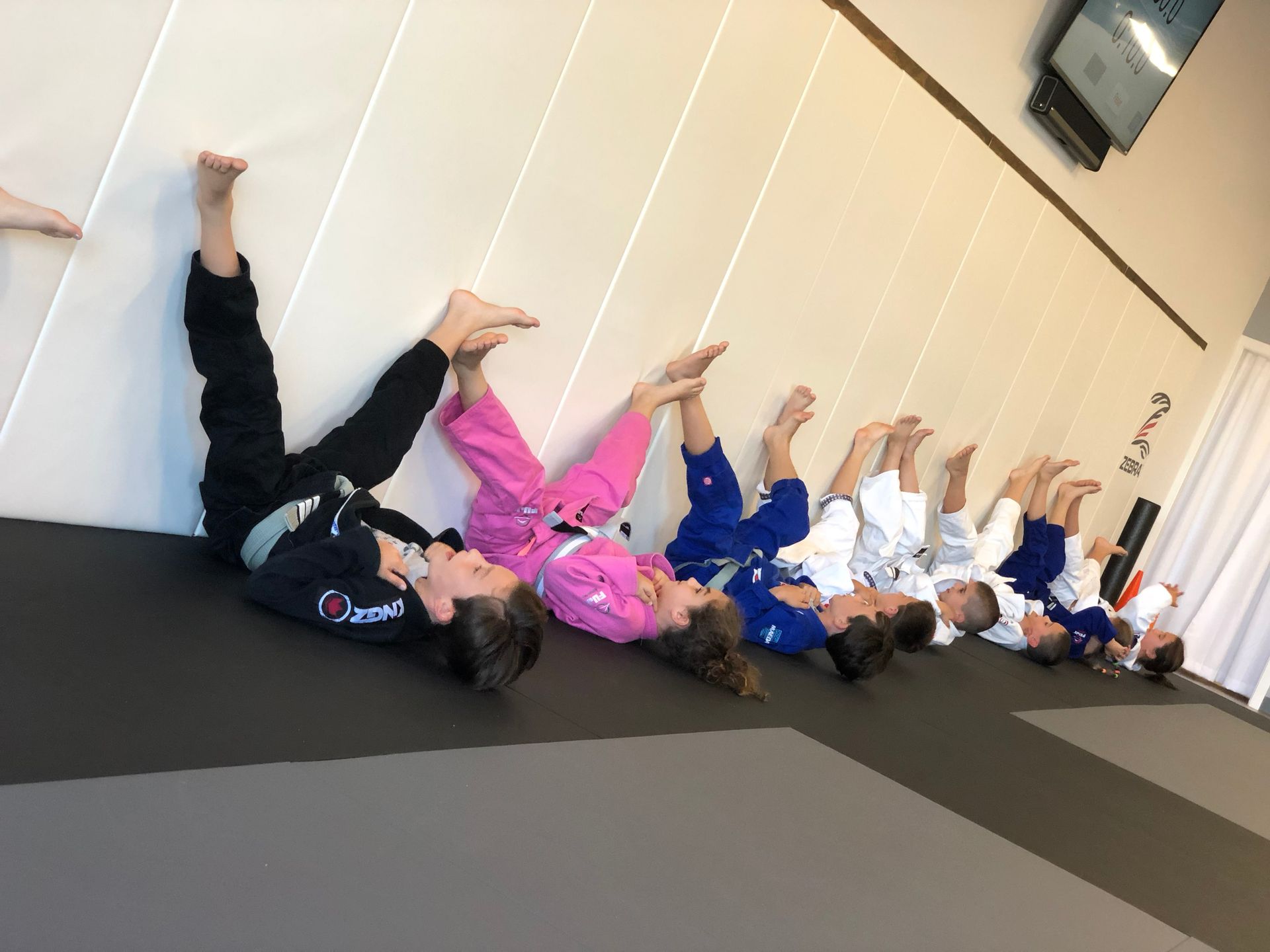
- Warm-ups that develop coordination, balance, and mobility
- Technique instruction with clear, age-appropriate details
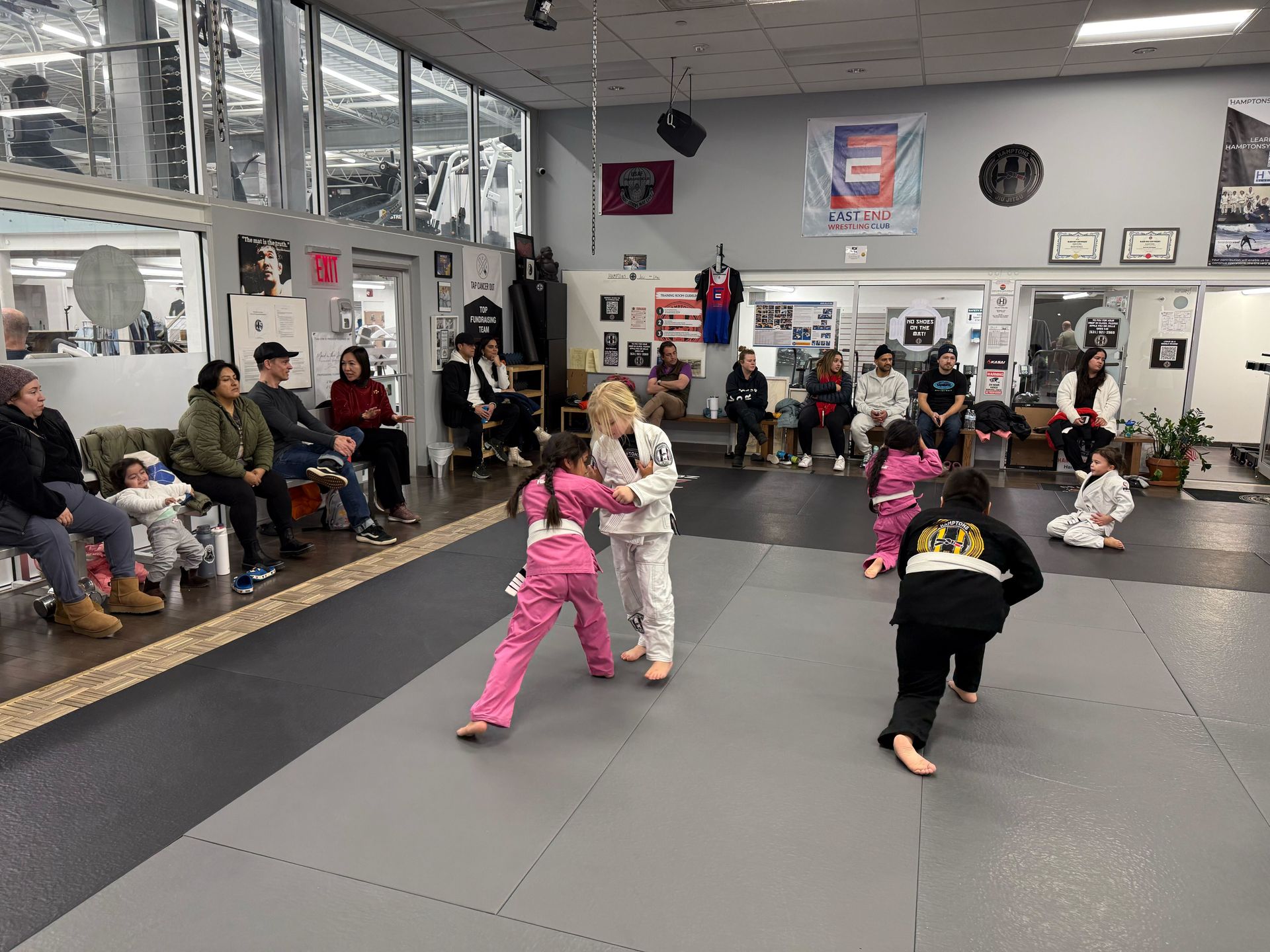
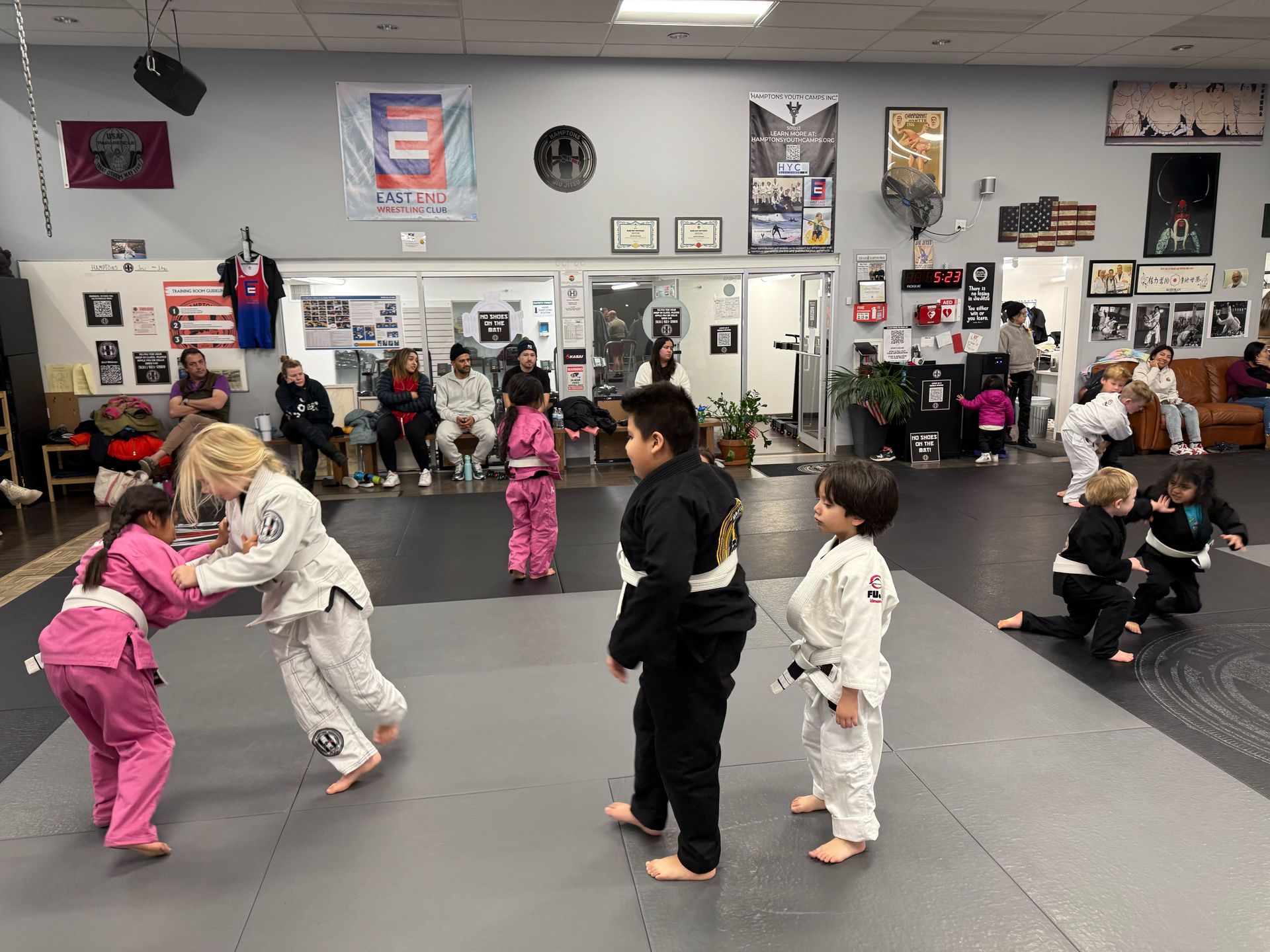
- Drilling in pairs so kids can build skill through repetition
- Controlled partner rounds where kids apply techniques safely
- A brief wrap-up that reinforces respect, effort, and next steps
We keep supervision tight, match partners thoughtfully, and emphasize safety habits from day one. If you are wondering whether Brazilian Jiu-Jitsu in Southampton is safe for young kids, our answer is yes, when it is taught with structure, control, and a kid-first approach.
Common questions Southampton parents ask us
Is Youth Jiu Jitsu safe for ages 4 and up?
Yes. We teach progressive skills, focus on control, and avoid striking. Kids learn how to move safely, how to tap, and how to respect boundaries.
How soon will we see results?
Many families notice improvements in mood and restlessness after one class. Deeper benefits like resilience, focus, and confidence build over weeks of consistent training.
Will this help with school focus?
Often, yes. The listening, patience, and step-by-step problem solving in Youth Jiu Jitsu translate well to classroom behavior and attention.
What if my child is anxious or not athletic?
That is common. We meet kids where they are, keep early wins realistic, and build comfort through routine. The goal is steady progress, not perfection.
Take the Next Step
If you want an activity that supports your child’s body, mind, and social health at the same time, Youth Jiu Jitsu is hard to beat. The combination of stress relief, confidence-building, functional fitness, and structured discipline adds up in a way most kids can actually feel, which is why families stay with it.
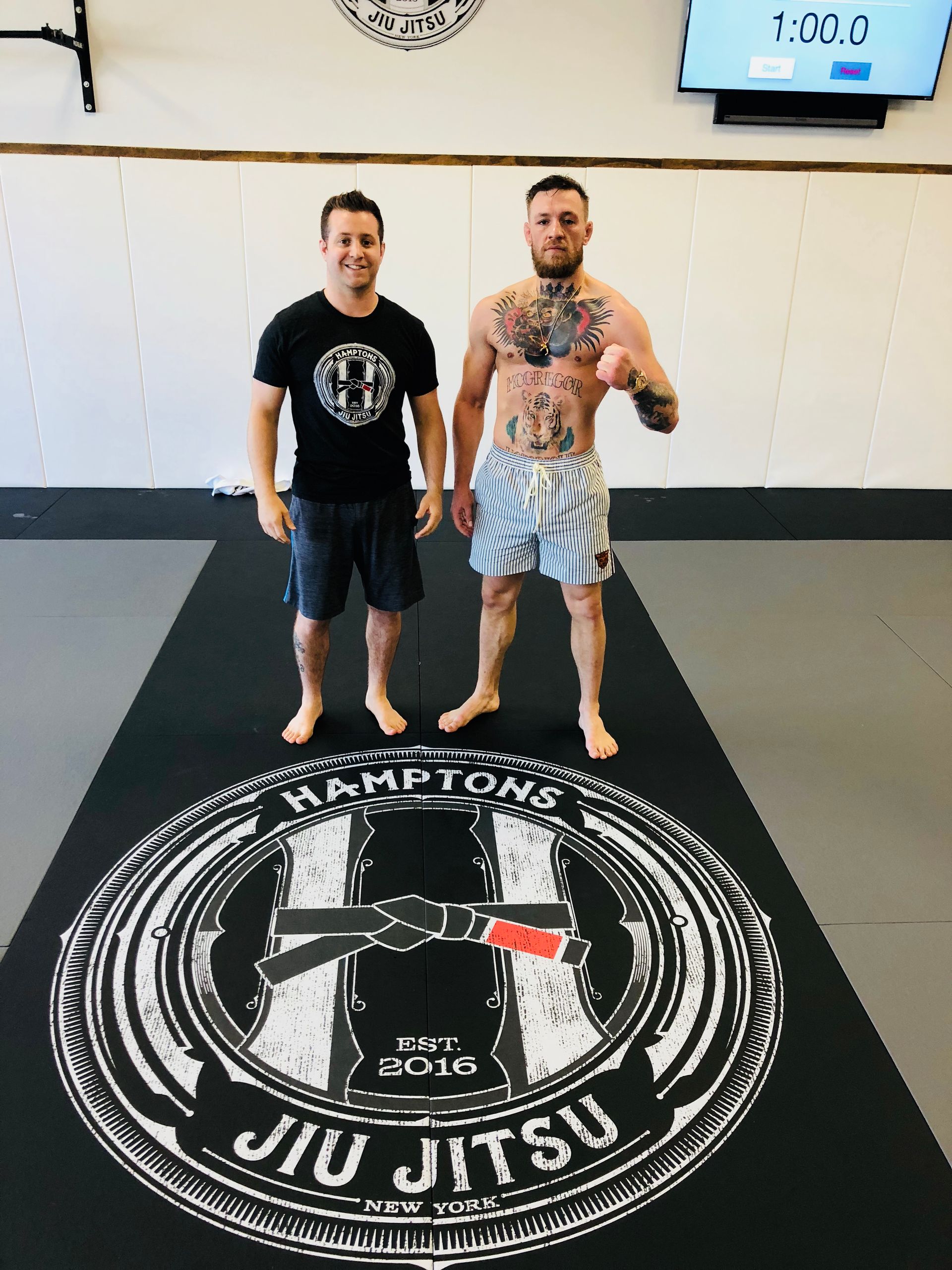
We built our youth program at Hamptons Jiu-Jitsu to serve Southampton kids with a safe, consistent training environment and clear progress markers that keep motivation strong. When you are ready, we would love to help your child get started and experience these benefits firsthand at Hamptons Jiu-Jitsu.
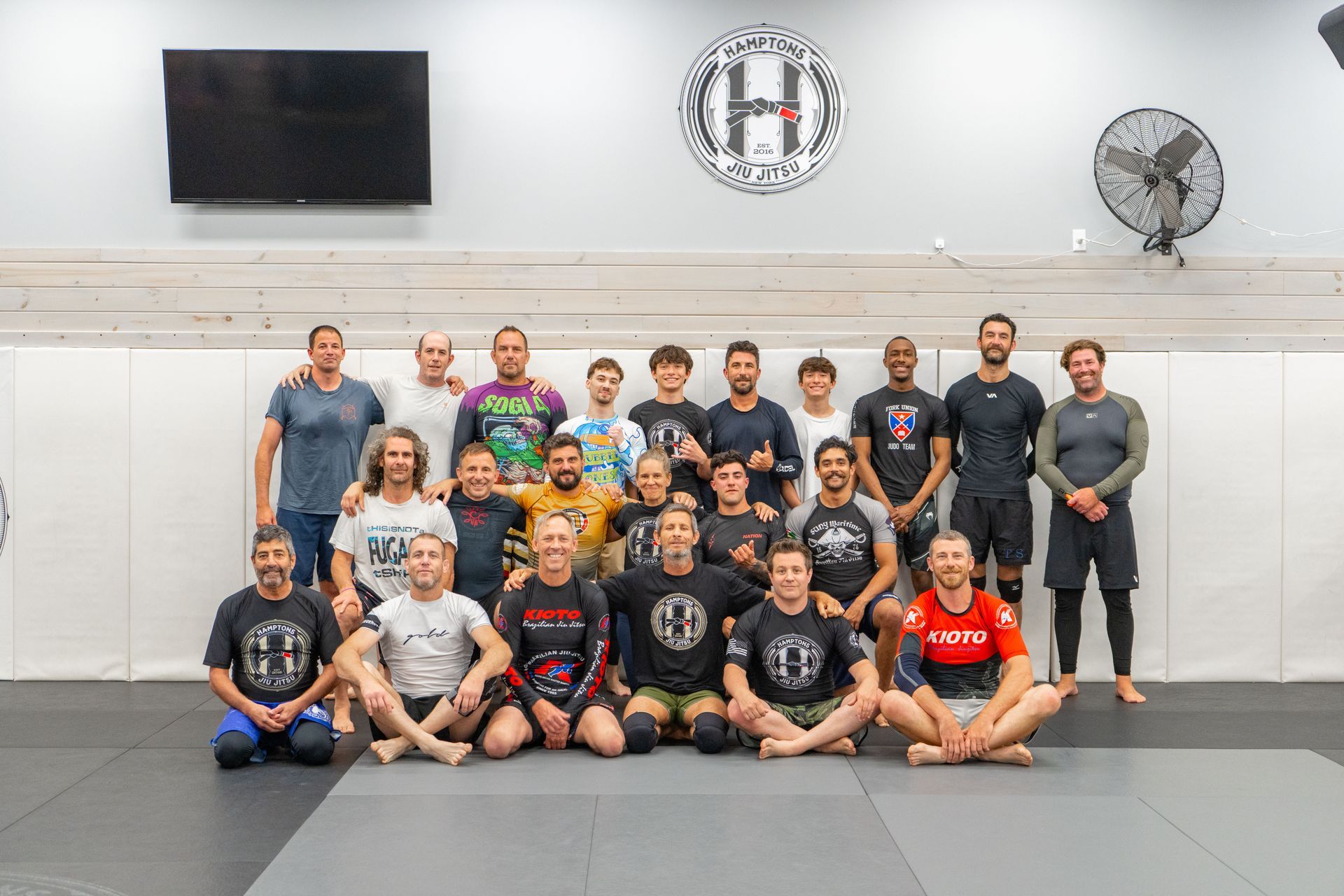
Become part of a welcoming team dedicated to growth, respect, and continuous improvement at Hamptons Jiu-Jitsu.
ACCESS OUR SCHEDULE
& EXCLUSIVE WEB SPECIAL
Secure your spot and get started today with our EXCLUSIVE offer!