A Parent’s Guide to Starting Youth Jiu Jitsu in Southampton, NY
Youth Jiu Jitsu gives kids a safe, structured way to build confidence, focus, and real-world resilience.
If you’re a parent in Southampton, you’ve probably noticed how quickly kids’ schedules fill up, and how hard it can be to find an activity that’s both healthy and genuinely useful. Youth Jiu Jitsu stands out because it’s not just exercise. It teaches children how to stay calm under pressure, follow directions, and keep trying when something feels tricky at first.
We also know parents want facts, not hype. Jiu Jitsu is practiced by around 6 million people worldwide, including roughly 750,000 in the United States, and interest has doubled in the past decade. That growth matters because it’s pushed youth programs to become more structured, age-specific, and safety-minded, especially in communities like ours here in Southampton.
This guide walks you through what to expect, how to choose the right starting point, what “safe training” really means for kids, and how to use the class schedule and program options to make Youth Jiu Jitsu fit your family’s life.
Why Youth Jiu Jitsu is growing fast in Southampton
Youth Jiu Jitsu has become one of the fastest-growing martial arts for kids because it rewards problem-solving more than brute strength. Kids learn leverage, balance, and timing, which means smaller students can succeed without feeling overpowered. For many children, that’s an immediate confidence boost: the lesson is, “I can figure this out,” not “I have to be the toughest.”
In Southampton, we also see a strong demand for structured, in-person activities that give kids a break from screens and a healthy outlet for stress. Local youth challenges are real, from early exposure to online content to risky behaviors that show up as kids get older. Training gives your child a place where expectations are clear, effort is noticed, and progress is measurable week to week.
From a broader perspective, the industry has matured, too. The Brazilian Jiu Jitsu studio market in the U.S. is projected to reach $2.5 billion in 2026, with tens of thousands of businesses nationwide and steady growth. That doesn’t matter because of money, it matters because it’s created better coaching standards, better kids’ curricula, and more consistent programming.
What kids actually learn in Youth Jiu Jitsu (beyond submissions)
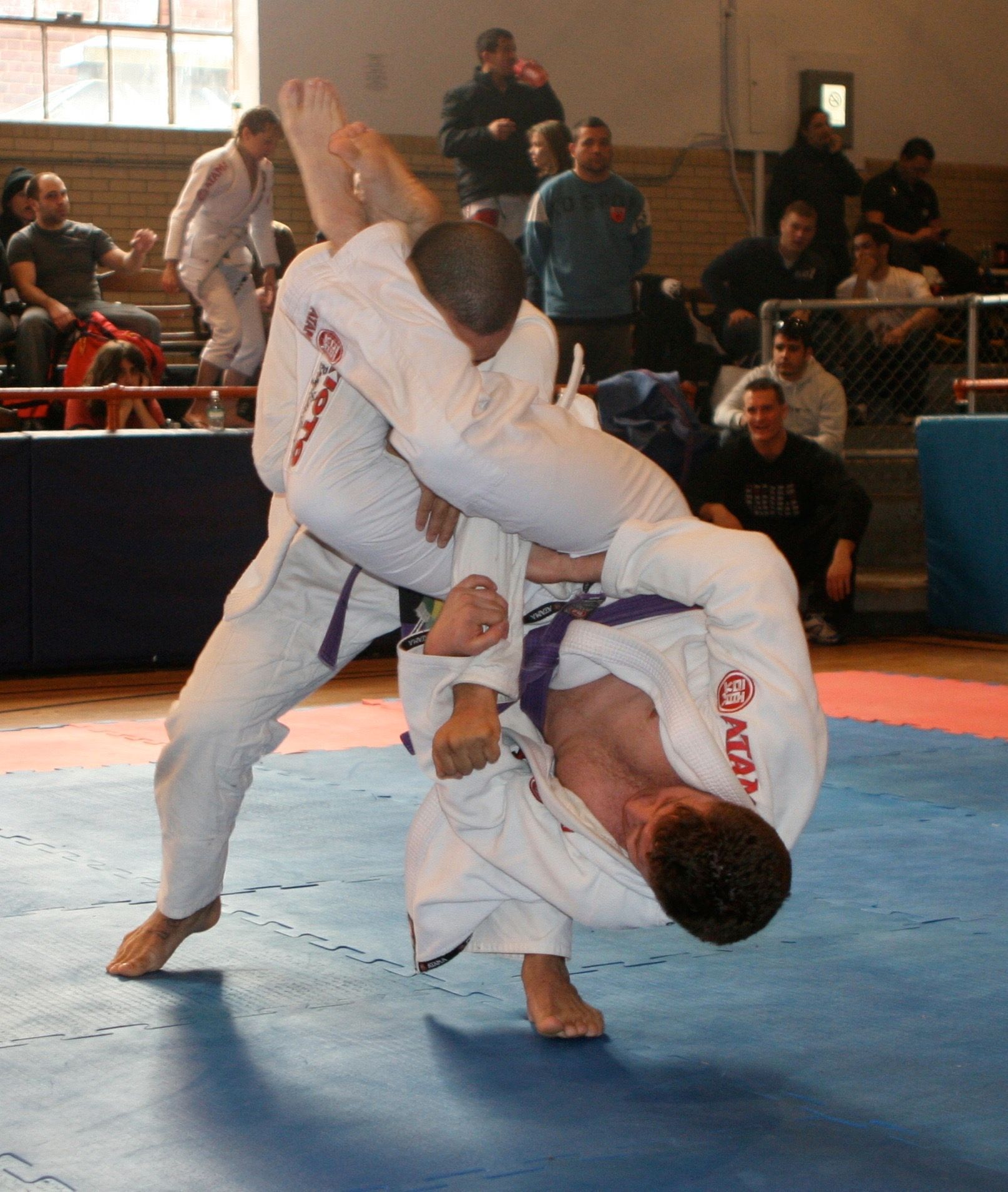
Parents sometimes hear “Jiu Jitsu” and picture a fight. What kids actually experience is a carefully coached learning environment where technique comes first, and intensity is scaled to the child.
Confidence that feels earned
Confidence in Youth Jiu Jitsu is specific. Your child learns a movement, practices it, makes mistakes, and improves. That process is the confidence. Over time, kids stop panicking when something is unfamiliar, because they’ve trained themselves to reset and try again.
Focus and listening skills
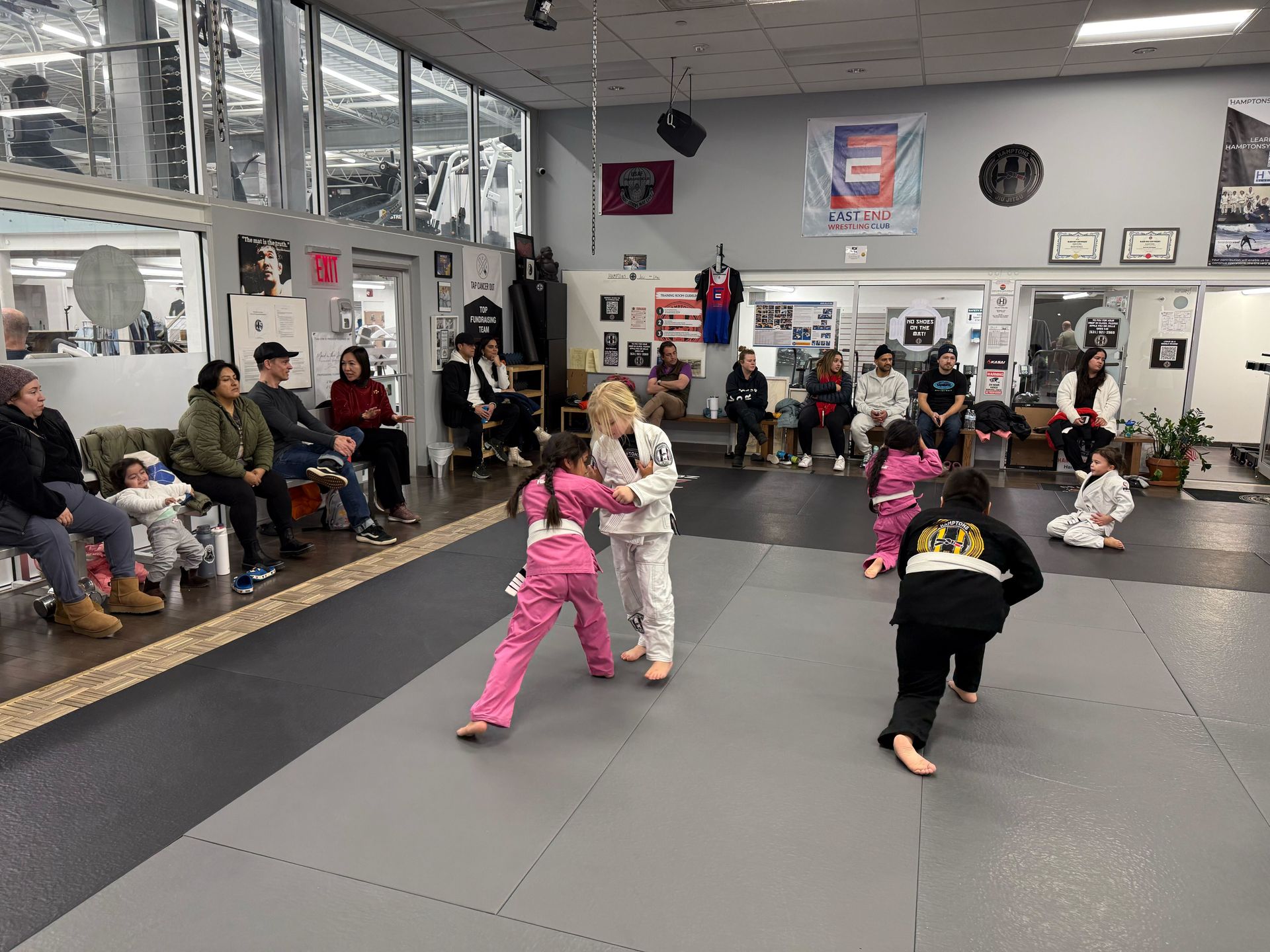
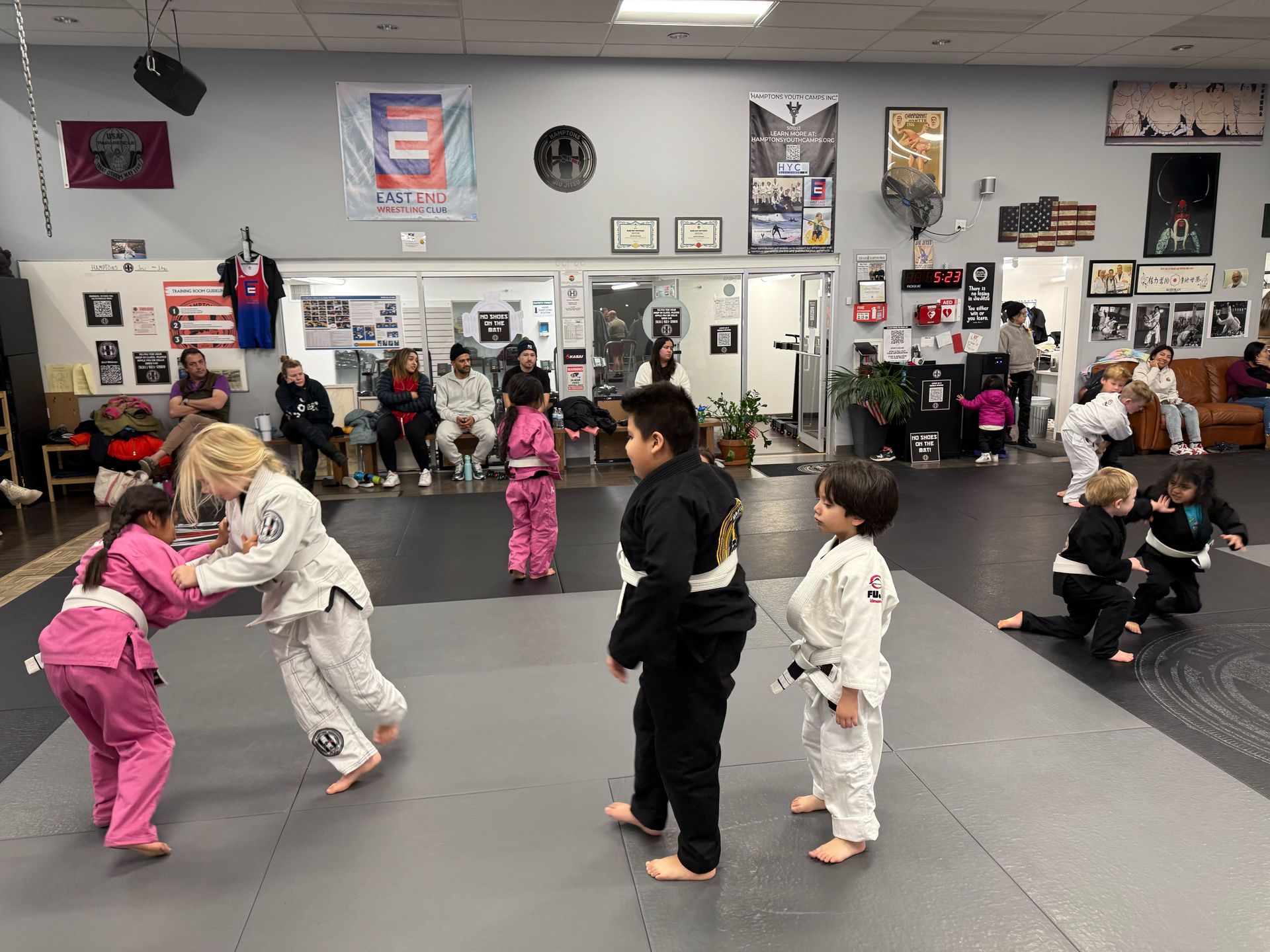
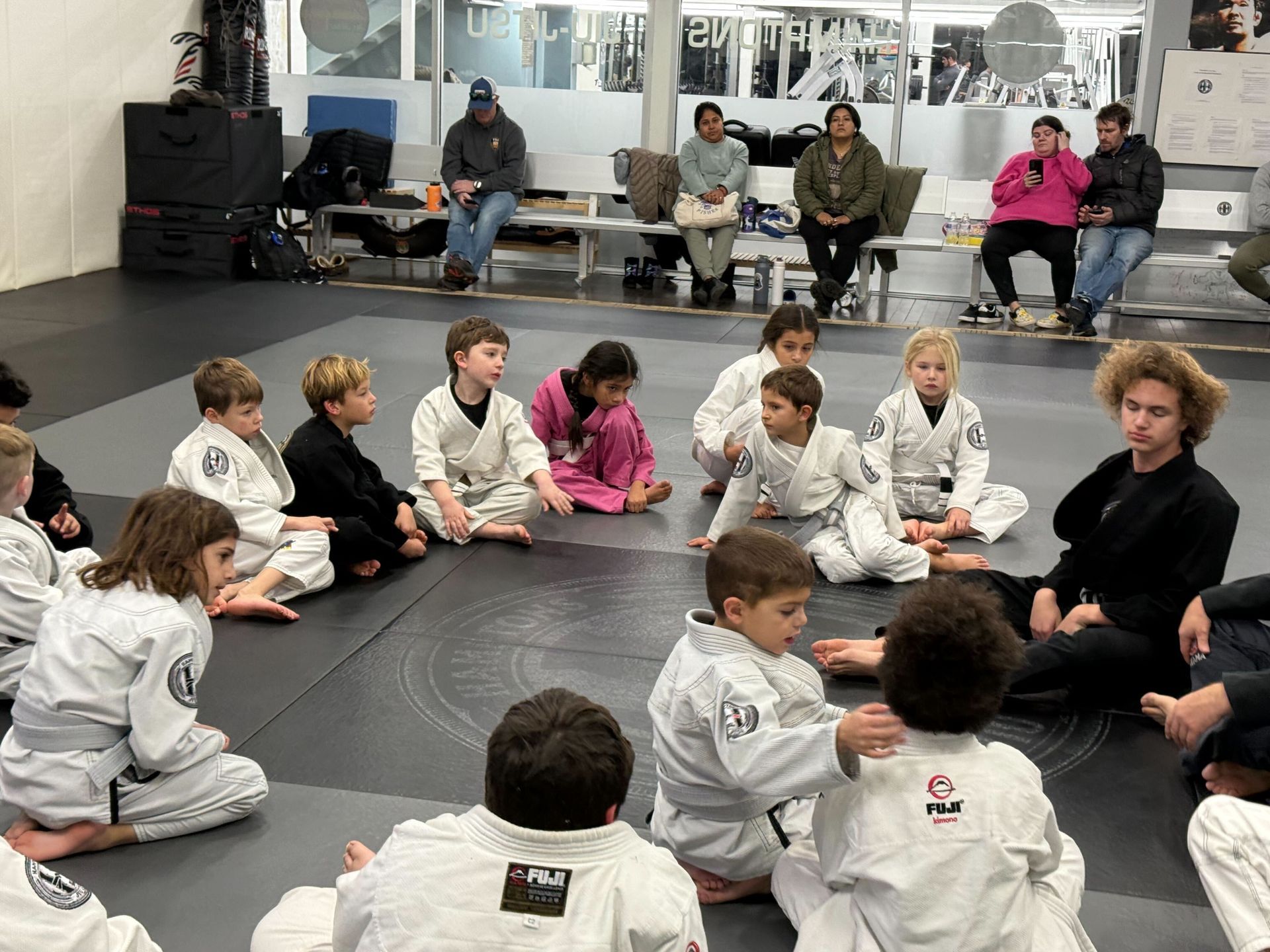
A good kids class is part physical education, part classroom. Students line up, watch demonstrations, and follow step-by-step instructions. We keep direction simple and repeatable, and we reinforce good effort, not just “winning.”
Resilience and emotional control
Every child taps out. Every child gets stuck. That’s normal, and it’s one of the healthiest lessons we can give: it’s okay to pause, breathe, and start again. For many families, this emotional skill carries over into schoolwork, sibling conflicts, and sports.
What age should a child start?
Most kids can start Youth Jiu Jitsu at age 5, as long as they can participate in a group setting and follow basic instructions. We split classes by age because a 5-year-old and a 12-year-old learn differently, even if both are “kids.”
Ages 5 to 7: building the base
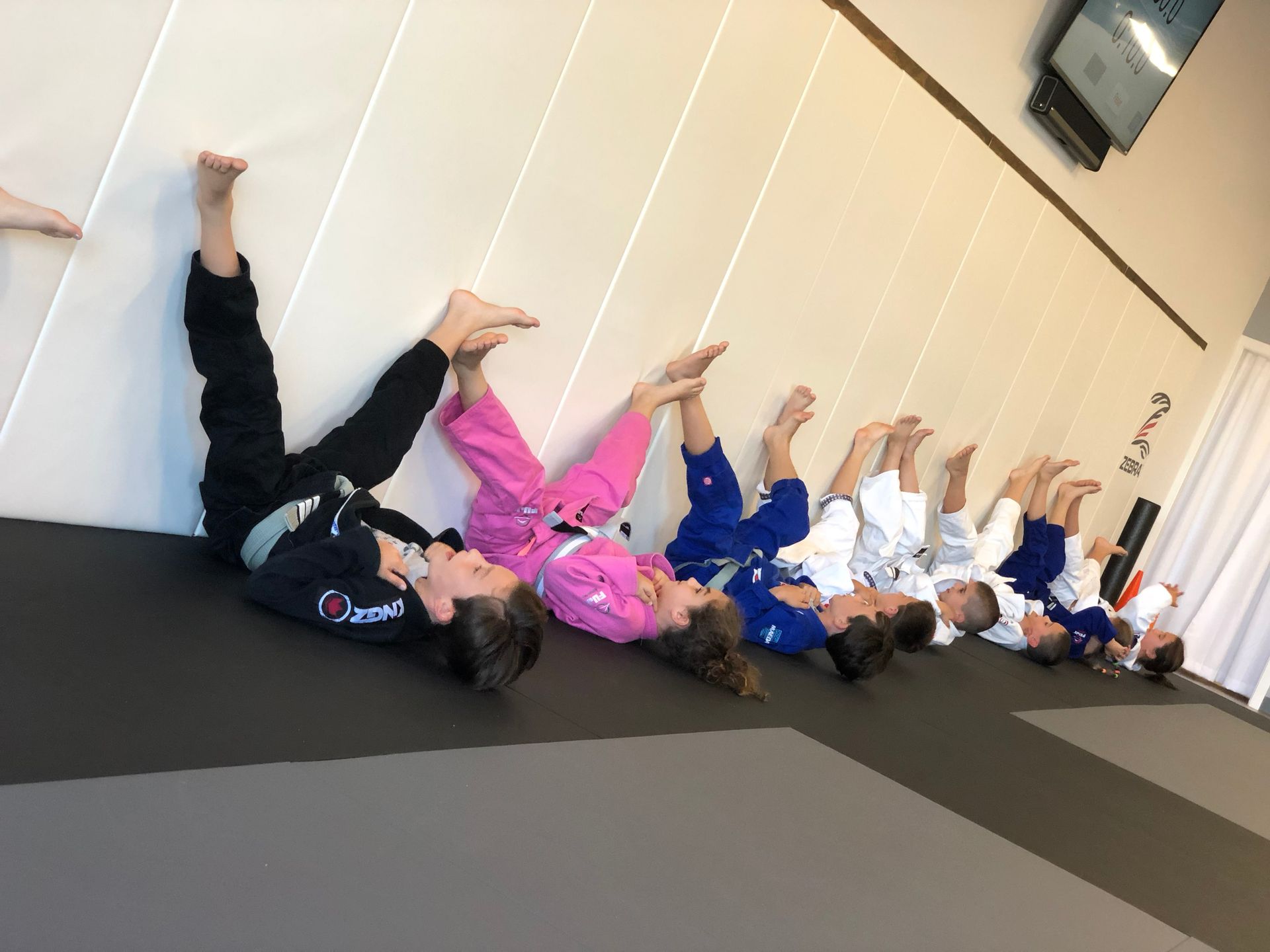
In this range, we focus on body awareness, simple grappling concepts, and safe movement. Classes are structured, but we keep the tone light and the goals clear. You’ll usually see big gains in coordination and confidence early on.
Ages 8 to 12: skill development and responsibility
Kids in this group can handle more detail, more repetition, and more partner work. We build technical foundations that prepare students for long-term training. It’s also a great age to learn how to be a good teammate: controlling intensity, respecting partners, and staying coachable.
Our class schedule includes dedicated kids classes with age-specific times, including Gi training on specific days. If you’re unsure where your child fits, we’ll help you pick the best starting group based on age, size, and comfort level.
Is Youth Jiu Jitsu safe? A practical look at risk and prevention
“Is it safe?” is the right question. Any sport has risk, and Jiu Jitsu is no exception, but the type of training matters.
Here’s what research tells us: BJJ-related injuries are commonly sprains and strains, and fractures are also reported. A 2019 study found 59.2% of athletes sustained at least one injury in the prior six months, though that includes adult training and a wide range of intensity levels. The encouraging part is that Brazilian Jiu Jitsu has a lower injury rate per 1,000 athlete exposures than judo, MMA, taekwondo, and wrestling. Pediatric data is still limited, with one report showing 37.5% of youth athletes sustained injuries within 12 months, which is exactly why kids programs must be built with prevention in mind.
Our approach to youth safety
We keep kids safer by coaching intensity and building skills progressively. In plain terms: we don’t rush kids into situations they aren’t ready to manage.
A few safety standards we emphasize in every Youth Jiu Jitsu class:
- Clear rules for tapping and stopping immediately when a partner taps
- Close supervision during partner drills, with coach-led pairing when needed
- Technique-first training where control matters more than “going hard”
- Age-appropriate conditioning that supports joints and coordination
- A culture where kids can ask questions and take breaks without embarrassment
If you’re comparing Martial Arts in Southampton for safety and structure, look at the details: how partners are managed, how intensity is controlled, and whether the environment rewards calm decisions.
What your child should wear and bring (and what you can skip)
You don’t need to over-prepare. For most kids, starting is simple.
Gi days matter because the uniform changes gripping and control, and it teaches kids how to move with fabric grips safely. We set Gi requirements by class and day so families can plan.
Bring:
- A Gi on Gi training days, sized so sleeves and pants are not dragging
- A water bottle your child can open without help
- Flip-flops or slides for walking off the mat area
- Hair ties for long hair, plus a spare if you can
Skip:
- Jewelry, watches, and anything that can snag
- Heavy snacks right before class (most kids feel better with light fuel)
- Pressure to be perfect on day one
Your first month: what progress usually looks like
The first month is about comfort and consistency, not mastery. If your child is brand new to grappling, the early wins look small but they matter.
Week 1: Your child learns basic mat rules, how to line up, and how to move safely with a partner.
Week 2: Techniques start to feel familiar, and kids begin to remember the names and steps.
Week 3: You’ll see more confidence during partner drills, and less hesitation.
Week 4: Many kids start taking pride in small improvements, like better balance, calmer reactions, and cleaner movements.
If you want the most out of Youth Jiu Jitsu, we recommend a realistic attendance rhythm. Two classes per week is a strong starting point for most families, especially during the school year.
Understanding costs and membership expectations in NY
Parents also want clarity on cost. Average monthly dues for Jiu Jitsu in New York are about $173.19, which reflects local overhead and demand. We offer options that fit different schedules, including a summer youth program priced at $475 per week or $1,200 per month, built for families who want consistent structure and skill-building during school breaks.
When you’re budgeting, it helps to think beyond “classes per month.” You’re paying for coaching, safe supervision, a curriculum that progresses, and a consistent environment where your child can grow. For many families, the value shows up in everyday life: better listening, better emotional control, and a child who stands a little taller walking into new situations.
How to support your child without hovering
Kids do best when parents are steady, not anxious. Your child will read your energy, especially in the first few classes.
Here’s how to help in a way that works:
1. Keep your language simple after class: ask what your child learned, not whether your child “won.”
2. Praise effort and calm decisions, like tapping early or listening the first time.
3. Build a routine around training days so it feels normal, not like a special event.
4. Communicate with us if your child is nervous, shy, or dealing with an old injury.
5. Let progress be gradual, because it should be.
That approach supports long-term confidence, and it makes Youth Jiu Jitsu a skill your child owns, not something you manage.
Youth Jiu Jitsu and real-life confidence in Southampton
We’re careful not to oversell martial arts as a cure-all. Still, we see meaningful patterns: kids who train consistently often handle peer pressure better, recover faster from setbacks, and develop a more grounded sense of self. In a world where kids are exposed to a lot, sometimes too much, a structured practice that rewards patience and discipline is a pretty powerful counterbalance.
And importantly, Youth Jiu Jitsu can be fun. Not “chaotic fun,” but the satisfying kind: learning a new movement, working with a partner, and realizing you’re improving even when you didn’t notice it in the moment.
Take the Next Step
If you want a kids program that blends structure, safety, and real skill-building, we’ve designed our Youth Jiu Jitsu classes in Southampton to meet children where they are and help them grow from there. The schedule is age-specific, the coaching is progressive, and the goal is simple: give your child tools for confidence, focus, and resilience that last.
When you’re ready, we’ll help you choose the right class time, understand Gi days, and make sure your child’s start feels comfortable. That’s also where Hamptons Jiu-Jitsu comes in: we make the first step straightforward, and we keep the experience consistent so your child can build momentum.
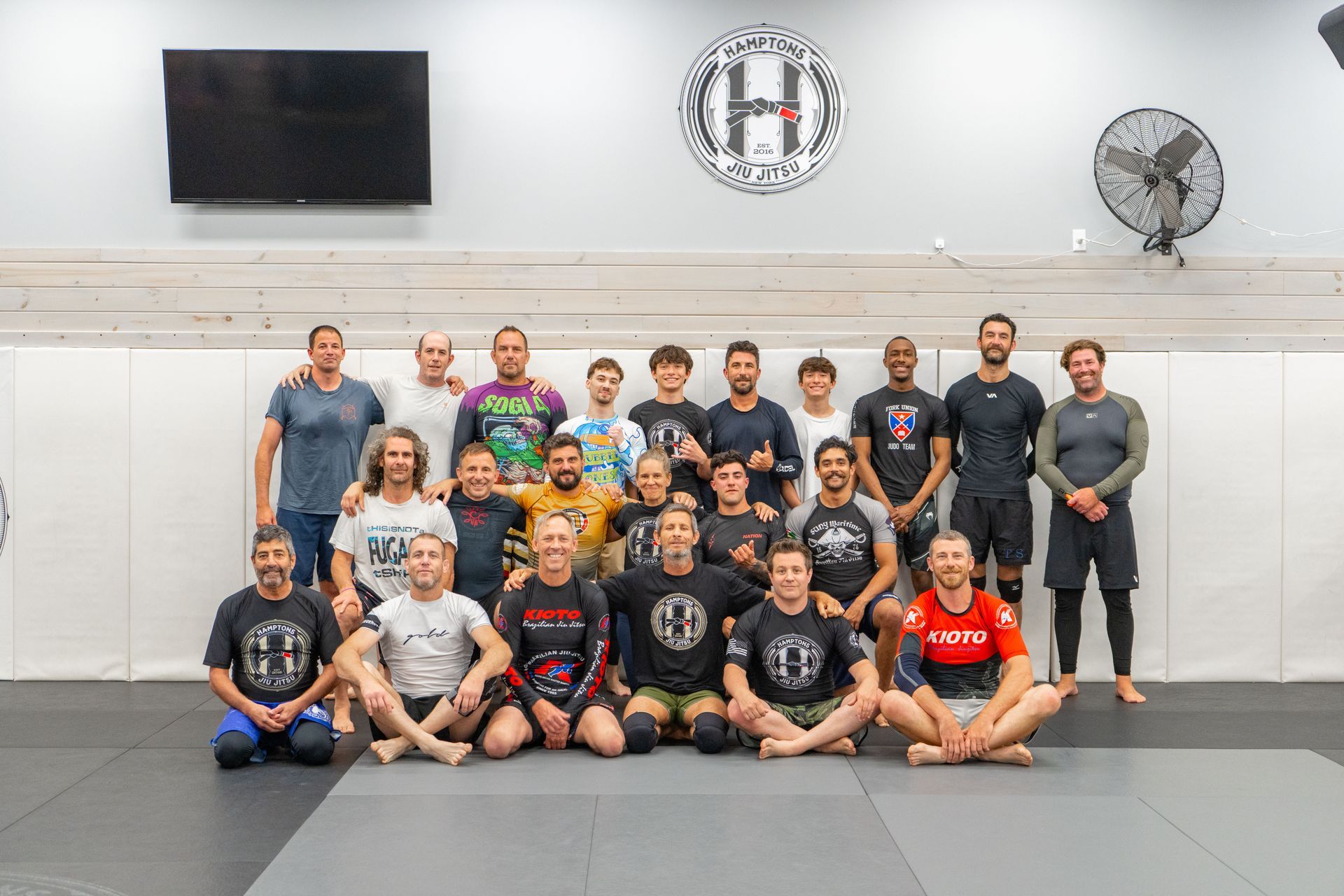
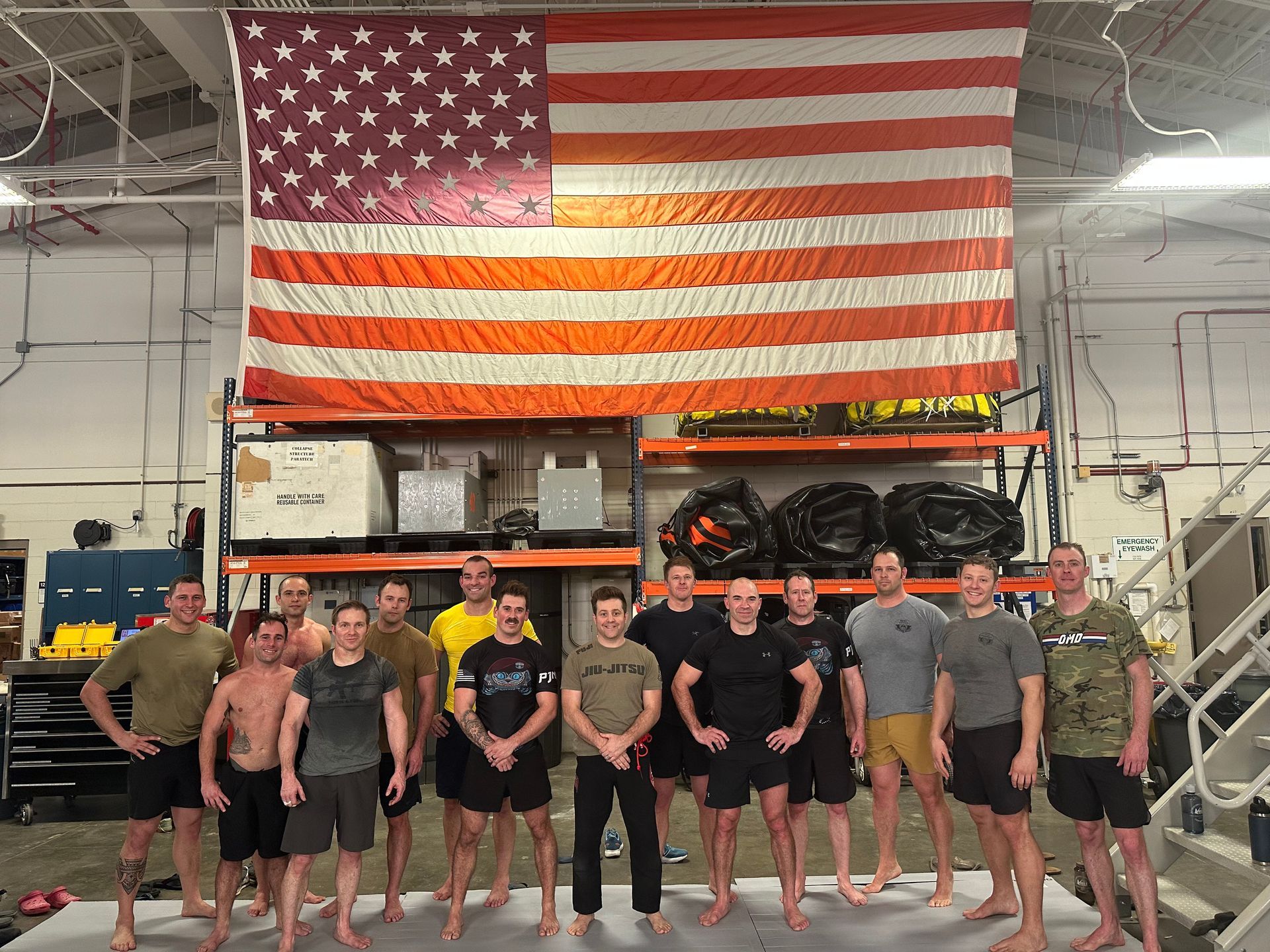
Train with experienced instructors and a supportive community at Hamptons Jiu-Jitsu.
ACCESS OUR SCHEDULE
& EXCLUSIVE WEB SPECIAL
Secure your spot and get started today with our EXCLUSIVE offer!