From Mat to Mind: How Jiu Jitsu Reduces Anxiety in Southampton
Jiu jitsu trains your body to stay calm and your mind to stay clear, even when life feels loud.
Anxiety is sneaky like that: it shows up in your chest during a meeting, in your shoulders while you drive through town, or in the way you scroll at night instead of sleeping. In Southampton, where life can be both beautiful and fast-paced, we see a lot of people looking for something practical that helps them feel steady again. Jiu jitsu is one of the most effective tools we know for that.
What surprises many beginners is that jiu jitsu is not just exercise. It is a structured practice of staying present under pressure, solving problems in real time, and learning how to breathe and think when your nervous system wants to bolt. Research backs up what we watch happen on the mats every week: 87.5% of adult Brazilian Jiu-Jitsu practitioners report reduced anxiety, and 96.9% report improved mood.
If you are considering jiu jitsu in Southampton NY, this article will walk you through how training reduces anxiety, what changes you can expect, and how to start in a way that feels safe and realistic for your schedule.
Why jiu jitsu works when your mind is anxious
Anxiety is often your brain trying to protect you from uncertainty. The problem is that modern stress rarely has a clean endpoint. Your brain stays on, your body stays tense, and your attention gets pulled into worst-case thinking.
Jiu jitsu gives your mind a different job. Instead of spinning on what might happen, you focus on what is happening right now: posture, grips, balance, breathing, timing. That shift into the present moment is not a vague idea. It is built into every round.
We also like jiu jitsu because it provides an honest feedback loop. You try something, it works or it does not, and you adjust. That kind of learning builds confidence without needing hype. Over time, your nervous system learns a powerful lesson: pressure does not automatically equal danger.
The science-backed mental health benefits we see on the mats
When people talk about “stress relief,” it can sound fluffy. But the research around Brazilian Jiu-Jitsu has become increasingly specific, especially from 2023 to 2025, where studies point to BJJ as a promising public health intervention for mental well-being. The data aligns closely with what students tell us after class, sometimes right there by the water bottle station.
Here are a few outcomes consistently reported in studies of adult practitioners:
- Reduced anxiety in 87.5% of practitioners
- Improved mood in 96.9% of practitioners
- Increased confidence around 87.6%
- Improved mental flexibility around 81.3%
- Higher self-control, grit, and overall life satisfaction, especially with longer training history and higher belts
Research also suggests BJJ can reduce PTSD symptoms, depression, and aggression, while strengthening emotional regulation. Veterans and first responders show meaningful benefits in managing stress responses and hostility, which matters in communities like ours with service professionals and military retirees.
No study needs to “prove” what you feel in your own body, but it helps to know this is not just a trend. Jiu jitsu produces measurable changes in how people handle stress.
Emotional regulation: learning calm in a controlled storm
The heart of anxiety reduction in jiu jitsu is emotional regulation. In class, your body encounters stress in a safe setting. You might feel your heart rate spike while someone is passing your guard. You might feel stuck under side control. The first reaction is usually tension, and tension burns energy fast.
We coach you to do something different: breathe, frame, create space, and make one small improvement. That process teaches your nervous system that you can be uncomfortable and still be in control.
Over time, this shows up off the mats. A tense conversation at home feels less like a threat. A work deadline becomes a sequence of steps instead of a wall. You cannot eliminate stress, but you can change your relationship to it.
The hidden skill: getting comfortable being a beginner
Anxiety often spikes when we feel behind, unprepared, or judged. Starting jiu jitsu can bring that up, and that is normal. The difference is that our training environment is built to normalize learning. Everyone starts somewhere, and everyone taps. In fact, tapping is not failure. It is communication, safety, and smart training.
As you practice being new at something, your identity shifts. You stop needing perfection to feel okay. You learn to show up, do the work, and improve a little. That is a big deal for anxious minds.
Mental resilience: problem-solving under pressure
Jiu jitsu is often called “human chess,” and that is not just a catchy line. Every exchange is a problem: how do you build a base, how do you escape, how do you sweep, how do you control. You are thinking, but you are thinking while your pulse is up and someone is actively trying to stop you.
That combination builds resilience in a very specific way:
- You learn to think through discomfort rather than react impulsively
- You develop patience, because rushing usually makes things worse
- You practice recovering after mistakes, which is basically a life skill in disguise
Studies show that higher belts tend to report stronger mental health benefits, including resilience and self-efficacy. That makes sense. The longer you train, the more evidence you have that you can handle hard moments and keep going.
Social bonding: anxiety softens when you feel supported
One of the most underrated anxiety reducers is community. When you train consistently, you become part of a group that is working on something meaningful together. You learn names. You share small wins. You get coached through tough spots. That social bonding matters because anxiety thrives in isolation.
There is also something uniquely grounding about training with partners. You cannot fake presence in jiu jitsu. You have to show up as you are, and in a healthy training room, that becomes a relief.
Oxytocin and serotonin are often mentioned in discussions about connection, mood, and well-being. While the exact mechanisms are still being studied, the combination of focused physical effort and supportive social contact appears to help regulate mood in a way that feels stable, not brittle.
What a class looks like, and why structure reduces anxiety
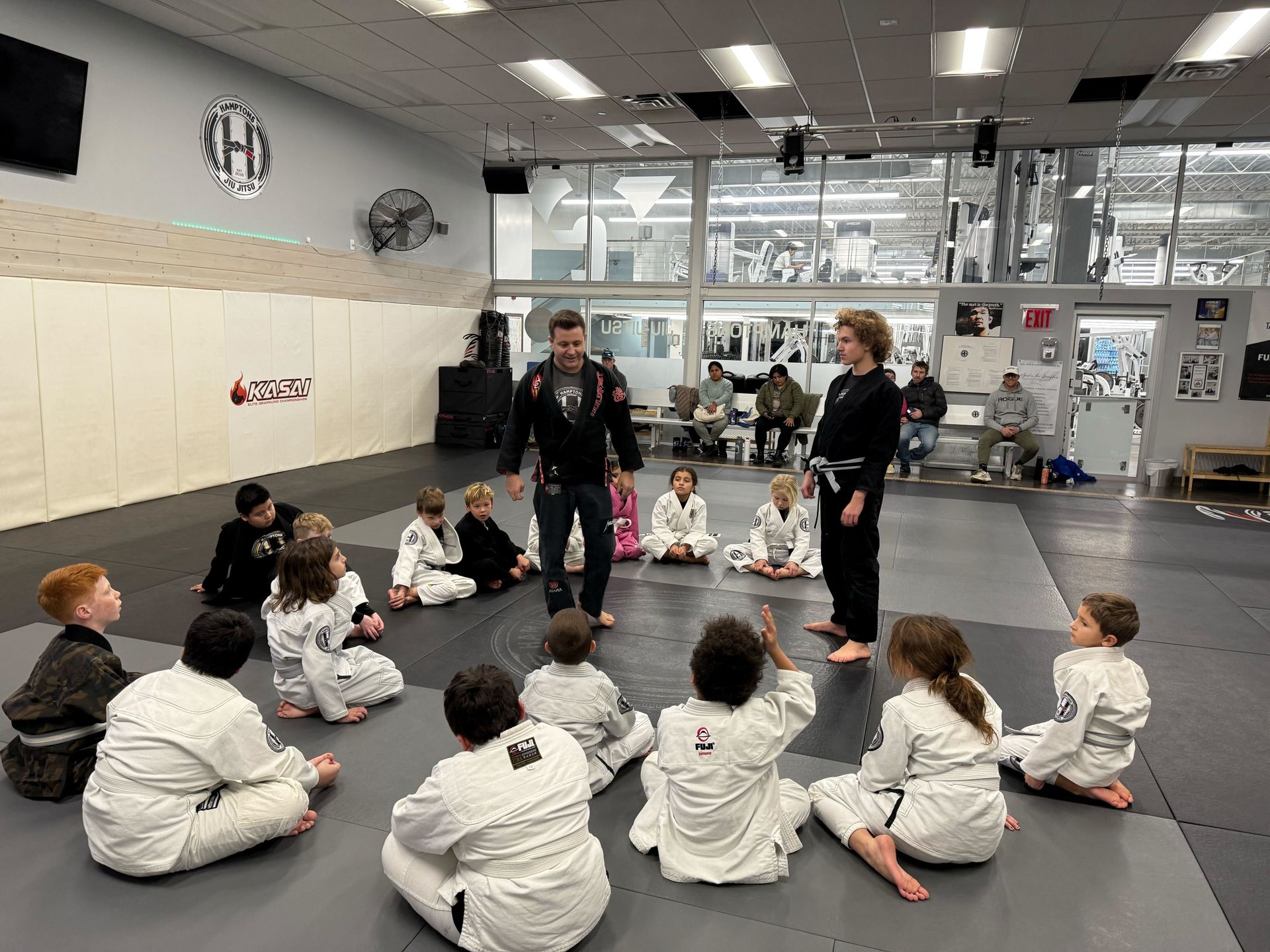
If you are new to jiu jitsu Southampton training, uncertainty is usually the first hurdle. We keep the class structure consistent so your brain does not have to guess what is coming next. Predictability is calming, especially if you tend to overthink.
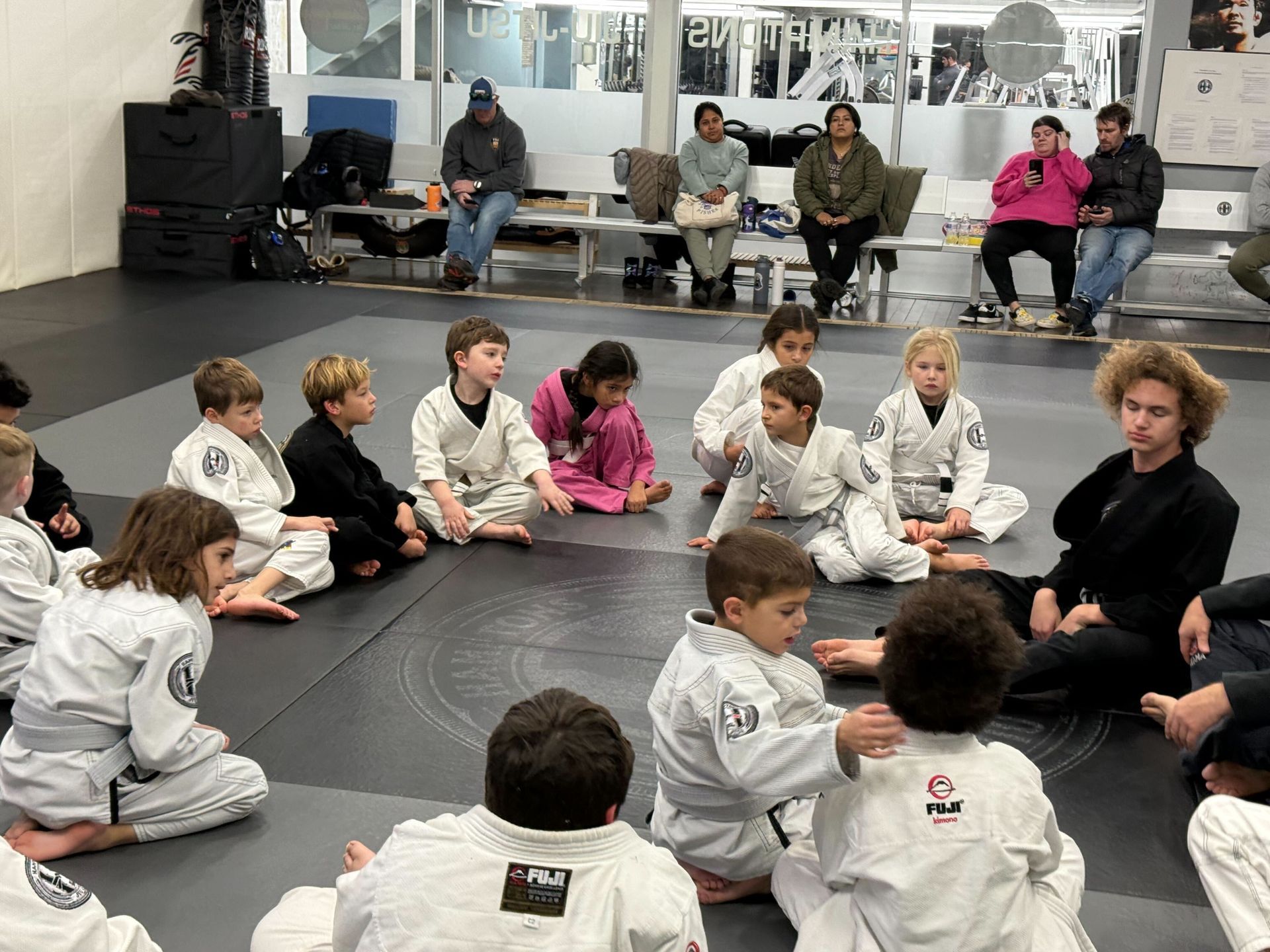
A typical class runs about 60 to 90 minutes and usually includes:
- Warm-up and movement prep to get your joints and breathing ready
- Technique instruction with clear steps and coaching
- Drilling with a partner to build repetition and confidence
- Live rounds, sometimes called rolling, where you apply skills safely
- A brief cool-down or reset before you head back into your day
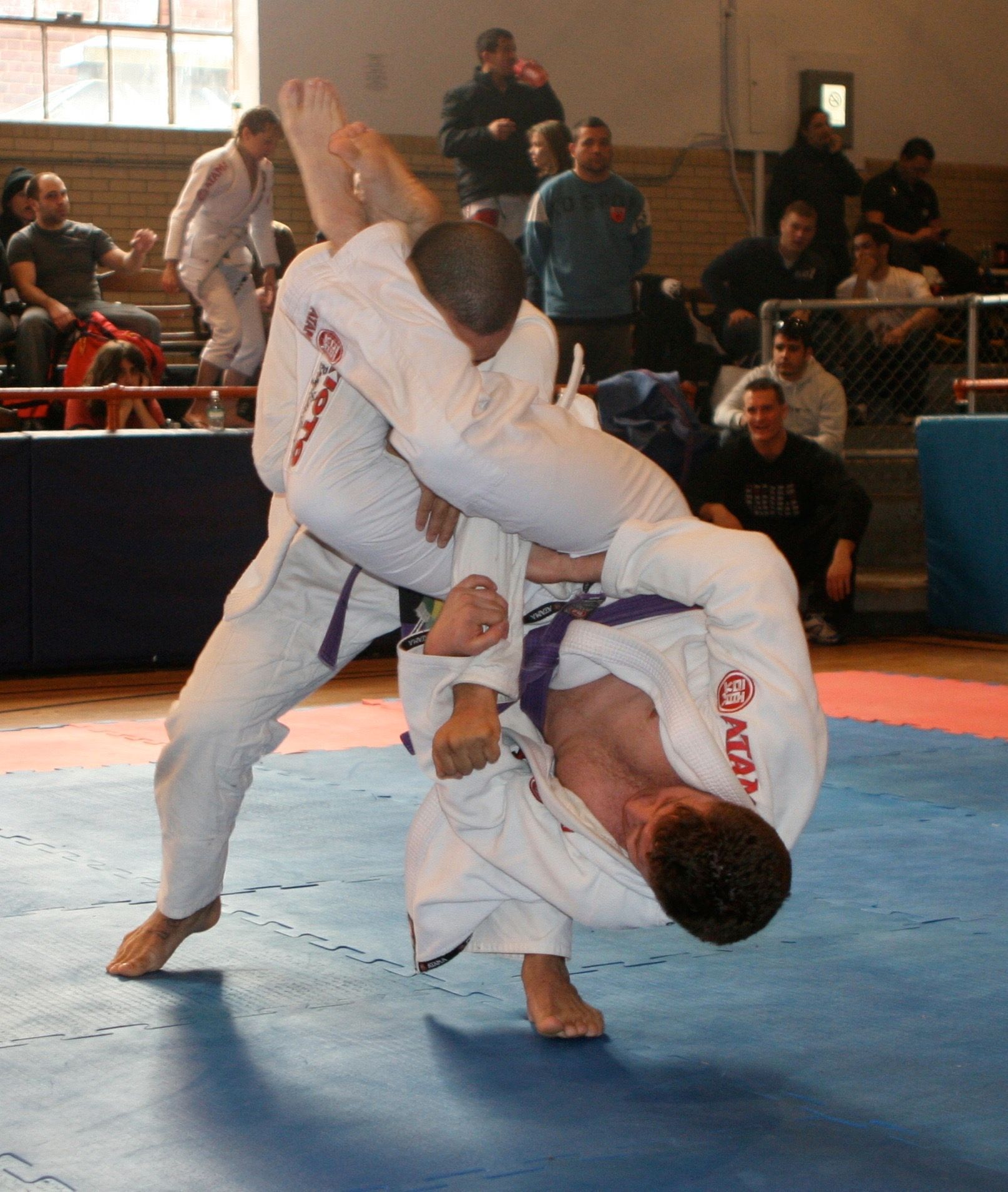
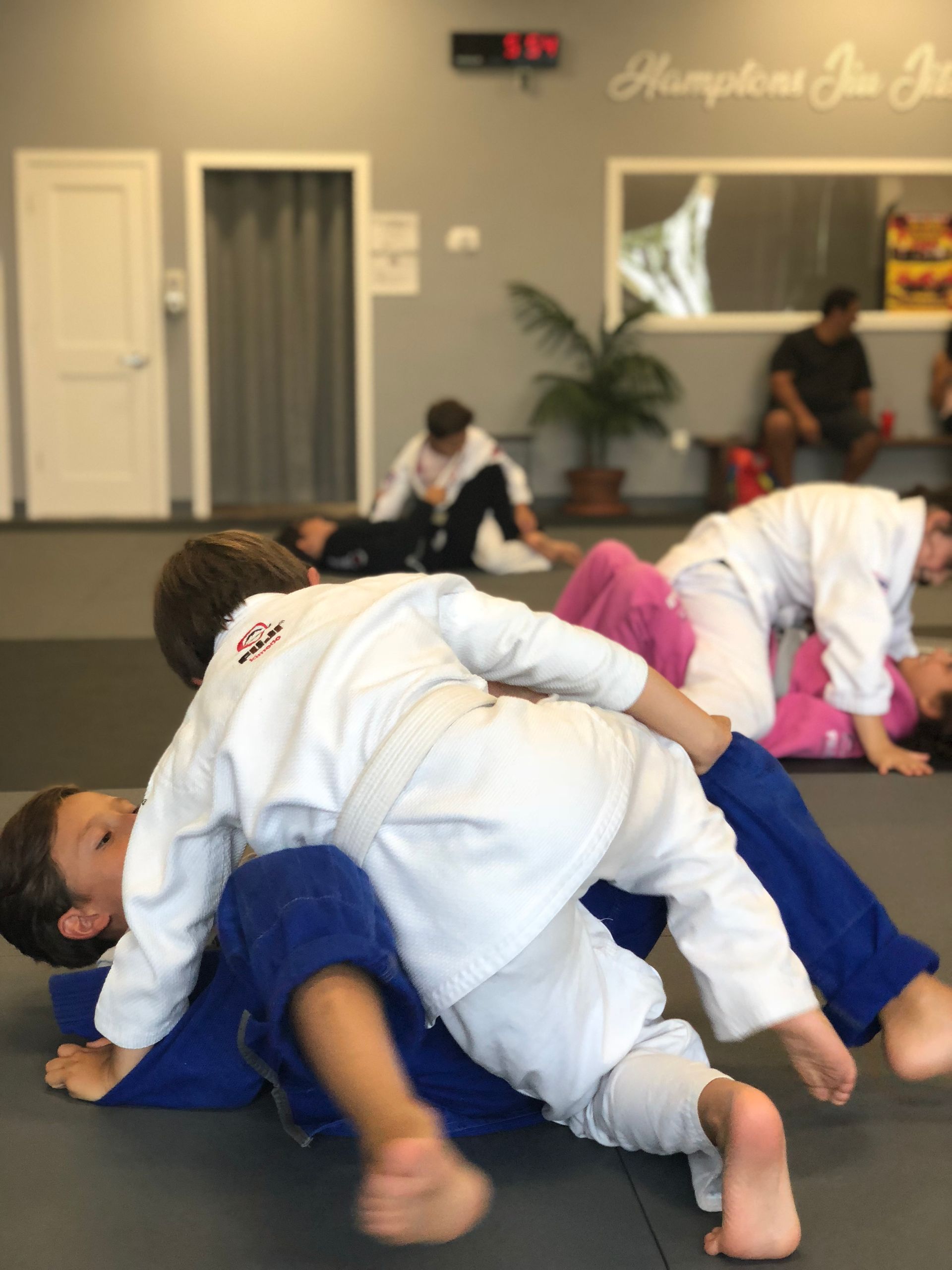
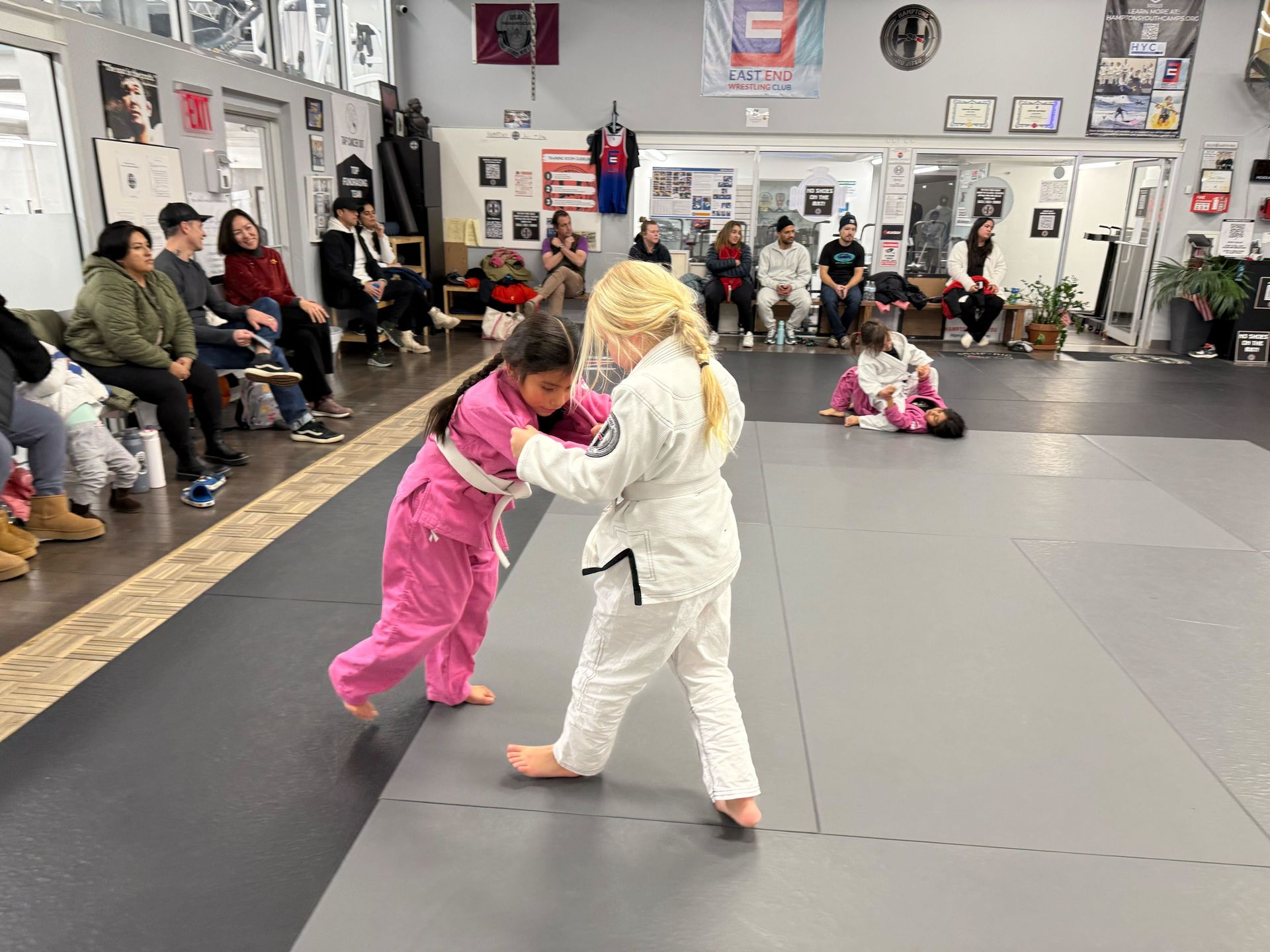
Rolling is where many people feel the biggest mental shift. You learn how to stay calm in motion, how to breathe when you are pinned, and how to choose the next best action instead of panicking. That is anxiety training, in the best way.
How fast you can expect mental benefits
People want a timeline, and we get it. You want to know if this will help, and how soon. Research in kids shows noticeable mental health improvements after about 12 weeks of training, including reduced hyperactivity and decreased overall psychopathology. Adults often report mood improvement sooner, especially when training 2 to 3 times per week, but the deeper resilience builds with consistency.
We recommend a simple approach: track how you feel before and after class for a month. Rate your stress from 1 to 10, jot down one sentence about your mood, and notice patterns. Many students are surprised by how reliably class becomes a reset.
Beginner safety in Southampton: how we keep training low-aggression
Anxiety and safety are connected. If you do not feel safe, your nervous system will not settle. That is why our approach emphasizes technique, control, and communication. Jiu jitsu is not about getting hurt, and it is not about “winning” at your partner’s expense.
Here is how we keep beginners safe while still helping you grow:
- We match training intensity to your experience and comfort level
- We teach tapping early and treat it as a positive habit
- We prioritize positional control and escapes before risky scrambles
- We coach you to breathe, slow down, and avoid strength-based panic
- We keep a respectful culture where partners look out for each other
If you have past injuries or specific concerns, we can adapt. You do not need to be in peak shape to start. You just need to show up and be willing to learn.
Jiu jitsu for high-stress professionals, parents, and service members
Southampton has plenty of people carrying quiet stress: business owners, executives commuting or managing teams, parents juggling a packed calendar, and service professionals who have seen more than most. Anxiety can look different in each of these lives, but the underlying pattern is similar: too much load, not enough release.
Jiu jitsu provides a rare mix of intensity and clarity. You get hard physical work, but also a mental break from spinning thoughts. Your phone is off the mat. Your attention is on grips and frames. That forced focus can feel like a relief, especially if your job requires constant decision-making.
Research trends also show that employers increasingly value BJJ practitioners for leadership, emotional stability, stress management, and decision-making under pressure. That tracks with what we see: as you improve on the mats, you often become calmer and more decisive off them.
Practical ways to use mat skills when anxiety hits in real life
The goal is not just to feel good after class. The goal is to carry the skill with you. Jiu jitsu teaches repeatable patterns that transfer surprisingly well.
Here are five “mat to mind” tools you can use the next time anxiety spikes:
1. Name the position: In jiu jitsu, you identify where you are before you move. In life, label the moment: stressed, rushed, overwhelmed.
2. Fix your breathing first: Slow exhale, relaxed shoulders. You cannot think clearly while bracing.
3. Create one frame: A boundary, a pause, a single next step. You do not need the full plan yet.
4. Improve by one percent: Small progress beats frantic effort. One email, one call, one task.
5. Reset after the tap: Learn, let it go, and start again. Mistakes are data, not identity.
These are simple, but not easy. Training makes them natural because you practice them every week.
Ready to Begin
Building real calm takes practice, not just good intentions, and jiu jitsu gives you a clear place to train that skill. At Hamptons Jiu-Jitsu, we structure classes so you can start safely, progress steadily, and use what you learn to handle stress with more confidence in daily life.
If you want a grounded way to reduce anxiety, improve mood, and feel more capable under pressure, we would love to help you take the first step on the mats, right here in Southampton.
Experience how consistent training can transform your confidence, fitness, and focus at Hamptons Jiu-Jitsu.
ACCESS OUR SCHEDULE
& EXCLUSIVE WEB SPECIAL
Secure your spot and get started today with our EXCLUSIVE offer!