Jiu Jitsu for Every Body: Inclusive Training in Southampton, NY
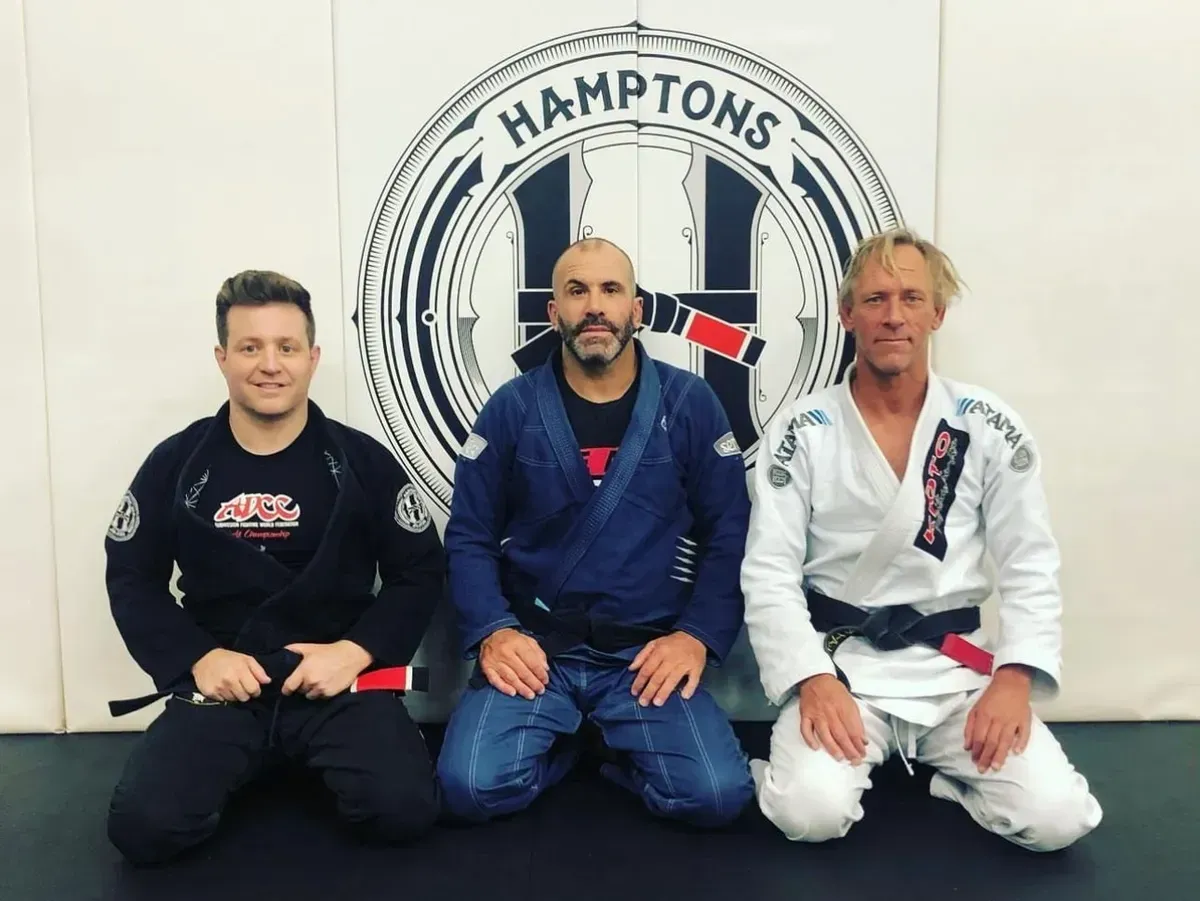
You do not need a perfect body or a perfect background to train well, you just need a smart plan and a supportive room.
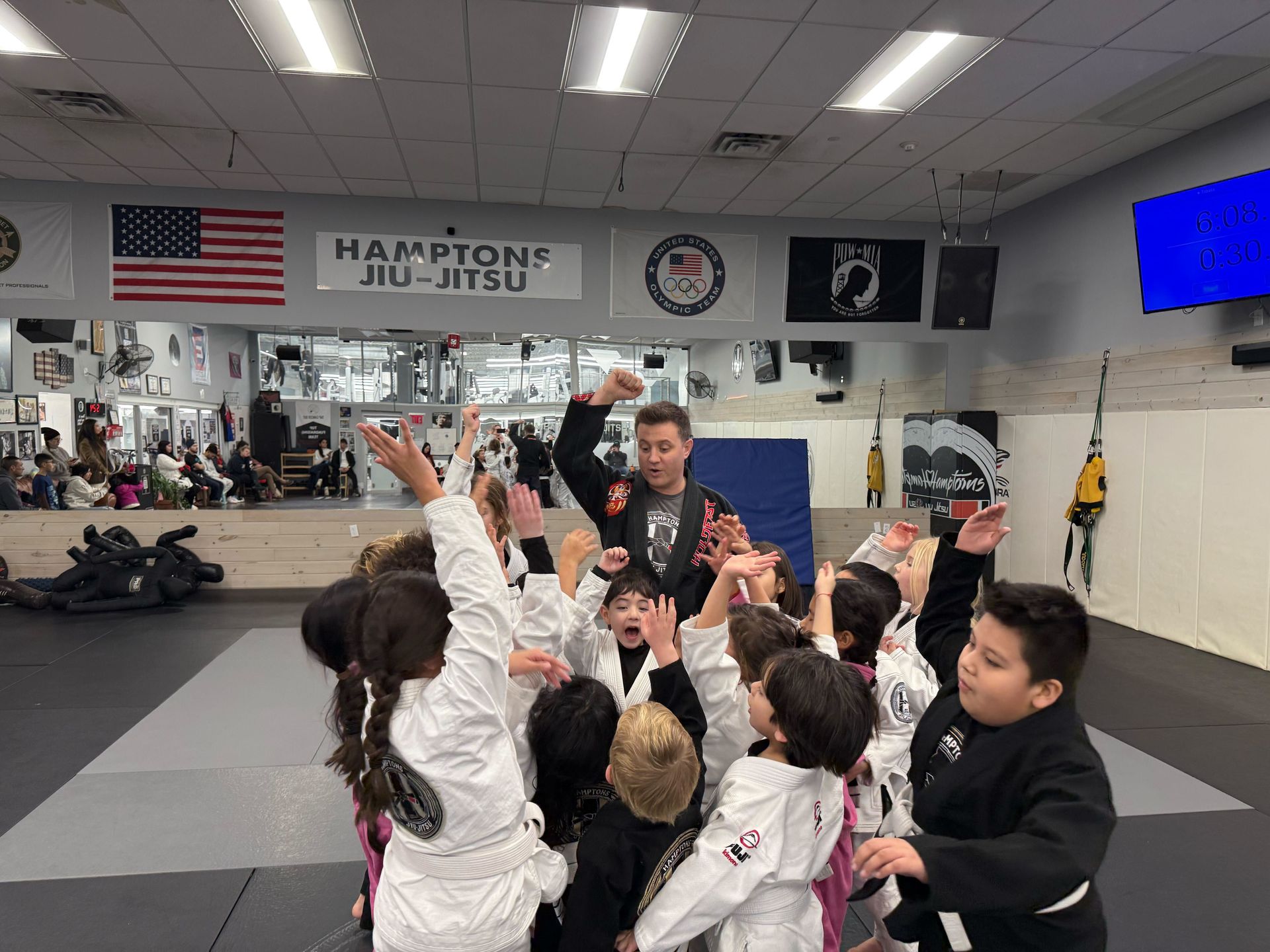
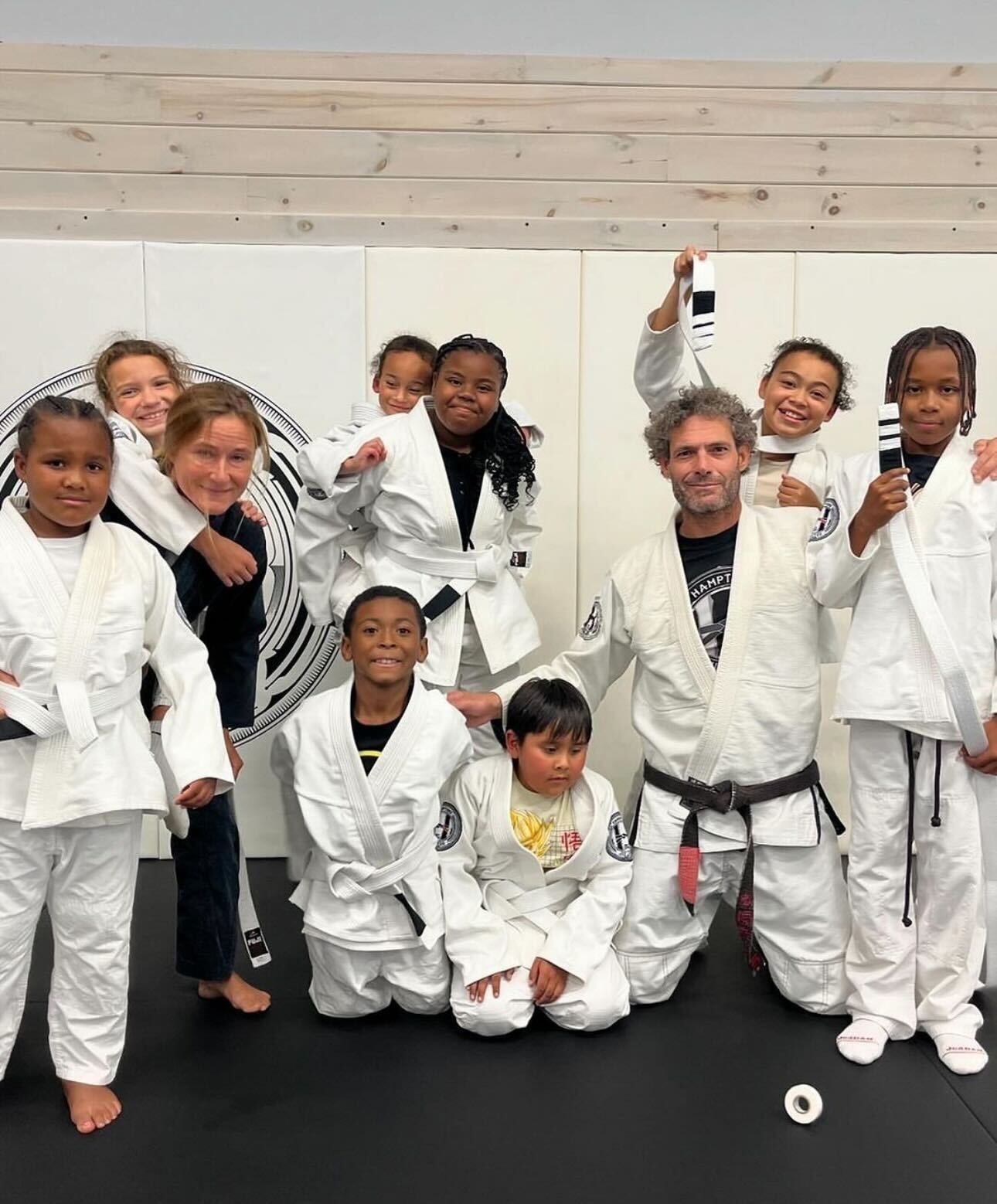
Jiu jitsu has a reputation for being intense, and it can be, but that is only part of the story. In our Southampton mats, we see something more useful and more sustainable: training that adapts to your body, your history, and your goals, whether you are athletic, rebuilding your fitness, managing an old injury, or simply curious.
We built our programs around the idea that progress is personal. You should not have to choose between learning real skill and feeling safe in your own skin. With the right coaching, clear structure, and partners who understand control, jiu jitsu becomes a practice you can keep for years, not a short burst you survive.
If you are searching for jiu jitsu in Southampton NY, you are probably also asking practical questions. Will you be the oldest person in the room. Will you be the newest. Will you slow everyone down. Our answer is simple: we train as a team, and we coach for longevity, not ego.
What inclusive jiu jitsu really means on the mat
Inclusive training is not a slogan. It is a set of daily choices: how we warm up, how we pair partners, what we expect during sparring, and how we talk about progress. In jiu jitsu, intensity without structure can turn into chaos. We prefer structure that earns intensity over time.
An inclusive room is one where technique matters more than toughness. You will hear us talk about frames, posture, base, and timing long before we talk about “winning a round.” That is not us being soft. That is us being serious about skill development for every body type, every learning style, and every starting point.
We also treat communication as a skill. If you need to go lighter, you can say so. If you are returning after time off, we adjust. The goal is for you to leave class feeling worked, not wrecked.
Why jiu jitsu works for different ages, sizes, and athletic backgrounds
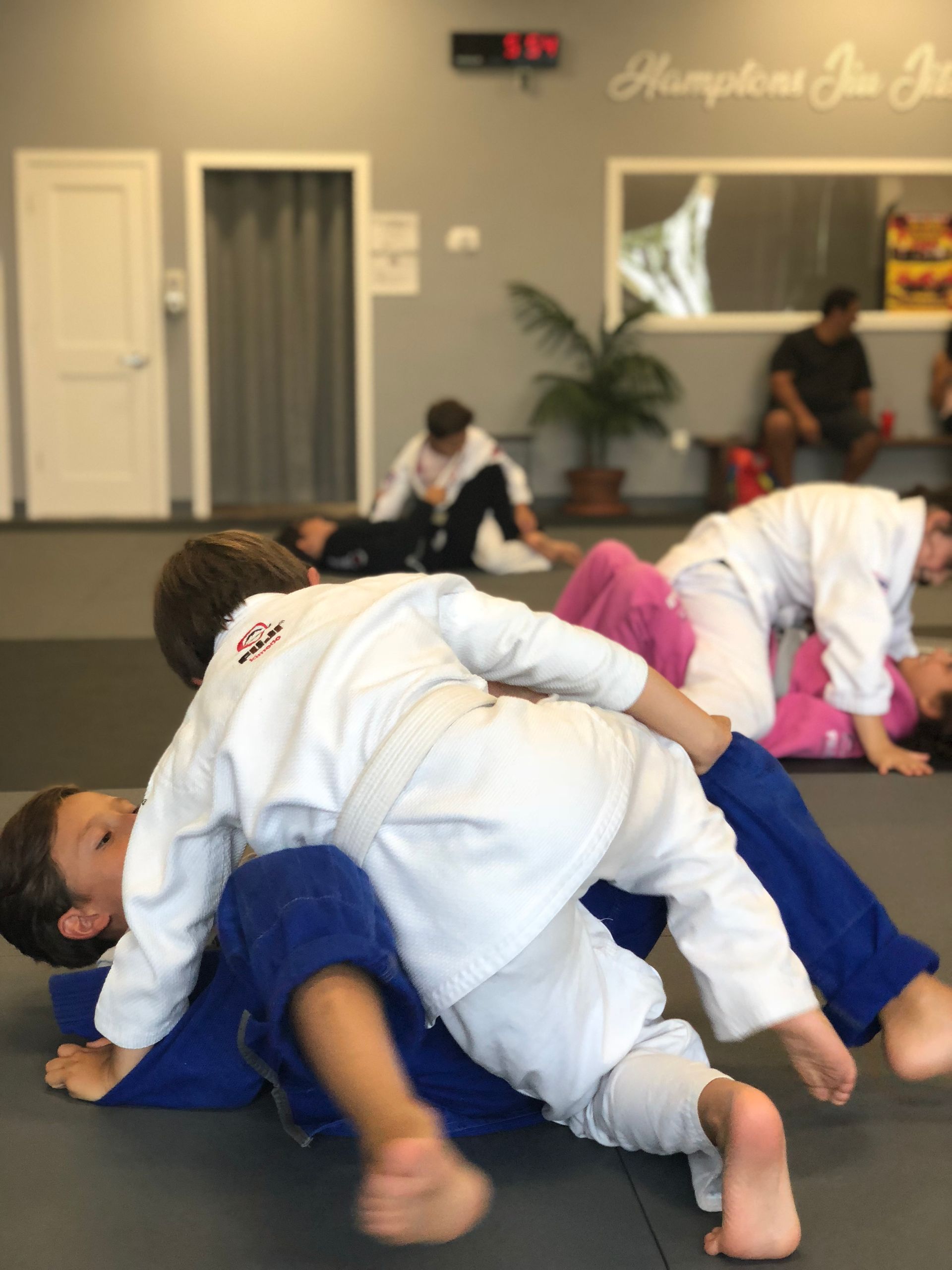
Jiu jitsu is built on leverage, position, and problem-solving. That is why it scales so well. A stronger athlete can learn to control power. A smaller athlete can learn to create angles and use timing. A brand-new student can learn safe positioning first, then add pace later.
Most people are surprised by how quickly the body starts to “understand” the movements. The first few classes are usually about orientation: how to move on the ground, how to keep your balance, how to breathe when things feel tight. Then it becomes strangely addictive, in a good way, because the learning is measurable. You can feel the difference between week one and week four.
If you have avoided group fitness because it felt performative, jiu jitsu can be refreshing. You are not staring at yourself in a mirror. You are learning a craft with real feedback, and your partners help you improve by giving you realistic resistance at a level you can handle.
Starting safely: how we introduce beginners without throwing you into the deep end
Beginning jiu jitsu should feel organized. We introduce the fundamentals in a way that helps your nervous system settle in, because safety is not only about joints, it is also about pacing and predictability.
You will learn how to fall and move with control, then how to recognize common positions like guard, side control, mount, and back control. From there, we teach escapes and defenses early. That matters, because when you know how to get out of bad spots, training stops feeling scary and starts feeling like a puzzle.
We also help you understand the etiquette of the mat, which is part of inclusion. Knowing where to stand, how to ask questions, how to tap early, and how to choose appropriate intensity makes you a good training partner fast, even before you feel “good” at techniques.
Progress that stays motivating: belts, timelines, and realistic expectations
A lot of people want to know how long it takes to earn belts in jiu jitsu. The honest answer is that it depends on consistency, health, and how you train, but we can still talk about realistic averages. A recent 2024 to 2025 survey of nearly 2,000 practitioners found average time at white belt around 2.3 years and average time at blue belt around 2.3 years, with longer totals as you move up: purple belt around 5.6 years total and brown belt around 9.0 years total.
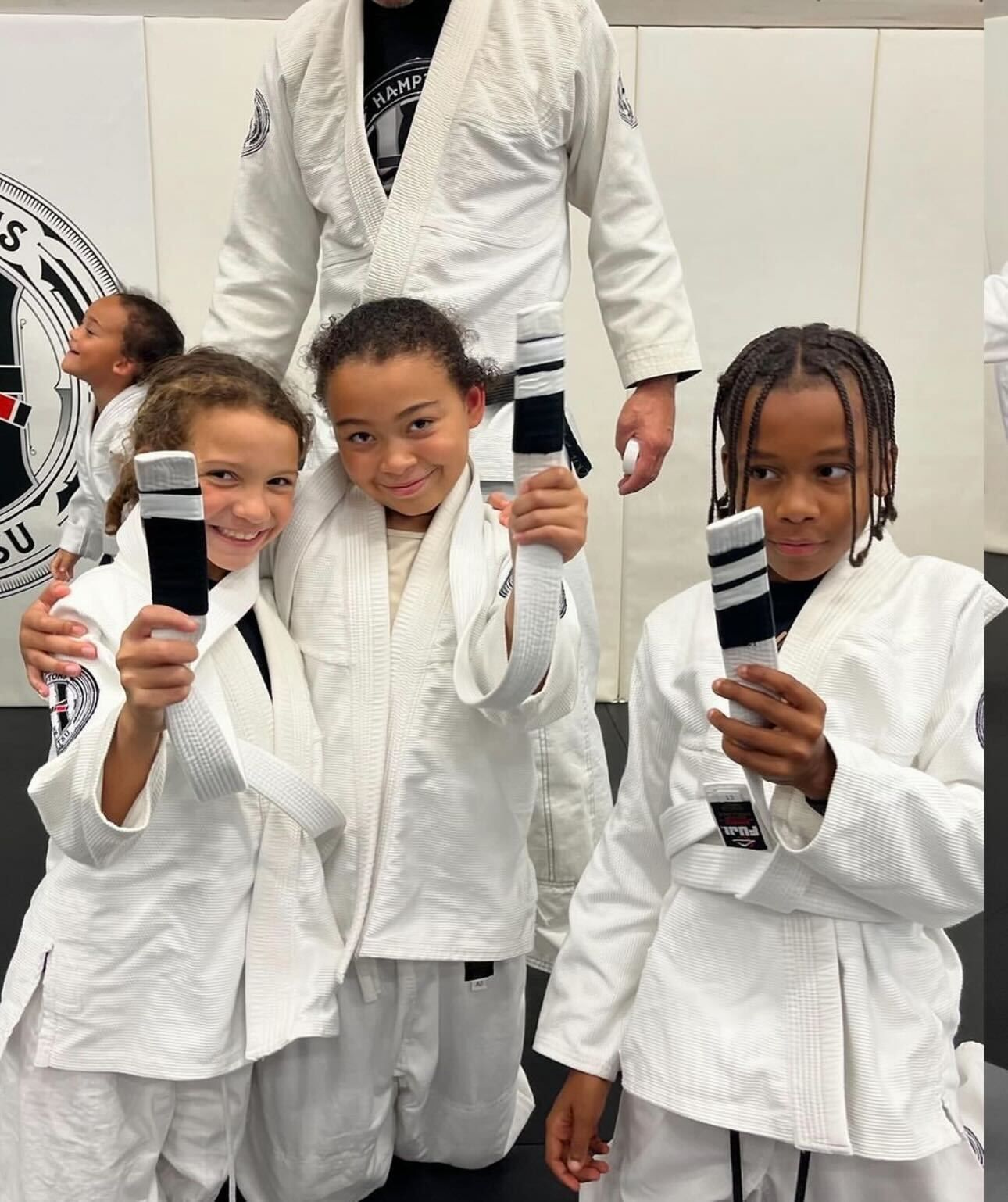
We like sharing numbers like that because it reduces pressure. You do not need to sprint. You need to show up. If you train with a sustainable schedule, you build a base that holds up over time. And if life gets busy, you can step back, then return without feeling like you “failed.” Progress in this art is not a straight line.
We also coach you on what to focus on at each stage, because the needs change. Early on, learning to survive and escape is a big win. Later, refining control and efficiency becomes the theme. The body you have today can absolutely carry you through that journey, as long as you train intelligently.
Injury-aware training: what the data says and how we coach longevity
Jiu jitsu is a contact sport, so pretending injuries never happen is not realistic. A 2019 study reported that 59.2 percent of athletes experienced at least one injury in the prior six months, and injury patterns can shift with experience level. Beginners often get hurt more in training than in competition, largely because movement is unfamiliar and timing is still developing.
Our approach is to treat injury prevention like a skill, not a warning label. We emphasize controlled drilling, technical sparring, and partner selection. You will hear us reinforce simple habits that keep you training longer: tap early, do not fight out of joint locks with brute force, and prioritize position before speed.
If you are already managing a cranky shoulder, an old knee issue, or a sensitive lower back, we can still work with you. We modify how you enter positions, we adjust ranges of motion, and we choose techniques that match your current capacity. Sometimes that means focusing more on top control, sometimes it means building a guard that protects your joints, and sometimes it simply means taking a round off and drilling instead. That is not “less than.” It is smart.
The culture that makes inclusive training possible
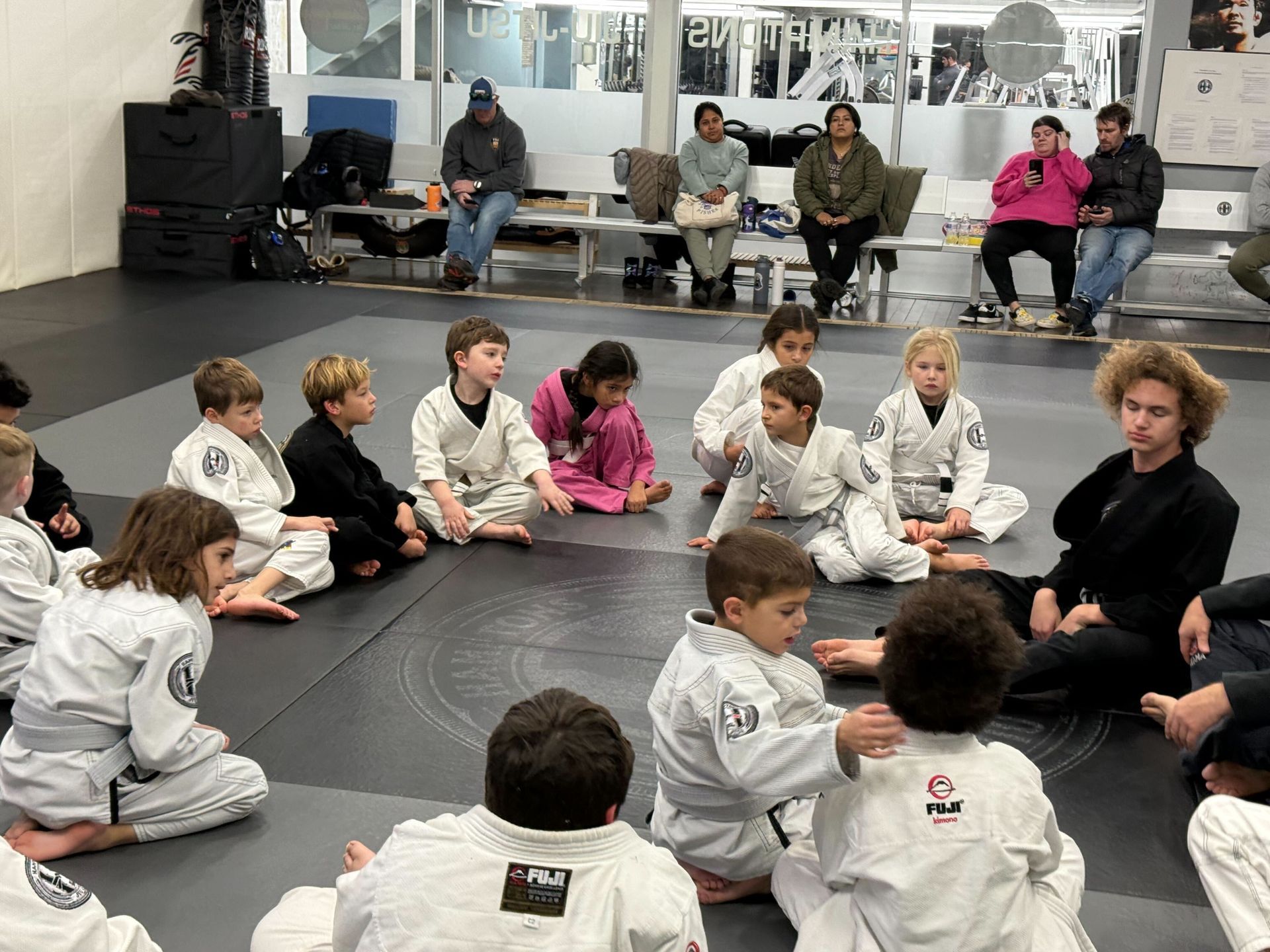
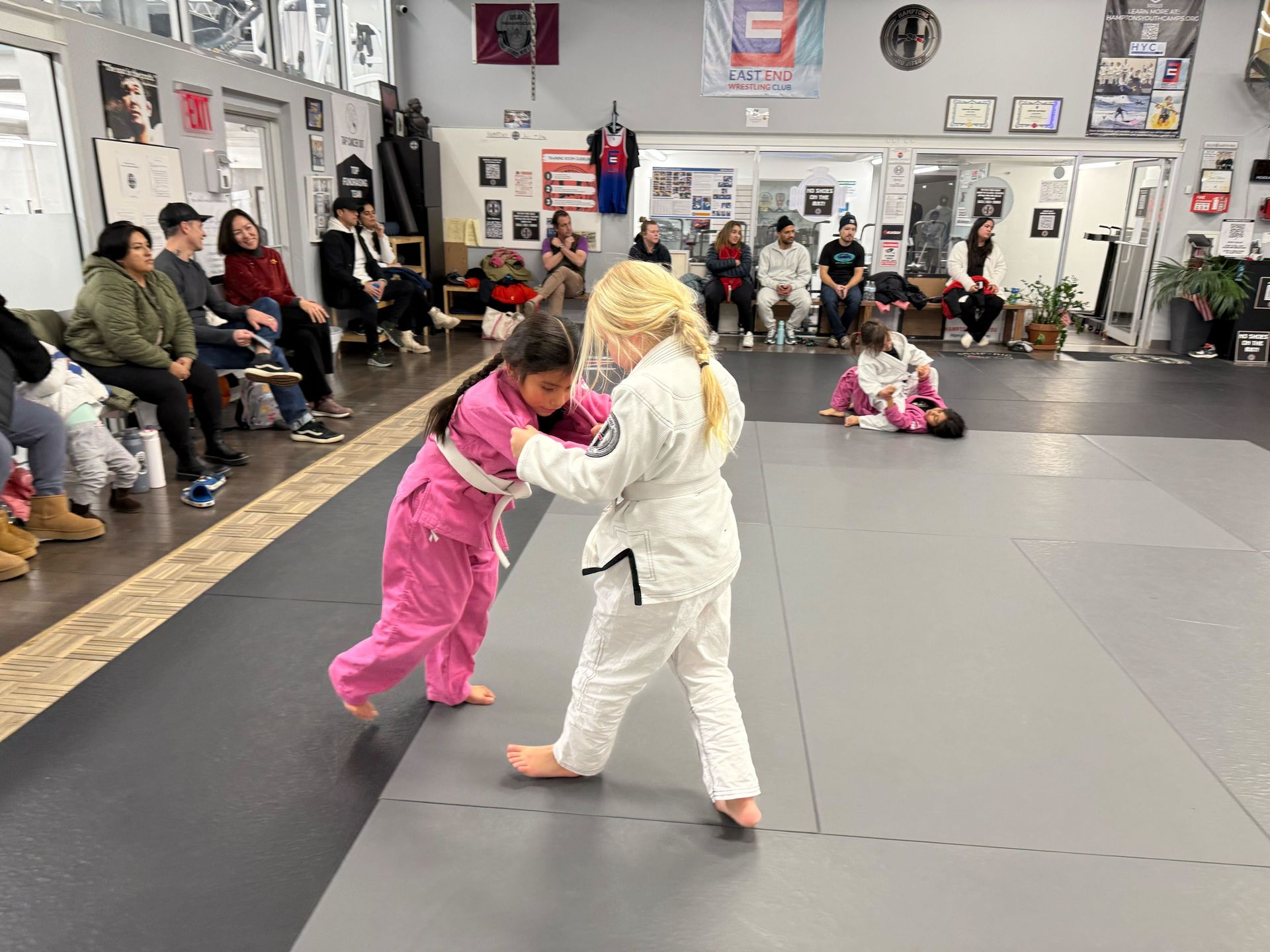
Inclusive jiu jitsu depends on culture. Culture is how people roll when the coach is not watching, how partners respond when you tap, and how comfortable you feel asking for a lighter round. We set expectations clearly: you are here to learn, your partner is here to learn, and both of you deserve to go home healthy.
That also means we coach intensity levels like we coach technique. Not every round needs to be hard. Some rounds are playful and exploratory, where you try a new escape and see what happens. Others are more competitive, where you sharpen timing and pressure. The key is that you choose the right gear for the right day.
This is one reason jiu jitsu Southampton training can be such a solid fit for adults who want something real but not reckless. You get the challenge, the sweat, the skill-building, and the community, without being pushed into a pace that does not match your body.
What you can expect in a typical class
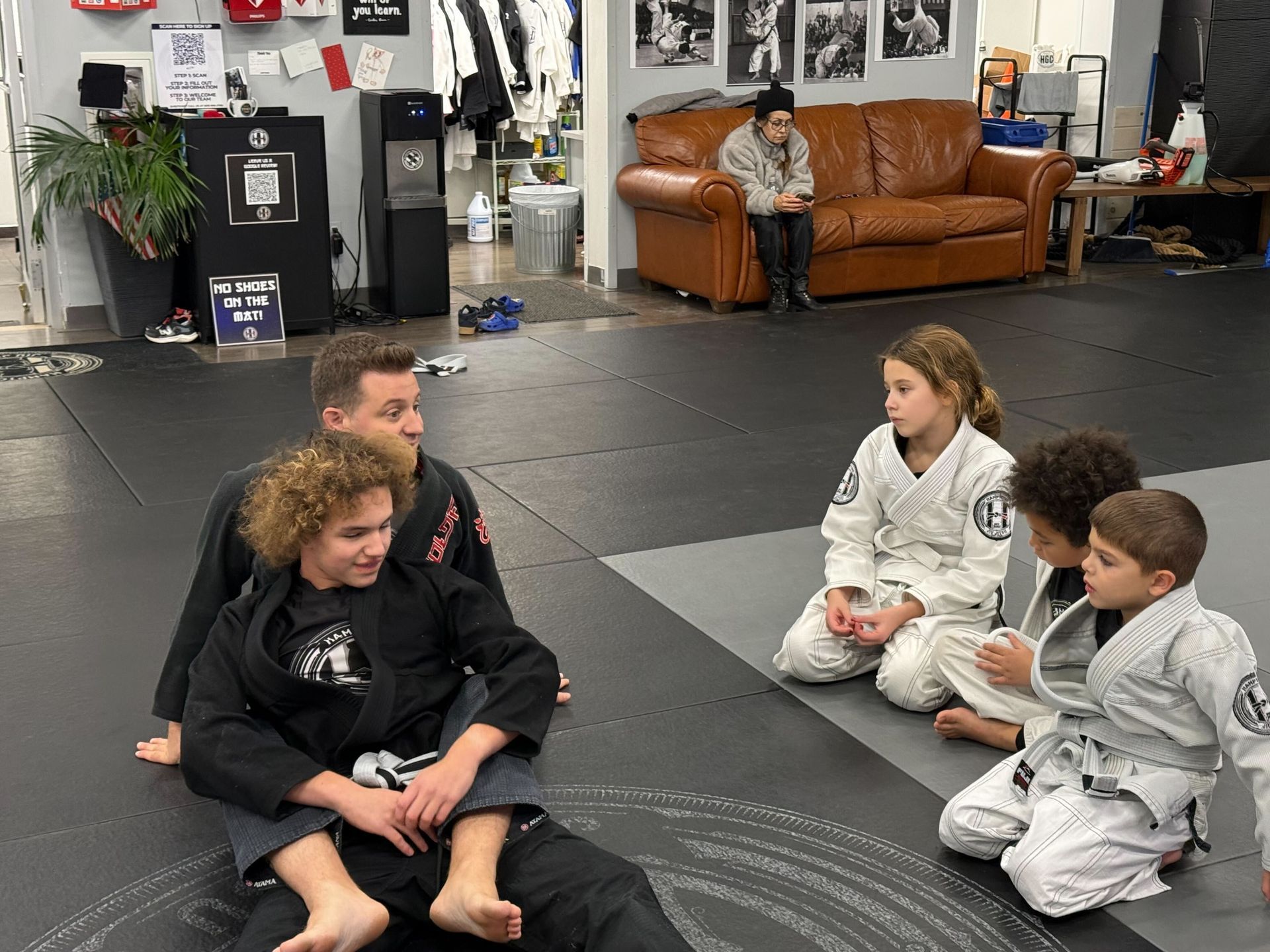
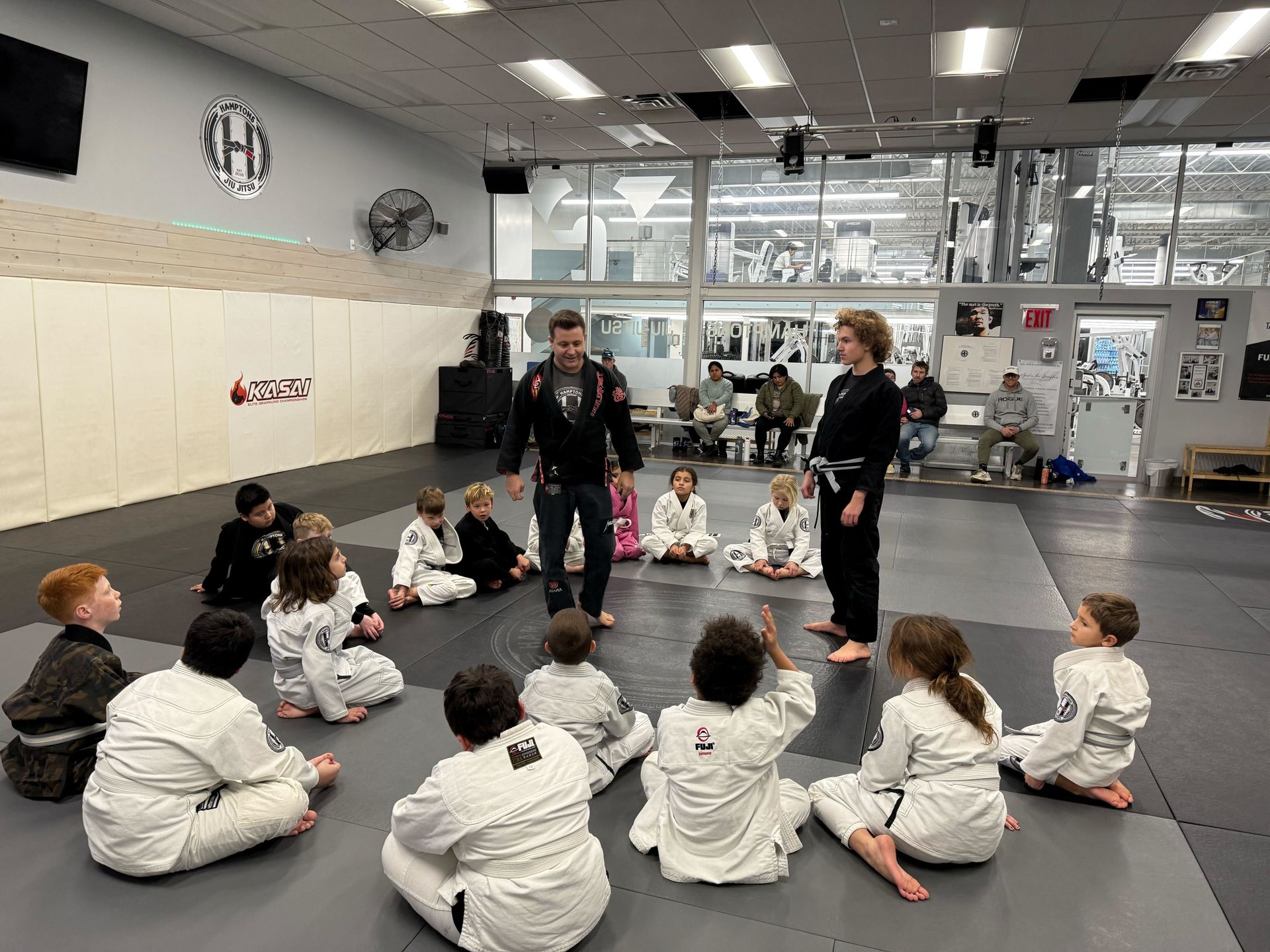
Most classes follow a rhythm that helps you learn quickly and safely. We start with a warm-up that supports jiu jitsu movement: hips, shoulders, core, and the kind of coordination that makes ground movement smoother. Then we teach technique with a clear theme, followed by drilling where you repeat the movement until it starts to feel natural.
Live training is where the magic happens, but we do it progressively. You might start with positional sparring, where you begin in a specific position and work one goal, like escaping side control or maintaining mount. That gives you focus and keeps the chaos down. Over time, you add more open rounds as you gain confidence and control.
If you are nervous about sparring, that is normal. We do not treat sparring as a personality test. We treat it as practice, and you can ramp up gradually.
Jiu jitsu for different goals: fitness, self-defense, competition, and stress relief
People come to jiu jitsu for different reasons, and those reasons can change. Some students start for fitness, then realize the self-defense benefits. Others start for stress relief, then discover they love the technical depth and want to test themselves in competition.
We support multiple paths because inclusion also means goal inclusion. If your goal is to feel better in your body, we help you build consistency and recover well. If your goal is self-defense, we focus on distance management, grips, controlling positions, and making smart choices under pressure. If your goal is competition, we bring structure, standards, and accountability.
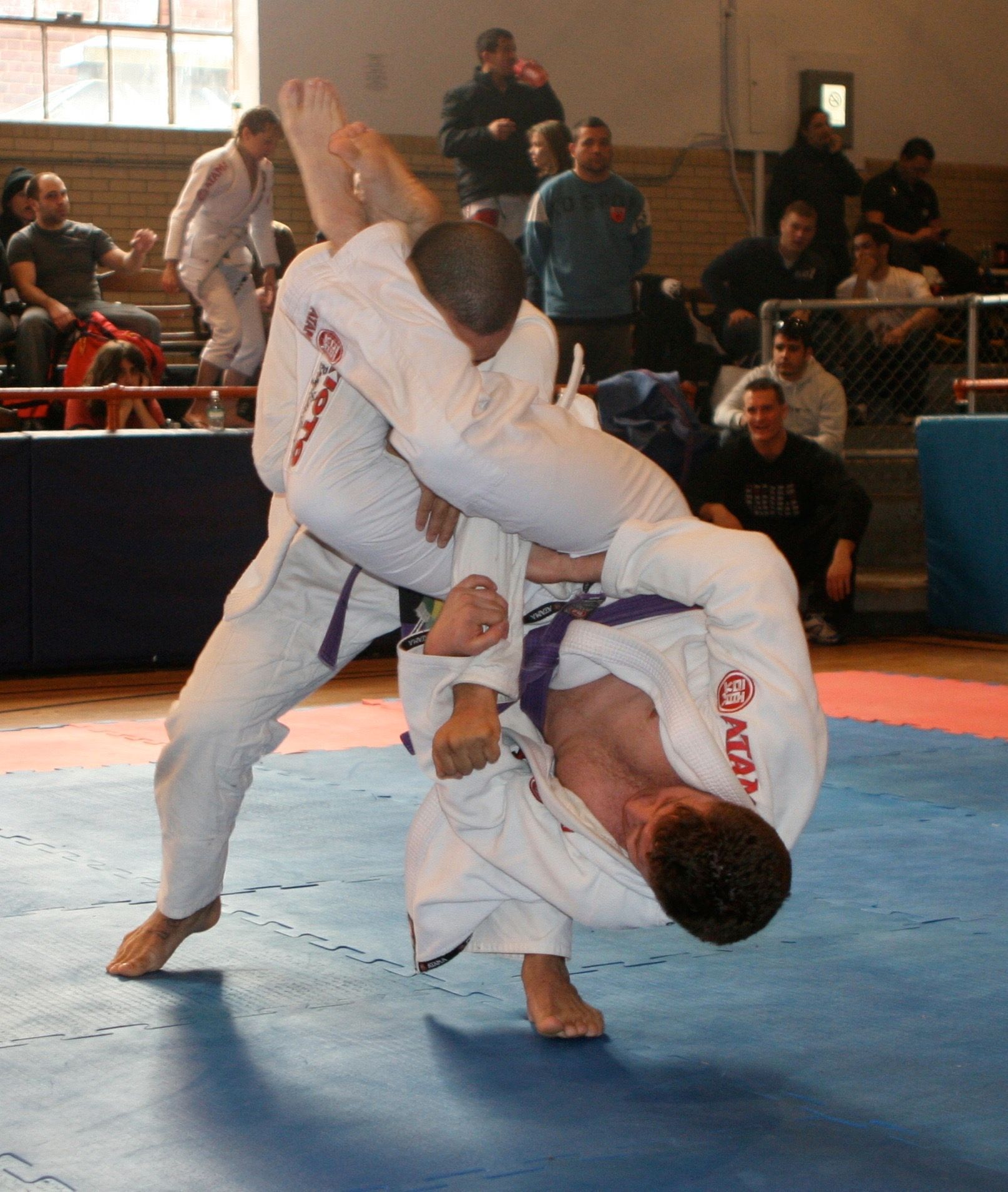
Our team competes in IBJJF events, and we track performance metrics like medals and standout results. That matters even if you never plan to compete, because it reflects a serious approach to fundamentals and coaching. You benefit from a room where technique is tested and refined, then taught in a way that is accessible.
How we personalize your start without overwhelming you
Personalization does not have to be complicated. Often it is small decisions that make a big difference: which position we start you in, which grips we prioritize, and how we pace your rounds.
If you want extra guidance, private training can be a strong option, especially early on. Industry-wide, experienced black belts often charge around 50 to 100 dollars per hour for private lessons, and those sessions can accelerate your comfort level because we can tailor details to your body and your learning speed. For some people, one or two privates takes the edge off the learning curve, then group classes feel much easier.
We also encourage you to use the class schedule page to build a routine you can actually keep. Consistency beats intensity, especially in the first few months.
Quick ways to make your first month more comfortable
Here are a few habits we recommend if you want your first month of jiu jitsu to feel steady and doable:
• Arrive a little early so you can breathe, meet us, and get oriented before class starts
• Tap early and often while you learn ranges of motion, especially around shoulders, elbows, and knees
• Choose a pace that lets you remember what happened, because learning beats chaos every time
• Wash your gi and training gear consistently, since good hygiene is part of being a great teammate
• Ask one question after class, even a small one, so you build confidence in your learning process
These are simple, but they work. And once you settle in, the mat starts to feel like a place you can return to week after week.
Take the Next Step
If you want jiu jitsu in Southampton NY that stays welcoming without watering down the art, we are ready to help you start in a way that fits your body and your goals. At Hamptons Jiu-Jitsu, we keep training structured, safety-minded, and genuinely challenging, so you can build skill and confidence over time.
When you are ready, check the class schedule, come in for a trial, and let us guide you through the fundamentals step by step at Hamptons Jiu-Jitsu.
Continue your martial arts journey beyond this article by joining a class at Hamptons Jiu-Jitsu.
ACCESS OUR SCHEDULE
& EXCLUSIVE WEB SPECIAL
Secure your spot and get started today with our EXCLUSIVE offer!