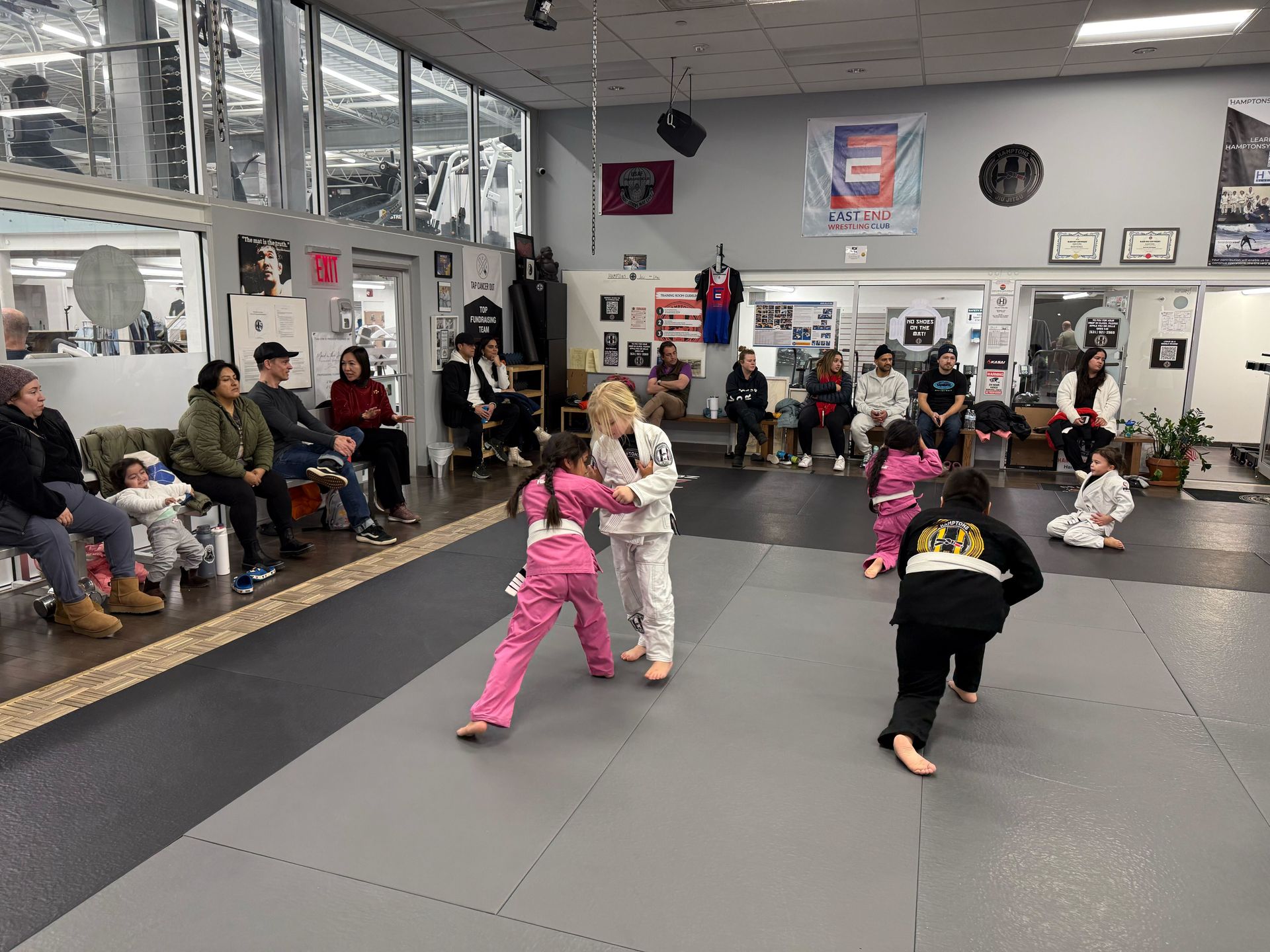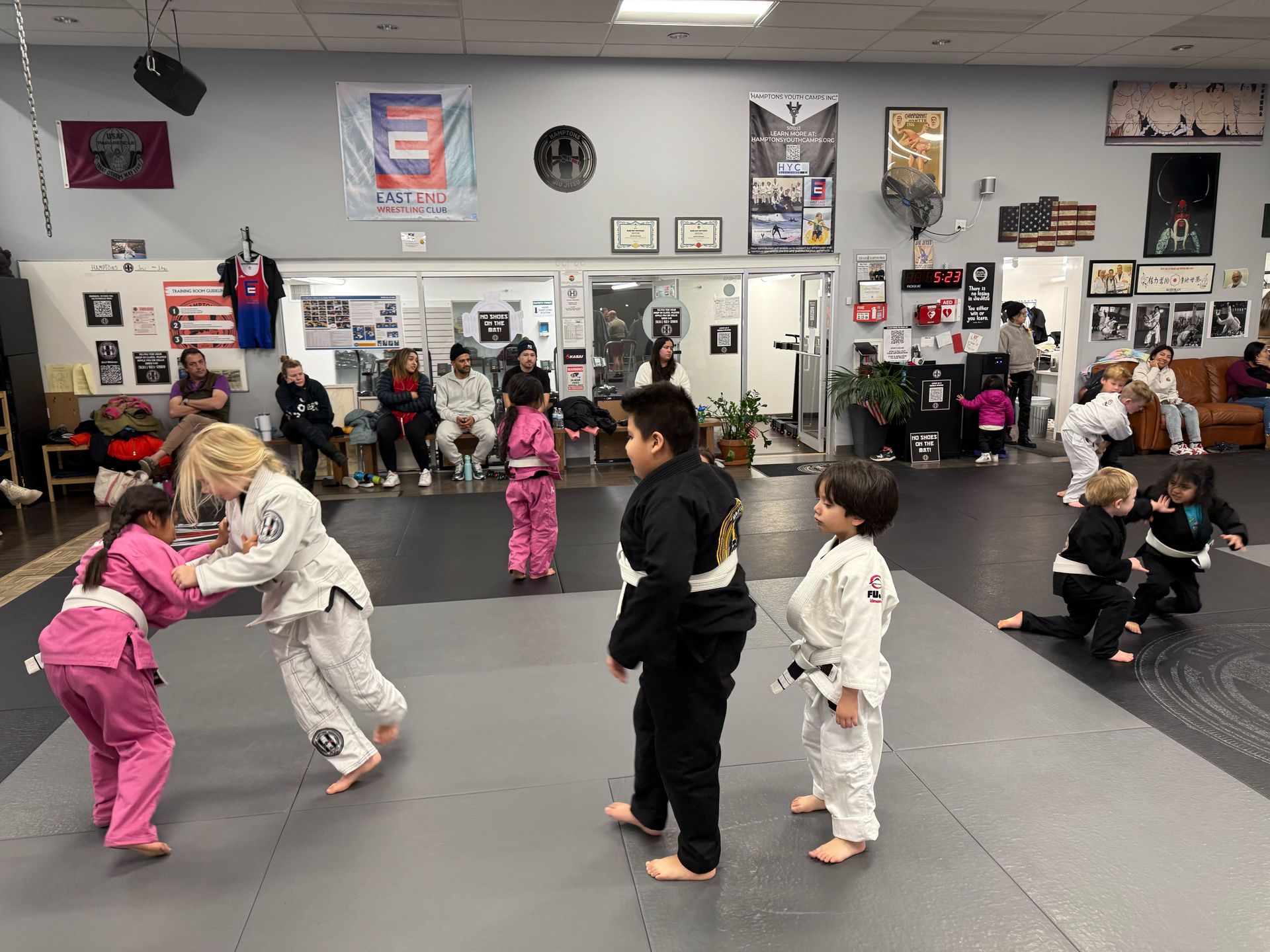

How Youth Jiu Jitsu Boosts Academic Success for Southampton Kids
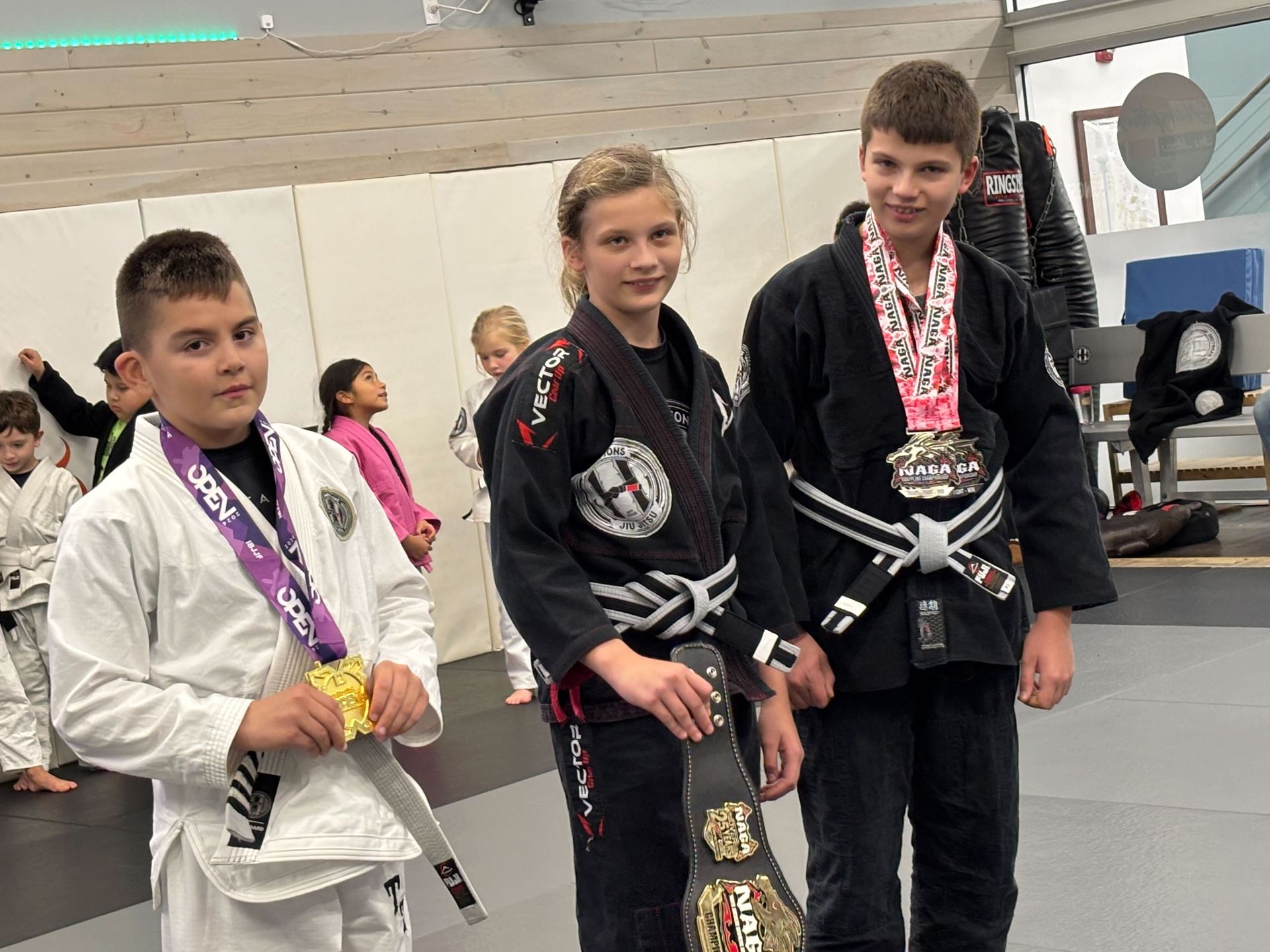
Youth jiu jitsu can turn “I can’t” into “I’ll figure it out” - the same mindset great students use every day.
In Southampton, school expectations can feel intense, even for kids who genuinely like learning. Between homework, tests, sports, screens, and social pressure, many families end up asking the same question: what activity actually helps a child do better in the classroom, not just stay busy?
We see a clear pattern with youth jiu jitsu: when kids practice consistently, school tends to feel more manageable. Not because training magically makes math easier, but because it builds the underlying skills that support learning - focus, persistence, emotional control, and the ability to problem-solve under pressure.
This matters for families looking for martial arts in Southampton that go beyond “burning energy.” Our goal is to help your child build habits on the mat that show up in homework time, classroom behavior, and confidence with challenges.
Why Youth Jiu Jitsu Connects So Well to School Success
Youth jiu jitsu is often described as physical chess, and that comparison is more than a catchy line. In class, your child constantly processes positions, timing, leverage, and options. That thinking style mirrors what strong students do: analyze, choose, adapt, and keep going after a setback.
Recent research and large practitioner surveys point to the same themes we coach every day: discipline improves when progress is measured over time, resilience grows through controlled adversity, and emotional balance improves when kids learn to breathe, reset, and try again. That combination supports academic performance because school is, in its own way, a long game too.
Just as important, our training environment is structured. Kids know what to expect, what respectful behavior looks like, and how to follow directions even when something is difficult. That structure becomes a kind of practice run for classroom success.
Focus and Attention: Training the “Stay With It” Skill
A common academic struggle we hear about in Southampton is attention drift - starting homework strong, then fading quickly. Youth jiu jitsu helps because it rewards staying present. If your mind wanders, you lose position. If you rush, you make mistakes. Kids learn, gently but clearly, that attention matters.
In our classes, focus is trained in small chunks that add up:
- Listening to a short set of instructions, then applying it right away
- Paying attention to details like grips, posture, and angles
- Resetting quickly after a mistake instead of shutting down
That kind of repeated “focus loop” builds mental endurance. Over time, many parents tell us homework becomes less of a battle because the habit of finishing a task is stronger.
What Focus Looks Like on the Mat (and in the Classroom)
On the mat, focus means hands and feet in the right place, eyes up, and responding to your partner’s movement. In school, it’s staying with a reading passage, checking work, and catching small errors before turning something in.
We also like that focus in jiu jitsu is active, not passive. Kids are engaged, moving, reacting, thinking. For many students, that’s the missing link: training attention in a way that feels real, not forced.
Discipline That Sticks Because Progress Takes Time
If you’ve ever watched a child chase a new hobby for two weeks and then drop it, you know how rare long-term discipline can be. One of the strongest academic benefits of youth jiu jitsu is that improvement is slow enough to require patience, but steady enough to feel rewarding.
In Brazilian Jiu-Jitsu, belts and skill milestones come from consistent practice, not quick wins. Survey data shows that ranking up commonly takes years, not months, which reinforces an important message for students: effort today matters even when results aren’t immediate.
That mindset translates directly to school:
- Studying a little each week instead of cramming
- Accepting feedback without feeling embarrassed
- Building skills through repetition, not shortcuts
We keep expectations clear in class, which makes discipline feel normal. Kids learn when to be playful and when to lock in, and that flexibility is exactly what teachers want in a classroom.
Resilience: Learning to Fail Safely and Try Again
Academic confidence often breaks when kids connect mistakes with identity: “I missed a question, so I’m bad at this.” Youth jiu jitsu gives kids a different script. On the mat, everybody gets stuck sometimes. Everybody taps sometimes. And it’s not a crisis, it’s information.
That’s a powerful emotional lesson. It teaches your child to separate “I lost that moment” from “I’m not capable.” Over time, kids become less reactive to setbacks, which can improve test performance, presentations, and even the willingness to ask for help.
In practical terms, we build resilience by:
- Normalizing mistakes during drills
- Coaching kids to reset with breathing and posture
- Reinforcing effort and decision-making, not just outcomes
That approach supports stress management, which is one of the quiet drivers of better grades.
Problem-Solving Skills That Support STEM and Reading Comprehension
Youth jiu jitsu is full of puzzles: How do you escape this position? How do you keep balance? What happens if your opponent changes direction? Kids learn to test options and think a few steps ahead.
That kind of strategic thinking connects to academics in a few ways. In math and science, students must follow a process, spot patterns, and adjust when a method doesn’t work. In reading and writing, students need to interpret what’s happening, predict outcomes, and organize responses.
We coach kids to ask simple, useful questions:
- What is the problem right now?
- What are my safest options?
- What happens if I try this?
- If that fails, what’s the next step?
That habit of structured thinking can carry into schoolwork. It’s one reason families looking for youth jiu jitsu in Southampton NY often mention “better decision-making” long before they talk about athletic performance.
Emotional Balance: Better Self-Control Under Pressure
Southampton kids deal with pressure in different forms: grades, social dynamics, schedules, and sometimes perfectionism. In youth jiu jitsu, your child practices staying calm in uncomfortable situations. That might sound intense, but it’s done in a controlled, coached setting where safety and respect come first.
This is where training can help with test anxiety and classroom nerves. When a child learns to regulate breathing and slow down while solving a physical problem, that skill can transfer to staying steady during a timed quiz or a stressful group project.
We also emphasize respectful behavior as part of the culture. Kids practice:
- Waiting their turn
- Being a good partner
- Handling winning without bragging
- Handling losing without melting down
Those behaviors show up in school as better classroom conduct and stronger peer relationships, which can indirectly support academic success too.
Physical Fitness and Brain Readiness for Learning
We don’t pretend fitness automatically equals higher grades, but physical readiness supports learning more than most people realize. Studies on youth martial arts programs like judo and karate show measurable improvements in agility and coordination after months of consistent training. Those gains matter because movement, balance, and coordination are linked to attention, sleep quality, and overall readiness to learn.
Youth jiu jitsu builds athletic basics that help kids feel capable in their bodies:
- Coordination and body awareness
- Core strength and posture
- Controlled movement under changing conditions
- Safer falling and landing mechanics
For many kids, especially those spending a lot of time on screens, this kind of full-body activity is a reset. Better sleep and better energy can make the school day feel less exhausting.
What a Typical Week Can Look Like Without Overloading Your Child
Families sometimes worry that adding martial arts in Southampton will create schedule chaos. We get it. The sweet spot for most students is consistency without burnout. Training two to three times per week is often enough to build momentum, reinforce habits, and still leave space for homework and downtime.
Here’s how we suggest families think about it:
1. Pick a realistic frequency your child can sustain during the school year
2. Use training days as anchors for routine: snack, class, homework, bedtime
3. Keep rest days truly restful so your child can recover and focus
4. Track changes in behavior, sleep, and homework habits over 8 to 12 weeks
5. Adjust as school demands shift, especially during exam periods
This matters because the academic benefits of youth jiu jitsu build over time. Many families notice early improvements in confidence and behavior within a couple of months, with stronger focus and resilience developing as training becomes a normal part of life.
Safety, Confidence, and the Anti-Bullying Side of Training
Safety is a fair question. Youth jiu jitsu involves close contact, but our coaching prioritizes control, technique, and age-appropriate training. We progress skills step by step and keep the environment supportive. For most kids, the biggest “risk” early on is simply learning how to move and cooperate with partners, which is exactly what we coach.
Confidence often rises because kids learn practical skills and feel what it’s like to stay calm under pressure. That confidence can reduce bullying risk in two ways: your child carries themselves differently, and your child learns boundaries and composure.
We also reinforce that jiu jitsu is for self-control, not showing off. That message is important for school environments where impulsive behavior can create problems quickly.
Take the Next Step
If you want an activity that supports grades without turning your child’s life into nonstop tutoring, youth jiu jitsu is one of the most practical options we’ve seen. It builds the foundational habits behind academic success: focus, resilience, problem-solving, and emotional control, all while giving kids a positive place to move and grow.
At Hamptons Jiu-Jitsu, we designed our youth program to fit Southampton families who value both personal development and school performance. If your child needs a stronger routine, better stress management, or just a place to build confidence the right way, we’re ready to help.
Support your child’s personal growth on and off the mats through youth training at Hamptons Jiu Jitsu.
ACCESS OUR SCHEDULE
& EXCLUSIVE WEB SPECIAL
Secure your spot and get started today with our EXCLUSIVE offer!