
How Youth Jiu Jitsu Helps Southampton Kids Build Lasting Friendships
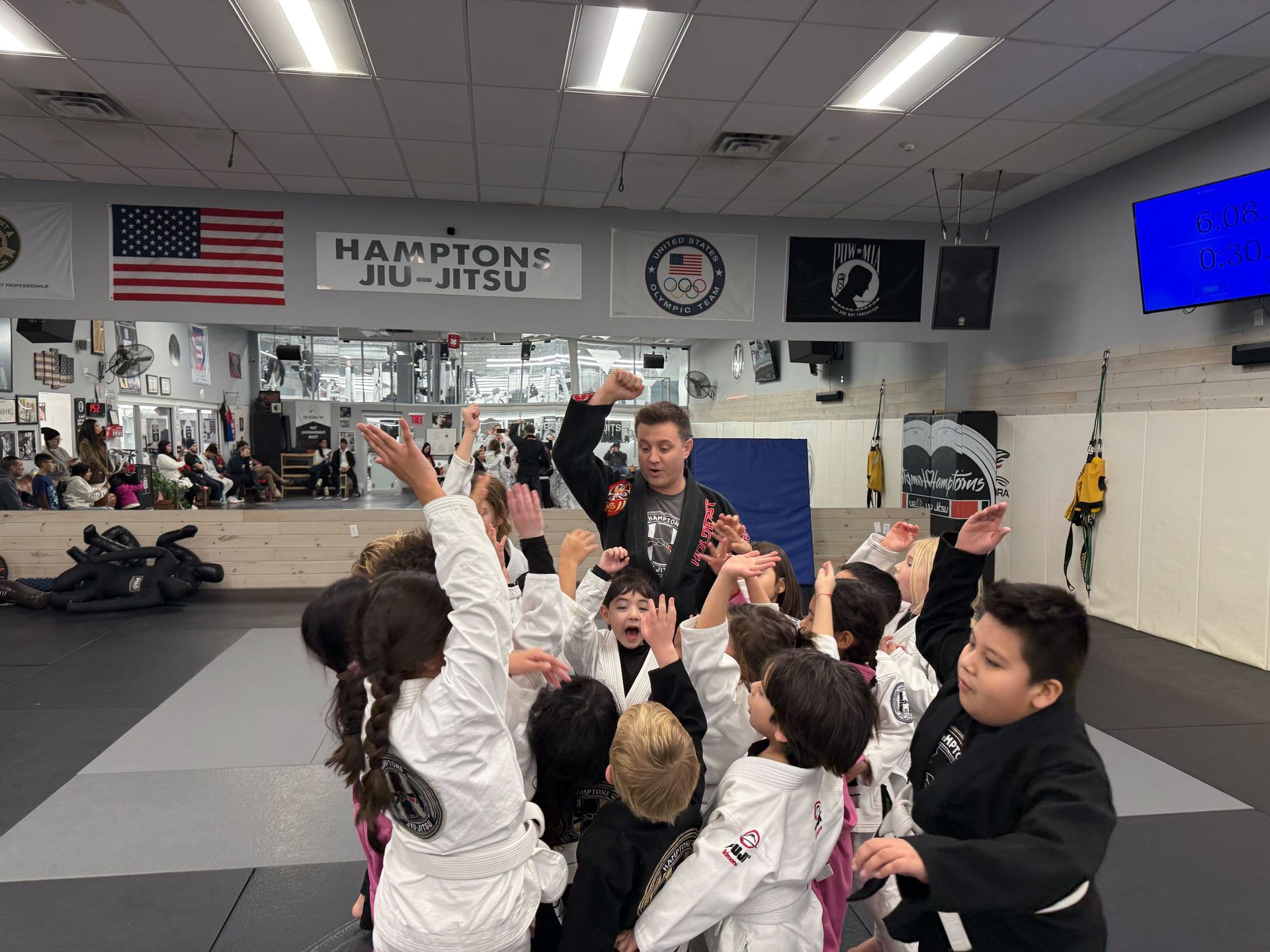
Youth jiu jitsu turns partner drills and shared wins into real friendships that follow kids off the mats.
If you are looking at youth jiu jitsu for your child, you are probably thinking about confidence, fitness, and safety. Those matter, and we take them seriously. But one of the most overlooked benefits we see in our academy is how quickly kids start connecting with each other in a healthy, supportive way.
Southampton can be a busy place for families, and kids can end up with packed schedules but surprisingly few true friendships that feel steady. Youth jiu jitsu gives kids something simple and powerful: a consistent group, a shared challenge, and a reason to work together week after week. Over time, that routine becomes community, and community becomes friendship.
Why youth jiu jitsu builds friendships faster than many activities
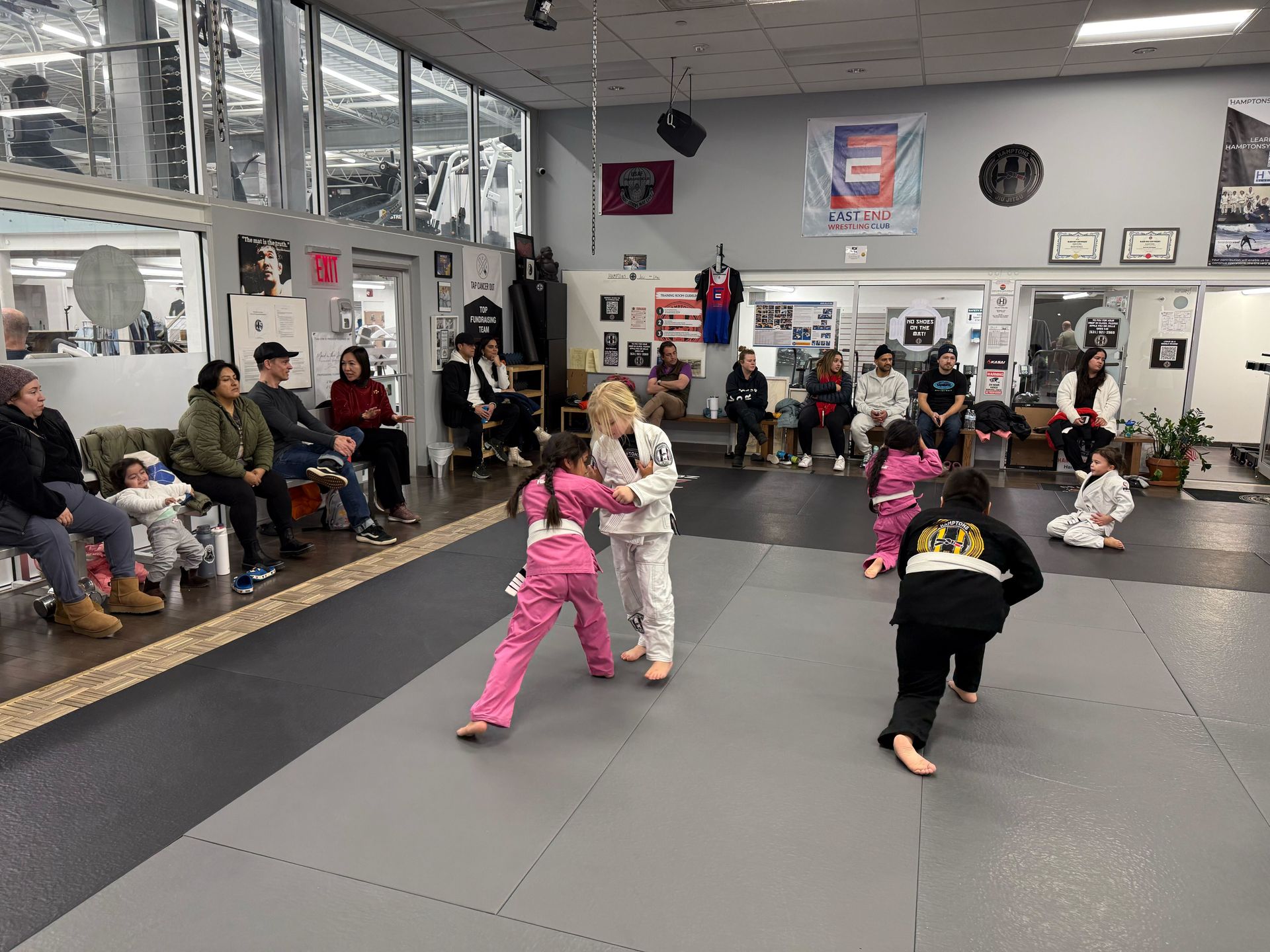
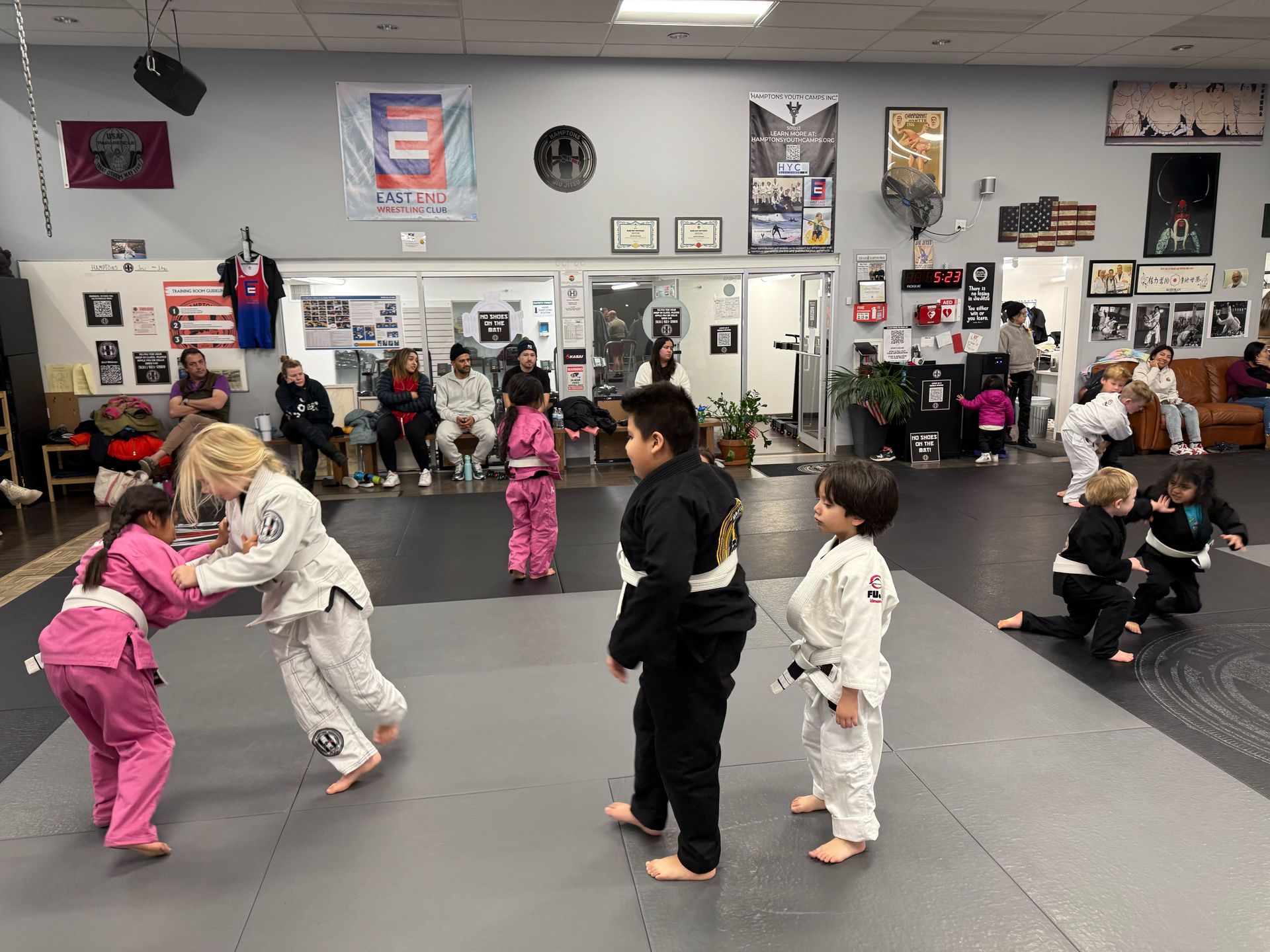
Most kids activities are side by side. Jiu-jitsu is face to face, but in a structured, respectful way. Our classes are built around partner training, which means your child is not just in a room with peers, your child is actively working with peers.
In youth jiu jitsu, kids learn how to communicate under a little pressure, how to take turns being the helper and the learner, and how to reset after mistakes. Those are exactly the moments where social confidence grows. And when kids feel socially confident, friendship becomes a lot easier.
Partner training creates instant connection
Every class includes partnered drills. Kids practice a technique, then switch roles. That switching matters. It teaches empathy in a very practical way: one moment your child is trying to get a move right, the next moment your child is helping someone else get it right.
We match partners thoughtfully and rotate often, so kids do not get stuck only training with one friend or one personality type. Over time, kids build comfort with different classmates, which makes the group feel welcoming instead of cliquey.
Shared discomfort turns into shared pride
Learning grappling can feel awkward at first, and that is normal. Kids have to learn how to move their bodies in new ways, how to stay calm when someone is holding them, and how to keep going when something does not work.
When two kids go through that learning curve together, something clicks. They remember who helped them, who encouraged them, and who kept it fun. That is how you get friendships that are not based on being in the same grade, but on growing together.
The social skills your child practices every single class
Friendship is not just about finding the right people. It is also about learning the skills that keep relationships strong. Our youth jiu jitsu classes are a steady, weekly place to practice those skills with guidance.
Respectful physical boundaries
Jiu-jitsu is a contact sport, but it is controlled contact. Kids learn consent and control in simple terms: ask, listen, tap, stop. That pattern helps kids understand boundaries clearly, and it transfers to everyday interactions.
When kids trust that partners will stop when asked, the room feels safe. And safety is the foundation for friendships that last.
Communication without the awkwardness
A lot of kids struggle to start conversations, especially if school social circles feel set in stone. On the mats, kids do not need a perfect opener. They have a task to do together.
Even shy kids usually start talking in small, natural ways:
- Can you show me that step again
- Wait, where does my hand go
- Nice, you got it that time
Those little exchanges build familiarity. Familiarity becomes comfort. Comfort becomes friendship.
Handling conflict in a healthy way
In youth jiu jitsu, kids will occasionally feel frustrated. Maybe a partner is stronger. Maybe someone keeps escaping. We treat those moments as coaching opportunities, not personal drama.
Kids learn to take a breath, reset, and try again. They also learn how to be a good partner even when they are competitive. That is a life skill, and it helps kids keep friends instead of burning bridges when things get intense.
How our class structure supports friendships without forcing it
We do not manufacture friendships with cheesy icebreakers. We build an environment where friendships happen naturally because kids feel supported and included.
Our classes usually flow through warmups, technique, drilling, and supervised sparring. That routine does more than teach skills. It helps kids feel oriented and less socially anxious because they know what is coming.
Small wins are shared wins
Kids celebrate progress in small, real ways. A new escape. A cleaner bridge and shrimp. A first successful guard pass. Those wins often happen because a partner gave good resistance, or because a teammate explained a detail.
We encourage kids to notice that. When your child learns to say, thanks, that helped, your child is practicing gratitude and teamwork in the moment, not as a lecture.
Rotations prevent exclusion
One issue in many youth activities is the feeling of being left out. Partner rotations solve a lot of that. Everyone trains with everyone, within reasonable size and experience groupings, and the social pressure to find a partner disappears.
That matters for new students. When your child joins youth jiu jitsu in Southampton NY, the first few classes can feel like walking into a room where everyone already knows each other. Rotations make it easier to break in quickly, because the structure does the social work.
Youth jiu jitsu and the Southampton reality: busy kids, screen time, and isolation
Even in a community that offers plenty of enrichment, kids can still feel isolated. A lot of friendships now happen through devices, and that is not all bad, but it can make in-person connection feel harder.
Martial art classes in Southampton give kids a regular reason to show up, move, and engage. On the mats, kids have to read body language, manage personal space, and respond in real time. Those are the exact social muscles that screens do not train.
We also notice that kids who train together often end up encouraging each other outside of class too. School feels less intimidating when your child knows a few familiar faces from the academy, and those relationships tend to be supportive because they were built on mutual effort.
Competition and team experiences that strengthen bonds
Not every child wants to compete, and we never treat competition as required. But for kids who are curious, tournaments can be a powerful friendship builder.
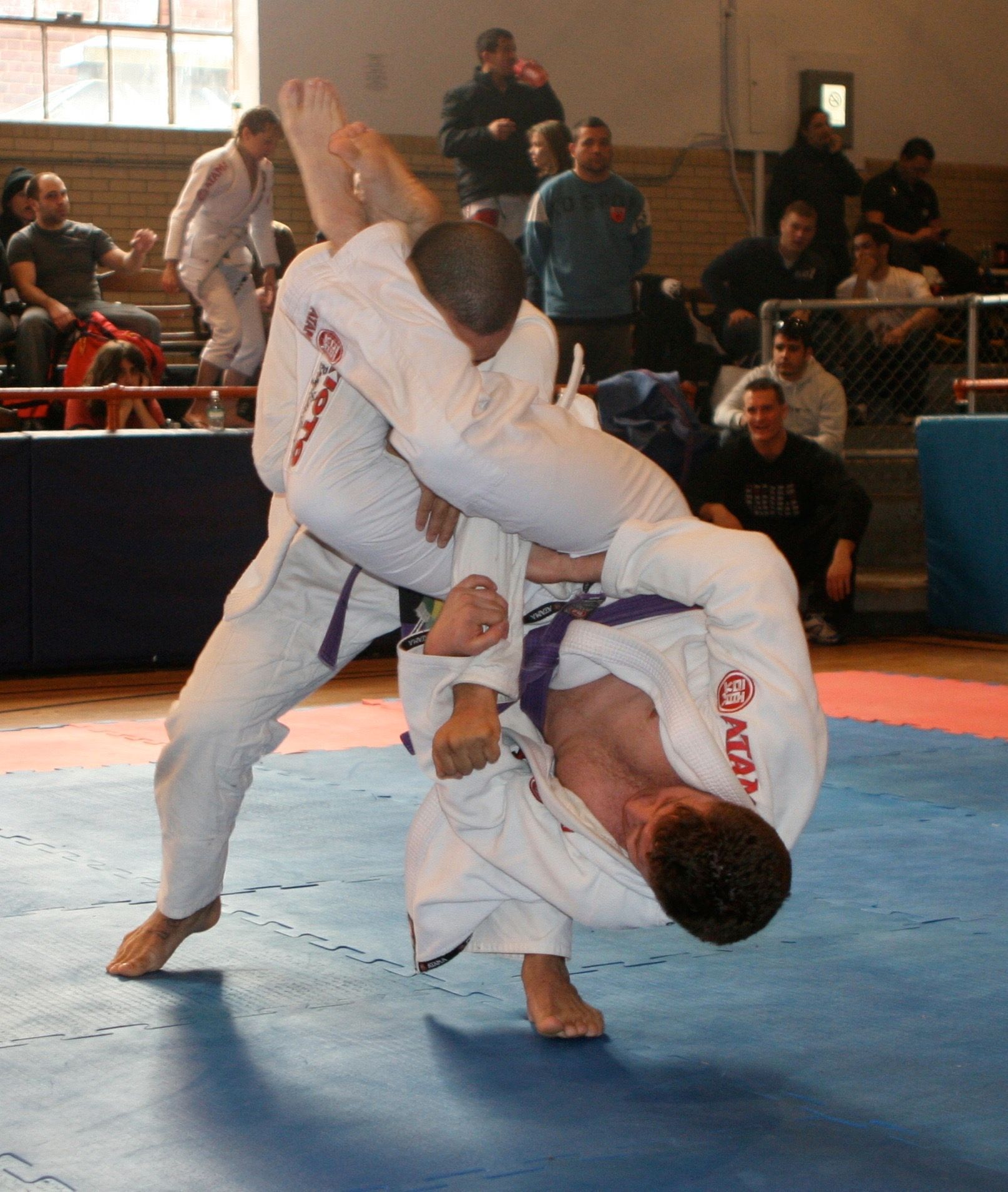
New York has a strong youth jiu-jitsu scene, with large kids events that draw hundreds of competitors across many divisions. When kids travel, warm up together, and cheer for teammates, the bond tightens. It becomes more than classmates, it becomes a team.
We prepare kids for that experience in a way that keeps it healthy. The goal is not just medals. The goal is learning how to show up with courage, support teammates, and handle nerves with composure.
What kids learn from tournament prep, even if they never compete
Competition training adds structure and accountability, and those are social as well as athletic. Kids learn to be dependable and to show up for partners.
Here are a few friendship-building lessons that come from that process:
- Being consistent because your teammates are counting on you in drills
- Giving supportive feedback instead of teasing or criticizing
- Managing excitement and disappointment without taking it out on friends
- Celebrating others wins sincerely, even when you are nervous about your own match
- Staying calm under pressure, which helps kids navigate school stress too
Even if your child decides competition is not for them, the preparation still creates a sense of shared mission that brings kids closer.
Safety, trust, and why those matter for friendship
Parents often ask if youth jiu jitsu is safe. It is a fair question. Safety is also directly connected to friendship, because kids bond when they feel secure.
Our youth program emphasizes technique over strength, clear rules, and close supervision. We teach tapping early, we keep sparring age-appropriate, and we focus on control. When kids know the expectations, they relax, and relaxed kids socialize better.
Trust builds in layers. First, your child trusts the instructors and the structure. Then your child trusts training partners. Then your child starts taking small social risks: asking questions, laughing, trying again after a mistake. That is where friendships start to stick.
Age groups, scheduling, and what to expect when your child starts
Most youth jiu jitsu programs are designed for kids roughly ages 5 to 14, and we group students by age and experience so training stays appropriate. If you are unsure where your child fits, we help you figure it out quickly.
You can check the class schedule page on the website to see current training times. Consistency is what makes youth jiu jitsu work socially. A once-in-a-while drop-in is fine, but the magic usually happens when kids see the same teammates regularly.
A simple path to getting started
Starting should feel straightforward. Here is how we recommend approaching the first few weeks:
1. Pick a realistic attendance plan your family can actually keep, even during busy seasons
2. Let your child be new for a bit, because comfort comes quickly but not instantly
3. Encourage your child to learn a few names, not to make a best friend on day one
4. Track small progress like improved confidence, not just techniques
5. Stick with it long enough for friendships to form, usually a few consistent weeks
When parents give kids that breathing room, kids usually settle in and start smiling on the way to class, which is a nice sign you are in the right place.
What lasting friendships look like in a youth jiu jitsu academy
The friendships we see forming here are not just about who is the loudest or the most athletic. They are often built between kids who might not have met otherwise. Jiu-jitsu mixes ages slightly within groups, encourages kindness in partnership, and gives kids a shared language of effort.
Over time, kids start to:
- Root for each other during sparring rounds
- Help newer students feel welcome
- Take pride in each others improvements
- Learn how to be competitive without being unkind
That combination is rare, and it is one reason families keep youth jiu jitsu as a long-term activity. The sport is deep, but the community is what makes kids want to return.
Take the Next Step
If your goal is to help your child find real connection while learning practical skills, youth jiu jitsu is one of the most reliable paths we know. We have built our kids program to be structured, safe, and social in the right way, where partners become teammates and teammates become friends.
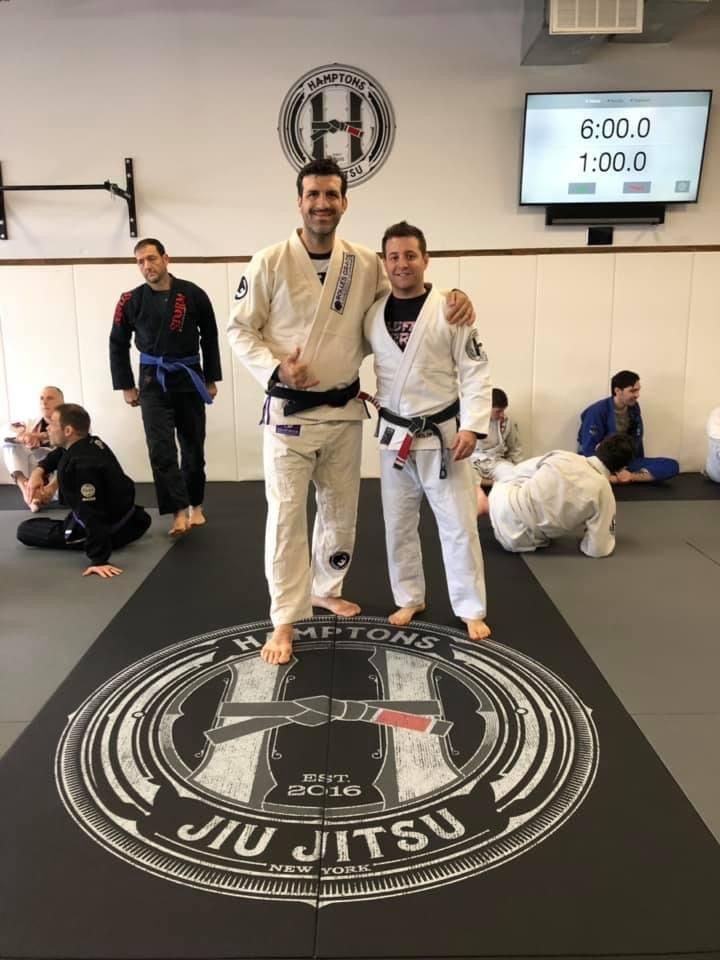
When you are ready, we would love to show you how our approach works in person at Hamptons Jiu-Jitsu in Southampton, NY, and help your child settle into a group that trains hard, supports each other, and keeps coming back.
Experience how consistent training can transform your fitness, confidence, and resilience at Hamptons Jiu Jitsu.
ACCESS OUR SCHEDULE
& EXCLUSIVE WEB SPECIAL
Secure your spot and get started today with our EXCLUSIVE offer!