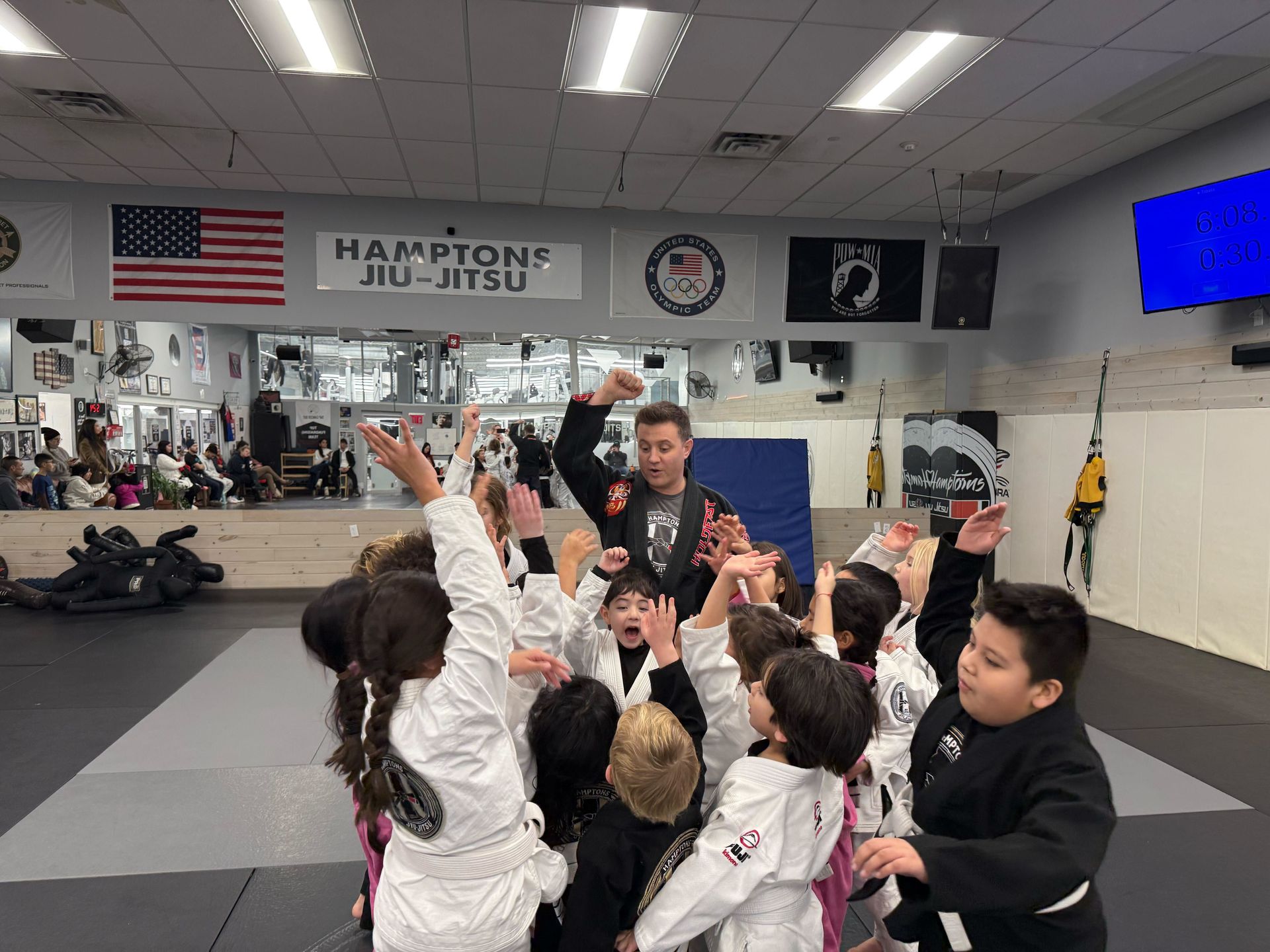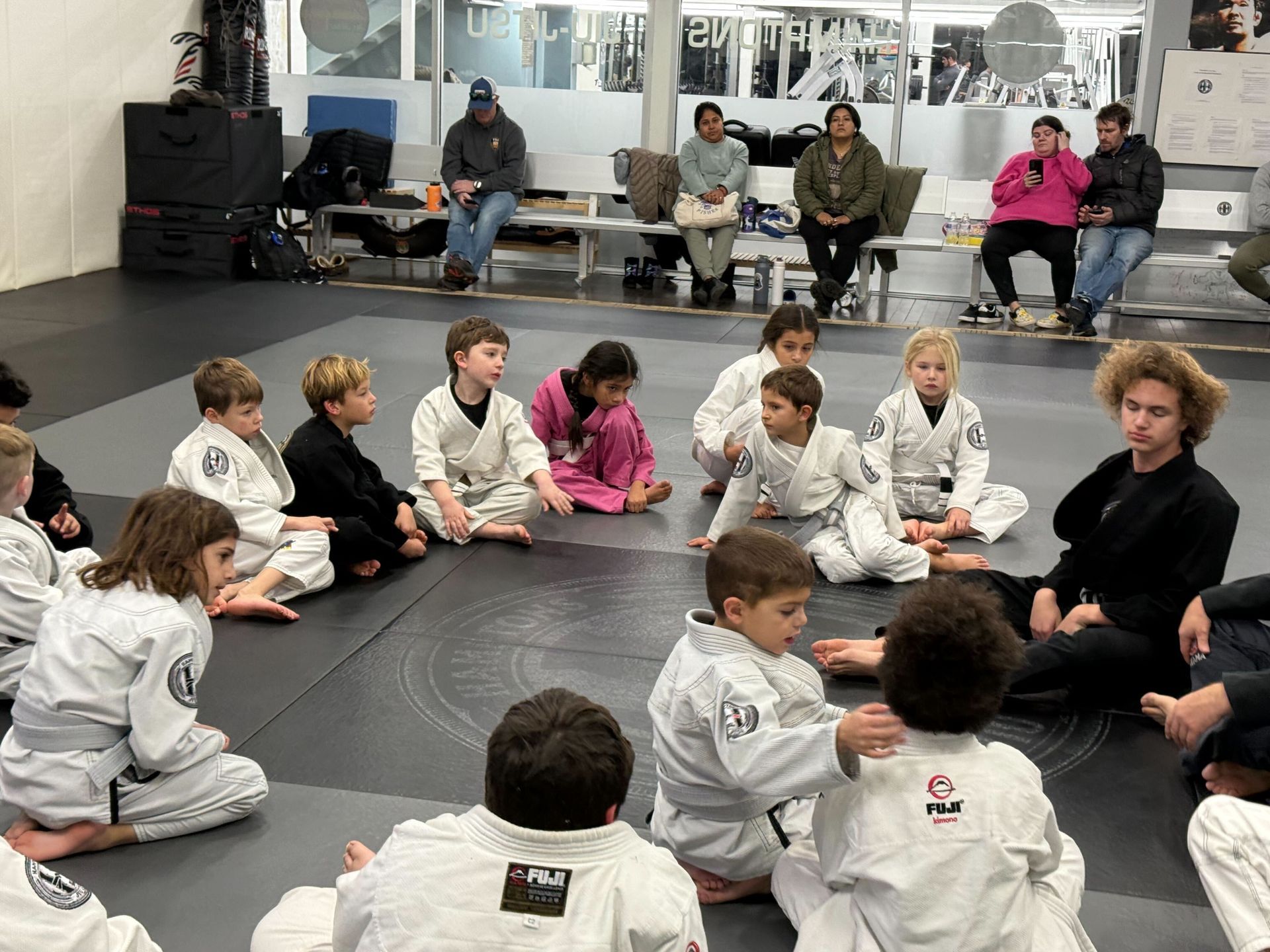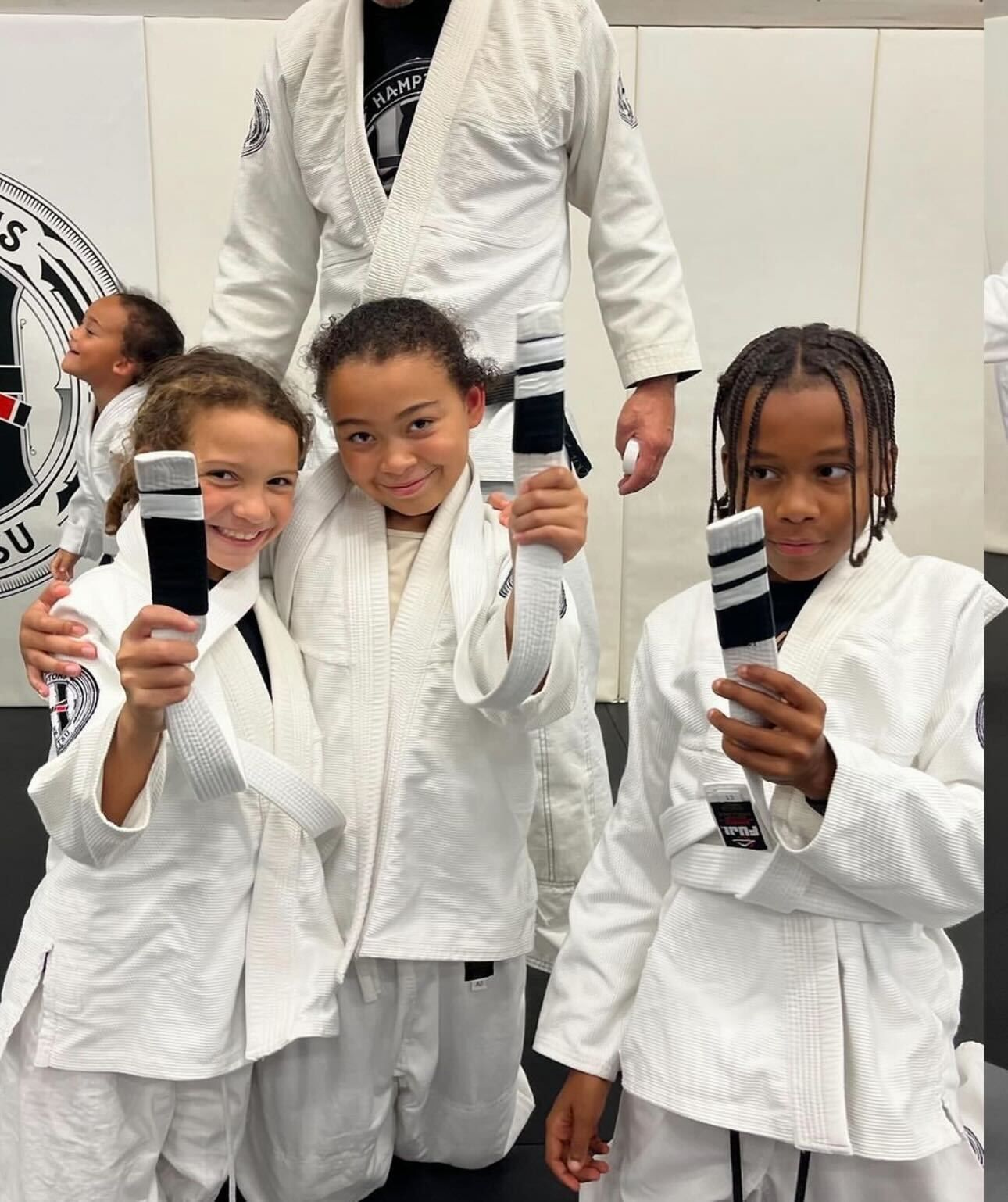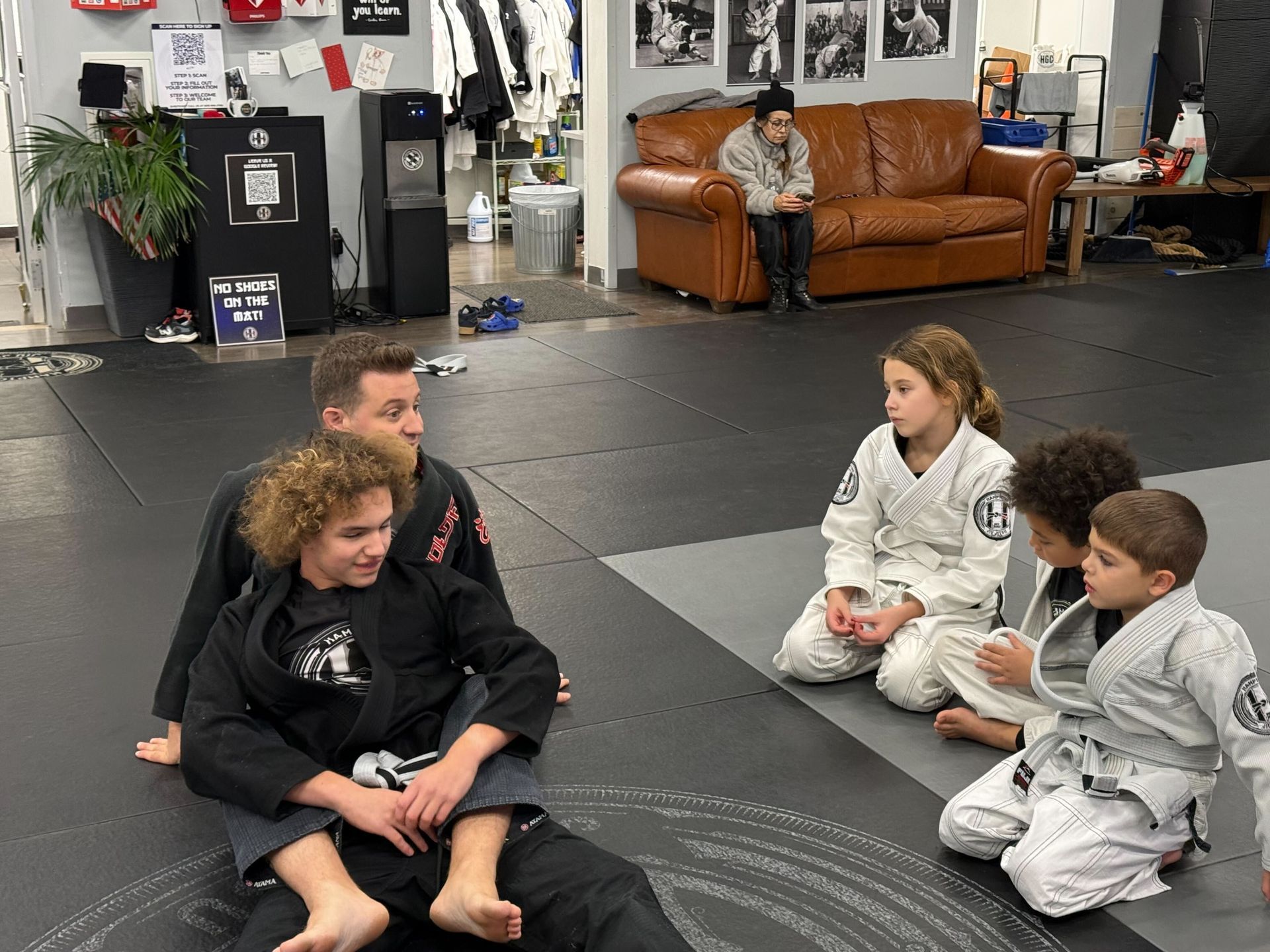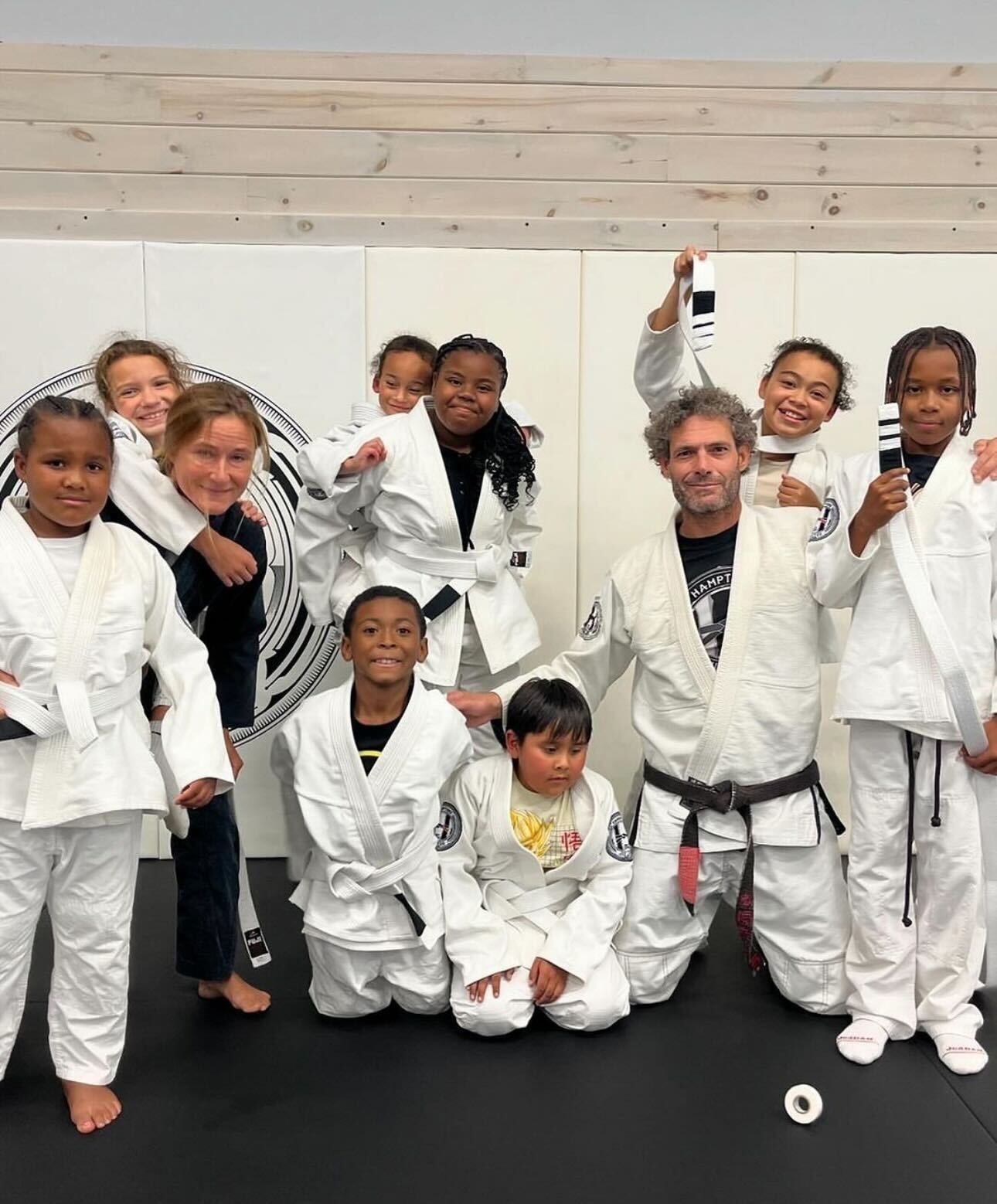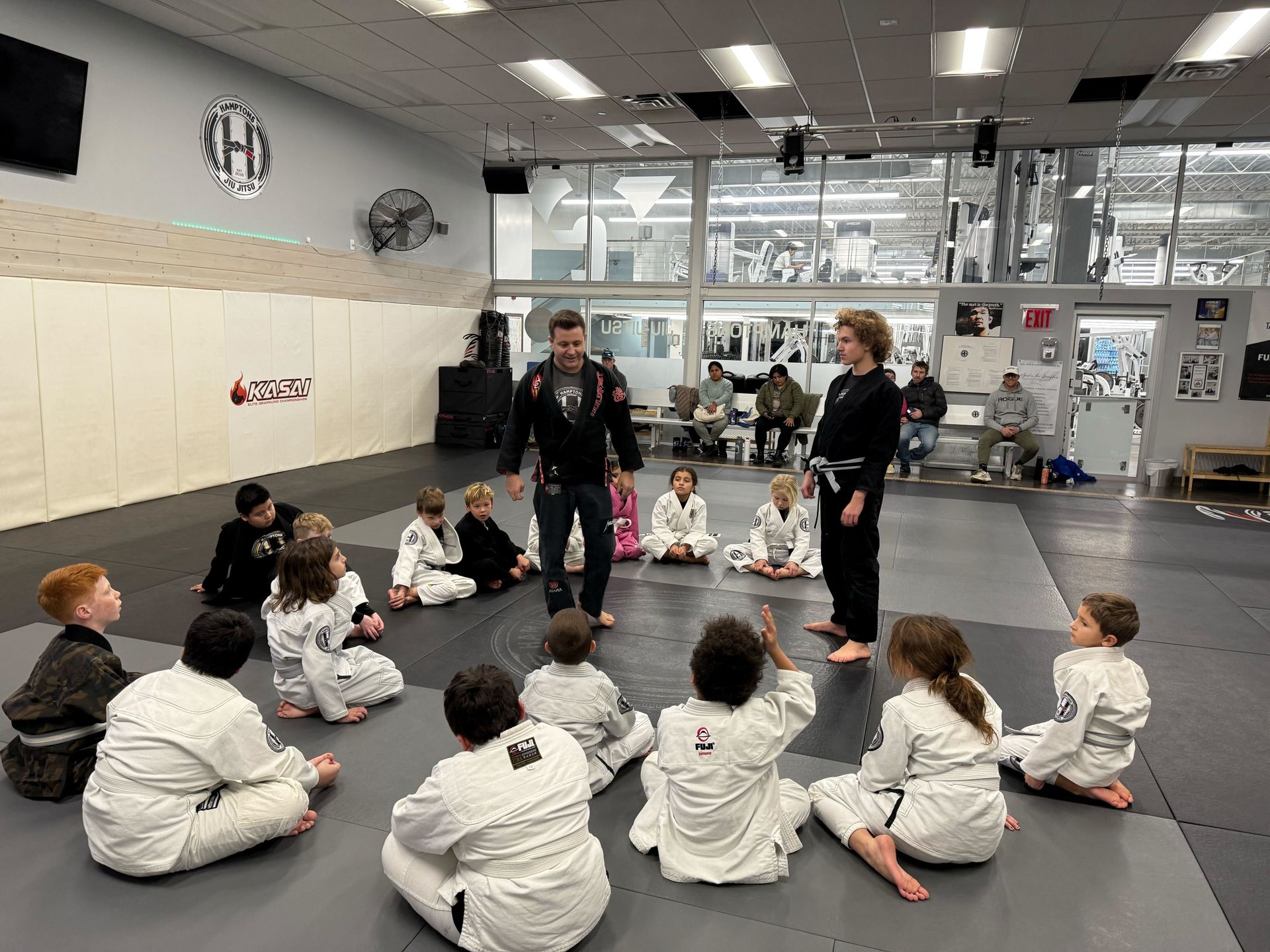

How Youth Jiu Jitsu Helps Southampton Kids Manage Stress and Anxiety
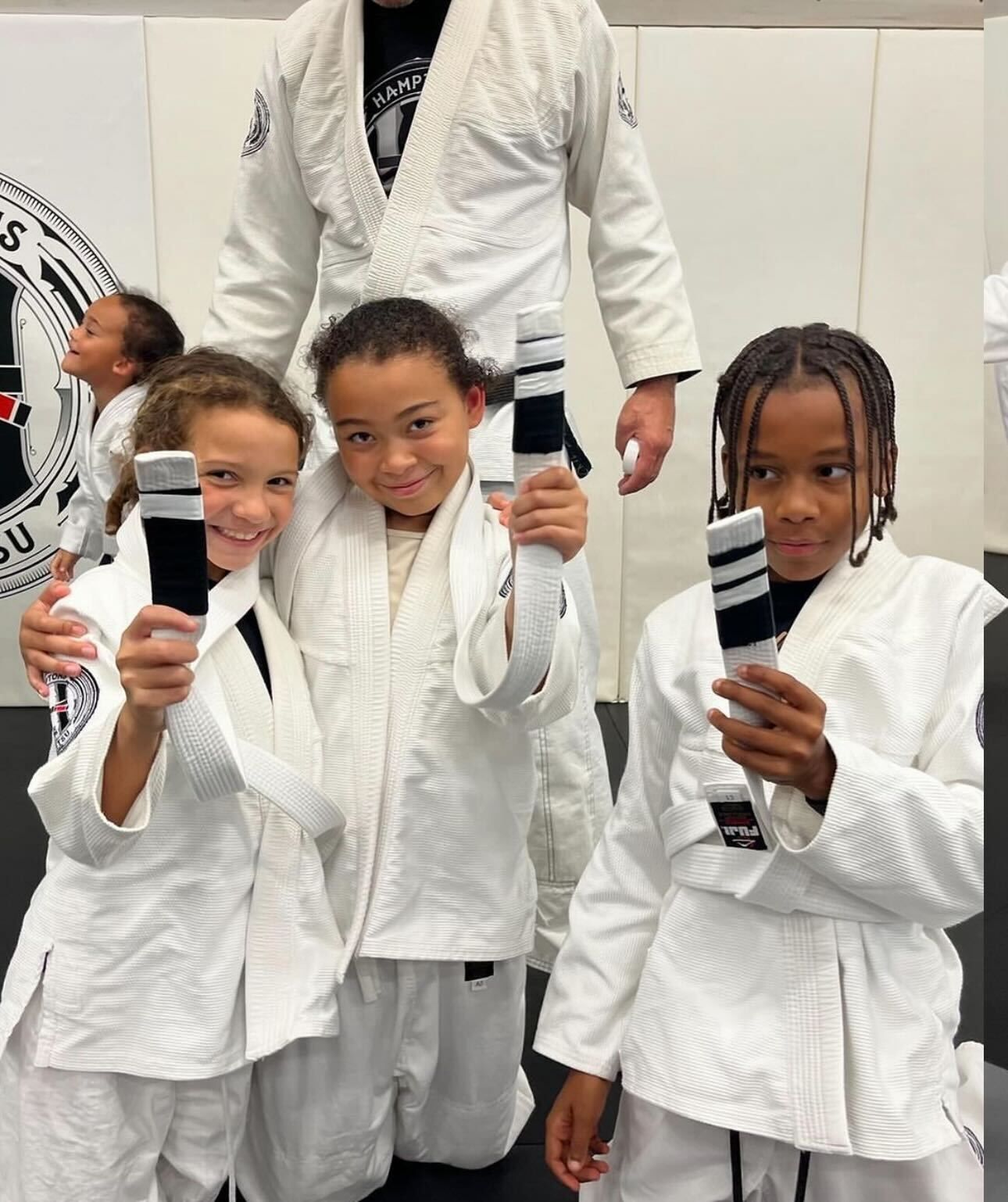
Youth jiu jitsu gives Southampton kids a reset button: movement, focus, and a calm that carries into school and home.
Stress shows up differently in every kid. Sometimes it looks like worry before school, trouble sleeping, stomach aches, or a short fuse over small things. In Southampton, we see plenty of pressures that can pile up fast: demanding academics, packed schedules, social expectations, and the seasonal pace that can make daily life feel a little louder.
That is why we talk about Youth jiu jitsu as more than a sport. It is a structured practice where kids move their bodies, learn how to breathe under pressure, and build real coping skills without needing to sit and explain every feeling first. And yes, the mental shift can be noticeable quickly, because physical training changes how the nervous system responds to stress.
Research and parent feedback line up with what we watch on the mats every week. Parent-reported results from youth Brazilian Jiu-Jitsu include minimized anxiety in 87.5 percent of participants, improved confidence in 96.4 percent, better mood in 92.8 percent, and stronger concentration in 78.6 percent. Those numbers are impressive, but what matters most is how your child feels walking out the door after class: steadier, lighter, and proud of the effort.
Why Southampton Kids Feel Stress So Intensely
Southampton is a great place to grow up, and it is also a place where kids can feel pressure early. Busy households, high achievement norms, and constant comparison can make it hard for a young nervous system to settle. Even kids who look “fine” can carry stress quietly.
Academic and performance pressure
A lot of kids here juggle schoolwork, extracurriculars, and expectations that would challenge many adults. When the brain stays in problem-solving mode all day, it can get stuck in a stress loop. That loop often shows up as irritability, avoidance, or shutting down rather than “I feel anxious.”
Social stress and seasonal shifts
Friend groups change, social media adds background noise, and summer crowds can make routines feel less predictable. Predictability matters for kids, especially when they are already sensitive or prone to worry. A consistent practice like youth jiu jitsu in Southampton NY gives them a stable weekly anchor.
Overstimulation and lack of true downtime
Many kids do not get real recovery time. Even “rest” can be full of screens, multitasking, or bouncing between activities. On the mats, we create a different kind of focus: one task at a time, with a coach guiding the pace.
The Science: How Youth Jiu Jitsu Calms the Nervous System
It helps to understand why this martial art can feel like a mental reset. Youth jiu jitsu blends movement, problem-solving, and controlled challenge, which is a powerful combination for stress regulation.
Endorphins and healthy fatigue
Physical training releases endorphins and helps regulate stress hormones such as cortisol. Kids leave class tired in the best way, not drained, and that “healthy fatigue” supports better sleep and mood. Even one class can take the edge off a rough day, because the body has a direct pathway to calming down through movement.
Mindfulness without the awkwardness
Some kids love sitting still and talking about feelings. Many do not. Jiu jitsu creates mindfulness through attention, not through lectures. When your child is learning to shrimp, frame, or maintain posture, our coaches keep them in the present moment. That is mindfulness with a purpose, and it tends to stick.
Safe exposure to pressure
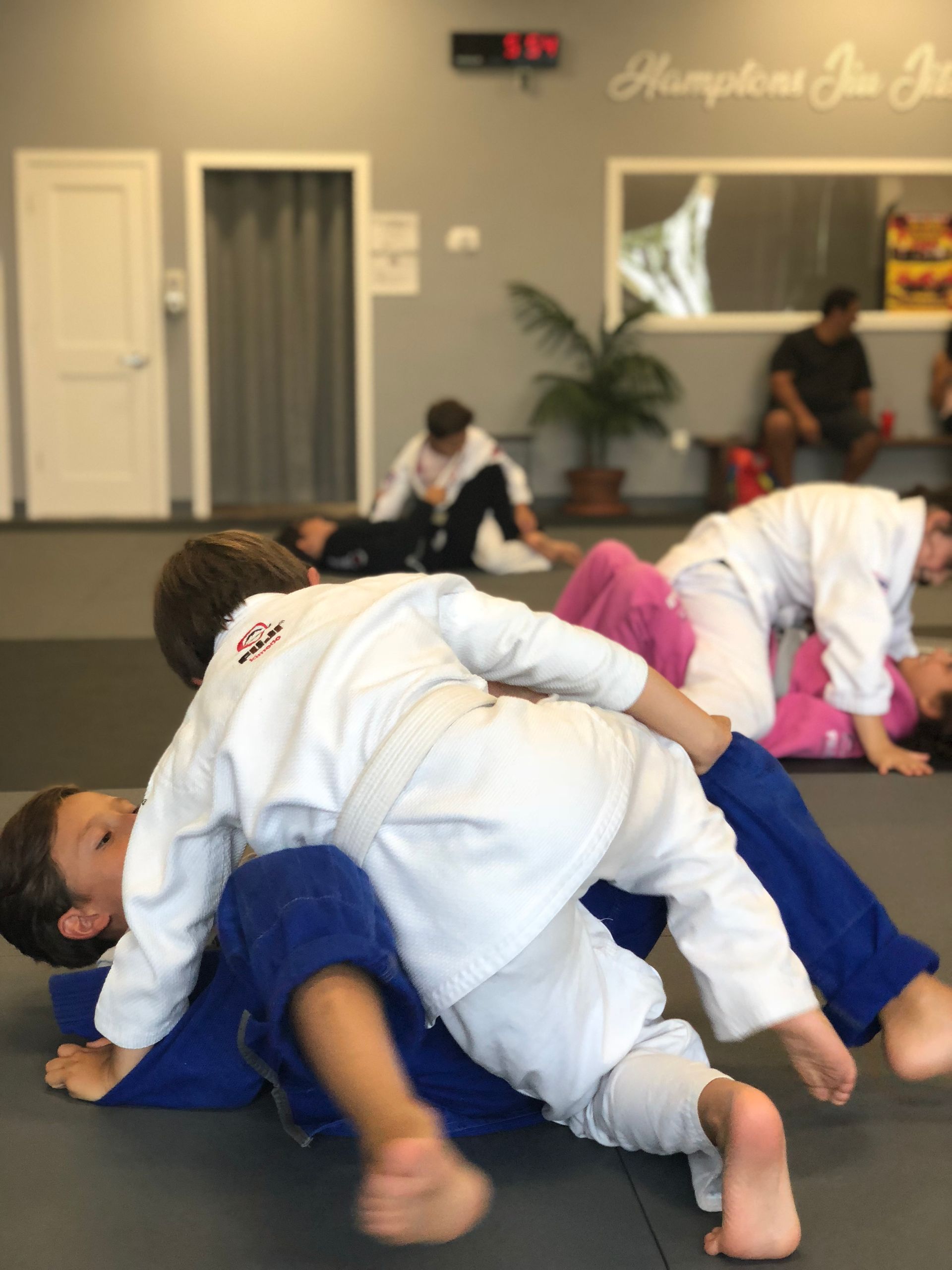
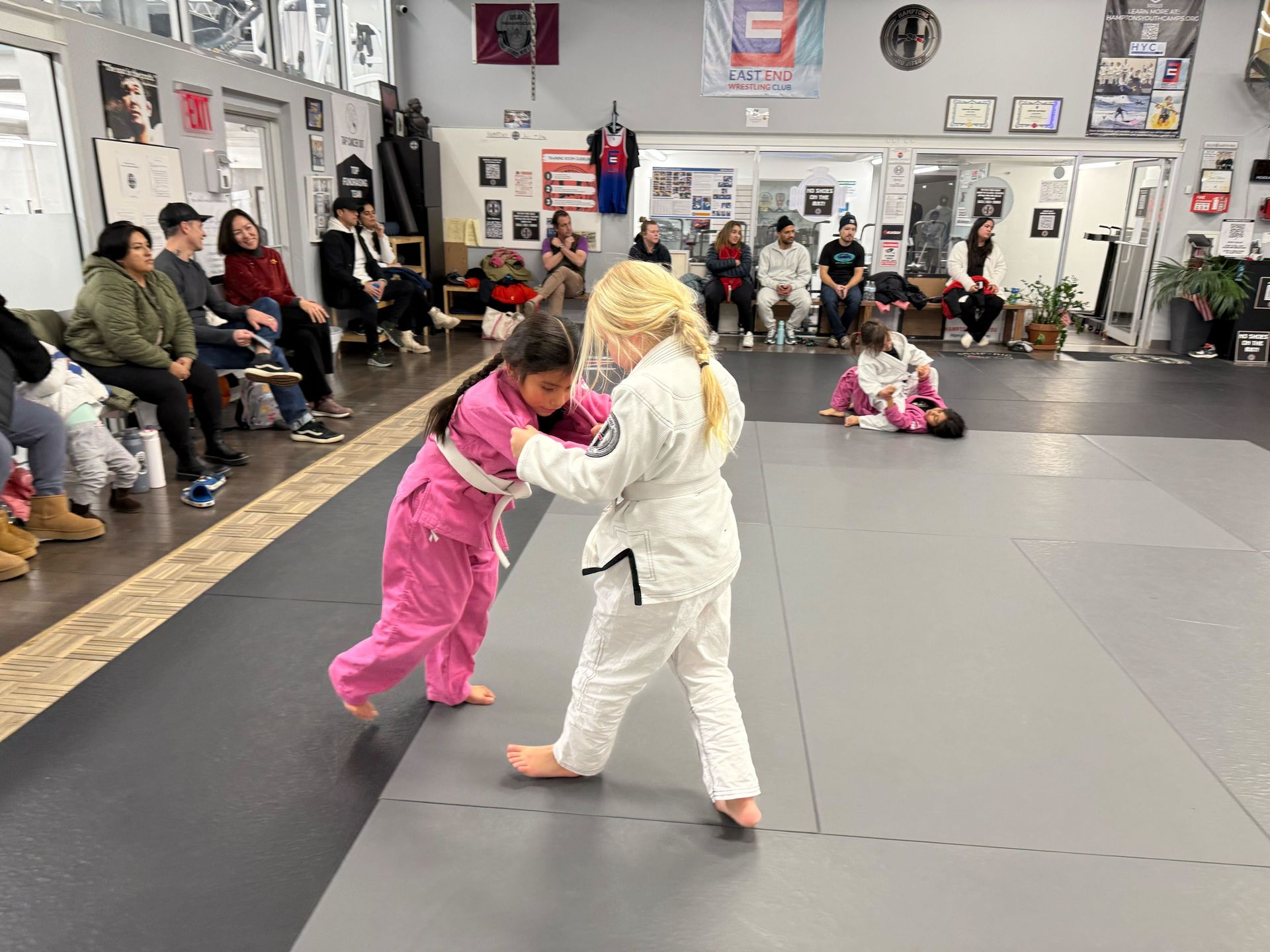
Anxiety often grows when kids avoid discomfort. In youth jiu jitsu, we practice pressure in a controlled setting: learning to breathe, think, and move while a partner provides realistic resistance. Over time, kids learn a quiet message in their bodies: I can handle this.
Studies also suggest longer-term training builds resilience, self-control, and emotional regulation, with advanced practitioners showing higher self-efficacy and fewer mental health issues than beginners. Kids do not need to become black belts to benefit, but the pathway matters. Progress teaches patience.
What “Stress Management” Looks Like in a Kids Jiu Jitsu Class
Parents sometimes ask what we mean by stress management in a sport setting. It is not motivational speeches. It is skill-building, repetition, and supportive coaching that creates measurable change.
Better breathing and body awareness
When kids learn to slow down and use technique instead of panic-movements, breathing improves naturally. We cue posture, frames, and calm decision-making, and kids start to notice tension earlier. That awareness is a life skill.
A routine that interrupts rumination
An anxious brain loves to replay worries. Training interrupts that cycle because the task is physical and immediate. The mind cannot spiral as easily when it has to solve a grip, keep balance, and listen for coaching.
Confidence that is earned, not handed out
Confidence from jiu jitsu is different because it is built through proof. Kids feel it when they remember a sequence, escape a pin, or stay calm during sparring rounds. Parent data reflects this: 96.4 percent report improved confidence, and that tracks with what we see when shy students start making eye contact and speaking up.
Why Youth Jiu Jitsu Works Especially Well for Anxiety
Anxiety is often about uncertainty and lack of control. Jiu jitsu does not promise control over everything. Instead, it teaches kids to stay effective when they do not have control, which is arguably better.
Clear rules and respectful culture
Our youth program emphasizes control, respect, and safety. Kids learn how to start and stop, how to partner responsibly, and how to treat training as practice rather than chaos. That kind of structure is calming.
Small wins add up fast
Kids do not have to wait months to feel progress. They can learn a basic escape, a grip break, or a position in a single week, then repeat it until it feels real. That steady accumulation of “I can do hard things” is a direct counter to anxious thinking.
Focus becomes a habit
Research trends from 2023 to 2025 highlight martial arts training as a rising mental health intervention for youth, with strong reports of reduced anxiety and improved life satisfaction when students train consistently. In practical terms, two classes per week is a sweet spot for many families: enough frequency for momentum, without feeling like another overwhelming commitment.
What Your Child Will Learn in Our Youth Program
Our approach is progressive and age-appropriate, so kids build a foundation first and layer skills over time. In our martial art classes in Southampton, we keep training challenging, but never chaotic.
Here are a few core outcomes we coach for, beyond techniques:
• Calm under pressure, by practicing controlled rounds where breathing and posture matter as much as winning
• Emotional regulation, by learning to reset after mistakes and keep going without melting down
• Communication and teamwork, by partnering safely and learning how to ask for help when needed
• Respectful confidence, by earning belts and stripes through consistency, not hype
• Practical self-defense awareness, by understanding distance, balance, and how to stay safe without aggression
Those points sound simple, but the effect on day-to-day life can be big. We often hear that mornings get smoother, homework arguments shrink, and kids seem more “available” at home after training.
Safety, Sensory Needs, and Shy Kids: What Parents Worry About
We take questions seriously, especially around anxiety, sensory sensitivity, and safety. A child who is already stressed needs the right introduction.
Is it safe?
Yes, youth training is built around control, tap-outs, and close coaching. We match partners thoughtfully, teach kids how to move without spiking intensity, and reinforce respect as a non-negotiable. The goal is skill, not aggression.
What if my child is shy or easily overwhelmed?
We meet kids where they are. Some jump in fast. Some need a little runway. We keep instructions clear, we model routines, and we give kids a role even when they are quiet. Often, the mats become a place where shy kids can be strong without needing to be loud.
What if anxiety spikes during sparring?
We can scale intensity. We can pause. We can coach breathing. The point is not to force a child through panic. The point is to expand capacity in a controlled way. Many kids start with positional games and structured rounds, then build up from there.
How Fast You Can Expect Results
Kids are not robots, and anxiety is not a light switch. Still, the timeline is encouraging.
In the short term, many families notice a shift after a single class: better mood, less restlessness, more appetite, and easier sleep. That lines up with the physiology of exercise and endorphin release.
In the medium term, research suggests that even 12 weeks of training can reduce emotional symptoms, hyperactivity, and externalizing problems in kids. In our experience, four to twelve weeks is when routines lock in: kids remember names, understand class flow, and start identifying as “a kid who trains,” which is a powerful identity shift.
How We Build Consistency Without Adding More Stress
When life already feels full, adding an activity can backfire if it is not managed well. We try to make starting simple and sustainable.
1. Pick a realistic training rhythm, often two classes per week for consistent progress and stress relief
2. Treat the first month as an adjustment period where your child learns routines and builds comfort
3. Track small wins such as stripes, improved focus, and calmer reactions at home, not just “winning”
4. Keep gear and logistics easy by setting a simple pre-class routine so you are not rushing
5. Use the class schedule page to plan ahead, especially during seasonal transitions in Southampton
Consistency is where Youth jiu jitsu really shines. A kid who trains regularly is practicing calm, focus, and resilience the same way we practice technique: rep by rep.
Family Connection and Community Support
Stress and anxiety can make kids feel isolated, even in busy households. One overlooked benefit of training is community. Parent observations in youth programs often highlight stronger community sense and life skill transfer, and we see that dynamic grow when kids train with familiar teammates week after week.
Some families also like training as a shared interest, even if parents are not on the mats every day. When your child has a place that feels like “our team,” stress becomes easier to carry. It is not about turning kids into fighters. It is about giving them a reliable support system and a healthy outlet.
Take the Next Step
Building calm is not just about removing stressors. It is also about giving your child tools that work in real life: breathing under pressure, problem-solving, confidence earned through practice, and a community that notices progress. Youth jiu jitsu is one of the most practical ways we know to teach those skills in a format kids actually enjoy.
If you are ready to explore youth jiu jitsu in Southampton NY with a program that prioritizes safety, structure, and real emotional growth, we would love to guide your family. At Hamptons Jiu-Jitsu, we keep the process straightforward, supportive, and focused on helping your child feel better week by week, not just perform.
Give your child a positive and active outlet by joining the kids’ martial arts program at Hamptons Jiu-Jitsu.
ACCESS OUR SCHEDULE
& EXCLUSIVE WEB SPECIAL
Secure your spot and get started today with our EXCLUSIVE offer!