What Parents Should Know Before Enrolling Kids in Youth Jiu Jitsu
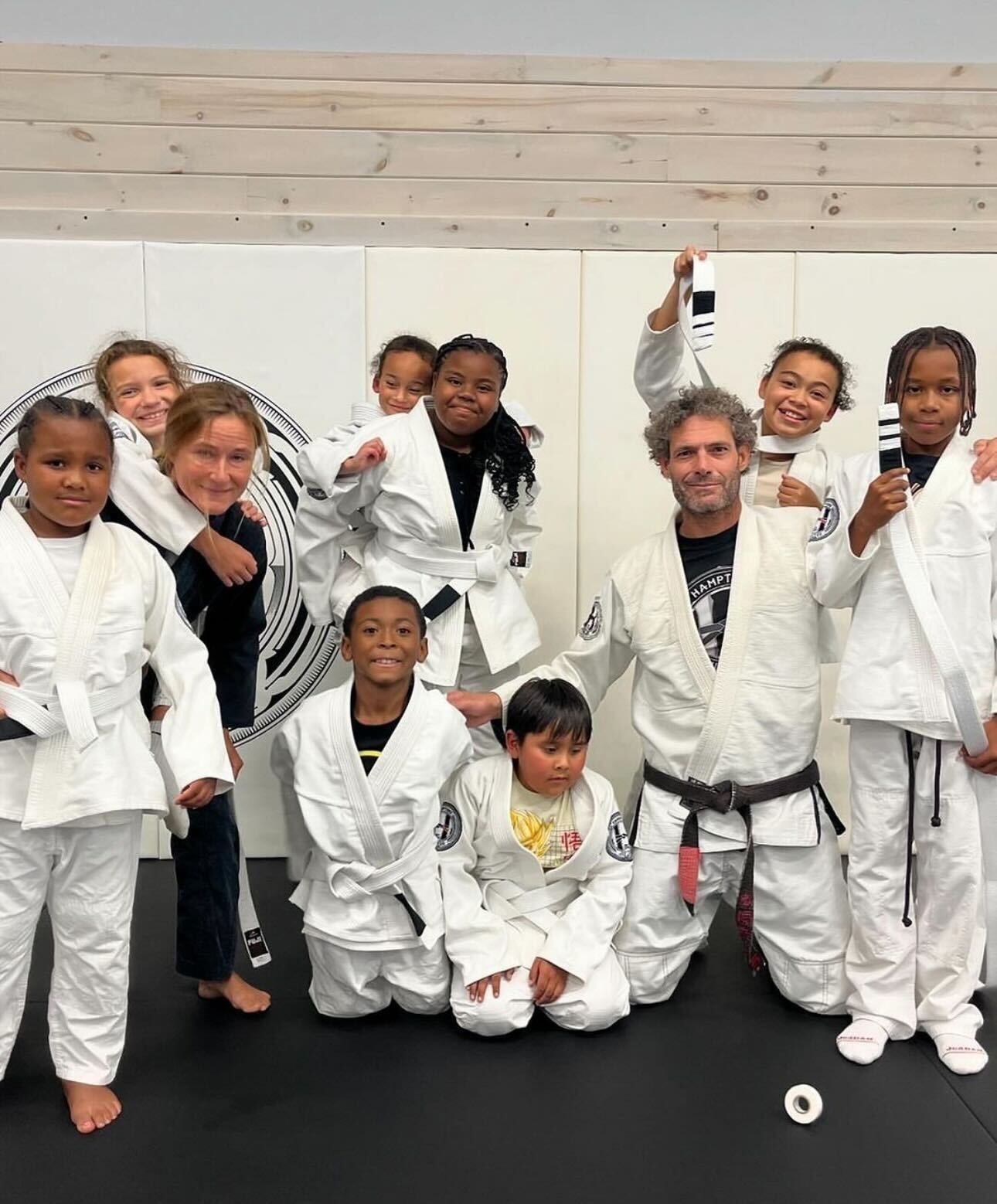
The best kids programs build confident, capable students by balancing safety, structure, and fun from day one.
Youth jiu jitsu has grown fast in the last decade, and we understand why: parents want an activity that builds real confidence, improves fitness, and gives kids practical tools for handling pressure. At the same time, you want to know the training is safe, age-appropriate, and led by coaches who actually understand how kids learn.
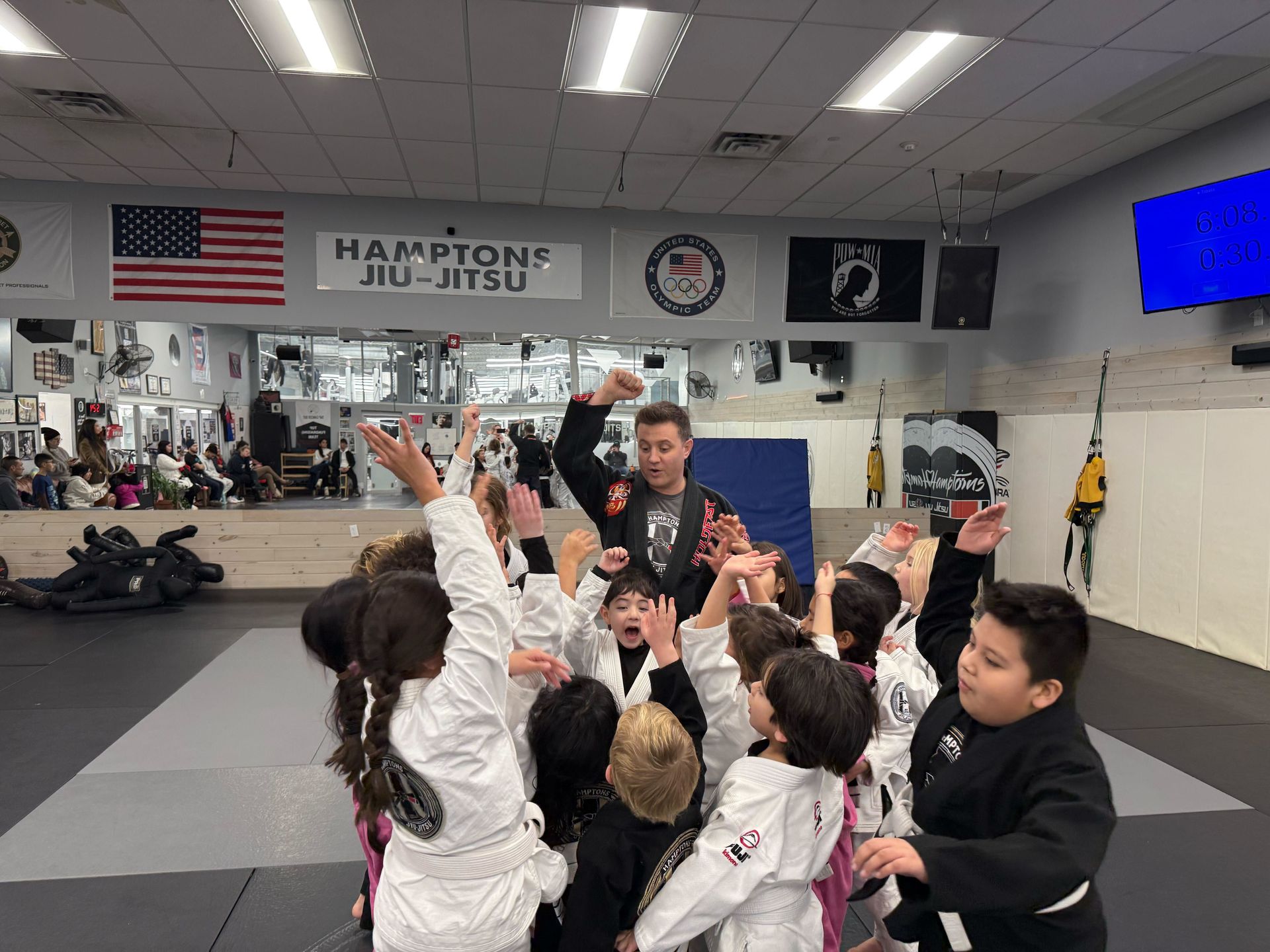
In our youth program, we focus on steady progress, clear expectations, and a supportive room culture. You will see your child learn to listen, move with control, and keep going when something feels challenging. Those wins matter, on and off the mats.
This guide covers what to look for before you enroll, what a solid first month should feel like, how we manage safety, and how to tell if your child is genuinely benefiting, not just staying busy after school.
Why youth jiu jitsu is booming (and why parents are paying attention)
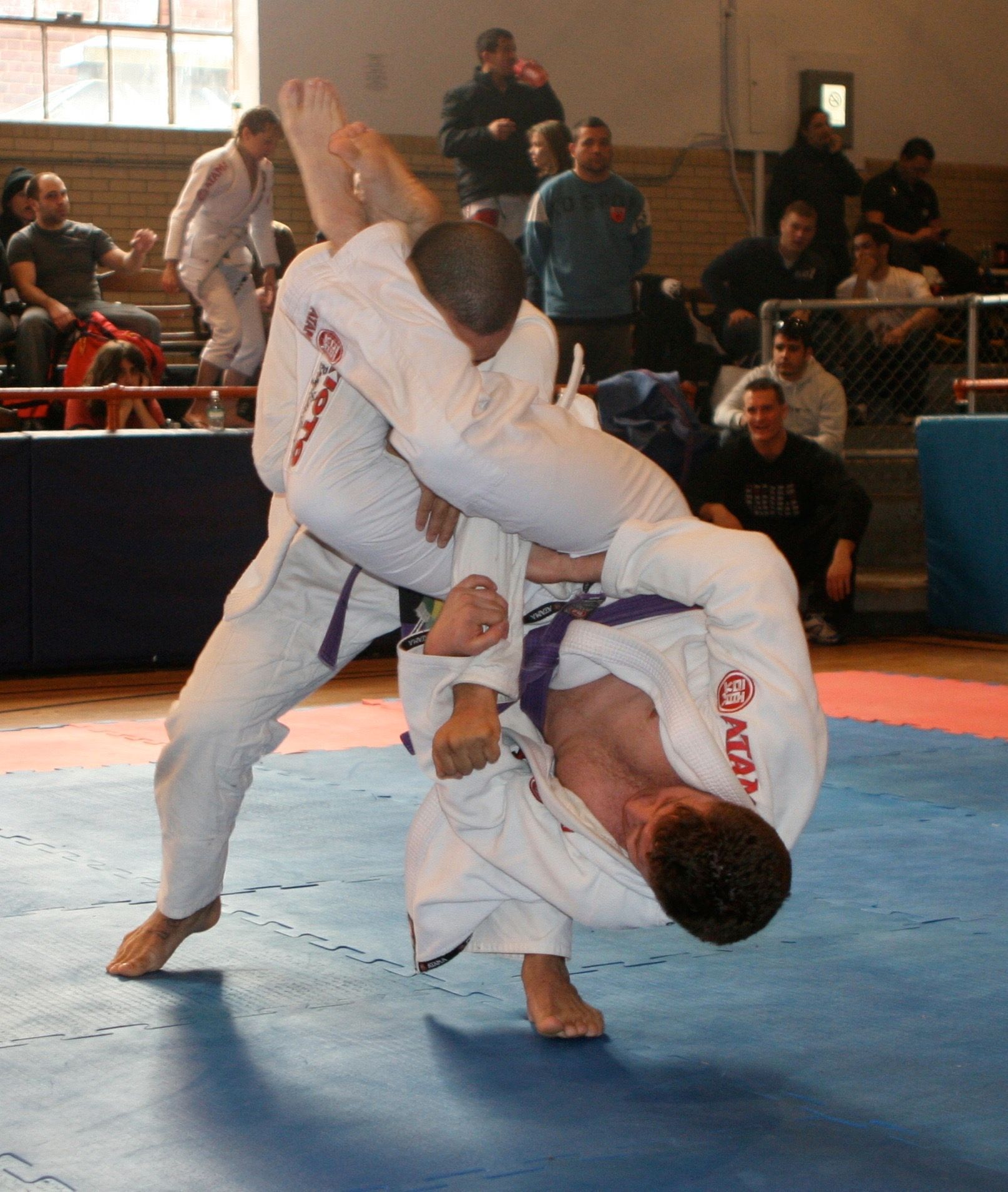
Brazilian Jiu-Jitsu is widely considered the fastest-growing combat sport in America, with Google search interest rising more than 100 percent from 2004 to 2024. A big driver is youth participation: roughly 25 percent of practitioners are under 18, and families increasingly view grappling as both a sport and a life skill.
We also see a practical reason parents choose this over many traditional activities: youth jiu jitsu teaches kids how to solve physical problems without relying on size or strength. The core idea is leverage, balance, and control. For smaller kids or kids who feel unsure in contact sports, that approach often clicks quickly.
Just as important, youth programs today tend to be more structured than ever. Schools and sports centers have started adopting Jiu-Jitsu for discipline and physical education, and that’s pushed curriculum design forward. We take that same idea seriously: kids need consistency, clear rules, and coaches who can keep the room safe while still making it fun.
What a quality youth program should actually teach
Parents often ask whether kids are learning self-defense, a sport, or “just wrestling.” Our answer is that youth jiu jitsu should build a foundation that works in all three areas, without overwhelming kids with adult concepts.
Skills that transfer beyond the mat
In a well-run class, your child should steadily improve in:
• Body awareness and coordination, including how to fall, base, and move safely
• Emotional regulation, like staying calm when stuck or frustrated
• Coachability, meaning listening the first time and applying feedback
• Respectful teamwork, including partner safety and appropriate intensity
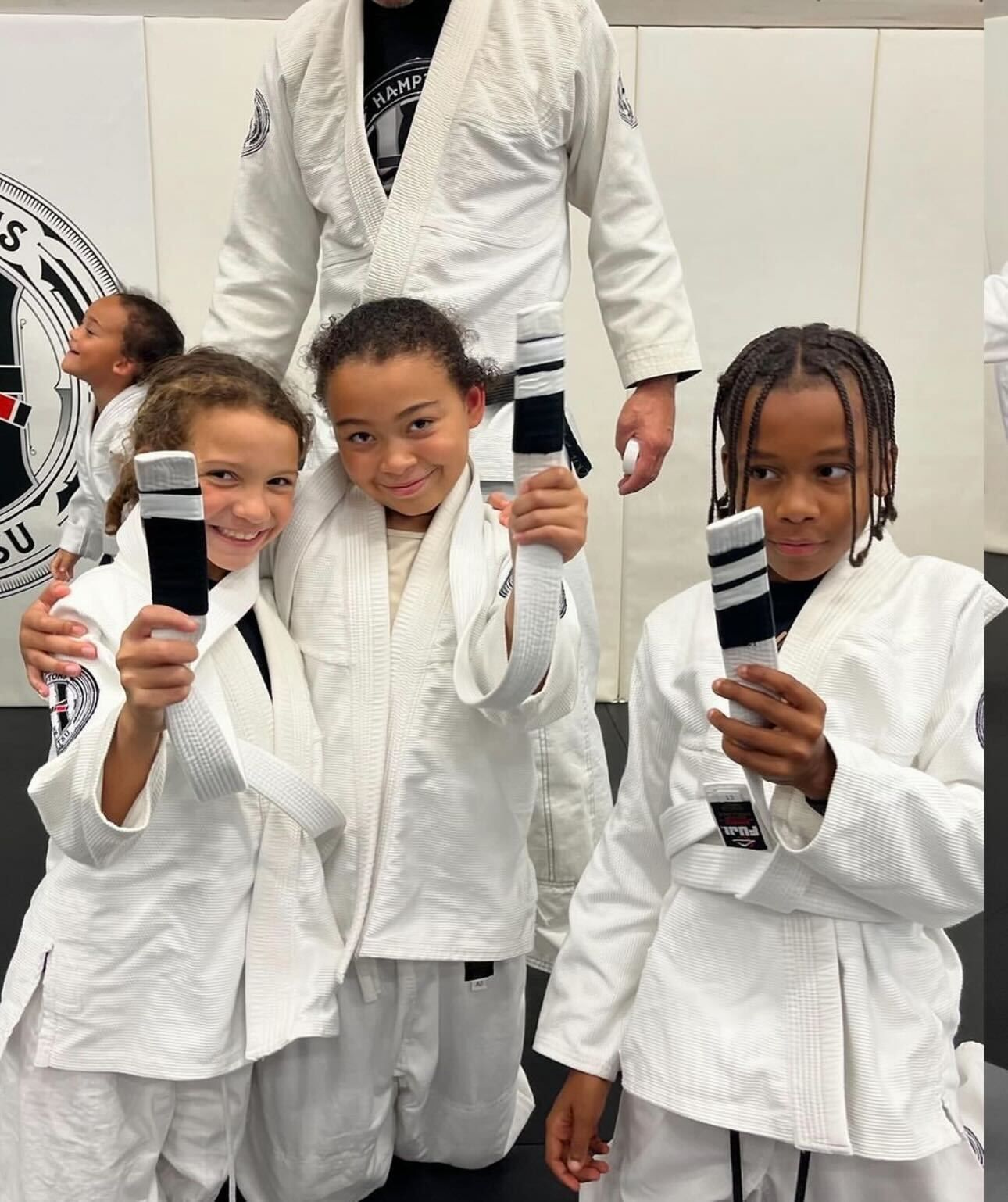
• Goal setting, through small milestones that feel achievable
Those outcomes do not happen by accident. We plan classes so kids learn one concept at a time, repeat it enough to own it, and then apply it in controlled games or positional sparring.
The role of self-defense for kids
Youth jiu jitsu self-defense is less about “winning a fight” and more about controlling distance, escaping grabs, and protecting yourself long enough to get help. For most kids, that also means learning how to use your voice, recognize unsafe behavior, and disengage early. We treat those conversations in an age-appropriate way, so kids feel empowered, not worried.
Safety first: how we reduce injury risk in youth training
Any contact sport carries risk, and it’s fair to ask direct questions about injuries. Industry discussions often mention that injury risk can be a barrier to entry, especially when programs lack structure. Our approach is to make safety a system, not a slogan.
What “safe training” looks like in real life
We manage risk through:
• Age and experience grouping so partners match size, maturity, and control
• Progressive drilling where kids earn intensity over time, rather than jumping in
• Clear rules around takedowns, submissions, and when to stop
• Active coaching during sparring so kids never feel left on their own
• A culture where tapping and pausing are treated as smart choices, not weakness
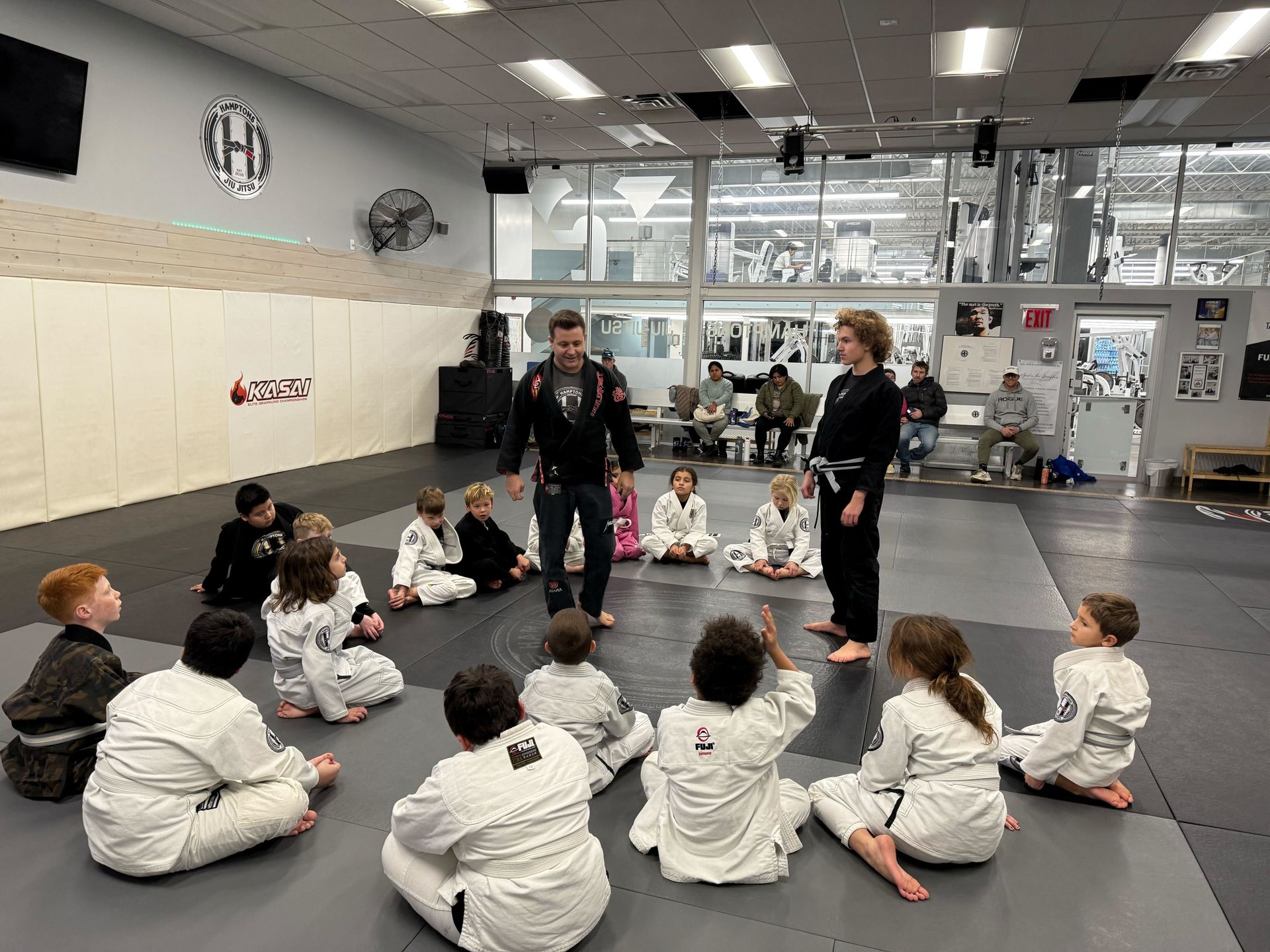
If you watch class, you should see coaches moving, correcting, and stepping in early. You should also see kids learning to protect training partners. That matters as much as technique.
Hygiene and mat awareness
Kids are kids. They touch everything, and sometimes they forget they just wiped their nose. We keep hygiene expectations simple and consistent, and we build habits like trimming nails, wearing clean gear, and washing hands before and after training. These routines are part of being a good teammate, and parents usually appreciate how quickly kids take that responsibility seriously.
What ages can start, and how we handle mixed maturity levels
Parents often ask for the “right” starting age. In practice, it’s less about a magic number and more about readiness: can your child follow directions, stay with a group, and handle gentle physical contact?
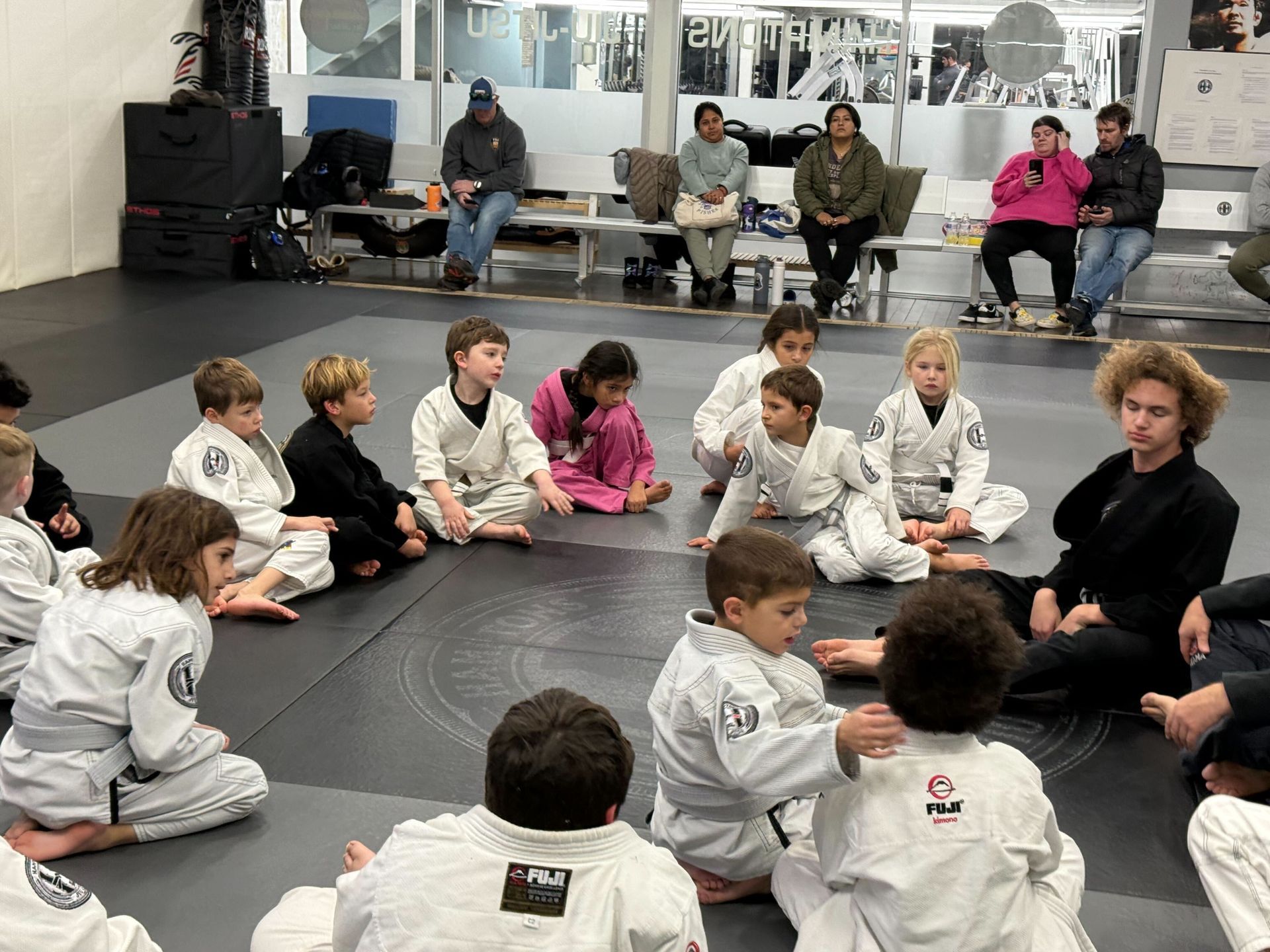
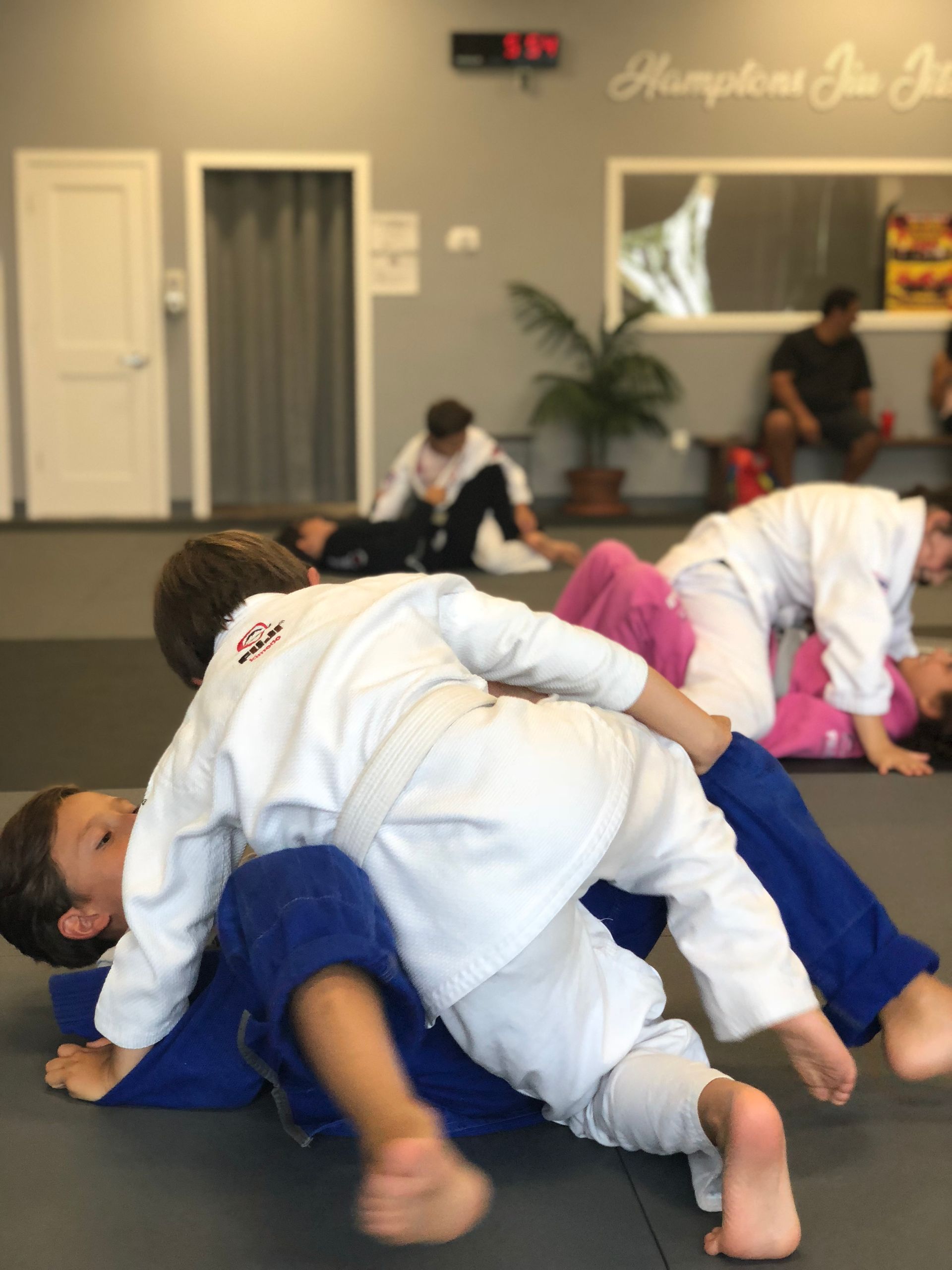
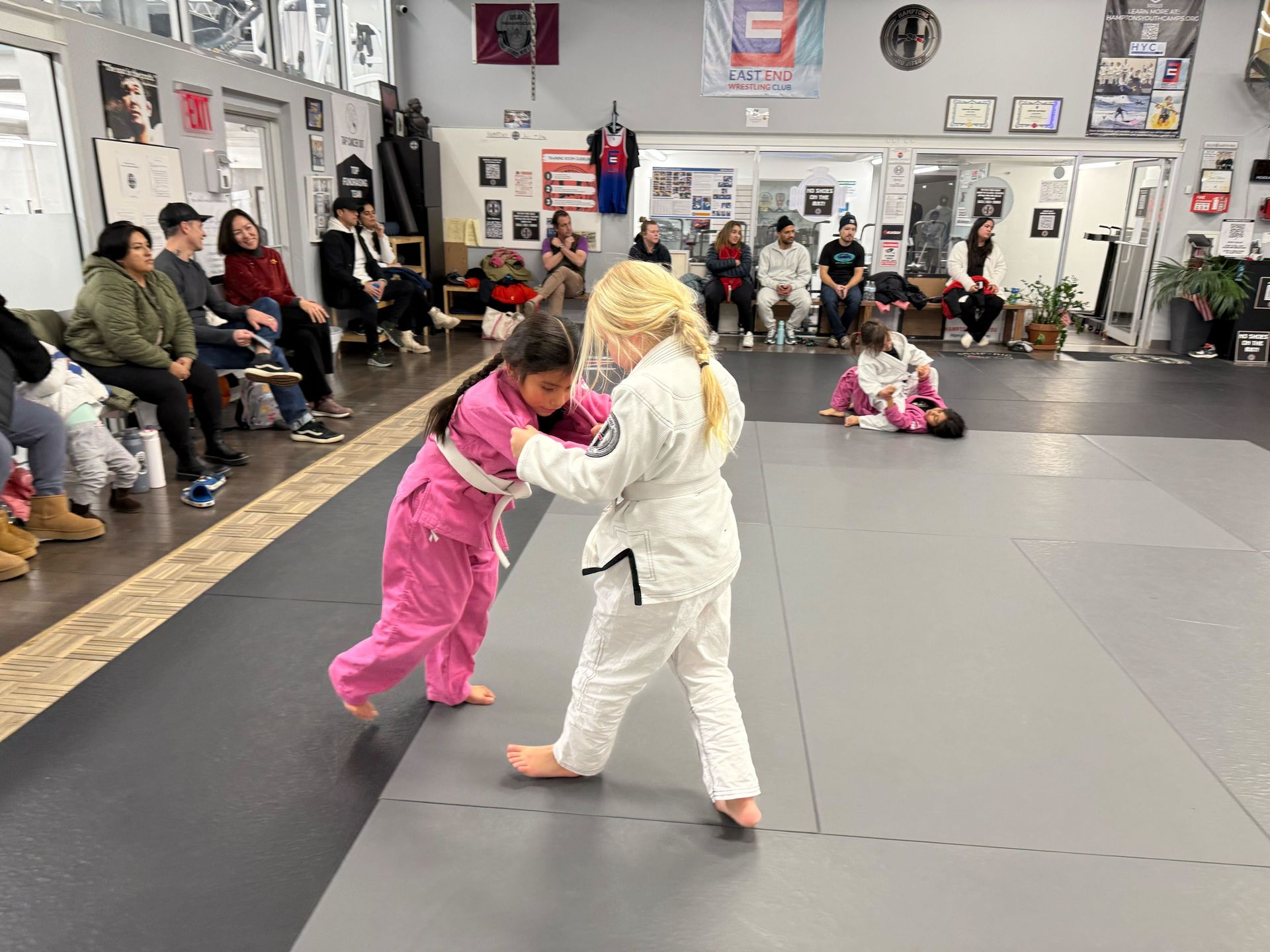
We structure youth jiu jitsu so kids are coached at their developmental level. Younger students need shorter explanations and more movement-based games. Older students can handle more detail, more strategy, and longer rounds. When ages overlap, we rely on coaching, pairing, and pacing so nobody gets thrown into a situation that feels too intense.
If your child is brand new and a little shy, that’s normal. The first couple of weeks are often about learning the room: where to line up, how to partner safely, and how to ask for help. Once that settles in, confidence tends to show up in a very real way.
Bullying, confidence, and the difference between “tough” and “capable”
One reason families search for youth jiu jitsu in Southampton NY is concern about bullying. We take that seriously, but we also keep expectations realistic: training is not a magic shield. What it can do is change how a child carries themself, how quickly stress spikes, and how clearly a kid can respond.
We coach kids to become capable, not aggressive. That starts with boundaries: use words first, get an adult when appropriate, and avoid escalating situations. The physical skills are there if needed, but the bigger win is the calmness that comes from knowing, “I have options.”
Confidence also shows up in small moments. A student who used to avoid eye contact starts raising a hand to ask questions. A student who used to quit when tired starts finishing rounds. Those changes are subtle, and then one day you realize your child is walking differently.
Competition: optional, not required
Some parents worry that enrolling means pressure to compete. Competition is common in the sport, and surveys suggest around 43.6 percent of practitioners have competed in the last two years, but it’s absolutely not a requirement for progress.
We treat competition as one pathway, not the pathway. For some kids, it becomes a motivating goal that sharpens focus. For others, it’s unnecessary stress, and the best choice is to train, learn, and enjoy the community without stepping onto a tournament mat.
If your child does show interest, we prepare in a measured way: understanding rules, managing nerves, and practicing sportsmanship. If your child does not want to compete, we keep training purposeful with skill-based goals and personal milestones.
Costs, gear, and what you actually need to start
Jiu-Jitsu can feel confusing at first because gear and terminology are new. BJJ also gets called out for costs in industry reports, and we agree that transparency matters.
What to expect for youth gear
Most kids start with a few basics:
• Uniform and belt appropriate for youth training
• A water bottle and small towel for class
• Basic hygiene items: clean clothing, trimmed nails, hair tied back
• Optional protective items depending on age and intensity, based on our guidance
We keep the “first steps” simple. If you are unsure what to buy, we will tell you exactly what is needed for your child’s first month so you do not overpurchase.
Membership options and getting clarity
Parents also want predictable scheduling and clear membership expectations. We publish our class schedule on the website so you can plan around school, sports seasons, and family time. If your child misses a week due to travel or school projects, we help your child reintegrate smoothly rather than making it feel like starting over.
What a first class should feel like (for you and your child)
Walking into martial art classes in Southampton can feel intimidating if you have never done it. We work hard to make the first visit straightforward.
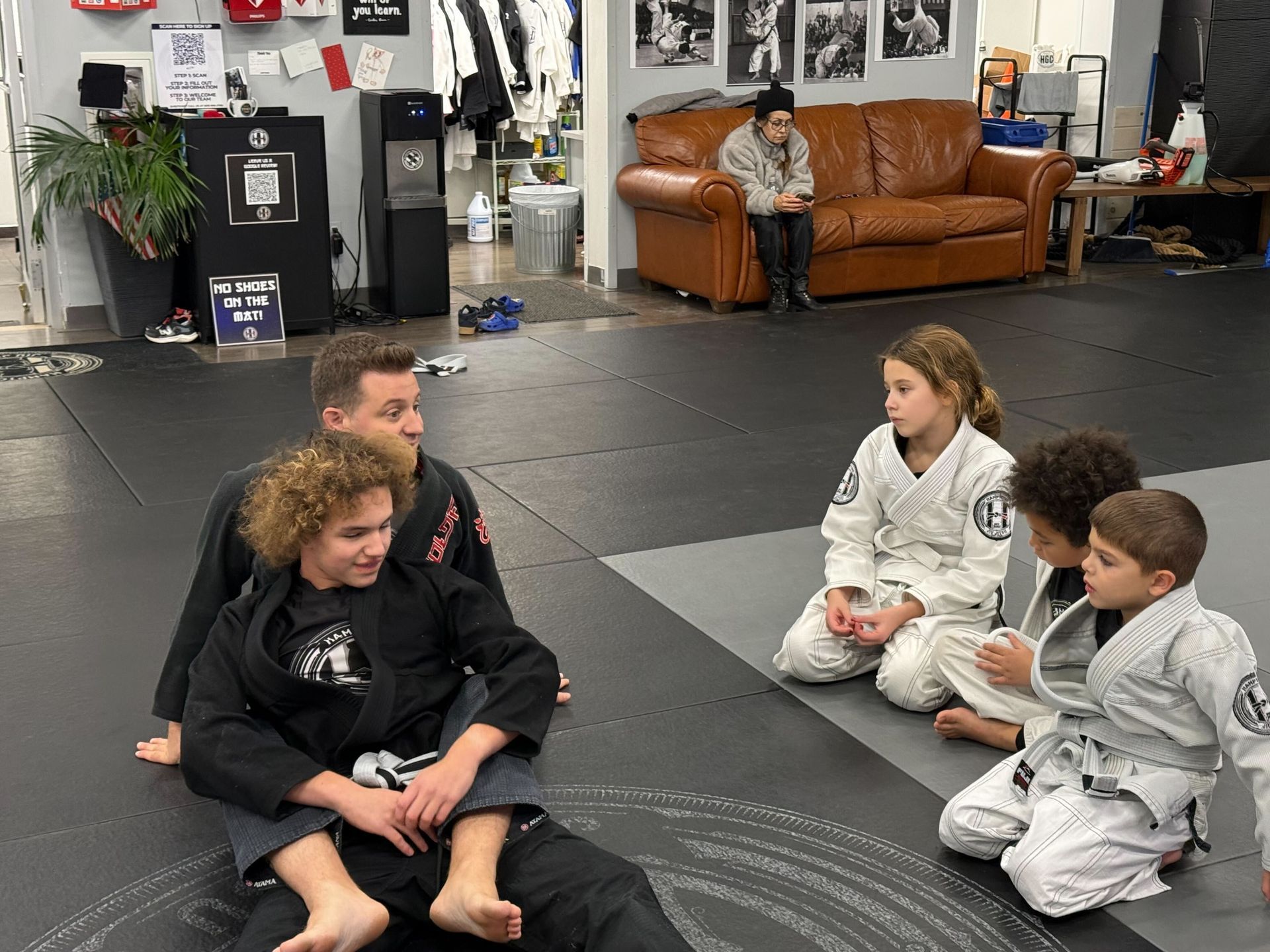
Your child should be greeted, shown where to line up, and introduced to class rules in a calm way. You should see coaches explain how to move safely, how to partner, and how to stop when needed. Most importantly, your child should leave feeling proud, even if the techniques feel new.
A good first class usually includes a mix of movement, a simple technique theme, and a controlled game that lets kids apply the idea without chaos. Expect some nerves, a lot of curiosity, and usually a big appetite afterward.
How we keep kids progressing without burnout
Retention is a real challenge in youth sports, especially when programs lack structure or kids feel lost. We prevent that by giving kids a clear path.
Our approach to motivation and consistency
We focus on:
1. Small, visible wins, like improving posture in a position or remembering a step
2. Routine, so kids know what to expect each time they arrive
3. Variety within structure, using themed weeks and different training games
4. Positive correction, where mistakes are treated as normal learning moments
5. Healthy challenge, where effort is praised more than “being the best”
When kids know what success looks like, they stick with it longer. And when kids stick with it, the benefits of youth jiu jitsu compound fast.
Take the Next Step with Hamptons Jiu-Jitsu
If you want a youth program that blends discipline, fitness, and practical skill in a way kids can genuinely enjoy, we would love to help you get started. Our coaches keep youth jiu jitsu structured and safe while still making room for laughter, teamwork, and real progress.
At Hamptons Jiu-Jitsu in Southampton, NY, we make it easy to understand the schedule, know what gear you need, and feel confident about the environment your child is training in. When you are ready, we will meet you where your family is and guide your child forward one class at a time.
Support your child’s personal growth on and off the mats with training at Hamptons Jiu-Jitsu.
ACCESS OUR SCHEDULE
& EXCLUSIVE WEB SPECIAL
Secure your spot and get started today with our EXCLUSIVE offer!