
Jiu Jitsu for Mental Wellness: Southampton's New Self-Care Trend
Jiu jitsu is physical training that quietly rewires how you handle stress, focus, and everyday pressure.
Life in Southampton can look calm on the outside, but many of us still carry a full mental load under the surface. Busy workdays, family obligations, long commutes, and the always-on pace of modern life can leave you feeling wired but tired. In our experience, the best self-care is the kind you can actually keep doing consistently, not something that feels like another item on your to-do list. That is one reason jiu jitsu has become such a powerful wellness practice for so many people.
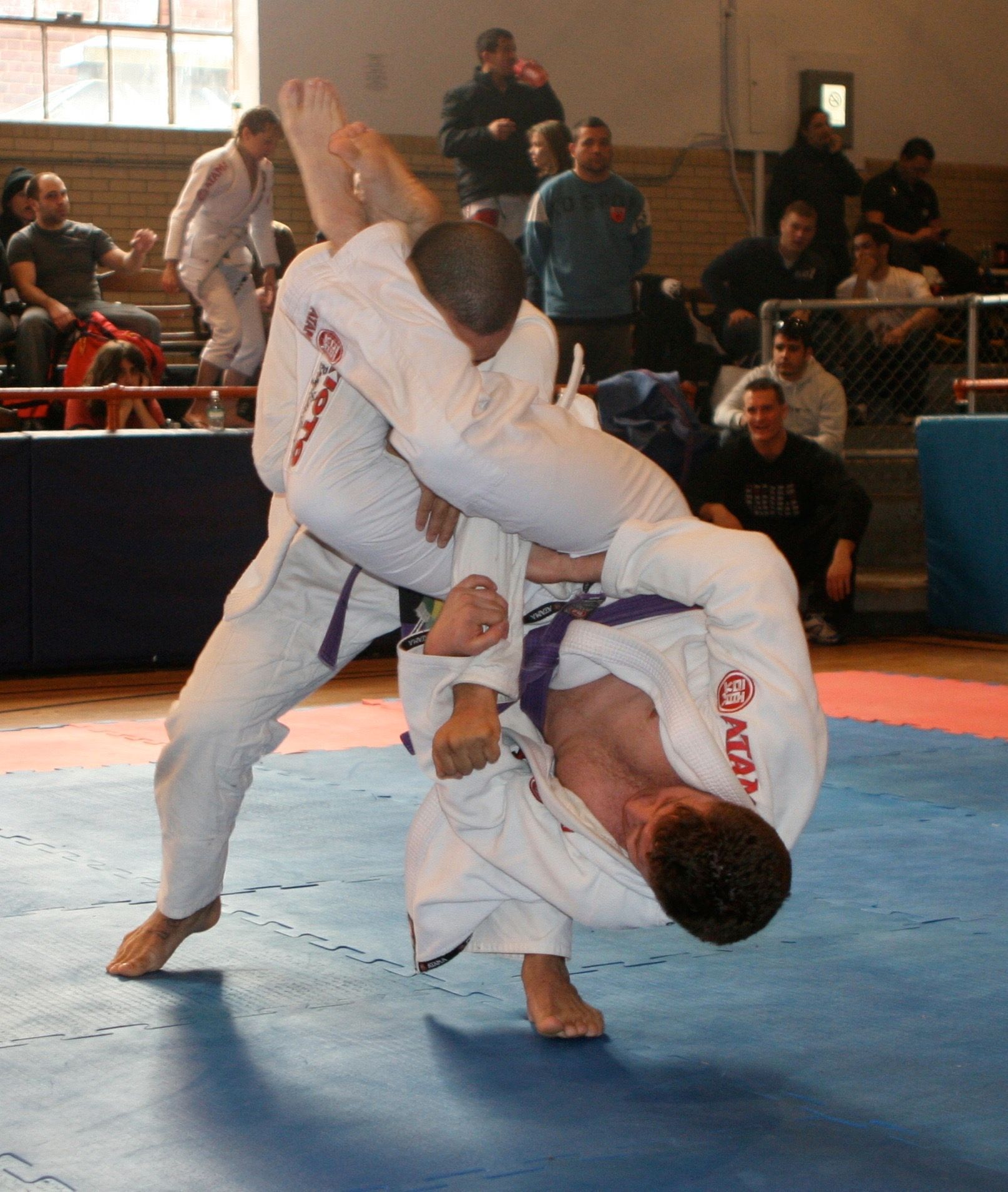
Jiu jitsu is often described as a martial art, and it is, but it is also a training environment where your mind gets a break from spinning. When you are learning posture, balance, breathing, and timing, you cannot multitask. Your attention drops into the present moment because it has to. Over time, that practice of returning to what is right in front of you starts to show up outside the gym, too.
In this article, we are going to explain how training supports mental wellness, what you can expect when you start, and how our classes in Southampton are structured to help you build consistency without burning out.
Why jiu jitsu is showing up in self care conversations
Self-care has changed. It used to mean taking time off, unplugging, or booking something relaxing. Those still help, but many people want self-care that builds capacity, not just relief. Jiu jitsu fits because it trains you to stay calm while solving problems in real time. You learn how to respond instead of react, which is a skill that translates directly into work stress, relationship tension, and those random moments when life throws you a curveball.
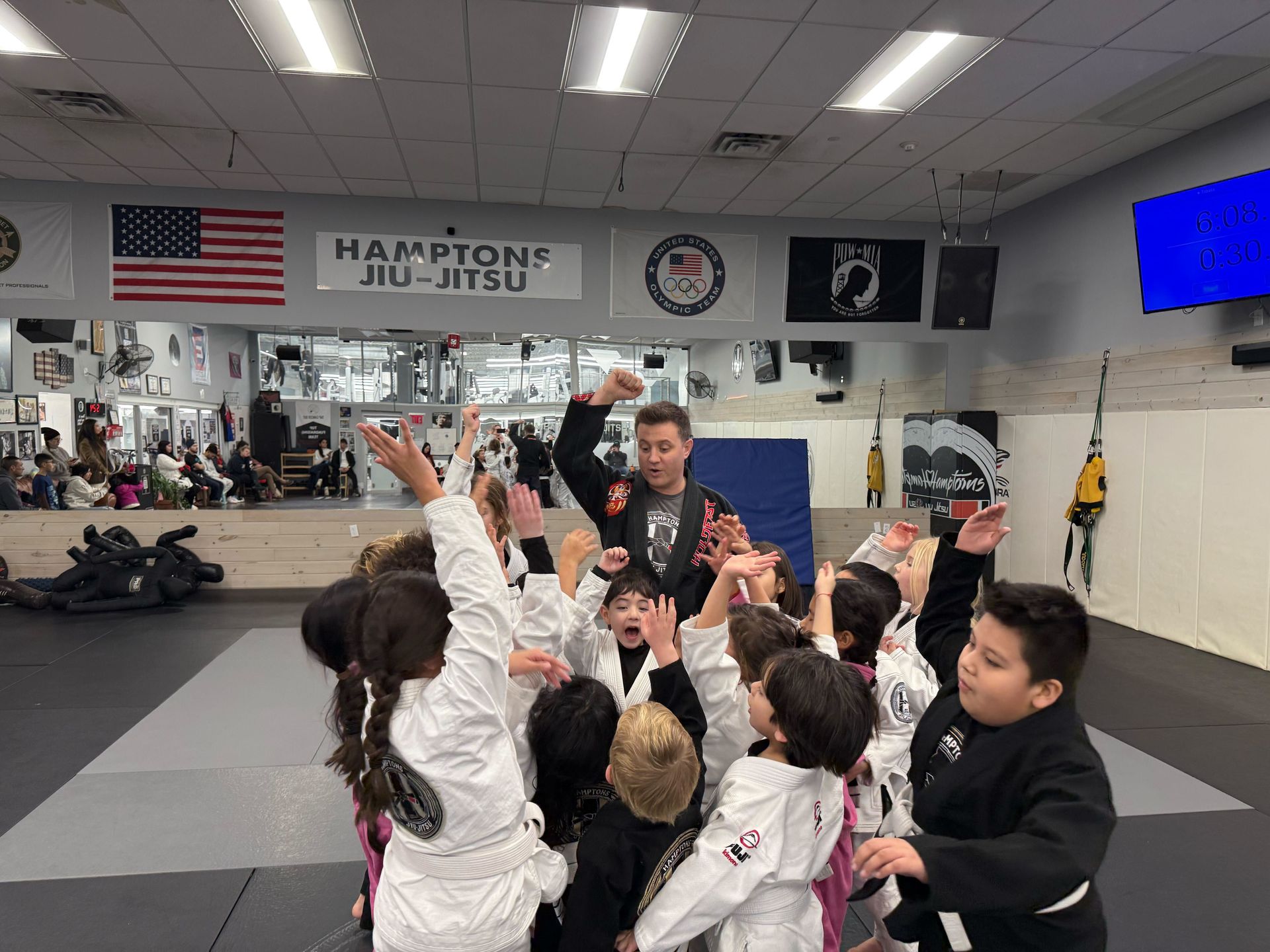
There is also a social side that matters more than people expect. Training partners learn each other’s rhythms quickly. You spend class learning, laughing a bit, resetting after mistakes, and getting small wins you can feel in your body. That shared effort creates connection without forcing conversation, which can be a surprisingly comfortable way to recharge.
And yes, it is a workout. Physical exertion is strongly linked with improved mood for many people, and grappling is a full-body challenge that tends to produce that steady, grounded kind of tired afterward. Not drained. Just pleasantly spent.
The mental wellness benefits we see most often
Mental wellness is personal, so we never reduce it to one simple promise. But there are patterns that show up again and again when people train consistently. Research on Brazilian jiu jitsu and mental health has noted improvements across stress, anxiety, mood, and emotional regulation, including meaningful reductions in PTSD-related symptoms in certain populations. While everyone’s situation is different, the mechanisms make sense: focused attention, physical exertion, skill progression, and supportive community.
Here are the benefits students most often tell us they notice in daily life:
• Better stress tolerance under pressure, because you practice staying composed in uncomfortable positions
• Improved mood and energy after class, thanks to exertion, endorphins, and the satisfaction of learning
• Increased emotional control, because you learn to breathe, slow down, and think before you move
• More confidence that feels earned, because technique replaces panic and uncertainty
• Stronger focus, because your mind learns what single-tasking actually feels like
Those changes do not happen overnight, but they build in a very realistic way. One class gives you a good day. A month gives you momentum. A few months starts to reshape how you handle the hard moments.
How training forces present moment focus
A big part of mental fatigue comes from mental time travel. Replaying what happened, anticipating what might happen, worrying about what could happen. In jiu jitsu, you do not get to live in those loops. If your attention drifts, you feel it immediately in your balance, your breathing, or your timing.
During live training, you are constantly making small decisions: where your hips are, where your frames are, how to protect your neck, when to move, when to wait. That decision-making becomes a kind of moving meditation. It is not quiet, and it is not passive, but it is deeply absorbing. For many people, it is the first time all week their mind is not split into ten tabs.
That is why jiu jitsu Southampton students often describe class as stress relief even when it is challenging. The difficulty is part of the relief. Your brain gets a clean, clear task: solve the problem in front of you.
Emotional regulation under pressure, without the lecture
Emotional regulation can sound like a therapy term, but in training it becomes practical. When you are pinned, you can either tense up and burn out, or you can breathe, build structure, and work your way back to safety. That pattern is simple, but it is powerful. You learn that panic makes things worse, and patience makes things workable.
We coach this directly in how we teach. We emphasize controlled pacing, clean technique, and the idea that you can stay safe while you learn. Nobody is expected to come in fearless. The point is that you practice being calm in a safe environment until calm becomes familiar.
Research has also linked jiu-jitsu training with decreases in hostility and verbal aggression and increases in self-control and empathy. That tracks with what we see on the mat: you cannot train well if you cannot manage your emotions. You also cannot improve if you cannot accept feedback, reset after mistakes, and stay respectful when things get competitive.
Confidence that is built through competence
There is a particular kind of confidence that comes from knowing you can handle yourself, not because you are the strongest person in the room, but because you understand what to do. Jiu jitsu is technique-first. Leverage matters. Timing matters. Position matters. Those details create a sense of competence, and competence is one of the most reliable antidotes to anxiety.
This is also why training is helpful for people who feel stuck in their fitness routine. Instead of just exercising, you are learning a skill. Skill progress is motivating in a different way. Even on days when your cardio feels off, you might learn a grip detail or a movement pattern that makes everything click. That steady stream of small improvements is a big part of what keeps people coming back.
What a first month looks like in our Southampton classes
Most beginners have the same quiet questions. Am I in shape enough. Will I slow everyone down. Is this going to be intense. We keep our onboarding simple and supportive because the first month should feel like learning a new language, not surviving a trial.
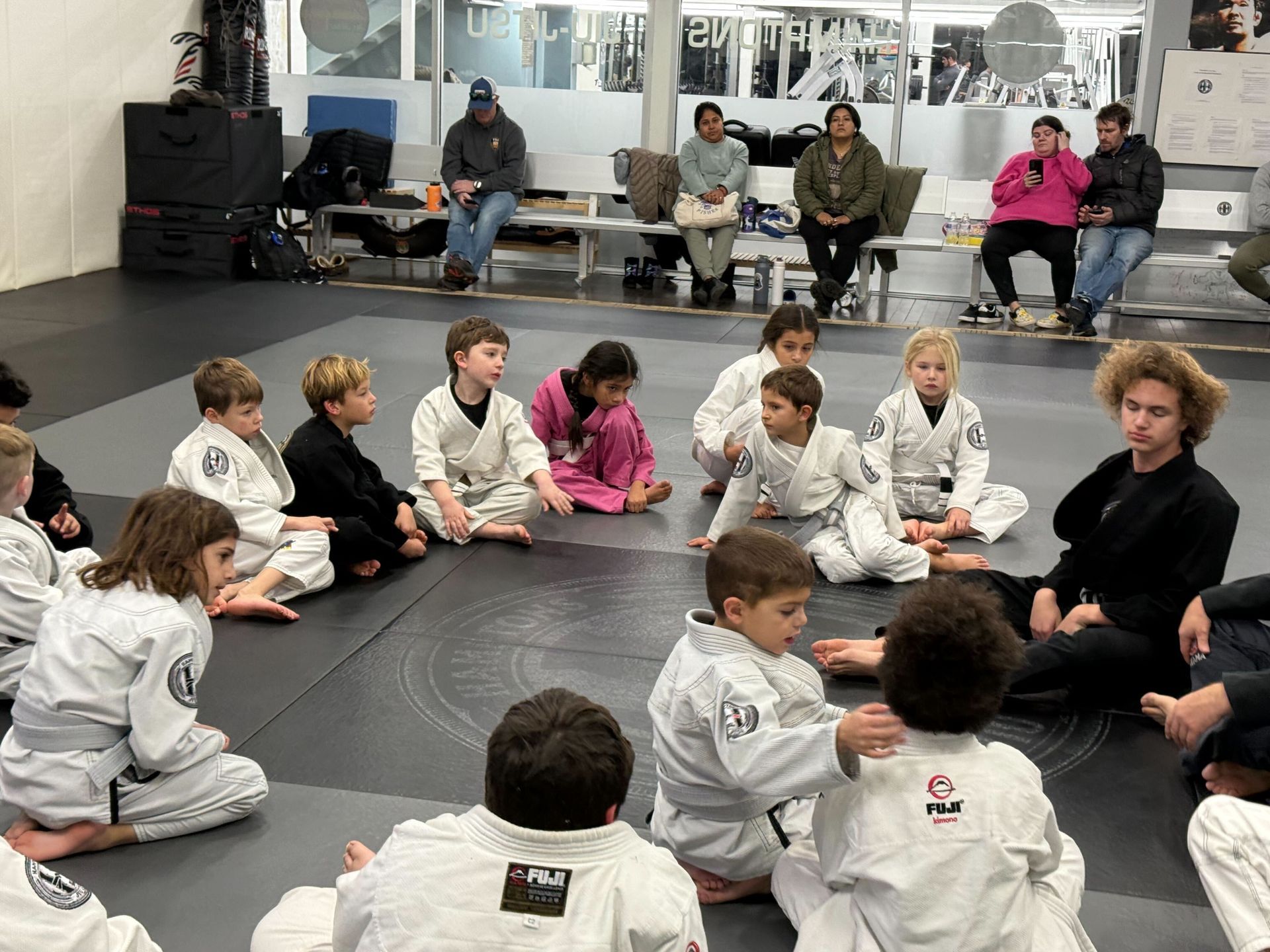
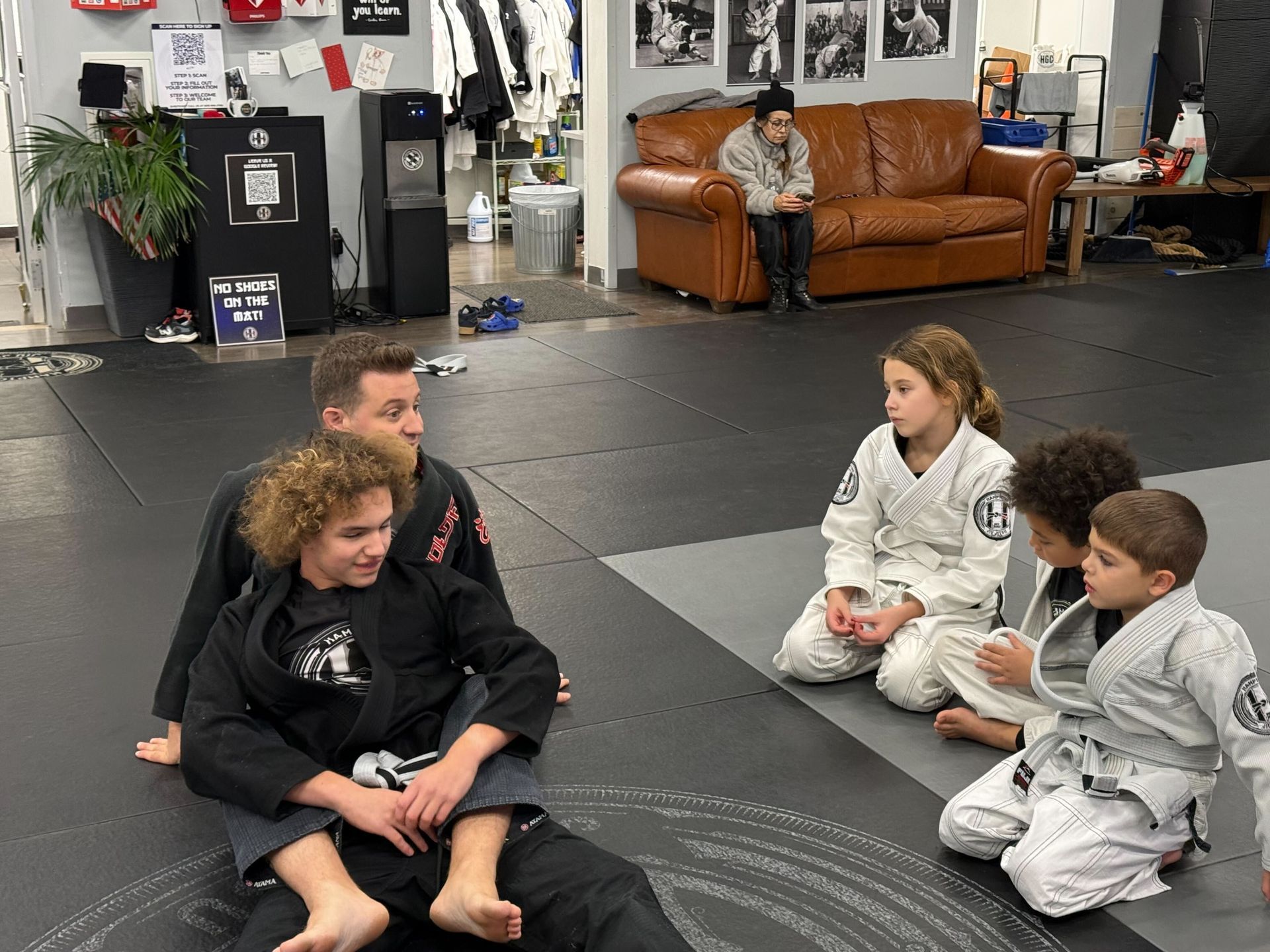
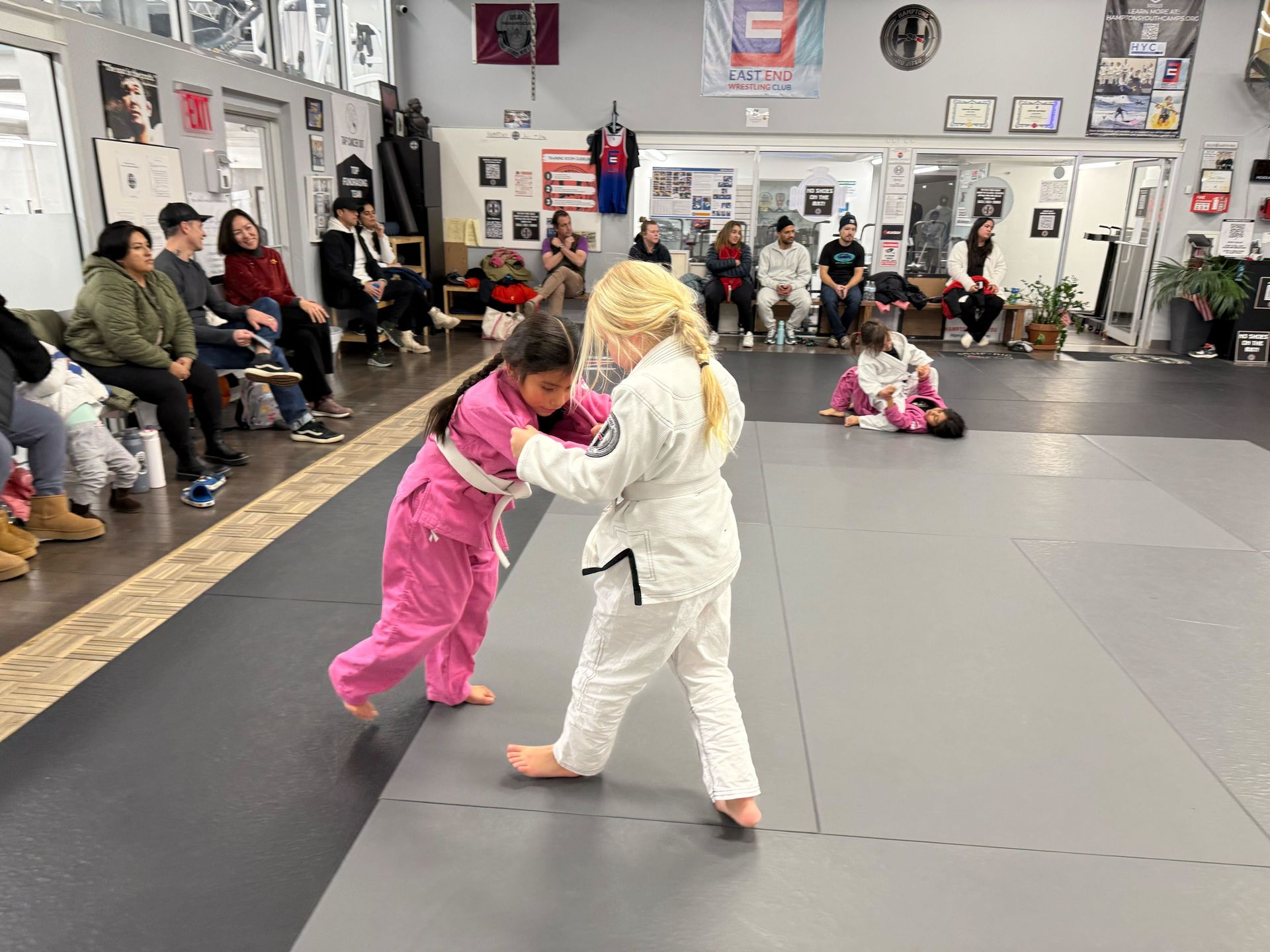
In your early weeks, you will spend time on foundational movement and safety. We teach you how to protect yourself, how to tap, how to keep your body aligned, and how to recognize common positions. You will also learn that training partners are not opponents in the usual sense. Your partner is helping you learn, and you are helping your partner learn.
Here is a typical progression we aim for:
1. Week 1: Learn basic positions, safety rules, and how to move with control
2. Week 2: Add escapes and simple attacks while improving balance and posture
3. Week 3: Start linking techniques together and understanding timing and reactions
4. Week 4: Build consistency, ask better questions, and feel comfortable in the room
That first month tends to be the tipping point. Once you can name what is happening, your brain relaxes. You start to enjoy the puzzle.
How we structure training for mental wellness, not burnout
Mental wellness improves when training is sustainable. That means we pay attention to pacing, clarity, and the culture in the room. Hard training has its place, but going too hard too fast is the quickest way to quit. Our goal is to help you train for the long term.
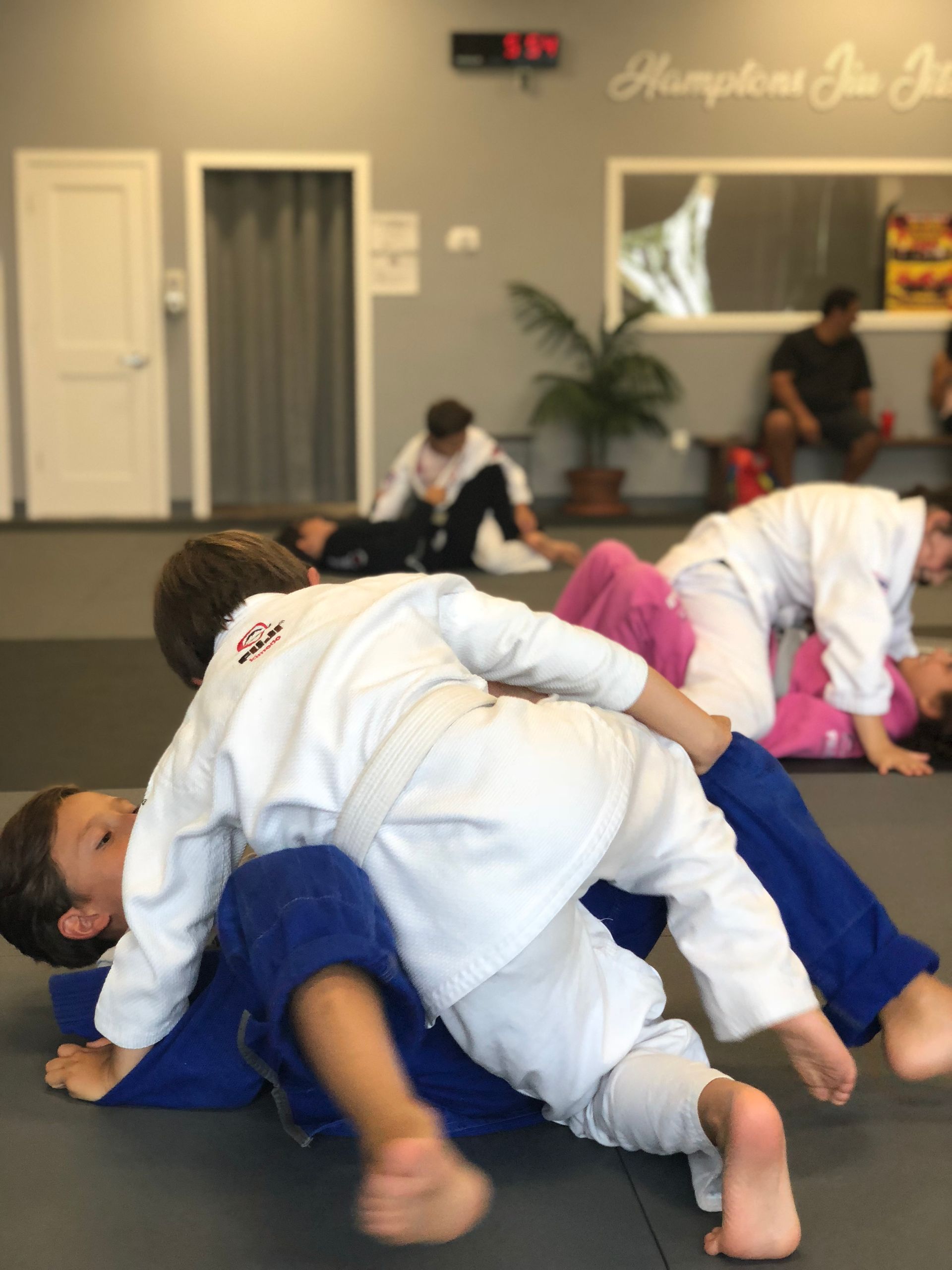
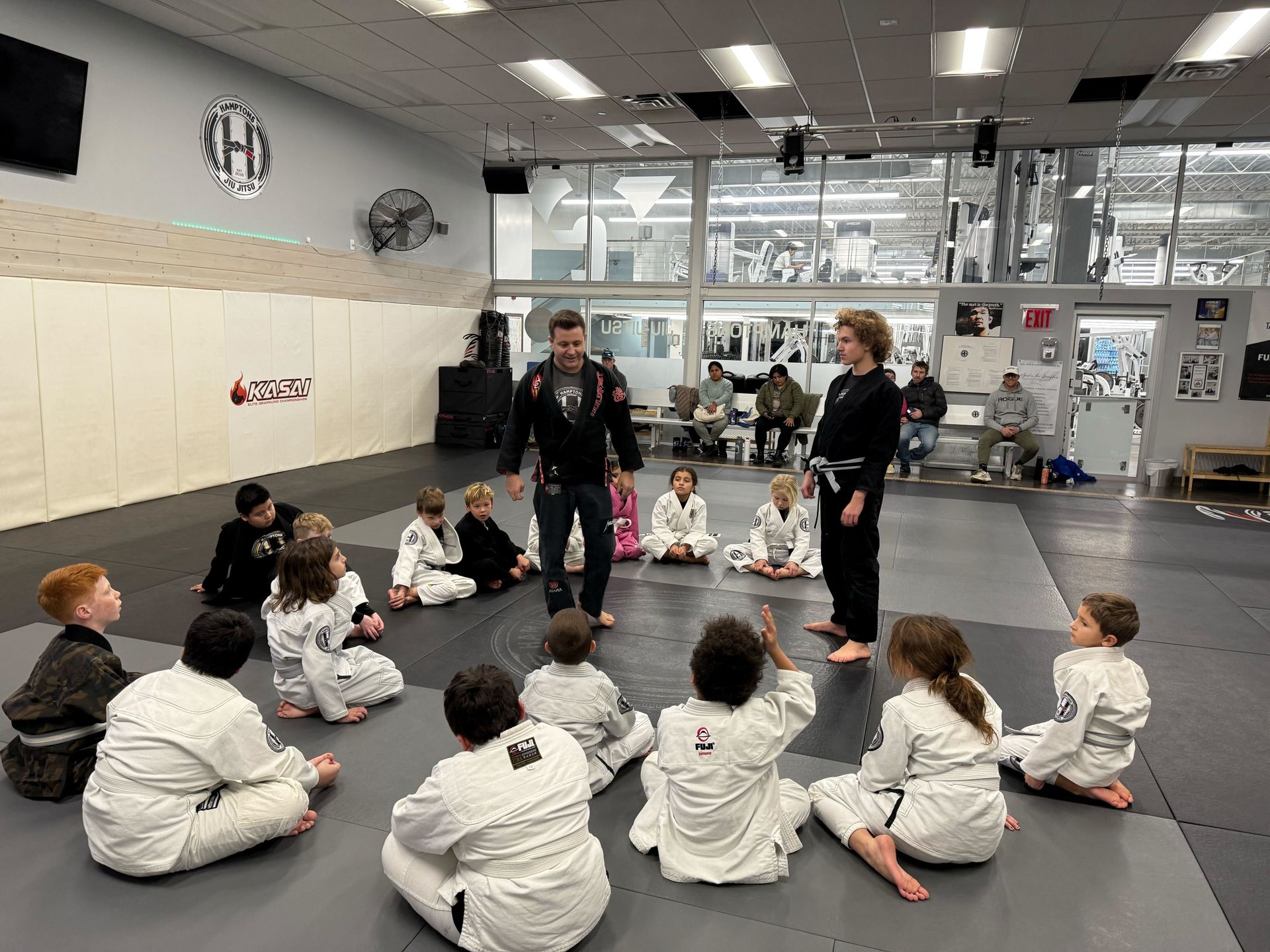
We design classes around progressive learning. You get instruction, drilling time to build the pattern, and situational practice to apply it with increasing realism. Live rounds are introduced in a way that matches your experience level, and we reinforce the idea that tapping is not losing. Tapping is communicating. It is how you learn safely.
We also encourage you to use the class schedule strategically. Some weeks you might come in two times. Some weeks three. Consistency beats intensity when the goal is mental health. You do not have to train every day to feel the benefits of jiu jitsu.
The community effect: connection without pressure
One of the most underrated parts of brazilian jiu jitsu in Southampton is the way it builds community without forcing small talk. You train next to the same people, you learn each other’s names, and you start to feel part of something. If you have been feeling isolated, that matters.
Training also builds a healthy sense of accountability. When you know people will notice you showed up, you are more likely to keep showing up. And because the work is shared, support feels natural. Someone helps you fix a detail. You return the favor later. That kind of mutual progress is grounding.
We keep our environment respectful and welcoming, because the mental wellness benefits only show up when people feel safe enough to learn.
Jiu jitsu and trauma informed considerations
Some people are drawn to training because they want to feel safer in their own body. Research has reported meaningful improvements in PTSD markers and reductions in anxiety and depression among certain groups practicing BJJ. We are careful with how we talk about this: training is not a replacement for professional mental health care, and we never position it that way. But movement, skill-building, and supportive structure can be part of a bigger wellness plan.
If you are returning to training after a difficult period, we encourage you to start slowly and communicate with us. You can take breaks. You can sit out rounds. You can ask for lighter training. The goal is progress that respects your nervous system, not pushing through at all costs.
This is self-care that is active, but it should still feel like care.
Practical ways to use jiu jitsu as weekly self care
If you want jiu jitsu Southampton training to support your mental wellness, a little intention goes a long way. You do not need a complicated plan. You just need a few habits that make training feel steady.
Try these simple approaches:
• Pick a realistic schedule you can keep for eight weeks, even when life gets busy
• Set one learning goal per week, like improving one escape or one guard retention detail
• Track your mood after class for a month to notice patterns in stress and sleep
• Treat rest as part of training, especially if your work life already runs hot
• Focus on breathing when things get uncomfortable, because that is the skill you are really practicing
When you do this, jiu jitsu stops being just something you do. It becomes a tool you use.
Take the Next Step
If you want a self-care practice that builds resilience instead of just offering a temporary reset, we would love to help you start in a way that feels approachable. At Hamptons Jiu-Jitsu, our programs are built to support beginners, busy adults, and anyone who wants the mental clarity that comes from learning a real skill.
Training does not need to be perfect to be effective. Show up, learn the fundamentals, and give yourself time to adapt. When you do, the benefits of jiu jitsu tend to spill into everything else: calmer stress responses, sharper focus, and more confidence in your day-to-day life.
Start building confidence and practical skills by joining your first class at Hamptons Jiu-Jitsu.
ACCESS OUR SCHEDULE
& EXCLUSIVE WEB SPECIAL
Secure your spot and get started today with our EXCLUSIVE offer!