
5 Surprising Benefits of Youth Jiu Jitsu for Southampton Families
Youth jiu jitsu can do a lot more than teach kids how to grapple, it can change how your child handles stress, school, and social pressure.
If you are exploring youth jiu jitsu for your child, you are probably thinking about the obvious wins first: exercise, discipline, maybe a bit of self-defense. Those are real benefits, and we love seeing them click for kids in class. But what surprises many Southampton families is how quickly the training starts showing up in everyday life, like homework time, sibling dynamics, and even how your child walks into school.
Our youth jiu jitsu program is built to be age-appropriate and structured, with a calm emphasis on technique, safety, and character. And because Brazilian Jiu-Jitsu is so problem-solving based, the benefits are not just physical. Research backs that up, too: parents commonly report improvements in confidence, reduced anxiety, and stronger commitment habits after consistent training.
Below are five benefits that tend to catch parents off guard in the best way.
Why Youth Jiu Jitsu Works So Well for Kids in Southampton
Southampton can be an amazing place to grow up, but it comes with its own pressure points. Busy schedules, high expectations, plenty of screen time, and the odd social disconnect that can happen in a seasonal town can leave kids feeling overstimulated and under-grounded at the same time. Our classes give kids a place to move, focus, and interact face-to-face with peers in a structured setting that still feels fun.
Youth jiu jitsu also offers something many activities do not: progress is individualized. Your child does not have to be the fastest runner or the loudest personality in the room to succeed. We can meet your child where your child is, then build from there, one small win at a time.
Benefit 1: Less Aggression (Even Though It Looks Like Fighting)
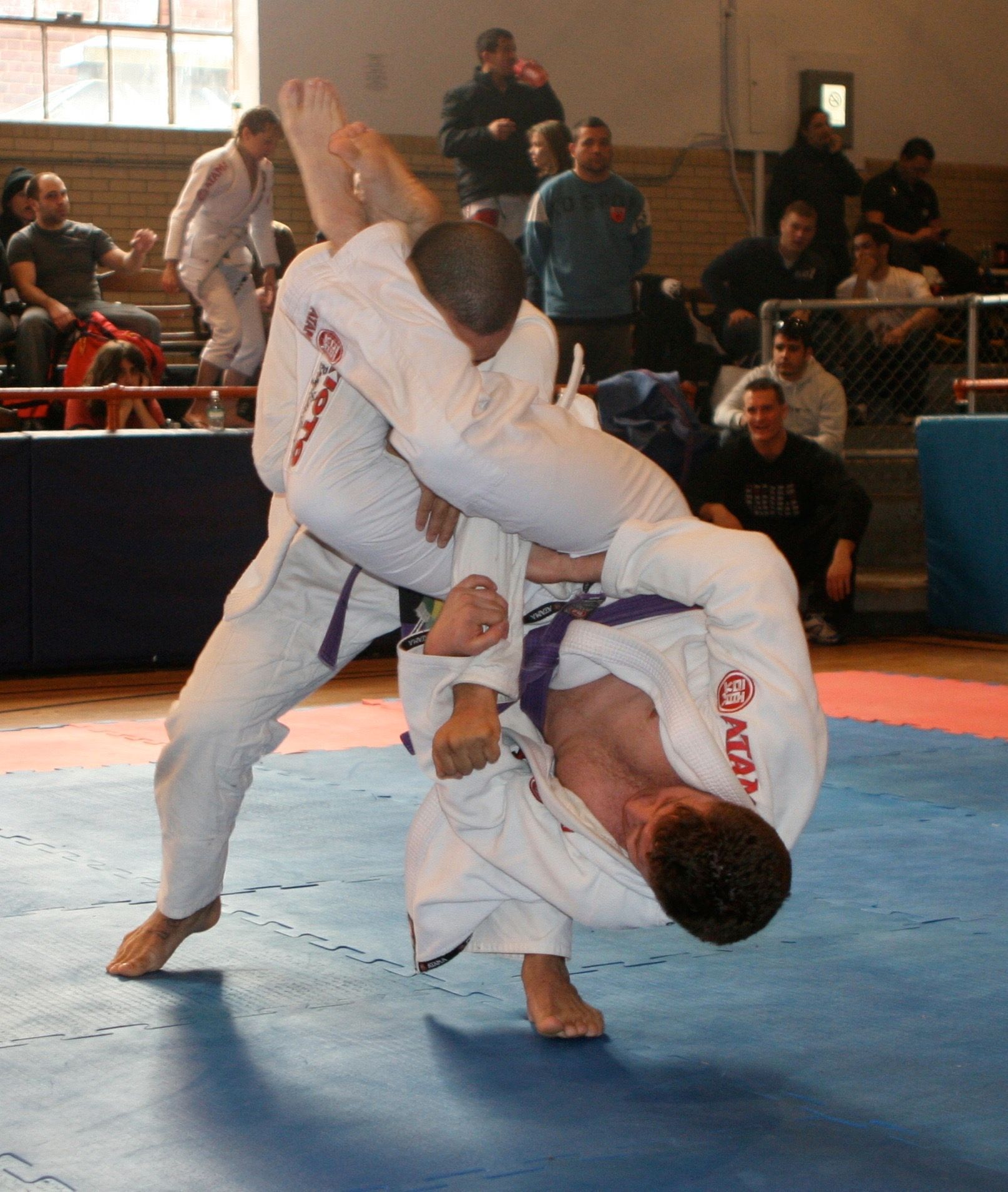
It seems counterintuitive, but one of the most consistent outcomes we see is a decrease in aggressive behavior. Jiu-jitsu involves contact, yet the goal is control, not chaos. Kids learn quickly that strength without technique does not get far, and that staying calm is what actually works.
Recent studies comparing Brazilian Jiu-Jitsu with more striking-focused environments suggest BJJ can increase self-control and pro-social behavior while decreasing aggression. That tracks with what we coach every day: how to pause, breathe, and choose the next best move instead of reacting impulsively. For families worried about roughness at school or emotional outbursts at home, that self-regulation can be the real game-changer.
How we coach control in a way kids understand
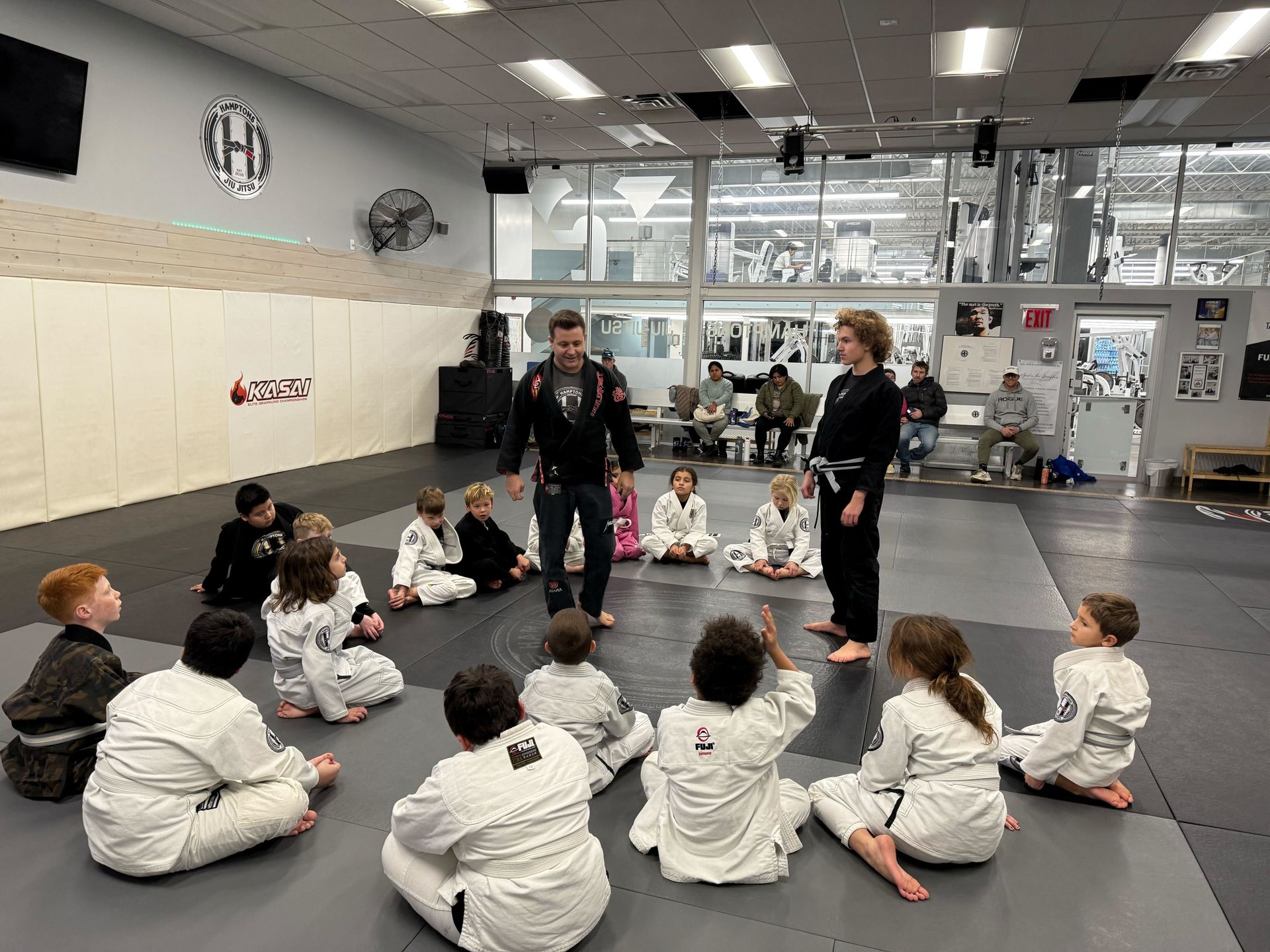
We keep the room structured and consistent, so kids know what is expected. Our instructors reinforce respectful behavior, safe training habits, and how to be a good partner. Over time, kids start to internalize a simple lesson: you can feel big emotions without letting them drive the car.
This is also where our approach differs from what people assume when they hear mixed martial arts in Southampton. Our youth training is not about turning kids into fighters. It is about teaching them how to manage pressure with composure and skill.
Benefit 2: Better Focus at School (Because Jiu-Jitsu Trains the Brain)
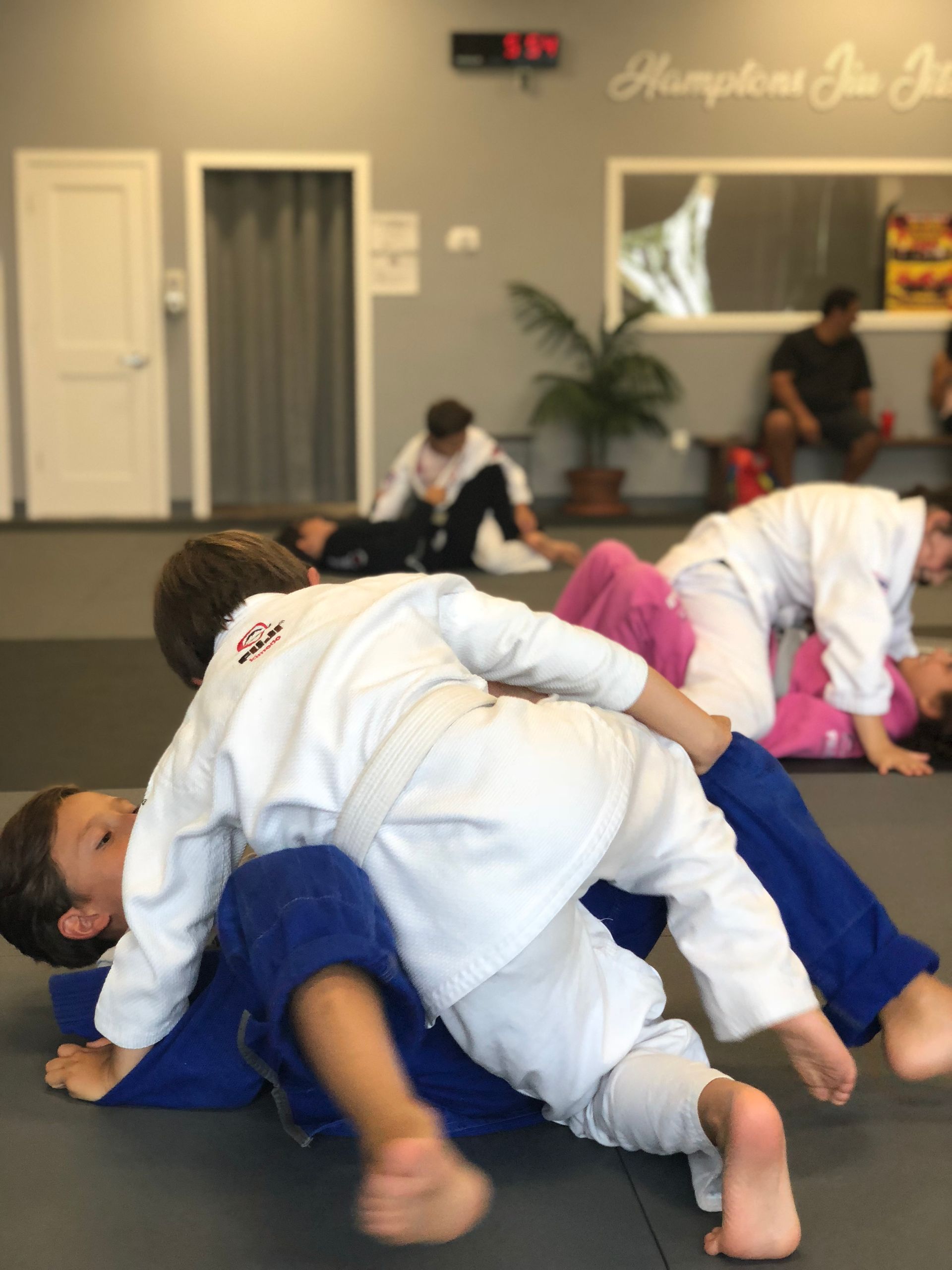
Youth jiu jitsu is basically chess with your body. Kids have to pay attention to grips, posture, balance, and timing. If your child drifts mentally, the technique stops working. That immediate feedback loop is powerful, and it trains attention in a way that feels natural rather than forced.
Research on youth training shows that even 1 to 3 sessions per week for about 45 minutes can lead to measurable gains in self-control and inhibitory control. In plain terms, kids get better at stopping themselves from blurting out, quitting early, or getting pulled off-task by distractions. In a world of constant notifications and short attention loops, that matters.
What focus looks like on the mat and at home
In class, focus can be as simple as following a two-step sequence without rushing. At home, that might translate into sitting down and actually finishing the reading assignment, or taking a correction from a teacher without spiraling. We cannot promise a straight line from training to grades, but we do see the habits stacking up: listening, trying again, and staying engaged through discomfort.
Benefit 3: Anxiety Drops When Kids Learn What Calm Feels Like Under Pressure
A lot of kids carry stress in ways adults do not always spot. Sometimes it shows up as perfectionism, irritability, stomach aches, or refusal to try new things. Youth jiu jitsu gives kids controlled exposure to pressure, and then teaches them how to function inside it.
Parents frequently report reduced anxiety after their children train consistently. One dataset found that 87.5% of parents noticed anxiety reductions, and 92.8% noted improved mood. That makes sense: training provides physical movement, predictable routines, and a safe place to practice being uncomfortable without being unsafe.
A practical example of confidence replacing worry
A child who hesitates to raise a hand in class might learn, slowly, that it is okay to be wrong. On the mat, nobody hits a perfect technique every time. Kids tap, reset, and try again. That rhythm teaches resilience in a way that feels almost sneaky. Over time, we often see kids stand a little taller, make eye contact more easily, and speak up with less fear of messing up.
Benefit 4: A Real Sense of Belonging (Yes, Even for Shy Kids)
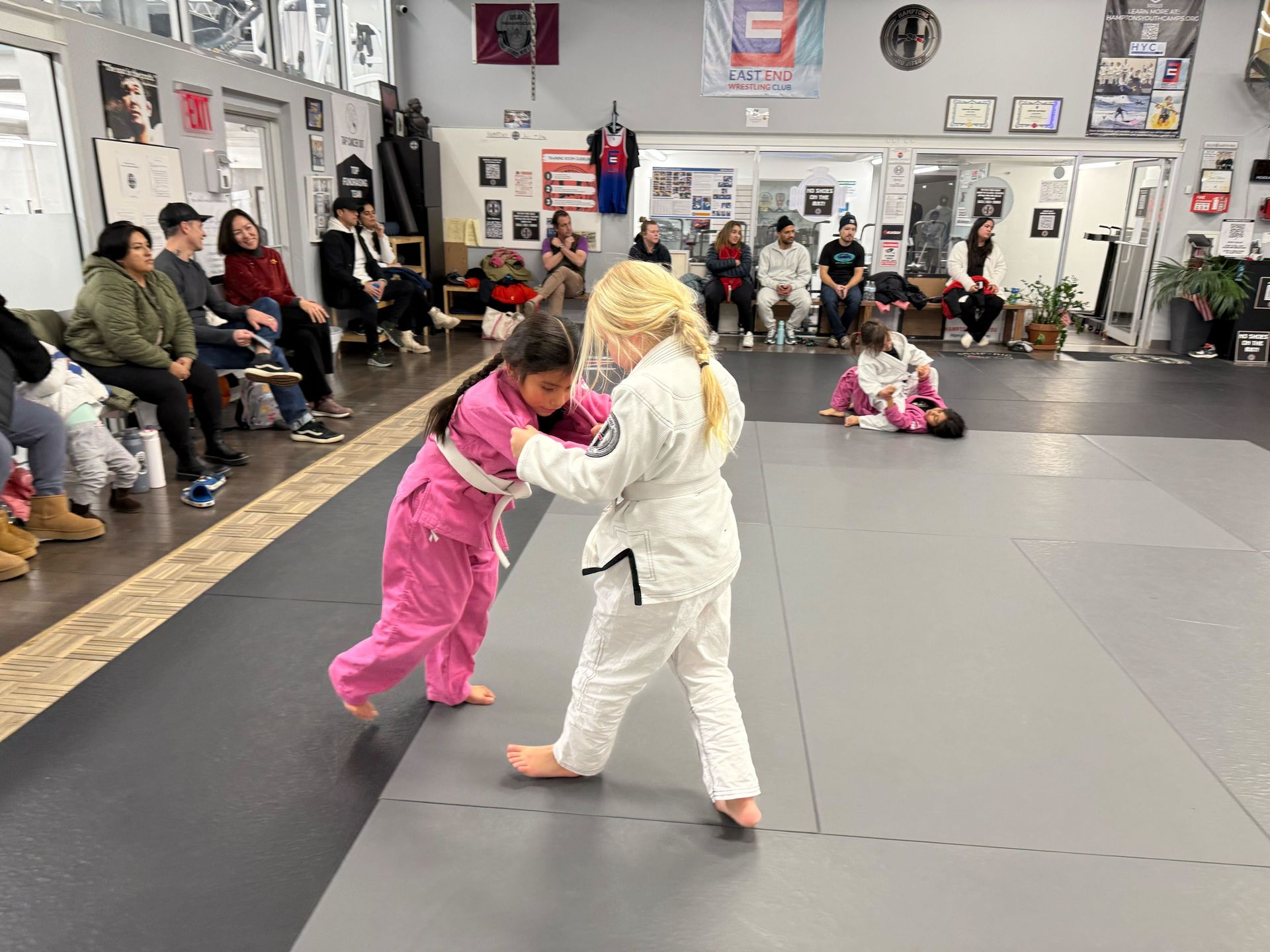
This one is huge, especially in a post-COVID world where many kids still feel socially rusty. Youth jiu jitsu builds connection through partner drills, shared effort, and consistent routines. When kids train together, they learn each other’s names, celebrate progress, and get used to working with all kinds of personalities.
One study reported a 100% sense of community among participants. That is not a small thing. Kids need places where they can belong without performing, and where effort is valued more than popularity.
What community looks like in our youth program
We set the tone with how we run class. Kids are expected to be respectful and supportive, and we keep the culture friendly and structured. For some kids, it becomes the first place where they feel confident socially because the rules are clear: be safe, be kind, and keep learning.
For Southampton families who feel the seasonal shift in social life, having a steady community throughout the year can make a difference. It is not about being loud or extroverted. It is about being part of something consistent.
Benefit 5: Injury-Resistant Fitness That Helps in Other Sports, Too
Many parents come in expecting youth jiu jitsu to be hard on the body. What surprises people is how much body awareness it builds. Because jiu-jitsu relies on balance, coordination, and controlled movement, kids often develop better agility and safer falling mechanics. Those skills can reduce injury risk in other activities.
Studies highlight improvements in coordination, flexibility, cardiovascular endurance, reaction times, and general body awareness from grappling-based training. For multi-sport kids, that can translate into better performance and fewer awkward mishaps on the field. And for kids who are not in team sports, it is an accessible way to build fitness without needing to be picked first.
Why our classes prioritize safety and longevity
We keep training age-appropriate and technique-first. Kids learn positions and movements step by step, with coaching on how to move safely with a partner. We would rather see a child build great fundamentals over time than rush into intensity. That is how you get long-term progress, and frankly, happier kids.
What Your Child Actually Learns in Youth Jiu Jitsu (Beyond Moves)
Parents often ask what the curriculum looks like. We teach real Brazilian Jiu-Jitsu fundamentals, but the bigger goal is skill-building that transfers into life: patience, persistence, and emotional control. Here are a few core outcomes families tend to notice after a consistent stretch of training:
• Stronger self-confidence through repeated small wins and measurable progress in technique
• Better emotional regulation from learning when to breathe, pause, and reset during difficult moments
• Increased respectfulness toward coaches, training partners, and family routines at home
• Improved concentration from listening closely, following sequences, and staying engaged under pressure
• Practical anti-bullying skills, including escapes and boundary-setting, without encouraging aggression
• Healthier habits around effort, including showing up consistently and trying again after setbacks
Those are not abstract ideals for us. We coach them on the mat, one class at a time, and kids tend to absorb them faster than you would expect.
How Often Should Kids Train to See Benefits?
You do not need an extreme schedule. Many families see meaningful changes with 1 to 3 classes per week. Consistency matters more than intensity, especially for beginners. A steady routine gives kids time to build comfort, learn the basics, and develop trust in the process.
If your child is brand new, we typically recommend starting with a manageable cadence, then adjusting once your child feels settled. The goal is to keep it sustainable for your family’s calendar, not to overload it. Youth jiu jitsu should add energy to the week, not drain it.
Safety and Age: The Questions Every Parent Asks
Safety is a fair concern. We run classes with clear rules, close supervision, and a focus on controlled training. Kids learn how to be good partners, how to move safely, and how to tap and stop when needed. Technique comes first, and intensity is introduced thoughtfully, based on age and maturity.
As for starting age, many kids can begin around age 4 if your child can follow basic directions, handle a group environment, and respect boundaries. We are happy to help you figure out the best fit based on your child’s temperament, energy level, and comfort in new settings.
Take the Next Step
If you want an activity that builds confidence, focus, and real-world resilience, youth jiu jitsu checks more boxes than most parents expect. The best part is watching those benefits show up quietly at home and at school: calmer reactions, better follow-through, and a stronger sense of self.
At Hamptons Jiu-Jitsu, we keep our youth program structured, safe, and genuinely welcoming, so your child can grow into the art at a pace that feels right and sustainable for your family.
Give your child a positive outlet for energy and personal growth through the kids’ martial arts program at Hamptons Jiu-Jitsu.
ACCESS OUR SCHEDULE
& EXCLUSIVE WEB SPECIAL
Secure your spot and get started today with our EXCLUSIVE offer!