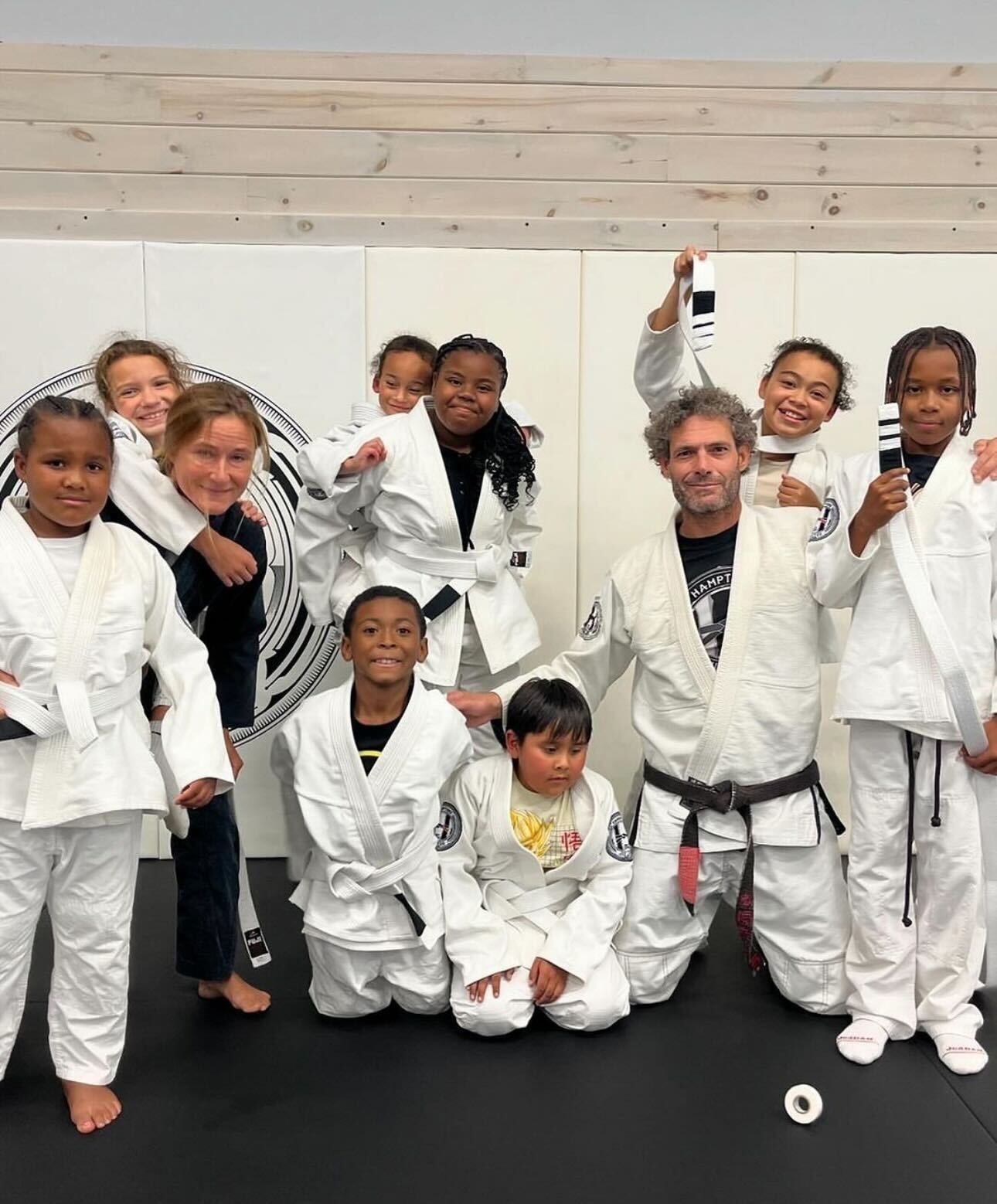

Jiu Jitsu for Southampton Teens: Building Strength and Resilience Together
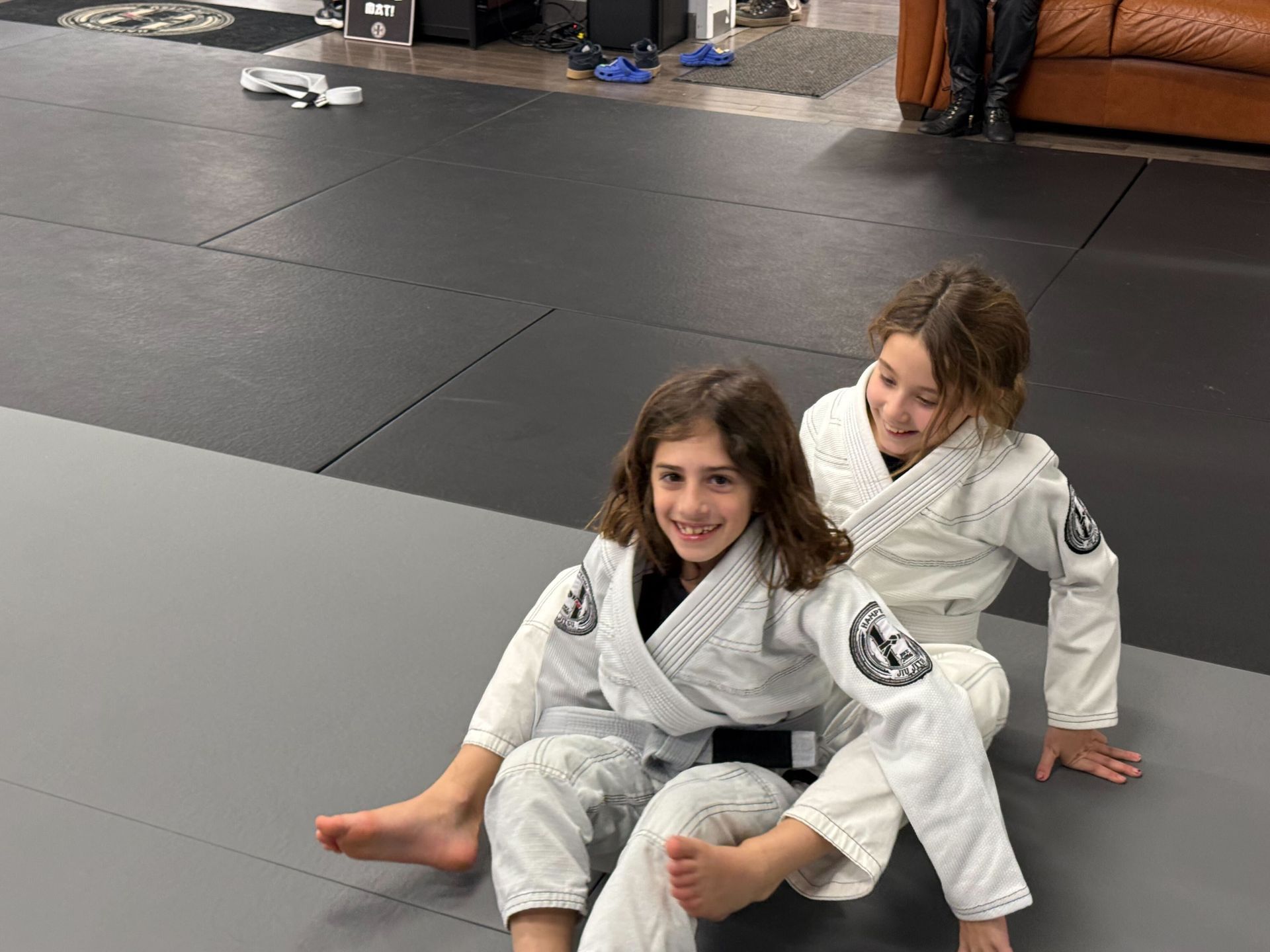
Jiu jitsu gives teens a place to get stronger, think clearer, and handle pressure without having to pretend it is easy.
Teen years move fast in Southampton, and the pressure can be weirdly quiet: busy school weeks, sports seasons, jobs, social stuff, and the constant sense that you should already have everything figured out. We like jiu jitsu here because it is honest. It shows you what works, what does not, and how to keep improving without needing to be the loudest person in the room.
When teens train with us, we are not just “getting them tired.” We are teaching a skill set built on leverage, balance, timing, and problem-solving. Strength matters, sure, but resilience matters more: staying calm, making a plan, and adjusting when the plan breaks.
If you are searching for jiu jitsu Southampton options for your teen, our goal is simple: give you a structured program that builds athleticism and confidence, while keeping safety, progress, and community front and center.
Why jiu jitsu clicks with teens in Southampton
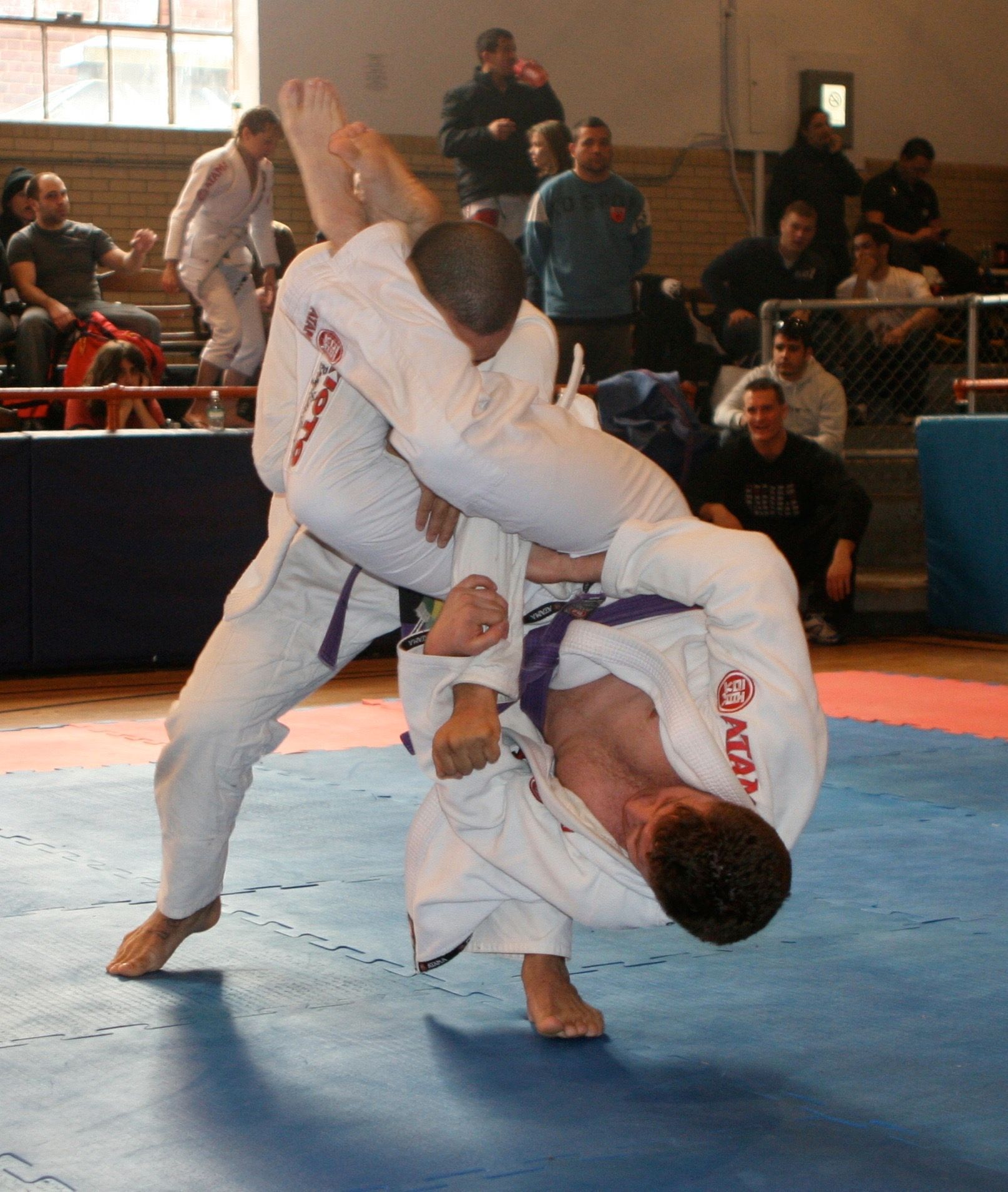
Jiu jitsu is a grappling-based martial art where you learn how to control positions, escape, and finish with submissions in a controlled, rules-based setting. For teens, that structure matters. There is a beginning, a middle, and a next step, and progress is visible if you stay consistent.
We also see something else happen: teens start showing up differently outside the mats. They sit a little taller. They handle frustration better. They stop spiraling when something gets hard, because training has already taught them that “hard” is a normal part of learning.
In Southampton, families often juggle packed schedules. We build our teen training to be efficient and repeatable. Your teen learns fundamentals that keep coming back, so every class adds another layer instead of feeling random.
The real benefits: strength, resilience, and a calmer mind
A teen jiu jitsu class should do more than teach techniques. We want your teen to leave feeling capable, not just exhausted. Over time, the benefits stack up in ways you can actually notice at home and at school.
Here is what we commonly build through consistent training:
• Functional strength and coordination from pushing, pulling, bridging, and controlling body positions under pressure
• Better cardio without the boredom factor, because rounds and drills keep the mind engaged
• Confidence rooted in skill, not hype, because techniques either work or they do not
• Emotional control and stress management, since sparring teaches you to breathe, reset, and continue
• Social connection, because training partners become teammates and accountability becomes normal
This is a big reason jiu jitsu in Southampton NY fits teens well. It is both physical and mental, and it rewards patience, consistency, and effort more than raw athletic talent.
How our teen program is structured and why it feels different
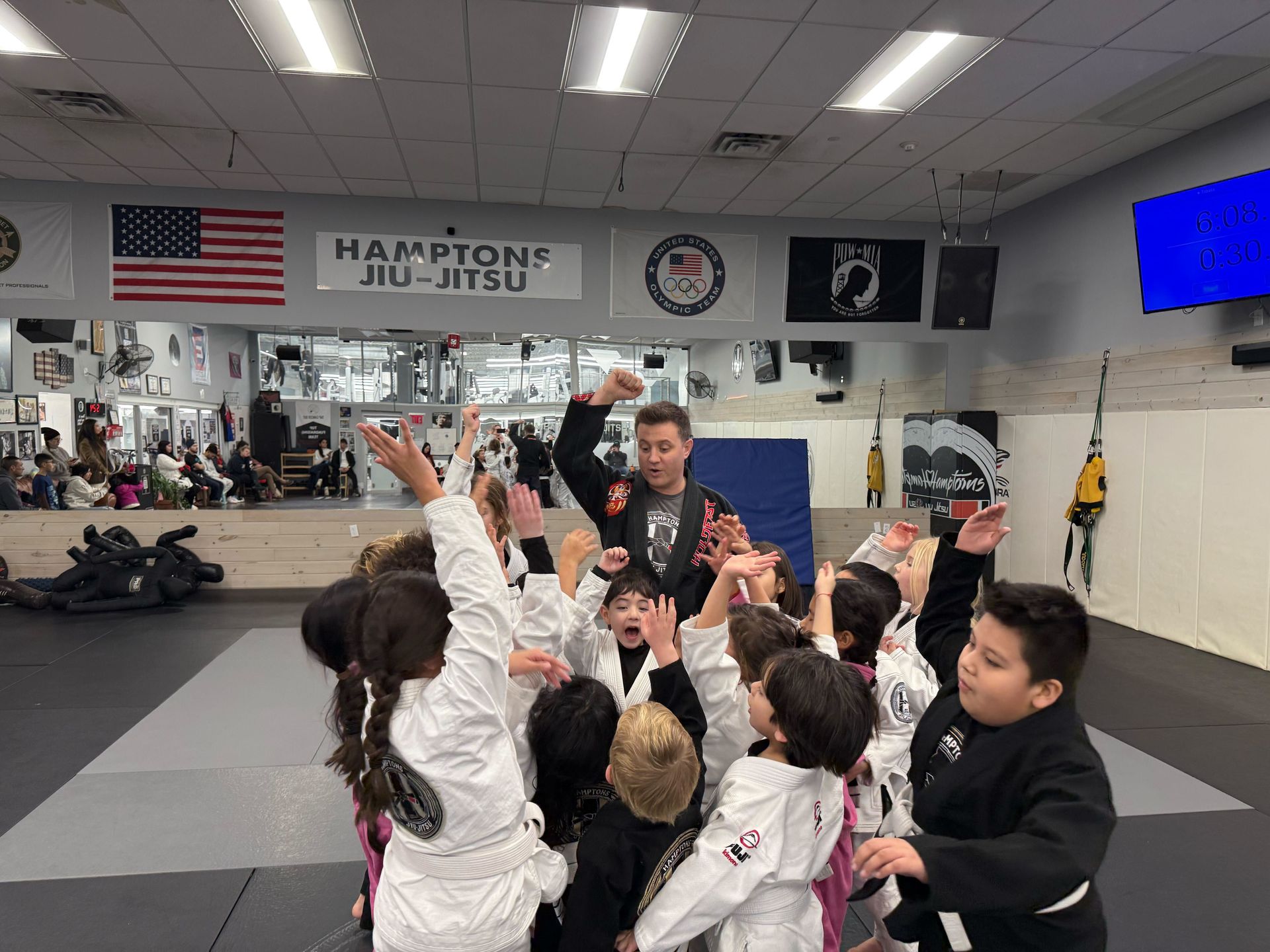
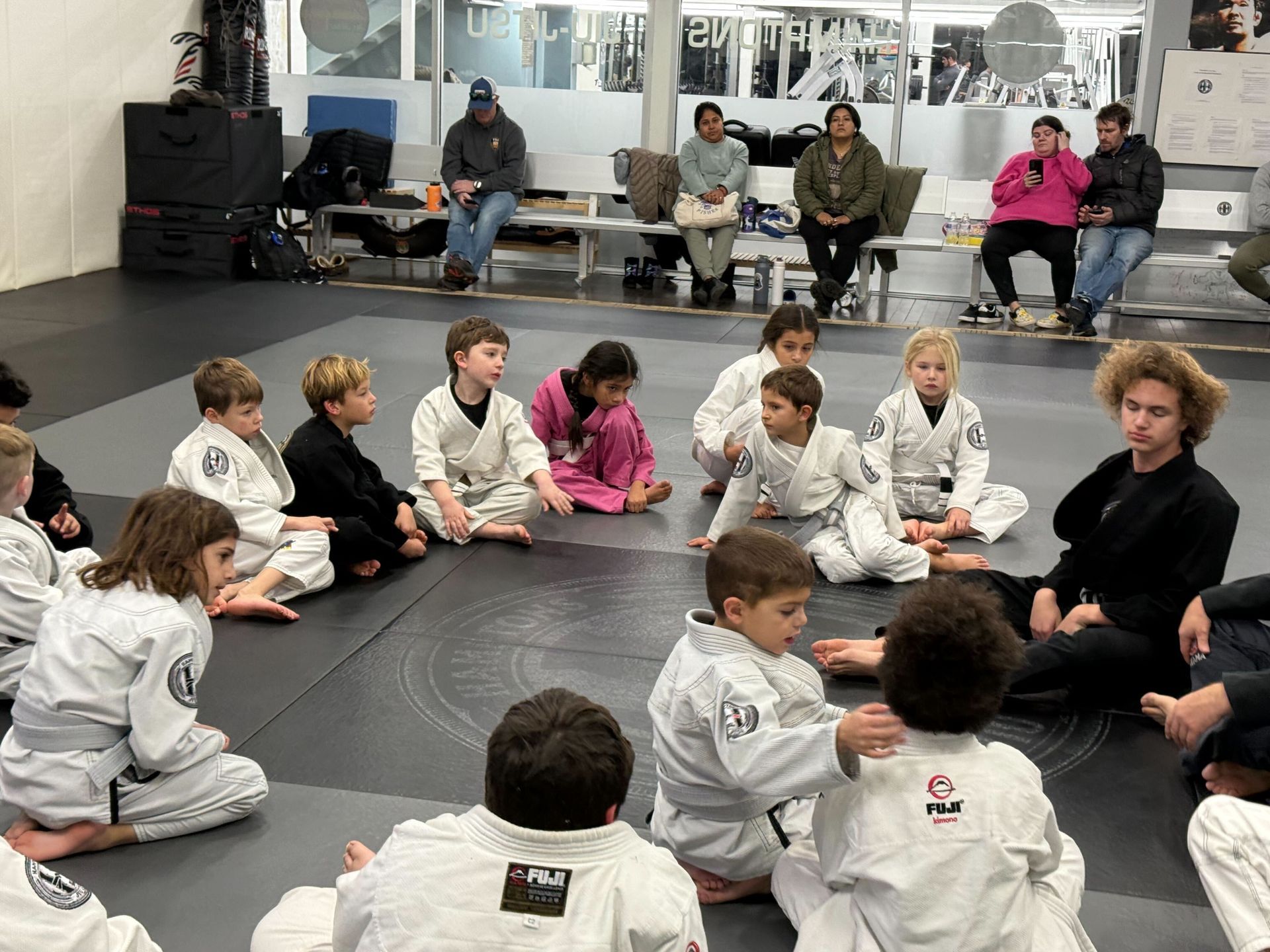
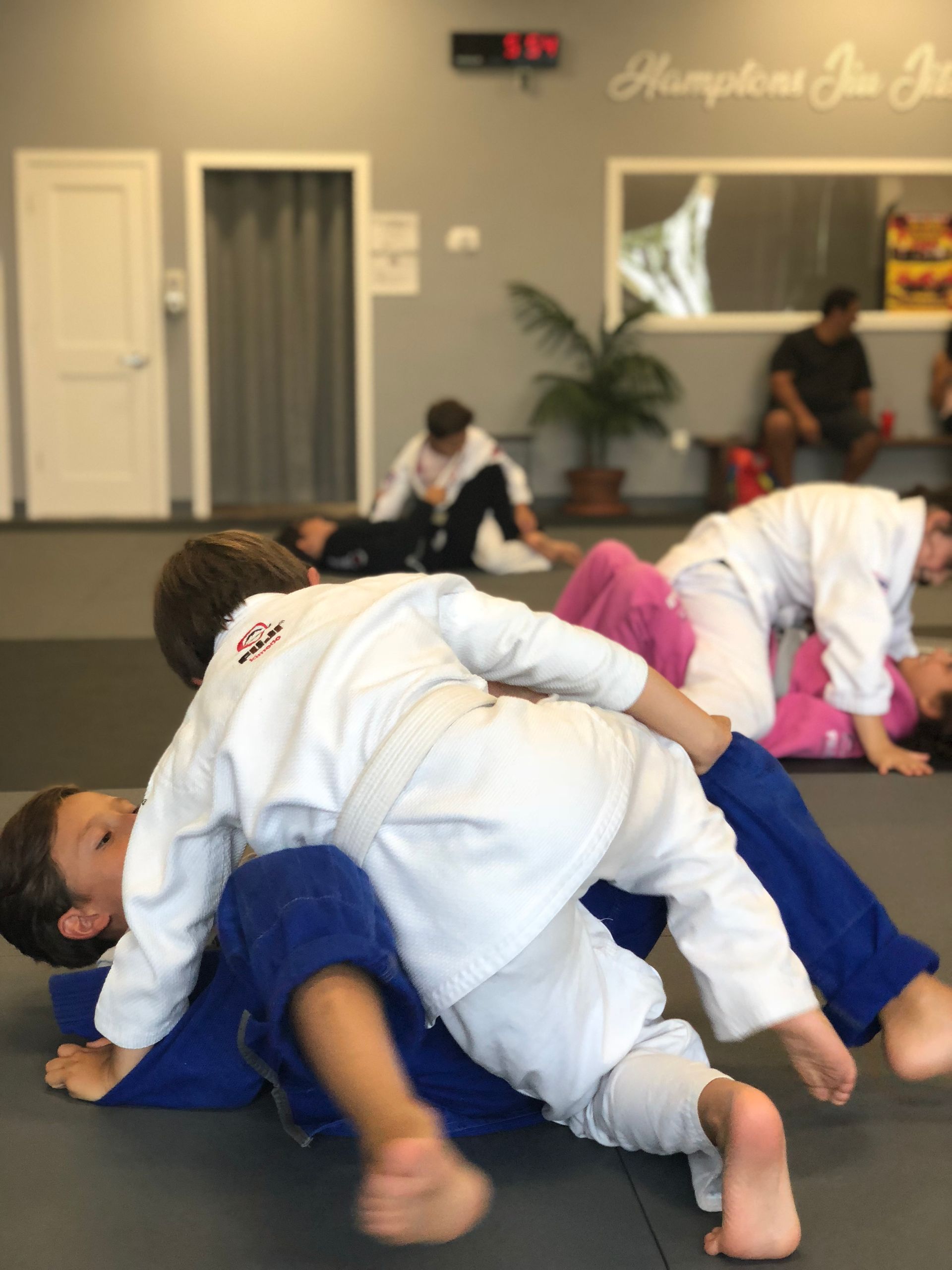
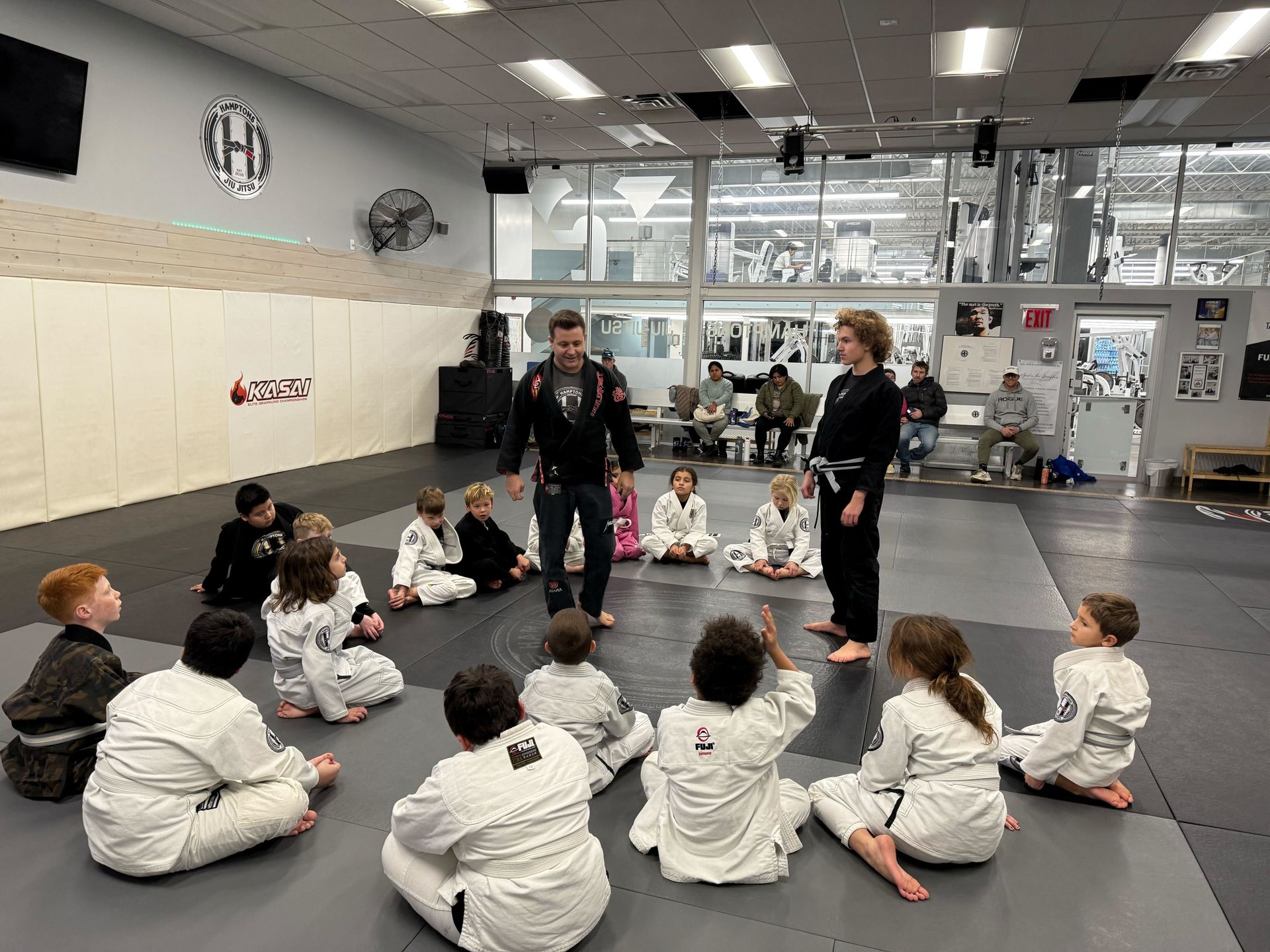
We run teen classes with a clear rhythm: warm-up with purpose, technical instruction, drilling, and live training that matches the room. Live rounds are where growth happens, but only when they are coached and controlled. We do not throw teens into chaos and call it toughness.
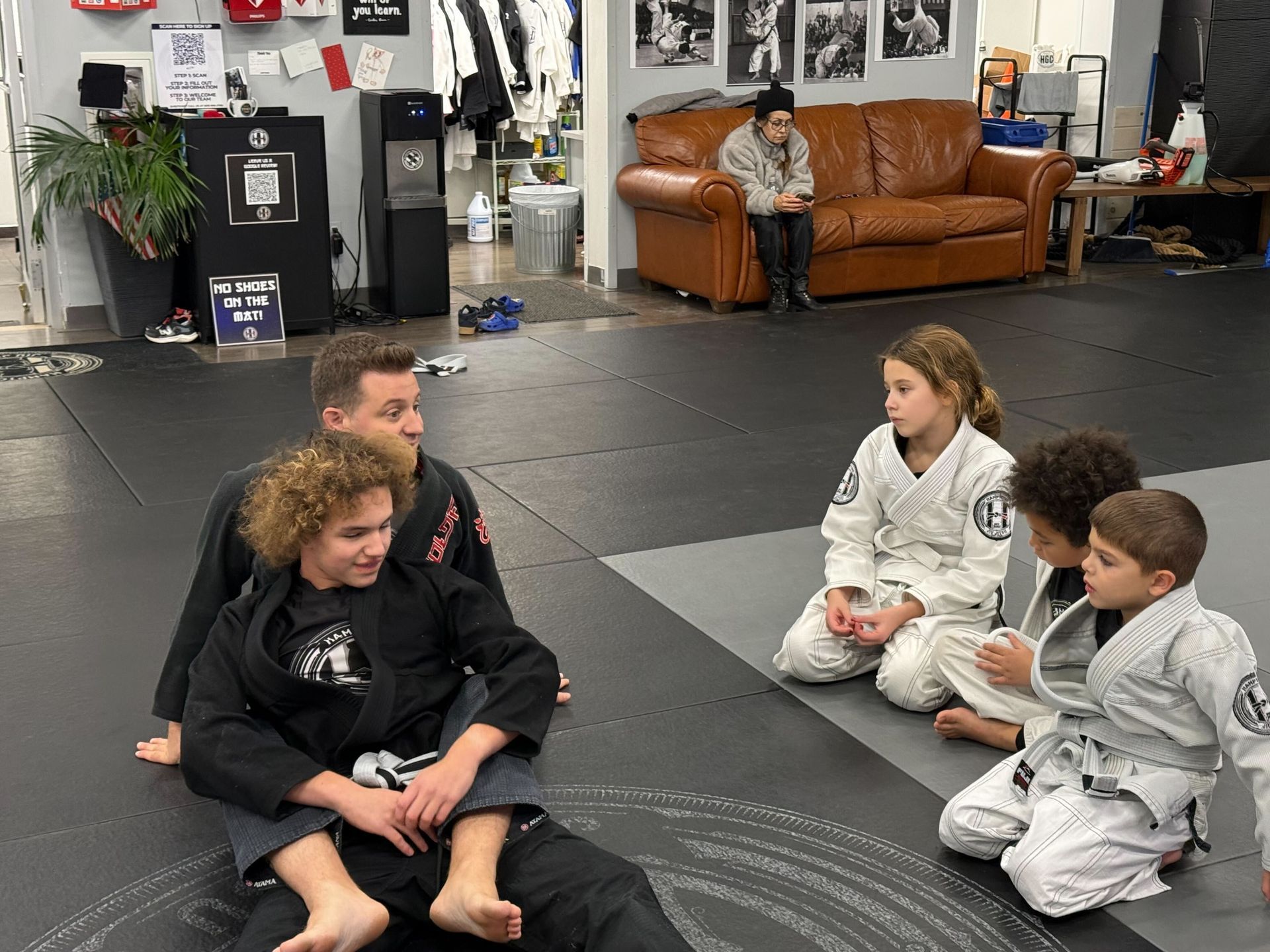
Our instructors teach in a way that makes sense to teen brains: concrete cues, repeatable steps, and real feedback. If your teen is brand new, we focus on survival basics first. If your teen already has experience, we help refine decision-making, transitions, and efficiency.
What a typical class feels like
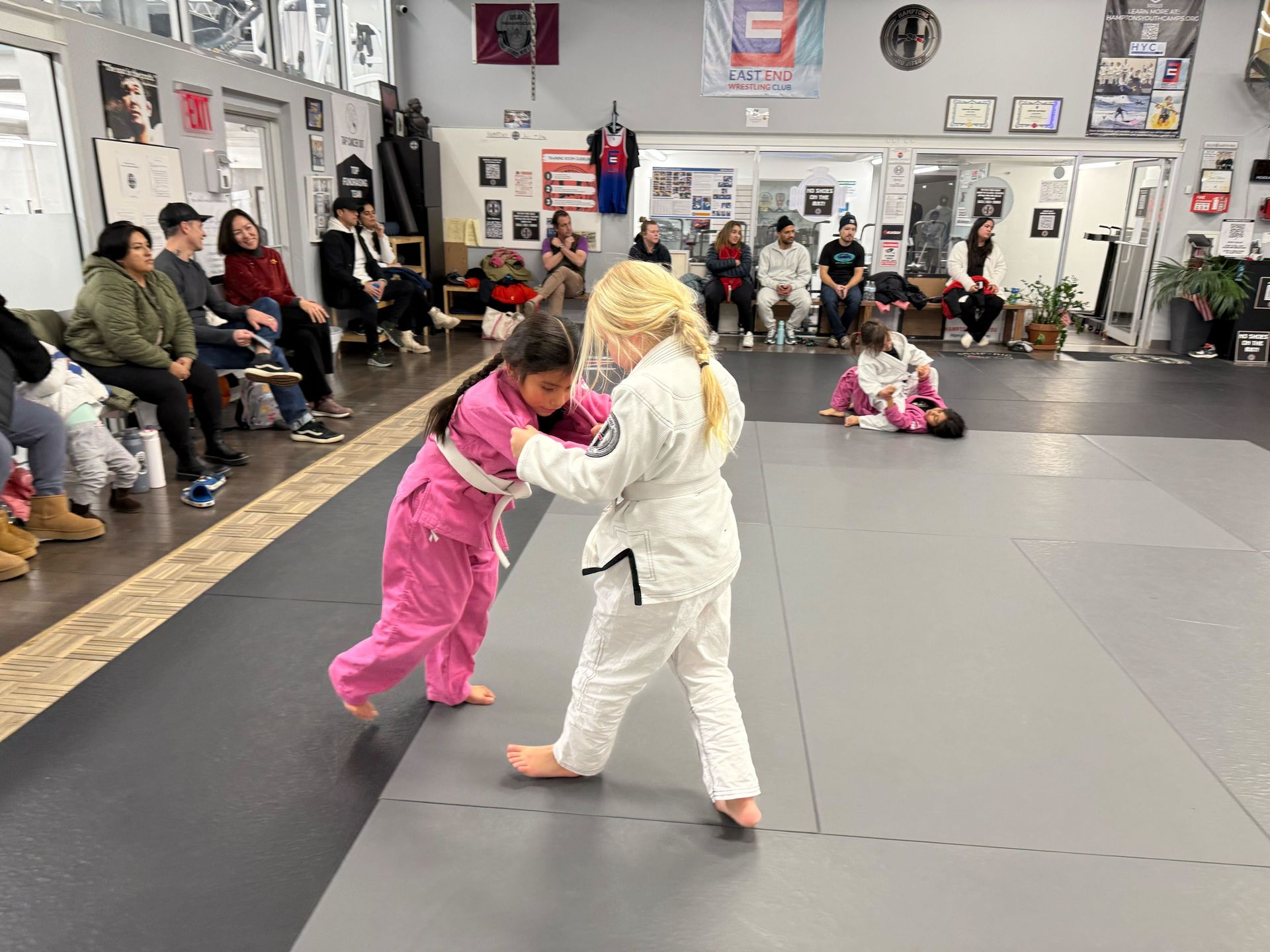
Most teens walk in a little unsure the first time. That is normal. Our job is to make the environment welcoming while keeping standards high. You will usually see:
• Clear partner matching, so size and experience are considered
• Technique explained in layers, so beginners get the first step and advanced students get detail
• Drilling that builds muscle memory without rushing
• Rounds that are timed and supervised, with coaching when needed
• A quick wrap-up so students leave knowing what to focus on next time
We want your teen to feel challenged, but not overwhelmed. There is a difference.
Progress takes time, and that is a good thing
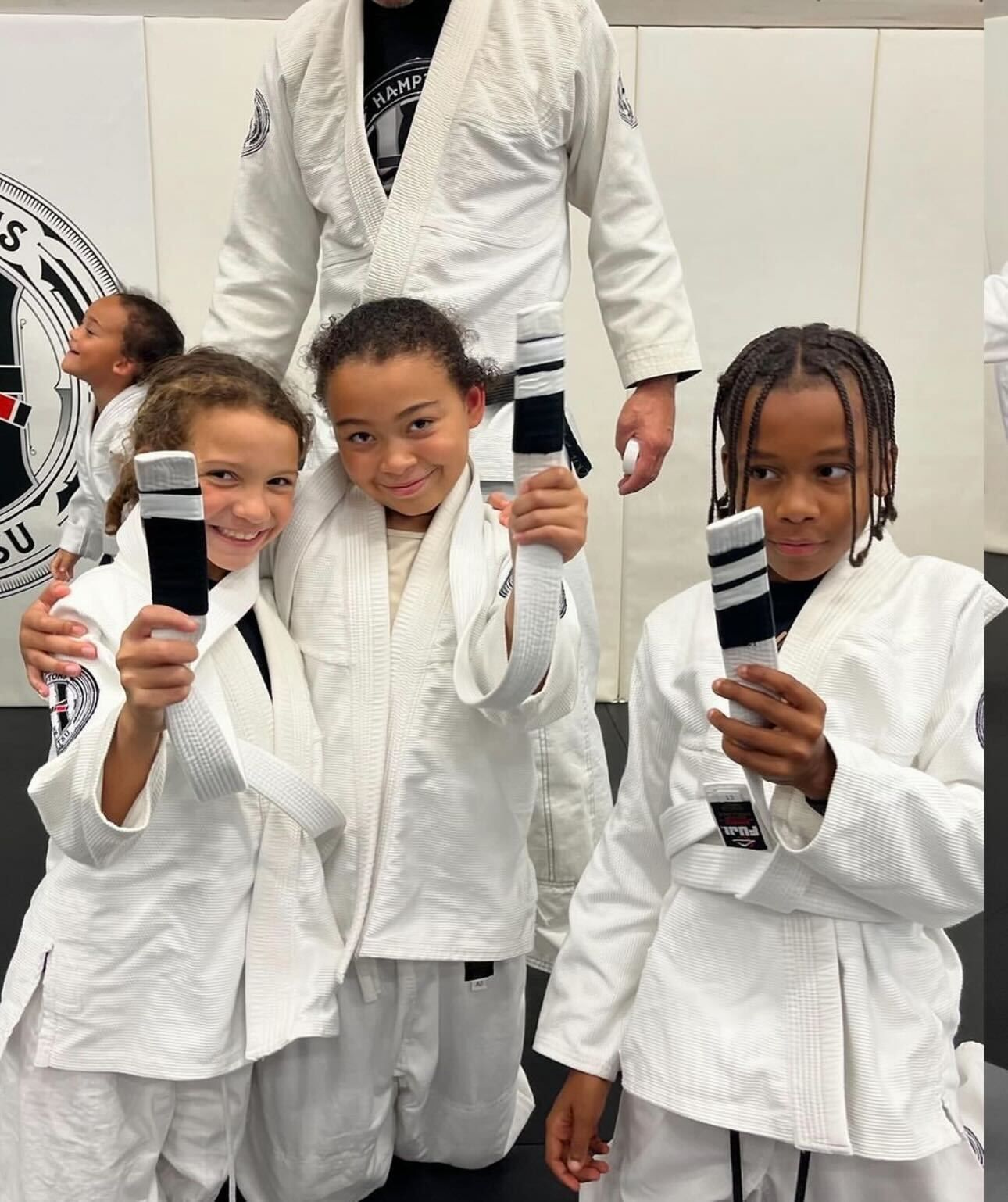
One of the most helpful things about jiu jitsu is that it teaches long-term commitment without the cheesy speeches. Belt progression is real, but it is also slow, and that is part of the point. In Brazilian Jiu-Jitsu, white belt alone averages about 2.3 years before promotion, and the path to blue belt often becomes a 4 to 5 year story of steady work, not a quick win.
For teens, that timeline is actually healthy. It rewards showing up, listening, and practicing fundamentals. We talk openly about this so expectations stay realistic. You are not buying a “fast transformation.” You are building skill, and skill takes reps.
We also help teens set short goals inside the long journey: better posture in guard, cleaner escapes, smarter grips, calmer breathing in rounds. Those small wins keep motivation alive.
Safety and injury risk: what families should know
Parents ask about injury risk, and we respect the question. BJJ has real injury rates across the sport. A 2019 study found that 59.2 percent of athletes reported at least one injury in the prior six months, and risk tends to increase with training frequency. That does not mean training is reckless, but it does mean smart coaching and smart habits matter.
We handle safety in three practical ways: controlled intensity, good partner culture, and technical emphasis before ego. For teens, we keep a close eye on pace and pairing. We teach how to tap early, how to apply submissions with control, and how to prioritize position before speed.
Our simple safety habits that make a difference
We build a room where teens can train hard and still stay healthy. That includes:
1. Starting new teens at a manageable class frequency, often 2 to 3 classes per week, so the body adapts
2. Teaching breakfalls, posture, and safe movement early to reduce awkward injuries
3. Matching partners by size and experience as often as possible
4. Reinforcing tapping as a skill, not a loss, and stopping immediately on a tap
5. Encouraging recovery habits like hydration, sleep, and basic mobility work
If your teen competes, we also talk about the difference between training intensity and competition intensity. The goal is to peak for the right days, not to go full throttle every week.
Strength and conditioning without the “gym vibe”
Some teens love weight rooms, and some avoid them. Jiu jitsu gives you strength training disguised as a skill practice. Your teen will build grip strength, hip strength, core stability, and full-body coordination through real movement patterns.
We also teach teens how to use their bodies efficiently. A smaller teen can learn to off-balance a stronger partner with timing and leverage. That lesson sticks. It changes how teens see “strength” in general: it is not just muscles, it is mechanics and composure.
Over time, teens often improve in other sports too, because body awareness carries over. Better balance, faster reactions, smarter pressure, and the ability to stay calm when contact happens.
Resilience you can see outside the mats
Resilience is a popular word, but we keep it practical. In class, resilience looks like getting put in a bad position, staying calm, and working your way out step by step. It looks like losing a round, learning why, and trying again without melting down.
For Southampton teens, this matters because stress is not always dramatic. Sometimes it is just constant. Training gives a place to release pressure and build confidence through effort. Teens learn to be coachable, to accept feedback, and to keep showing up even when they are not “winning” yet.
We also see social resilience grow. Teens learn to communicate with training partners, handle awkward moments, and support each other. That kind of community is underrated, especially for teens who feel stuck between childhood and adulthood.
Building a team mindset, even if your teen is shy
Not every teen wants to be the center of attention. Jiu jitsu works well for quieter personalities because progress is personal, but training is still shared. You have partners. You have rounds. You have mutual responsibility to keep each other safe.
We teach teens to be good teammates: hold pads or drill with focus, give respectful resistance, and keep the room positive. The result is a culture where your teen can be themselves and still feel part of something.
And if your teen does want a competitive path, we can guide that too. Our team tracks performance and competes in major rule sets, including IBJJF events. That structure appeals to teens who like measurable goals and want to test their skills under pressure.
Modern jiu jitsu: smart training, not just tough training
The sport is evolving. Across the jiu jitsu world, there is more focus on biomechanics, injury reduction, and technical analysis. We stay aligned with that direction. We would rather have your teen train for years than burn out fast.
We also recognize that teens learn differently now. Clear explanations, video references, and small technical details can click quickly. Whether your teen prefers gi or no-gi, the core skills still apply: control, escapes, positional awareness, and the ability to solve problems in real time.
If you are specifically searching jiu jitsu in Southampton NY for a teen who wants something modern, structured, and challenging, we build our classes to match that expectation.
Getting started: what your teen needs for the first week
Starting is simpler than most people think. You do not need to be in peak shape. You do not need to know anything ahead of time. You just need a willingness to learn and a little patience.
For the first week, we recommend showing up ready to move, listen, and ask questions. It can feel like learning a new language at first, but it gets clearer fast.
Here is what helps most new teens succeed early:
• Show up a few minutes early so your teen can settle in and meet the instructor
• Focus on one or two techniques per class instead of trying to remember everything
• Choose consistency over intensity, especially in the first month
• Keep a simple recovery routine: water, sleep, and a little stretching
• Trust the process, because jiu jitsu rewards time on the mat more than quick bursts
If you are a parent reading this, you can support without hovering. Ask what your teen learned. Celebrate effort. Let the training do its work.
Take the Next Step
If your teen wants a sport that builds strength, composure, and real resilience, we are ready to help you get started with a clear plan. Our classes in Southampton are structured to develop fundamentals safely while still giving teens the challenge that makes jiu jitsu so addictive in the best way.
At Hamptons Jiu-Jitsu, we keep the focus on strong coaching, steady progress, and a team environment where teens can grow together. When you are ready, the website and the class schedule make it easy to choose a starting point that fits your week.
Improve your strength, endurance, and self-defense abilities by training at Hamptons Jiu-Jitsu.
ACCESS OUR SCHEDULE
& EXCLUSIVE WEB SPECIAL
Secure your spot and get started today with our EXCLUSIVE offer!