
Youth Jiu-Jitsu in Southampton: Building Kids’ Confidence and Life Skills
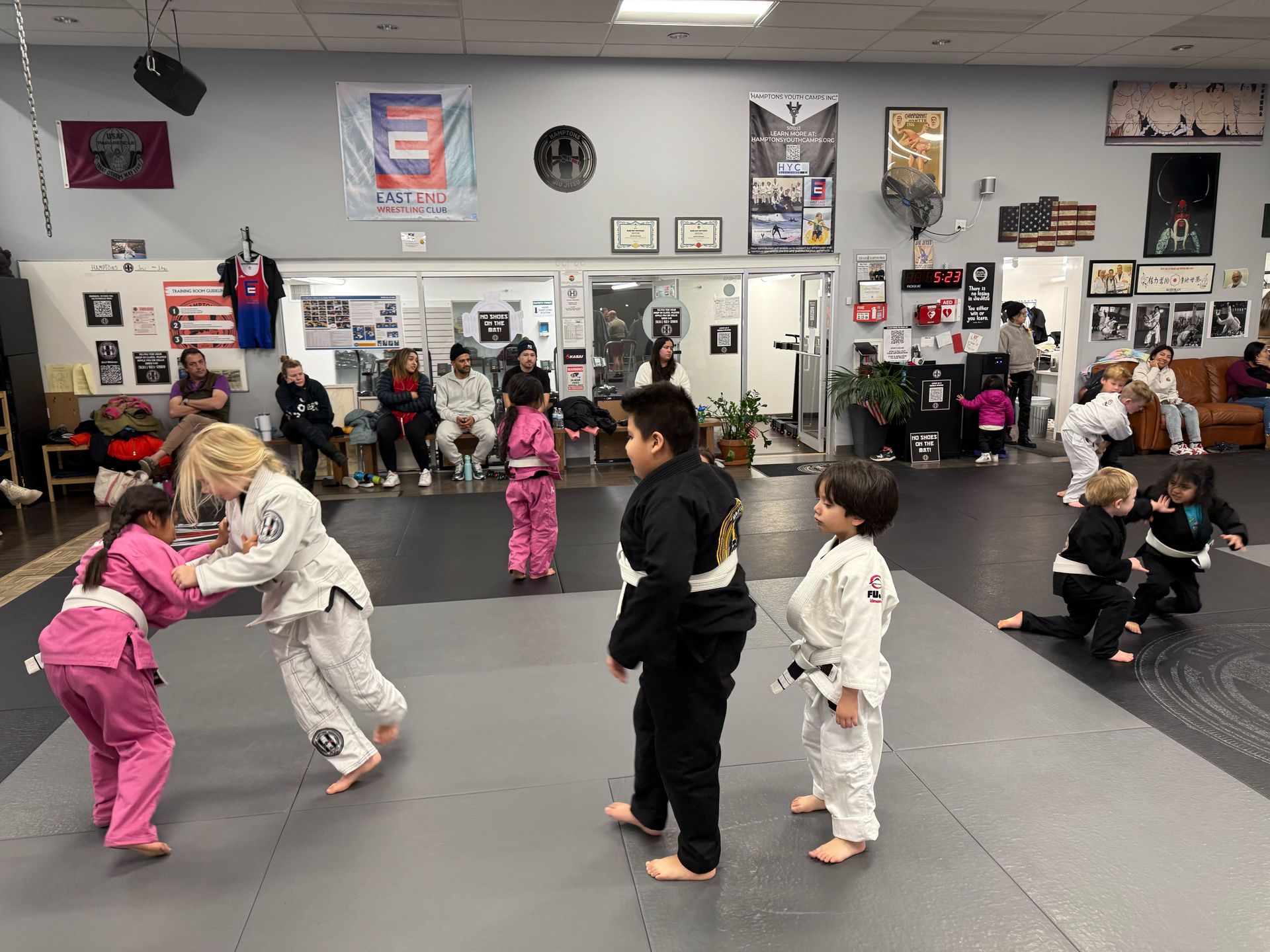
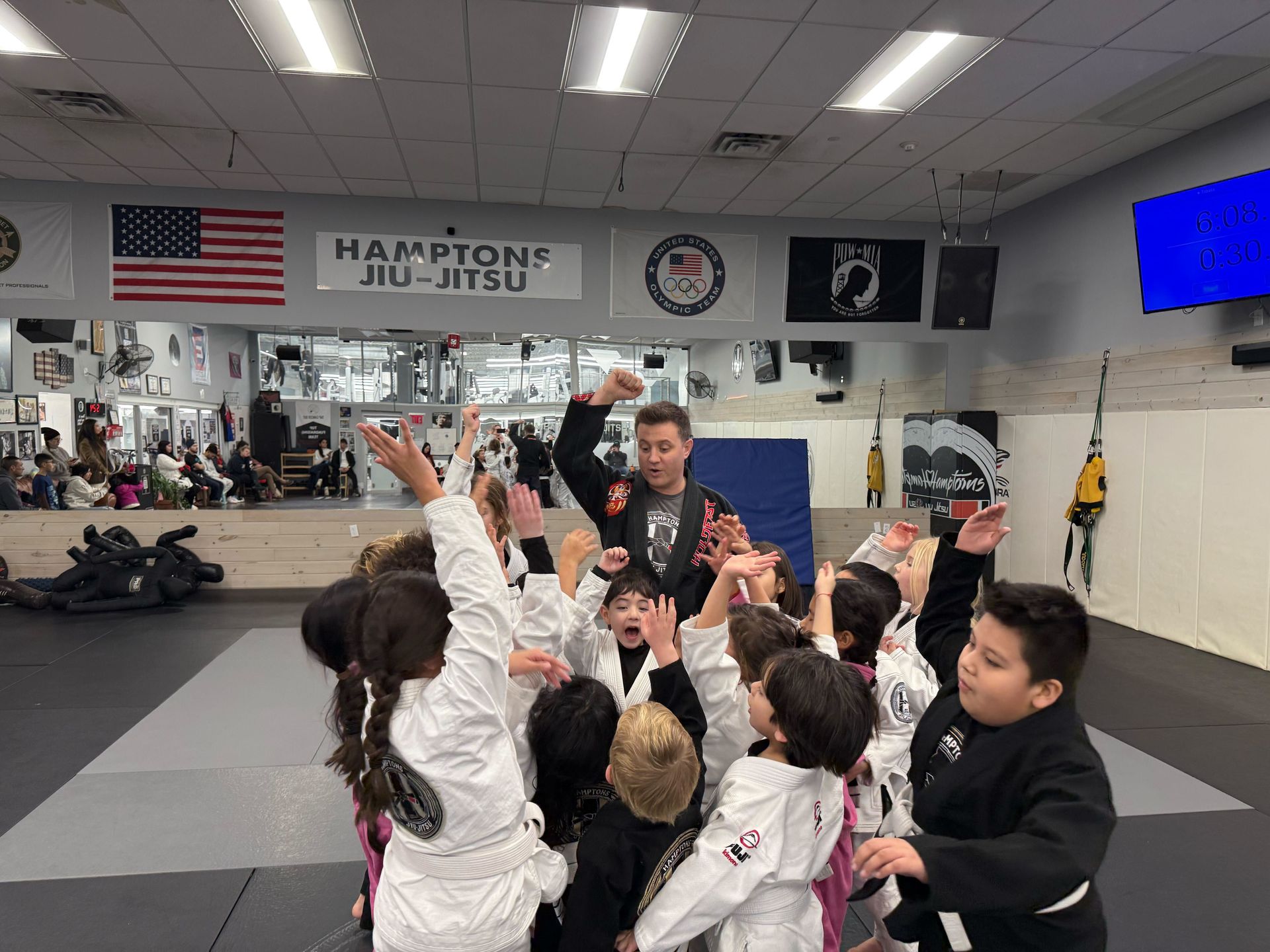
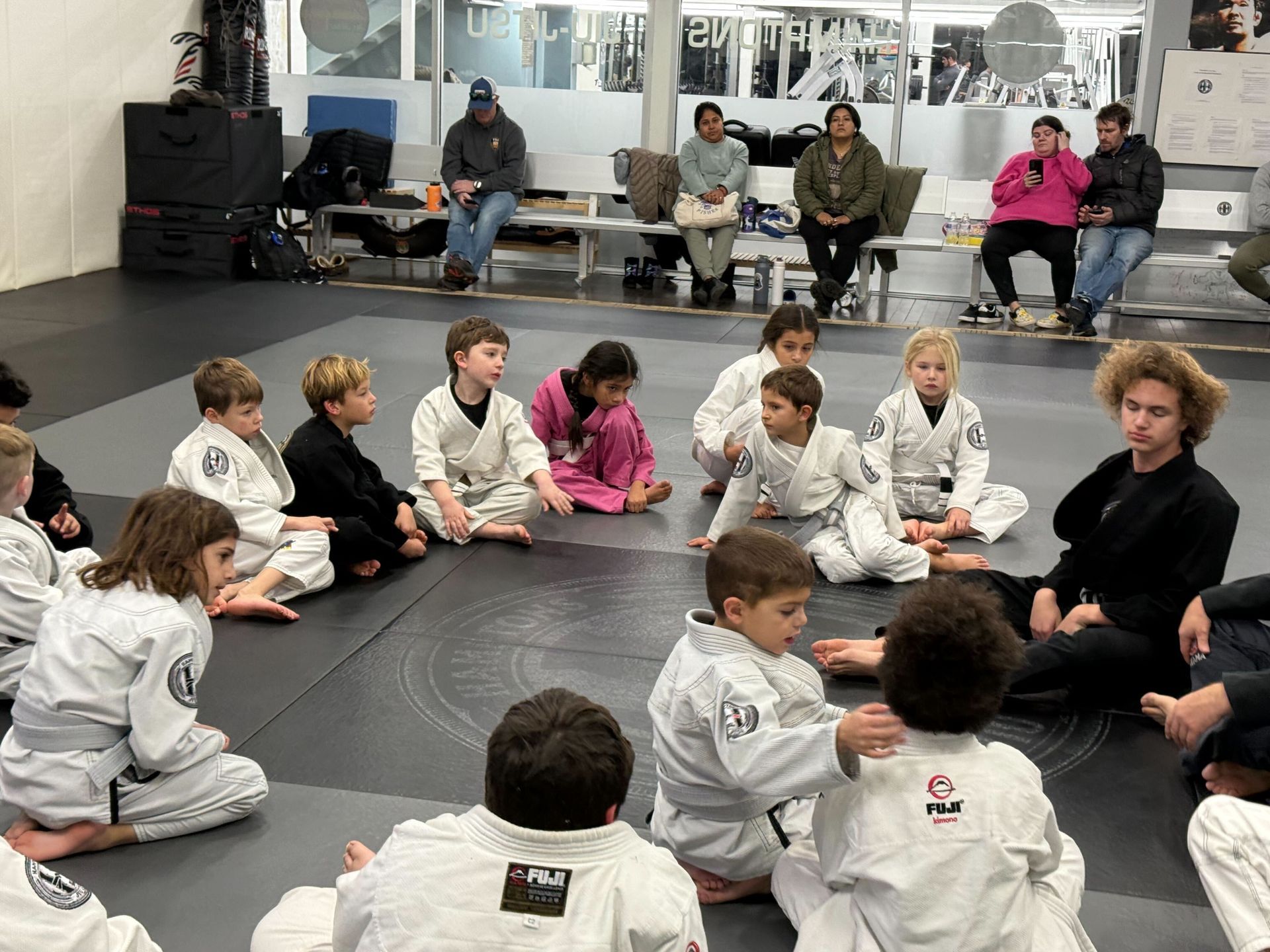
Youth Jiu-Jitsu gives kids a place to practice courage, calm decision-making, and steady confidence they can carry into everyday life.
If you are a Southampton parent looking for an after-school activity that does more than “tire them out,” Youth Jiu-Jitsu tends to click quickly. We see it all the time: kids want movement, structure, and a sense of progress they can actually feel week to week. Parents want the same thing, plus better focus, better listening, and a healthier way to handle big emotions.
Our youth program is built around that reality. Brazilian Jiu-Jitsu is technical and problem-solving based, which means kids learn to think while they move. Instead of relying on size or strength, we teach them how leverage, positioning, and timing work. That makes the class accessible for a wide range of kids, from shy beginners to energetic athletes who need a productive outlet.
And it is not just “martial arts marketing.” A 2022 research summary on kids in BJJ reported parent-observed improvements like confidence gains, better mood, anxiety reduction, and life-skill transfer into daily routines. That lines up with what we aim for every day on the mats: small, repeatable wins that build real self-belief over time.
Why Youth Jiu-Jitsu works so well for Southampton families
Southampton is busy, family-oriented, and seasonal in a way that can make schedules feel like moving targets. So when you choose an activity, it helps if it is structured, supervised, and close to home. Youth Jiu-Jitsu fits that local rhythm because classes are consistent, expectations are clear, and progress does not depend on being the biggest or fastest kid.
We also find that families appreciate how scalable BJJ is. You do not need prior athletic experience to start. You do not need a “perfect” attention span either. The class itself becomes practice for attention: listen, try, adjust, try again. Over time, that loop becomes a habit kids bring to school, chores, and social situations.
Another reason Youth Jiu-Jitsu in Southampton NY has grown is that parents increasingly want an activity that combines fitness, character development, and practical self-defense, without turning kids into little fighters. Because BJJ is grappling rather than striking, it tends to feel more approachable for first-time families who want a safe, structured start.
What kids actually learn in Youth Jiu-Jitsu (beyond techniques)
It is easy to talk about armbars or takedowns, but most parents care about outcomes that show up on a random Tuesday: better patience at homework time, more confidence in social groups, fewer shutdown moments when something feels hard.
Here is what we build, class by class:
• Body awareness and coordination through movement drills that teach balance, posture, and safe falling
• Problem-solving by learning “if this, then that” sequences rather than memorizing one move
• Emotional regulation as kids practice staying calm under pressure in controlled rounds
• Respect and boundaries through partner work, tapping, and listening to coaching cues
• Persistence, because improvement comes from repetition and small corrections, not instant talent
Those skills matter because childhood is full of friction: new classrooms, friendship drama, performance anxiety, and occasional conflict. Youth Jiu-Jitsu gives kids a structured place to face manageable challenges and come out the other side feeling capable.
Technique over strength: why Brazilian Jiu-Jitsu is accessible
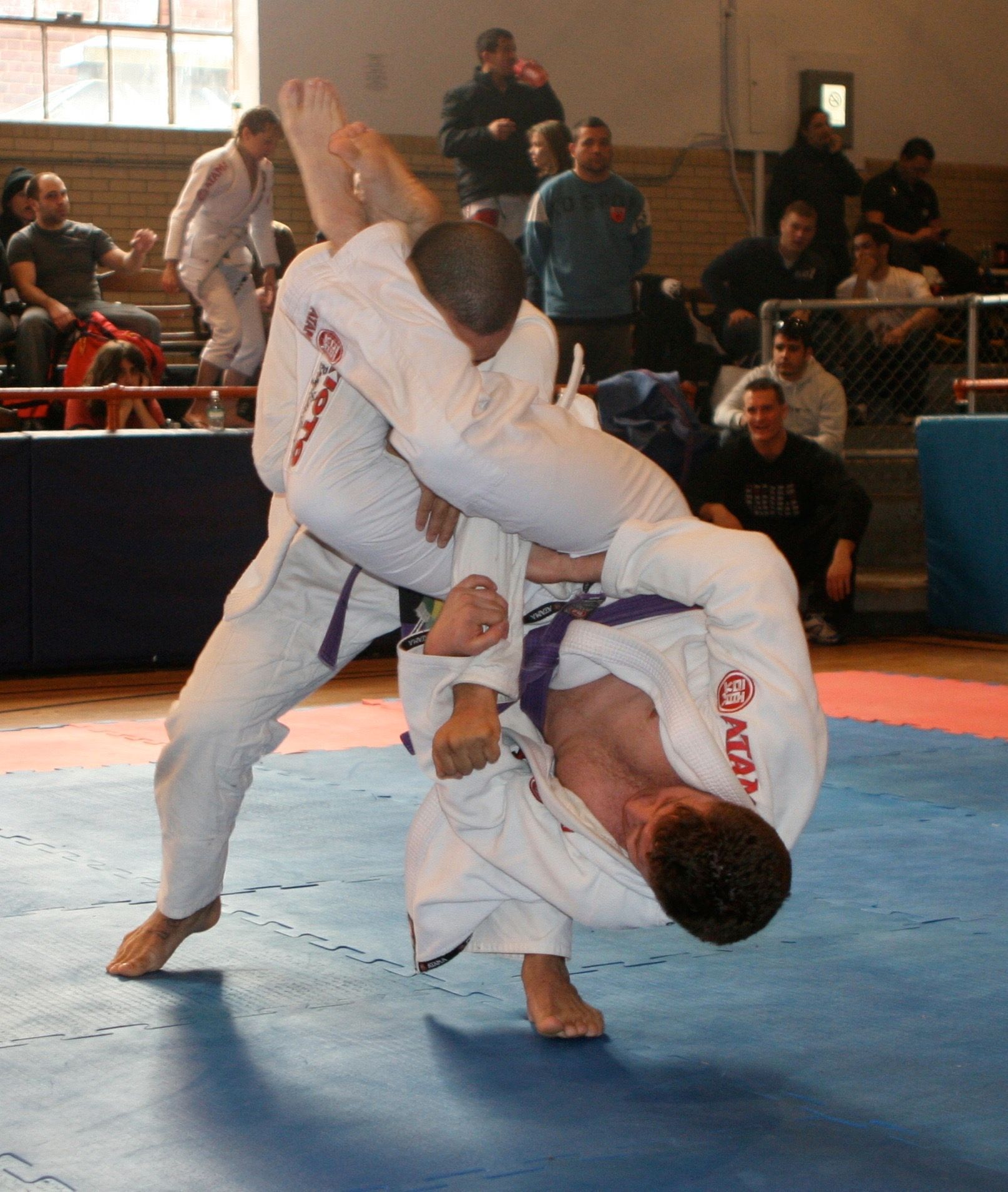
One of the best parts of Brazilian Jiu-Jitsu for kids is that the art itself rewards technique and self-control more than brute force. Leverage, angles, grips, and positioning all matter. That is why a smaller child can learn to solve problems safely and effectively, rather than feeling like the answer is “be stronger.”
We coach kids to use their brains while they move. In practice, that looks like learning how to keep a strong posture, how to frame and create space, how to escape bad positions, and how to improve position step by step. These are physical skills, yes, but they are also decision-making skills.
This matters for confidence. Confidence is not a speech. It is evidence. Kids feel confident when they can point to something they can do now that they could not do a month ago.
Confidence without attitude: how we coach behavior and respect
Parents often ask if martial arts will make a child more aggressive. Our experience is the opposite when training is taught the right way. Youth martial arts messaging around “confidence without attitude” resonates because it is what families actually want: assertiveness plus emotional control.
In class, we reinforce respectful habits constantly. Kids learn how to line up, how to partner safely, how to listen to instructions, and how to take feedback without melting down. That does not mean we expect perfection. It means we coach the skill of resetting: breathe, refocus, try again.
A big part of this is the culture of tapping. Kids learn early that tapping is smart communication, not losing. They also learn to release immediately when a partner taps. That creates an environment where safety and respect are baked into the training itself, not just talked about.
Bullying and self-defense: practical skills without encouraging fights
Bullying is one of the most common reasons parents look up Jiu-Jitsu Southampton programs. Most families are not looking for their child to “win fights.” You want your child to feel safer, to carry themselves differently, and to have options if something uncomfortable happens.
We teach kids to use their voice, their posture, and their awareness first. We also teach them what personal space looks like and how to set boundaries. When physical skills are trained, the focus is control and escape. The goal is to get to safety, not to punish someone.
Over time, many kids stop looking like easy targets, not because they act tough, but because they carry quiet confidence and better body language. That alone can change the social dynamic at school.
Safety in Kids Brazilian Jiu-Jitsu: what parents should know
“Is it safe?” is a fair question. Any sport involves movement, and kids are kids. But Youth Jiu-Jitsu is designed to be coached, progressive, and supervised. We keep training age-appropriate, and we emphasize control before intensity.
We also structure the class so kids are not thrown into hard sparring on day one. Beginners learn how to move, how to fall safely, and how to partner responsibly. As they progress, they gain more live practice in a way that matches their maturity and skill level.
A few safety pillars we rely on are simple: clear rules, coached rounds, and partners matched appropriately. That consistency is what helps kids feel secure enough to try, fail, and try again.
What to expect in the first class (and what to wear)
Your child does not need to “get in shape first.” The first class should feel welcoming, organized, and low-pressure. We typically start with movement drills, basic positions, and a simple technique that gives kids an early win. There is usually a mix of instruction and practice with partners, with coaches guiding constantly.
For what to wear, start simple. Comfortable athletic clothing works for a trial class, and we will let you know what is needed as your child continues. If your child already has athletic habits, great. If not, also fine. We build those habits here.
From a parent perspective, it often helps to arrive a little early so your child can settle in, meet the coaches, and feel the room. Once class starts, most kids lock in faster than you might expect, especially when the expectations are clear.
A realistic 30 60 90 day progress guide for Youth Jiu-Jitsu
Kids develop at different speeds, but parents like having a rough map of what progress can look like. Here is a practical timeline we see often:
1. First 30 days: Your child learns routines, basic positions, and how to be a good partner, and you will notice improved comfort in new situations.
2. By 60 days: Techniques start connecting, your child can explain what they are doing, and confidence shows up as better posture and calmer reactions.
3. By 90 days: Your child has a usable foundation, better conditioning, and more resilience when something is hard, including at school or in social moments.
This is also where consistency begins to matter more than talent. The kids who thrive are not always the most athletic. They are the ones who show up, listen, and keep going.
How often should kids train each week?
Most families start with a manageable schedule and build from there. For many kids, two classes per week is a great baseline: enough repetition to improve without feeling overwhelming. Some kids love the structure and want more once they settle in, and that is where having a clear class schedule helps.
If your child is dealing with anxiety, low confidence, or social hesitation, consistency is often the biggest lever. Familiar routines reduce friction. Familiar faces reduce stress. And familiar drills make progress feel inevitable instead of intimidating.
On the other hand, if your child is high-energy, training more frequently can be a healthy outlet, as long as recovery and school responsibilities are still balanced. We can help you find the right rhythm based on your child’s age, temperament, and goals.
Youth Jiu-Jitsu for shy kids, anxious kids, and high-energy kids
Not every child walks into a new activity ready to jump in. Some kids hang back and observe. Some kids talk a mile a minute. Some kids get frustrated quickly if they cannot “win” immediately. Youth Jiu-Jitsu can support all of those personalities because it is structured but interactive.
For shy kids, partner work can be a gentle way to build social comfort with clear rules and roles. For anxious kids, the predictability of class and the clear feedback loop can be grounding. For high-energy kids, the physical challenge gives them a place to channel intensity into skill, while learning the discipline to pause, listen, and reset.
We coach the whole child, not just the technique. The win is a kid who feels more capable, more respectful, and more steady, whether they are on the mat, at the dinner table, or in a classroom.
Youth Jiu-Jitsu in Southampton NY: a constructive after-school anchor
After school, kids need something that helps them transition from sitting and concentrating to moving and decompressing. Youth Jiu-Jitsu fills that gap with a routine that is active, supervised, and purpose-driven. It is also a rare kind of activity where effort is visible. Kids can feel improvement in their balance, their coordination, and their ability to solve problems under pressure.
This is one reason youth programs are a meaningful share of the sport. Some participation trend summaries estimate under-18 students around 20 percent in certain markets, which reflects how many families are choosing BJJ as a long-term activity.
In Southampton, that matters because you want an option that can grow with your child. Youth Jiu-Jitsu is not a one-season commitment. It can be a steady path that builds skills and character year after year.
Take the Next Step
If you want a kids program that develops confidence, discipline, focus, and resilience in a practical, age-appropriate way, our Youth Jiu-Jitsu classes are designed for exactly that. We keep training structured, welcoming, and progressive, so your child can build real skills without feeling overwhelmed.
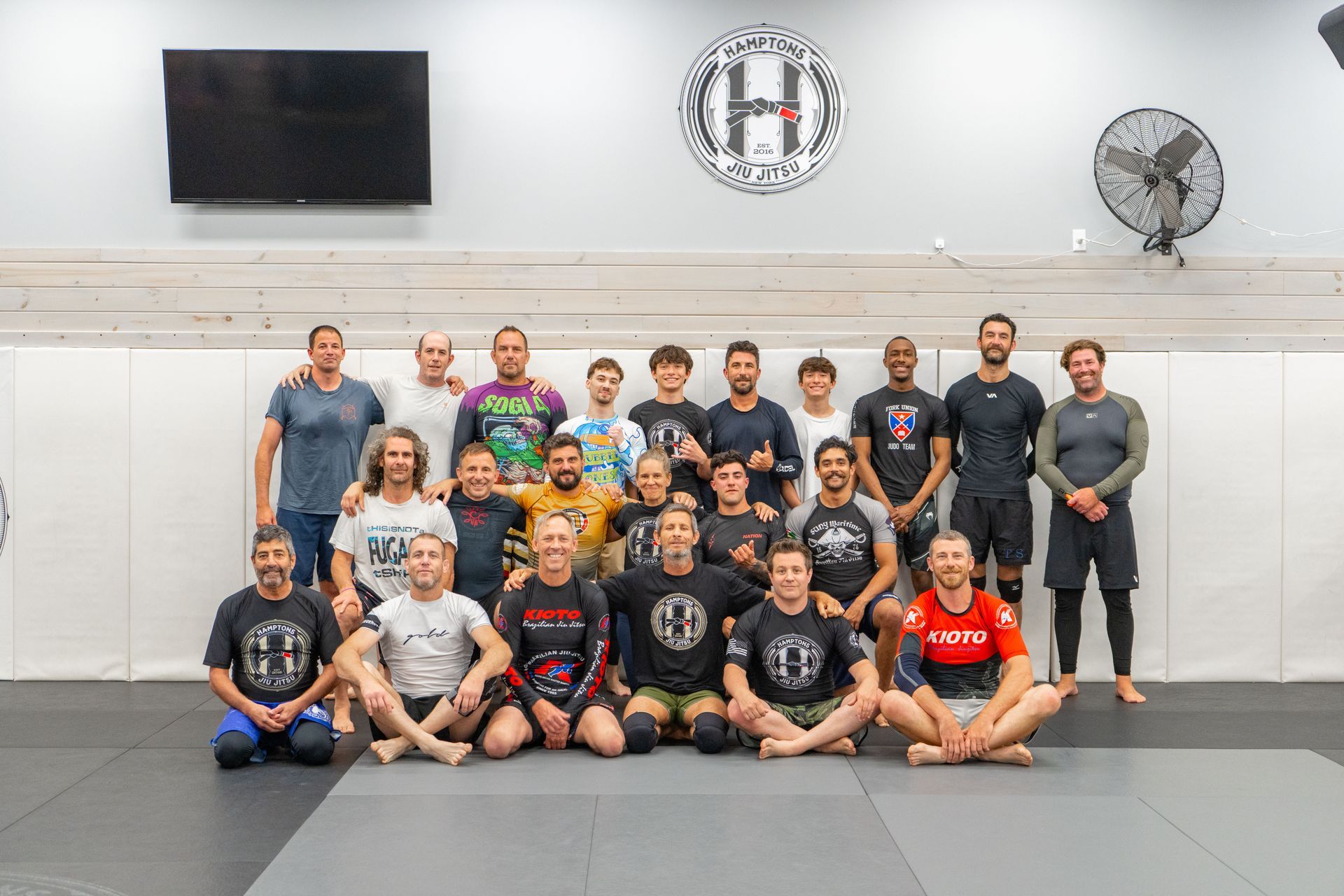
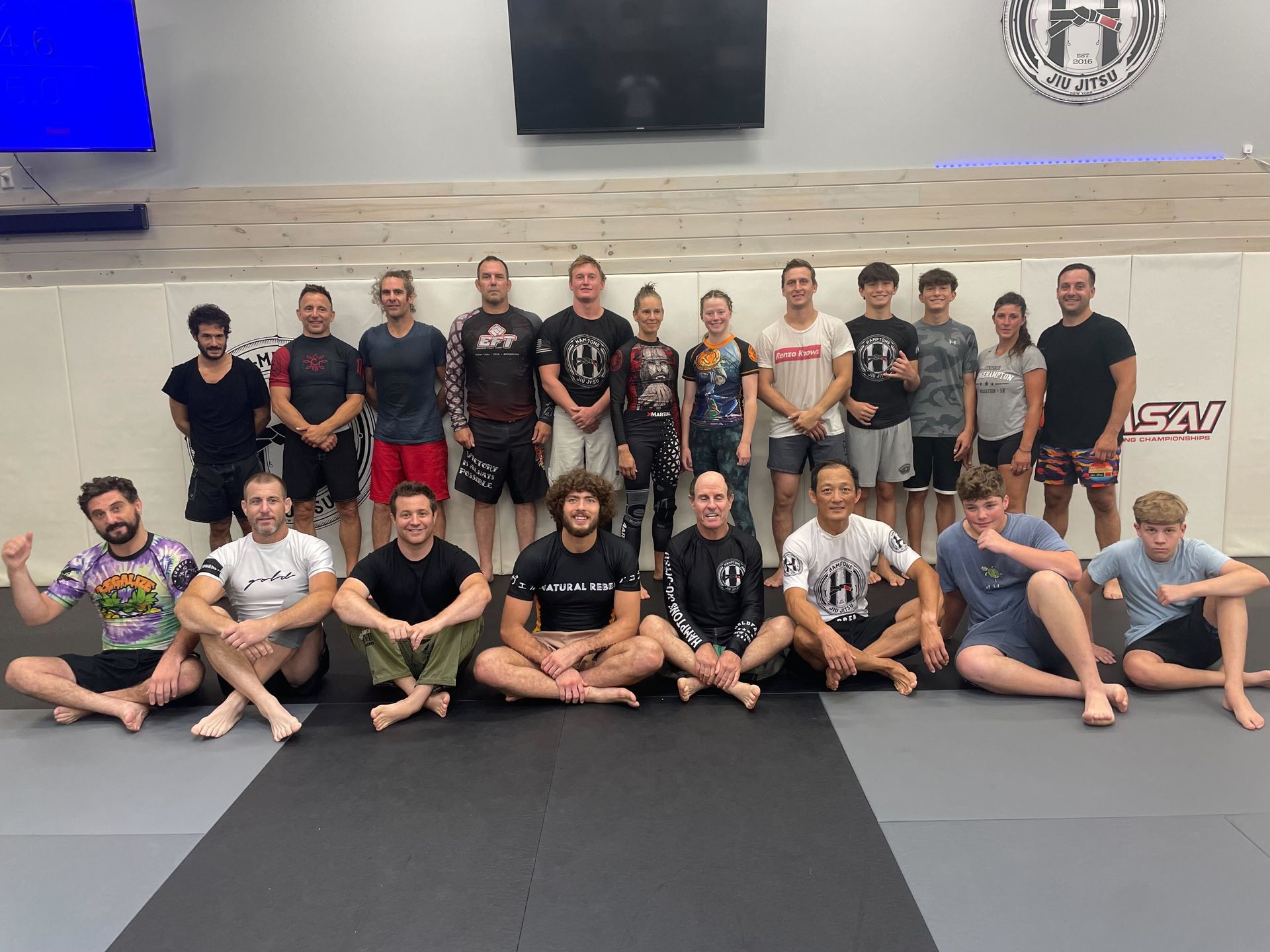
We are proud that Hamptons Jiu-Jitsu has built a youth community in Southampton where kids feel supported, challenged, and genuinely excited to improve. When you are ready, we would love to help your child take those first steps on the mat at Hamptons Jiu-Jitsu.
Continue your Brazilian Jiu-Jitsu journey beyond this article by joining a class at Hamptons Jiu-Jitsu.
ACCESS OUR SCHEDULE
& EXCLUSIVE WEB SPECIAL
Secure your spot and get started today with our EXCLUSIVE offer!