Why Southampton Parents Choose Youth Jiu-Jitsu for Family Wellness
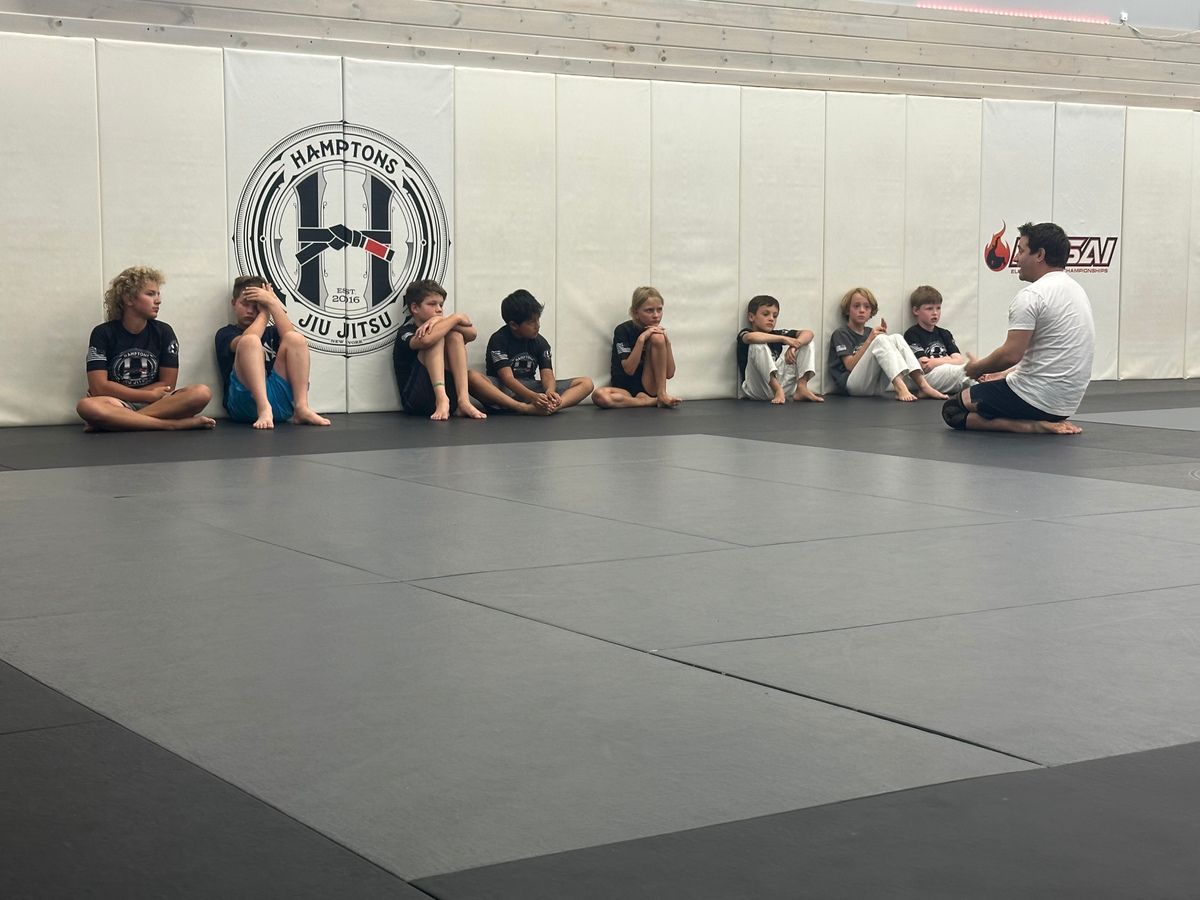
Youth Jiu-Jitsu gives your child a place to move, focus, and grow while your whole household benefits from the routine.
In Southampton, families stay busy. Between school, seasonal sports, camps, and the constant pull of screens, it can be surprisingly hard to find one activity that feels worth committing to year-round. That is one reason so many local parents ask us about Youth Jiu-Jitsu: Does it actually help with confidence, behavior, and healthy habits, or is it just another class on the calendar?
We built our youth program around what parents care about most: a structured environment, real skill development, and a healthy culture where kids learn to handle pressure without “tough guy” energy. Youth Jiu-Jitsu is physical, yes, but it is also a thinking sport, a social practice, and a steady routine that tends to show up at home in the best ways.
Research on martial arts programs for kids supports what we see on the mats every week: consistent training is commonly linked with improved self-control, resilience, confidence, attention, and social skills, along with better emotional regulation and reduced aggressive behavior. For many Southampton families, that combination is the heart of “family wellness” in real life, not just in theory.
Why Youth Jiu-Jitsu fits the Southampton family lifestyle
Southampton has a strong youth-activity culture, and families here often invest in camps, sports, and enrichment opportunities across the year. That is great for kids, but it can also create a seasonal rhythm where everything feels active in summer and fragmented in the school year. A Youth Jiu-Jitsu program works well because it is consistent, indoor, and progressive, with clear skill levels and goals that do not reset every season.
We also like that jiu-jitsu is not dependent on being the biggest, fastest, or most naturally “sporty” kid. Kids who thrive in traditional team sports often enjoy it, but so do kids who are quieter, a bit anxious, or unsure where they fit. On the mat, everyone has a role, and improvement is measurable in small, satisfying steps.
The “family wellness” outcomes parents notice first
Parents rarely come to us asking for an armbar. What most parents want is a child who can listen, manage frustration, and carry themselves with more calm confidence. Youth Jiu-Jitsu tends to support that because it blends physical exertion with decision-making under pressure, and kids practice those reps over and over in a safe, coached environment.
Here are a few outcomes Southampton parents commonly tell us they notice outside the gym:
• Better emotional regulation under stress, including fewer anger spikes and quicker “bounce back” after a hard moment
• More self-control and follow-through, because class rewards effort, focus, and consistency
• Healthier confidence that is earned, not hyped, built through real problem-solving and progress
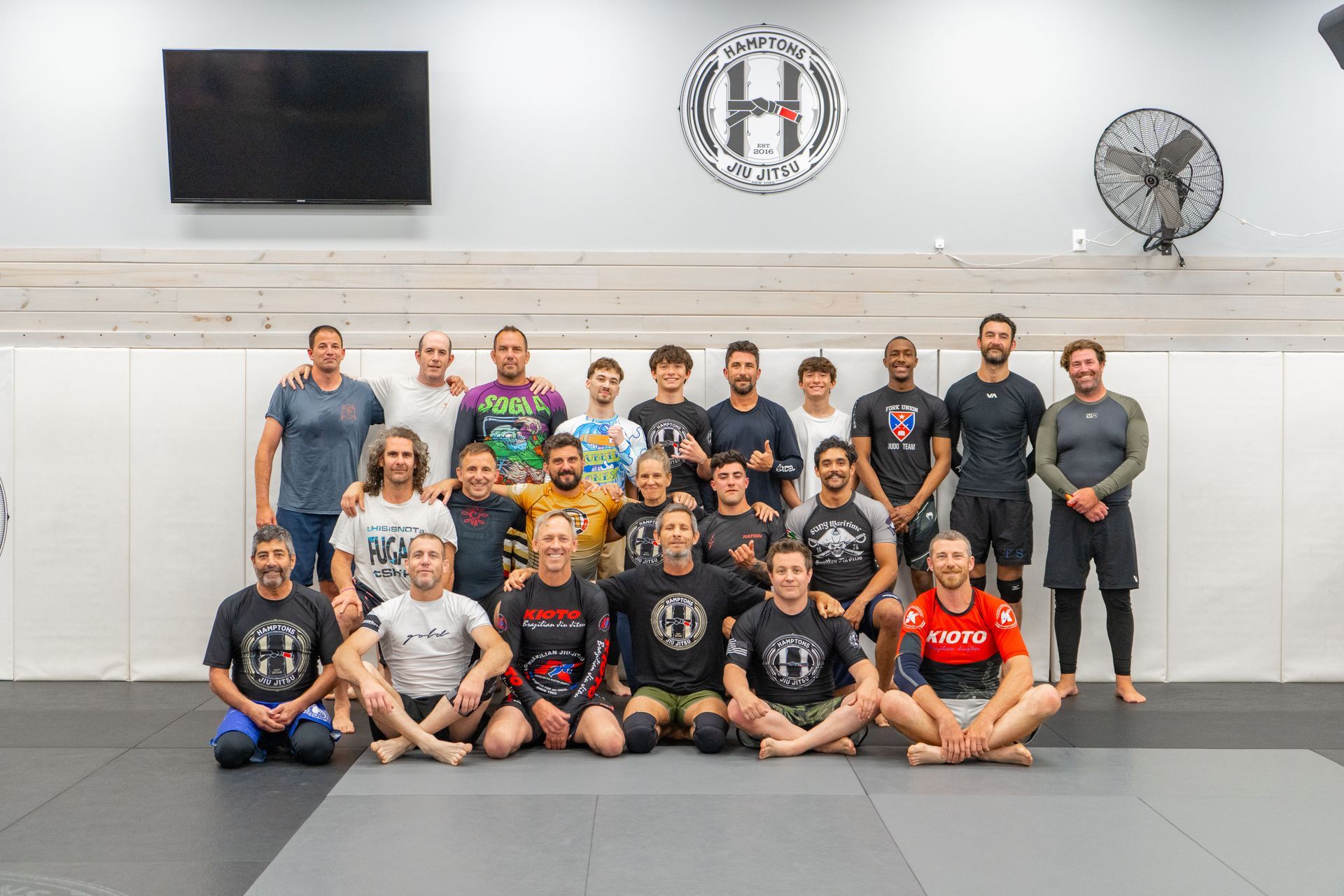
• Stronger social skills, since partner work teaches cooperation, respect, and communication
• Improved resilience, because kids learn that challenges are normal and “stuck” is a phase, not an identity
Those points match what recent reviews and studies have reported about martial arts training for children, including benefits in resilience, self-efficacy, attention, social competence, and emotional well-being. We never treat jiu-jitsu as a magic fix, but the pattern is real: the structure helps, the movement helps, and the community helps.
What kids actually learn in Youth Jiu-Jitsu
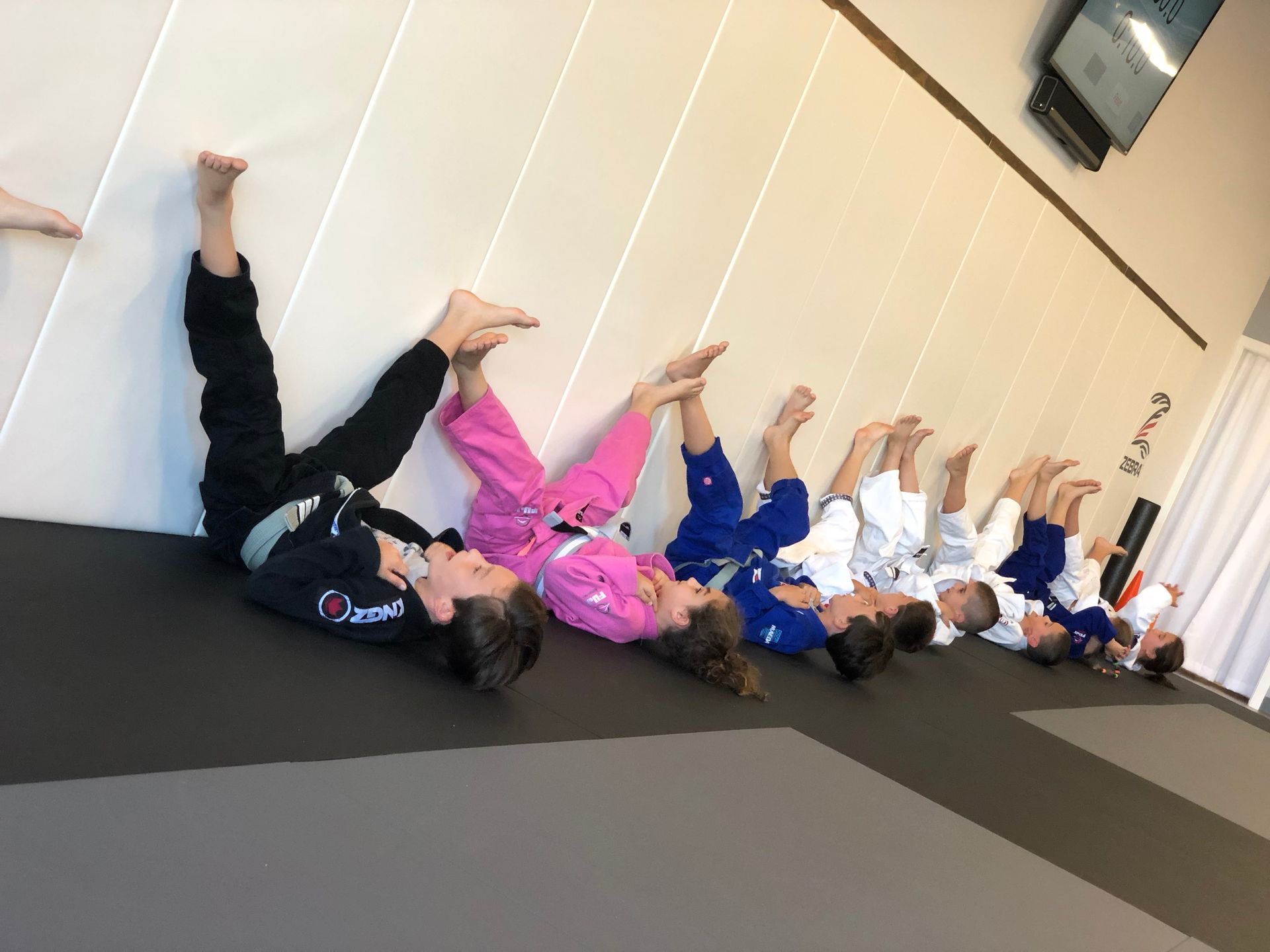
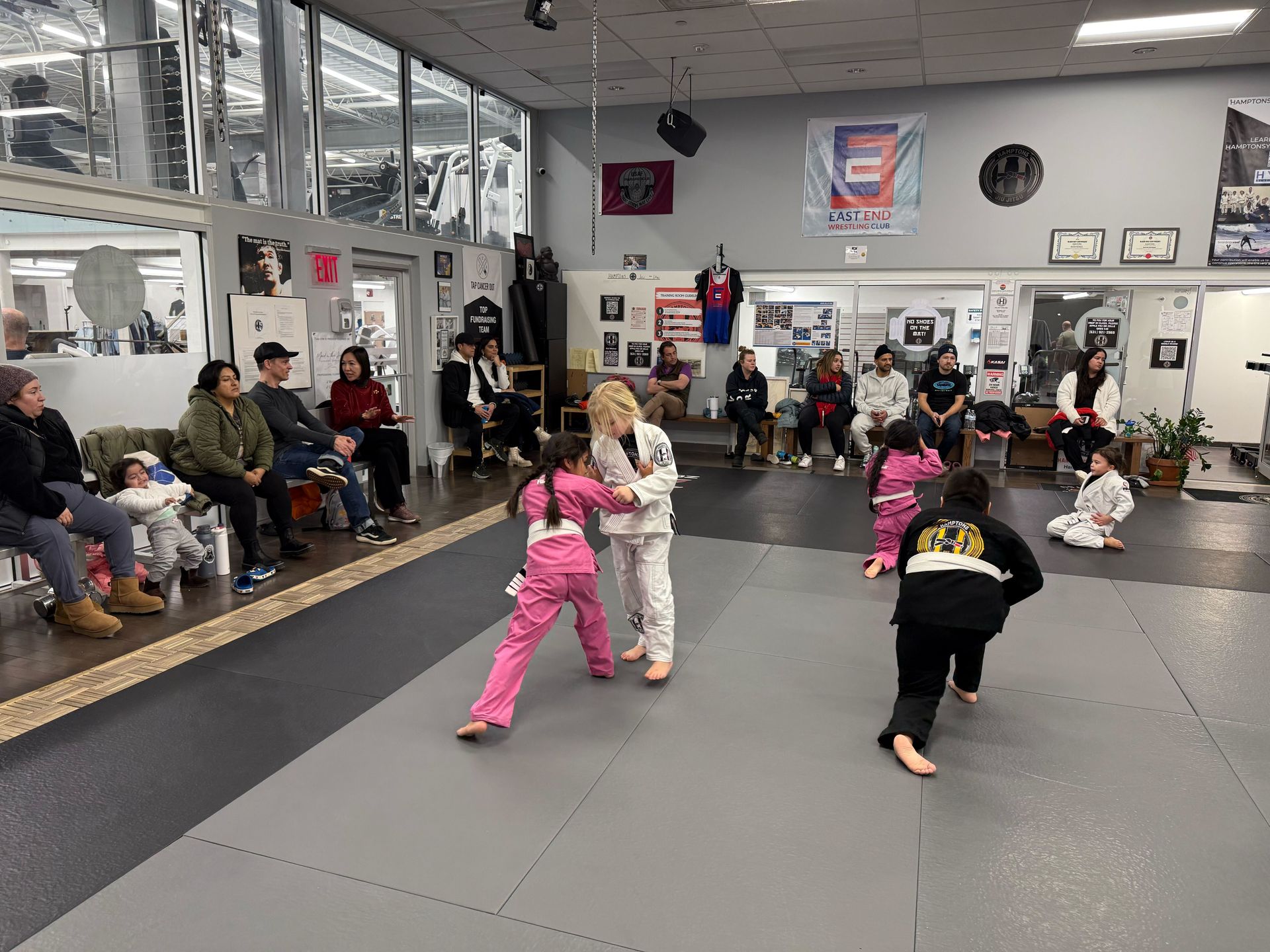
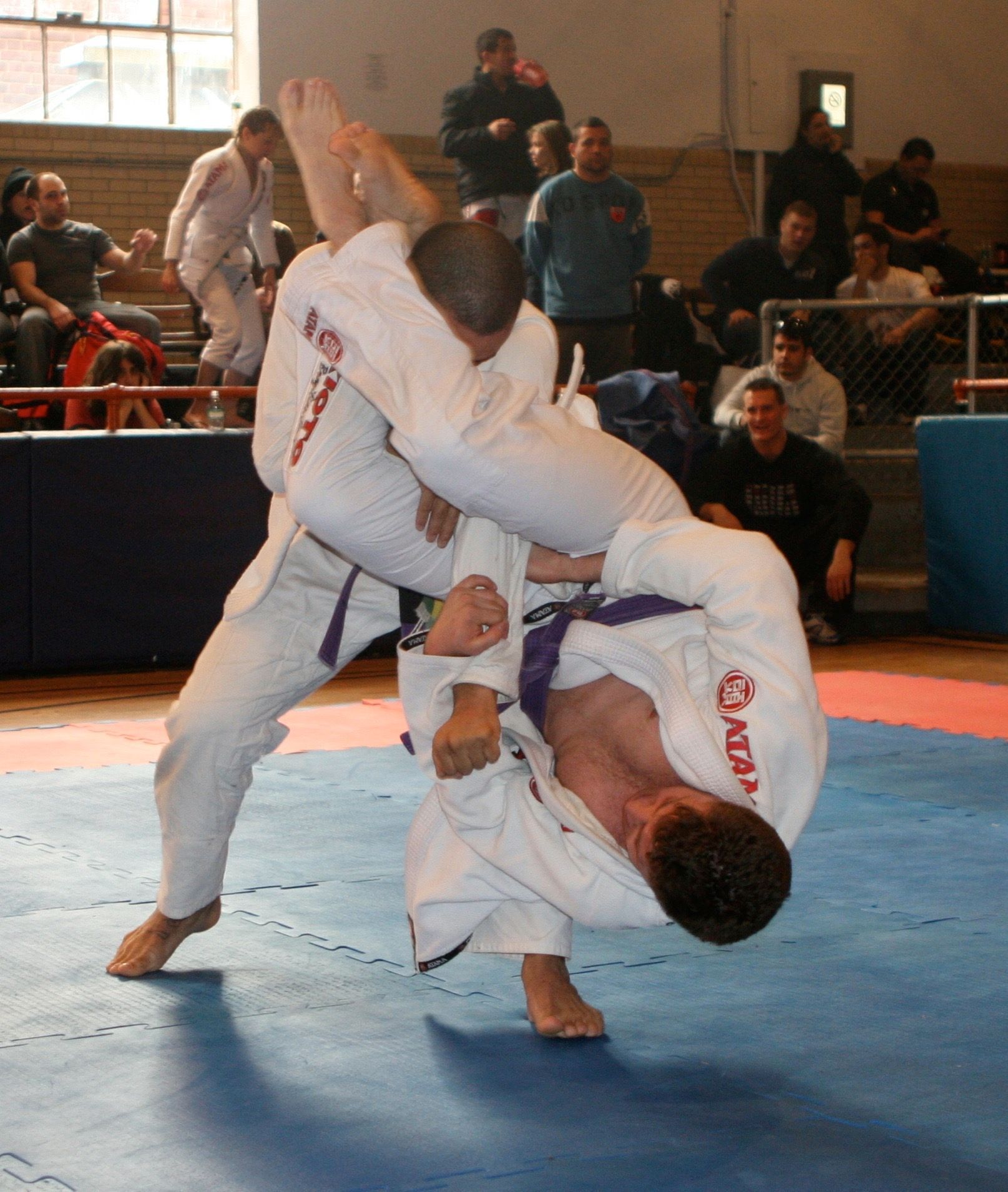
Youth Jiu-Jitsu is grappling, which means kids learn how to control space, balance, and movement without strikes. That matters for safety and for parent comfort, but it is also part of why the sport teaches patience and strategy. In class, we teach kids how to be stable, how to escape, and how to work step-by-step instead of panicking when a situation feels uncomfortable.
Core skills we build over time
We organize training so beginners are not thrown into the deep end. Kids learn fundamentals first, then layer in complexity as confidence grows.
Key building blocks include:
- How to fall and move safely, including balance, base, and controlled motion
- Escapes from common pins and holds, so kids learn problem-solving under pressure
- Positional control, teaching kids how to stay calm and make smart choices
- Basic submissions introduced with strict supervision and clear tapping rules
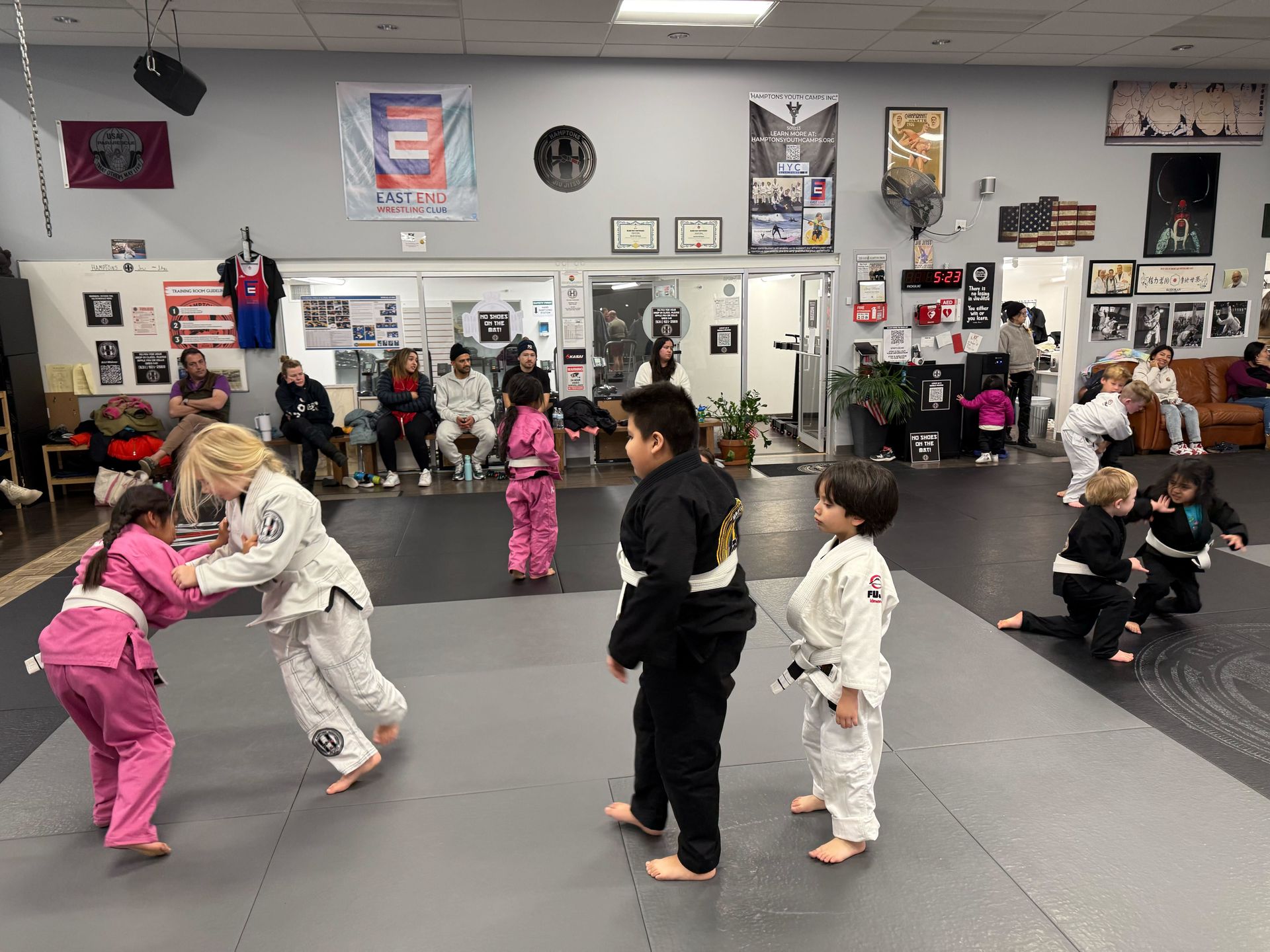
- Live, controlled rounds appropriate to age and experience, where kids apply skills safely
This is one reason Youth Jiu-Jitsu is often described as a “thinking sport.” Kids are moving, breathing hard, and also making choices. Over time, those choices get better, and the child starts to trust their ability to handle hard things.
Confidence, Bullying, and Self-defense: what we aim for
A lot of parents bring up bullying, and we treat that conversation seriously. Our goal is not to turn your child into a fighter. Our goal is to build a child who carries themselves differently, communicates more clearly, and has practical skills if physical contact happens.
Youth Jiu-Jitsu can support bullying resilience in a few ways. First, posture and presence change when a child feels capable. Second, partner training teaches kids how to stay composed with another person in close space, which is exactly what many kids find intimidating. Third, the program gives kids a place to practice boundaries, respect, and appropriate assertiveness.
We also emphasize that the best self-defense is awareness, avoiding escalation, and getting help quickly. Physical techniques are part of the picture, but not the whole picture. Parents usually appreciate that we keep the message grounded.
Safety: how we keep kids protected while they learn
“Is jiu-jitsu safe?” is one of the most common questions we hear, and it deserves a real answer. Any sport has risk, but Youth Jiu-Jitsu can be taught with strong safety controls because the environment is structured and supervised.
Our safety approach includes age-appropriate training, careful partner matching, clear tapping and stopping rules, and coaching that prioritizes control over intensity. We focus on technique first, and we make sure kids understand that the goal is learning, not “winning” at all costs.
Just as important, we pay attention to the emotional side of safety. A child who feels overwhelmed will not learn well. We use coaching cues that help kids reset, breathe, and re-engage, which is a life skill as much as a training skill.
Gi vs No-Gi for Kids: what parents should know
Parents often ask about the uniform and whether kids need a gi. In Youth Jiu-Jitsu, both gi and no-gi can be valuable. The gi adds grips and slows things down a bit, which can make learning positions and control feel clearer for some kids. No-gi is more athletic and movement-based, and it is increasingly popular in the broader jiu-jitsu world, especially with a focus on practical grappling and wrestling-style takedowns.
We like families to know this: your child does not need to “choose a path” on day one. Beginners can start, learn the basics, and then expand into different class formats as comfort and interest grow. Either way, the core outcomes parents want, like confidence, self-control, and resilience, come from consistent training.
How Youth Jiu-Jitsu supports focus and behavior at school and home
When kids train regularly, parents often notice small but meaningful changes: better listening, more patience, and fewer emotional blow-ups over minor frustrations. That is not accidental. Youth Jiu-Jitsu constantly asks kids to do three things that carry over into daily life: pay attention, follow directions, and manage impulse.
Martial arts research often links training to improved attention, persistence, and self-control, and we see that same arc when kids stick with the program for a few months. A child who used to quit when something felt hard starts staying in it. A child who reacted instantly starts pausing for a beat. Those are big wins, even if they look “small” at first.
What age should kids start, and what if your child is new to sports?
Youth Jiu-Jitsu is often a great fit for elementary-age kids, and many children do well starting around ages 5 to 7, depending on maturity and ability to follow group directions. We also work with older beginners, including pre-teens who want a sport that feels empowering and practical.
If your child is brand new to athletics, that is fine. We do not expect prior experience. We teach movement patterns, coordination, and basic body awareness as part of the process. Some kids take a few classes to settle in, and that is normal. The important part is showing up consistently and letting confidence build at a steady pace.
How often should a child train each week?
Consistency matters more than perfection. Most kids make solid progress with two classes per week, and some families add a third session when the child is excited and schedule allows. We also understand Southampton calendars can get packed, especially during sports seasons and summer weeks, so we help families find a routine that is sustainable.
If you are aiming for family wellness benefits, not just technical improvement, regular attendance is the key. A predictable rhythm helps kids sleep better, manage stress, and feel anchored. Parents often tell us the day of class goes more smoothly at home, which is a nice bonus.
Competition goals vs life-skills goals: how we frame it
Some kids love the idea of competing. Others just want to learn, get stronger, and feel confident. Our Youth Jiu-Jitsu approach supports both without letting competition pressure take over the room.
We teach kids how to improve through effort, how to handle wins and losses with maturity, and how to be good training partners. Even for families who never plan to compete, the training process itself builds valuable skills: calm under pressure, respectful assertiveness, and the ability to keep going when something is challenging.
What to bring and what to expect in the first class
Parents appreciate practical details, so here is the simple version. Your child should arrive ready to move, with a positive attitude and an open mind. We handle the rest step-by-step, and we keep beginners in a structure that makes sense.
A typical first-day checklist looks like this:
1. Check the class schedule and choose a beginner-friendly time that fits your week
2. Arrive a bit early so your child can get oriented and comfortable in the space
3. Wear comfortable training clothes if you do not have a gi yet, and bring water
4. Expect basic movement, simple technique drills, and a calm introduction to partner work
5. Ask us questions afterward so you leave knowing exactly what the next step is
That first class is usually where parents see the tone of the room: focused, friendly, and coached with clear boundaries. Kids often walk out tired, a little proud, and hungry, which is honestly a pretty great sign.
Jiu-Jitsu Southampton parents choose when they want more than exercise
Families come to Youth Jiu-Jitsu for fitness, but they stay because the training shapes habits. Kids learn to show up on time, listen, try, and respect partners. Those skills are not flashy, but they matter. Over time, the mat becomes a place where kids practice being steady, even when things feel hard.
In a community like ours, where opportunities are everywhere, a year-round program needs to offer real value. We believe Youth Jiu-Jitsu in Southampton NY fits that need because it blends movement, mental skill-building, and social growth in one place, without requiring your child to be a certain “type” of athlete to belong.
Ready to Begin
If you want a youth program that supports confidence, self-control, and healthy routines at home, our Youth Jiu-Jitsu classes are designed to make that feel achievable week after week. We keep training structured, safety-conscious, and genuinely welcoming, so your child can grow into the work instead of feeling rushed by it.
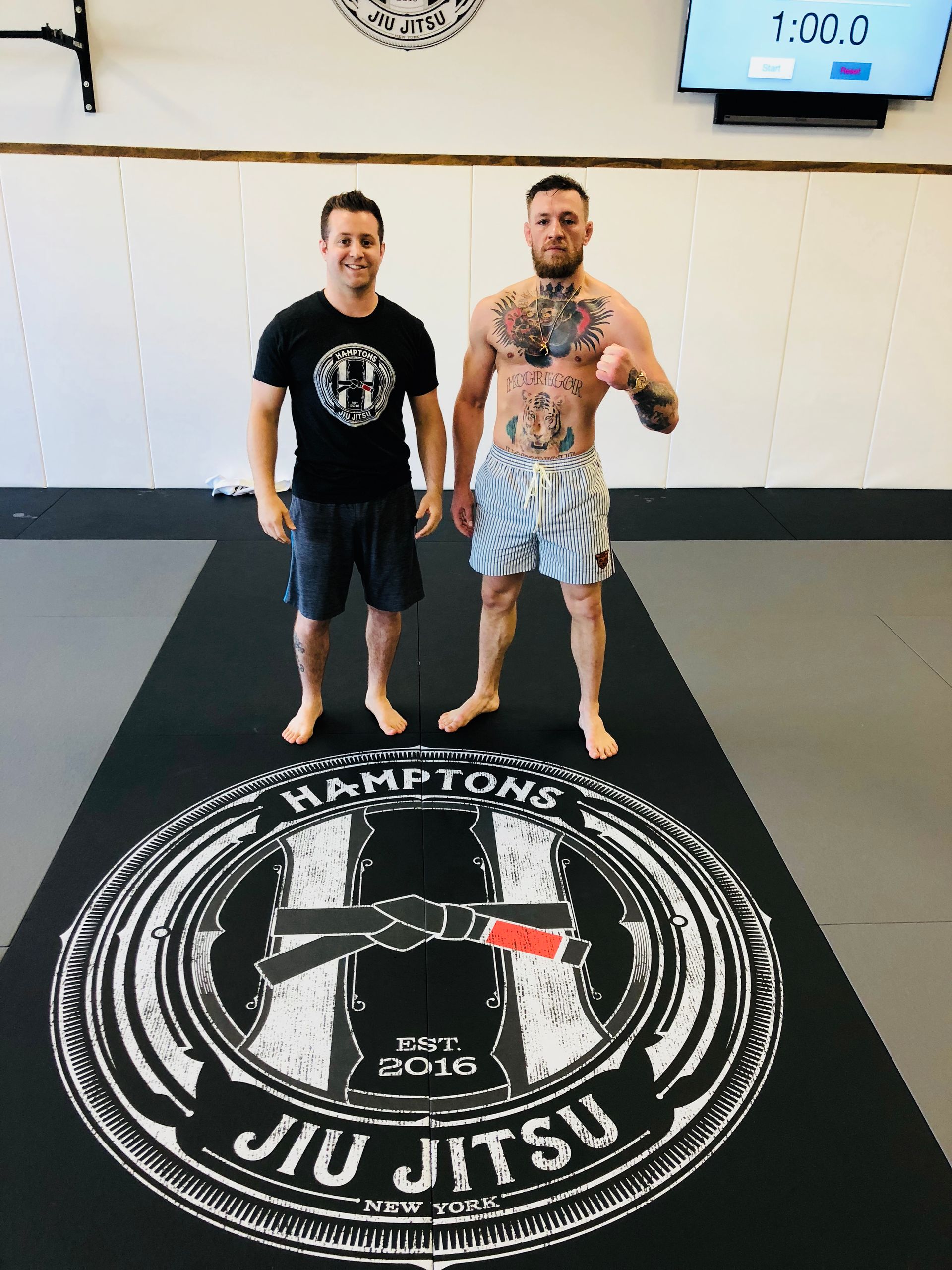
We would be glad to help you choose a starting point that fits your child’s age, temperament, and schedule. When you are ready, Hamptons Jiu-Jitsu is here in Southampton to support your family with training that builds real skills and real wellness, not just another after-school stop.
No experience is necessary to join a Brazilian Jiu-Jitsu class at Hamptons Jiu-Jitsu and learn step by step.
ACCESS OUR SCHEDULE
& EXCLUSIVE WEB SPECIAL
Secure your spot and get started today with our EXCLUSIVE offer!