
Youth Jiu Jitsu: Transforming Teamwork and Friendship in Southampton
Youth jiu jitsu gives kids a place to practice cooperation, courage, and real connection, one class at a time.
If you are searching for youth jiu jitsu that feels structured but still fun, you are not alone. Parents in Southampton want activities that build fitness and confidence, but also something that helps kids learn how to work with others without constant pressure to be the best. We built our youth program around exactly that need: a clear curriculum, a safe training environment, and a culture where teamwork is part of every round.
Brazilian Jiu-Jitsu has become one of the fastest-growing martial arts in America, and the interest is not random. Search trends have climbed dramatically over the last two decades, and youth programs are a major reason. For families looking for martial arts in Southampton, the appeal is simple: kids get active, learn practical skills, and develop the kind of resilience that shows up at school and at home.
In this article, we will break down how youth jiu jitsu supports teamwork and friendship, what your child actually does in class, and how we keep training safe and age-appropriate. We will also cover common questions like when to start, what gear you need, and how to set your child up to stick with training long enough to see real growth.
Why youth jiu jitsu builds teamwork faster than you might expect
Teamwork can be a tricky word for kids, because it often gets framed as something you do only in group sports. On the mats, teamwork is more personal. Your child learns to cooperate with a partner, communicate clearly, and solve problems together, all while staying calm and respectful. That combination is powerful.
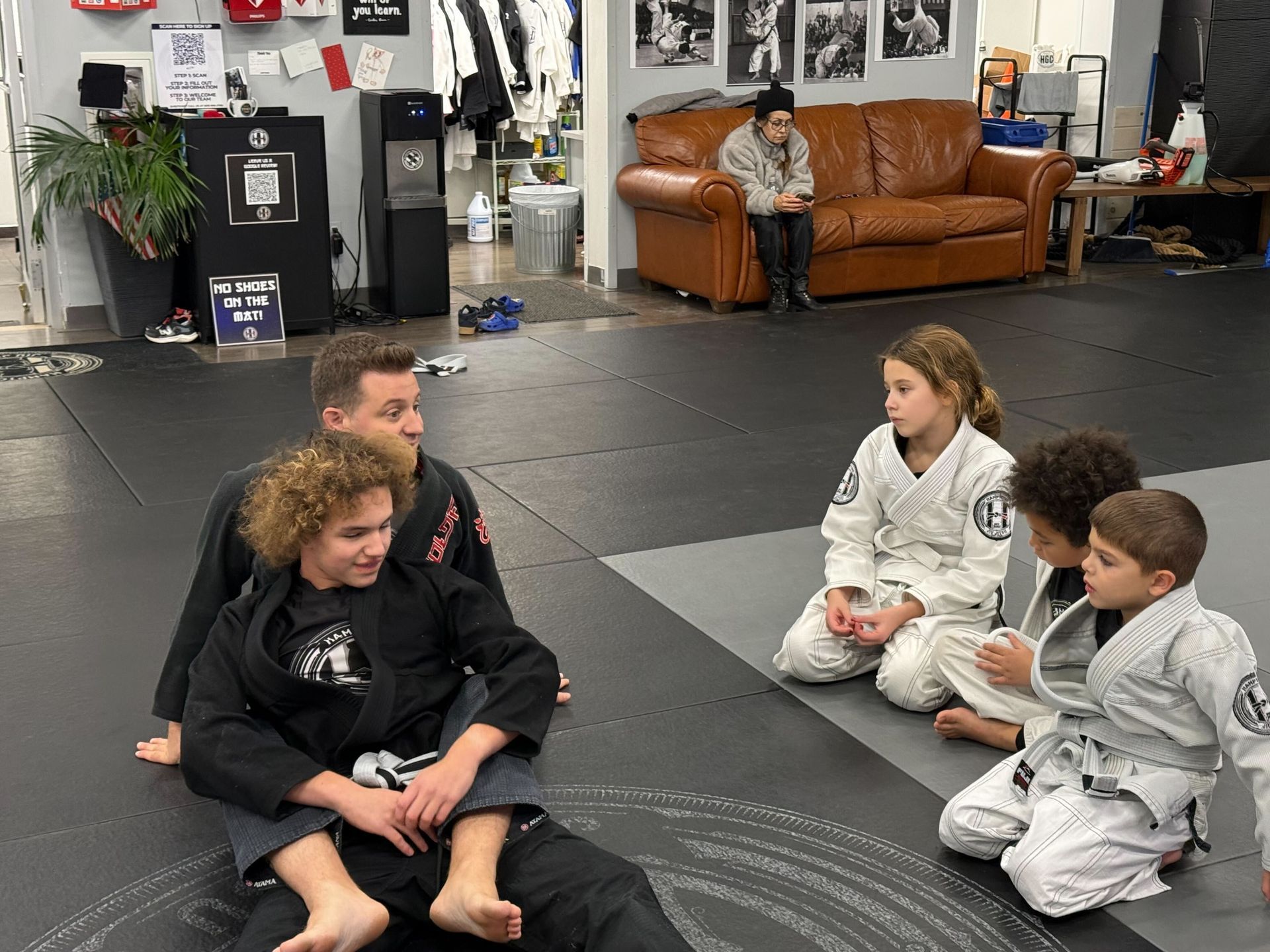
In youth jiu jitsu, nobody improves alone. Even when a child is practicing an individual movement, someone else is helping by giving realistic resistance, holding a position, or simply being present and engaged. Over time, kids start to understand an important lesson: training partners are not obstacles, they are teammates.
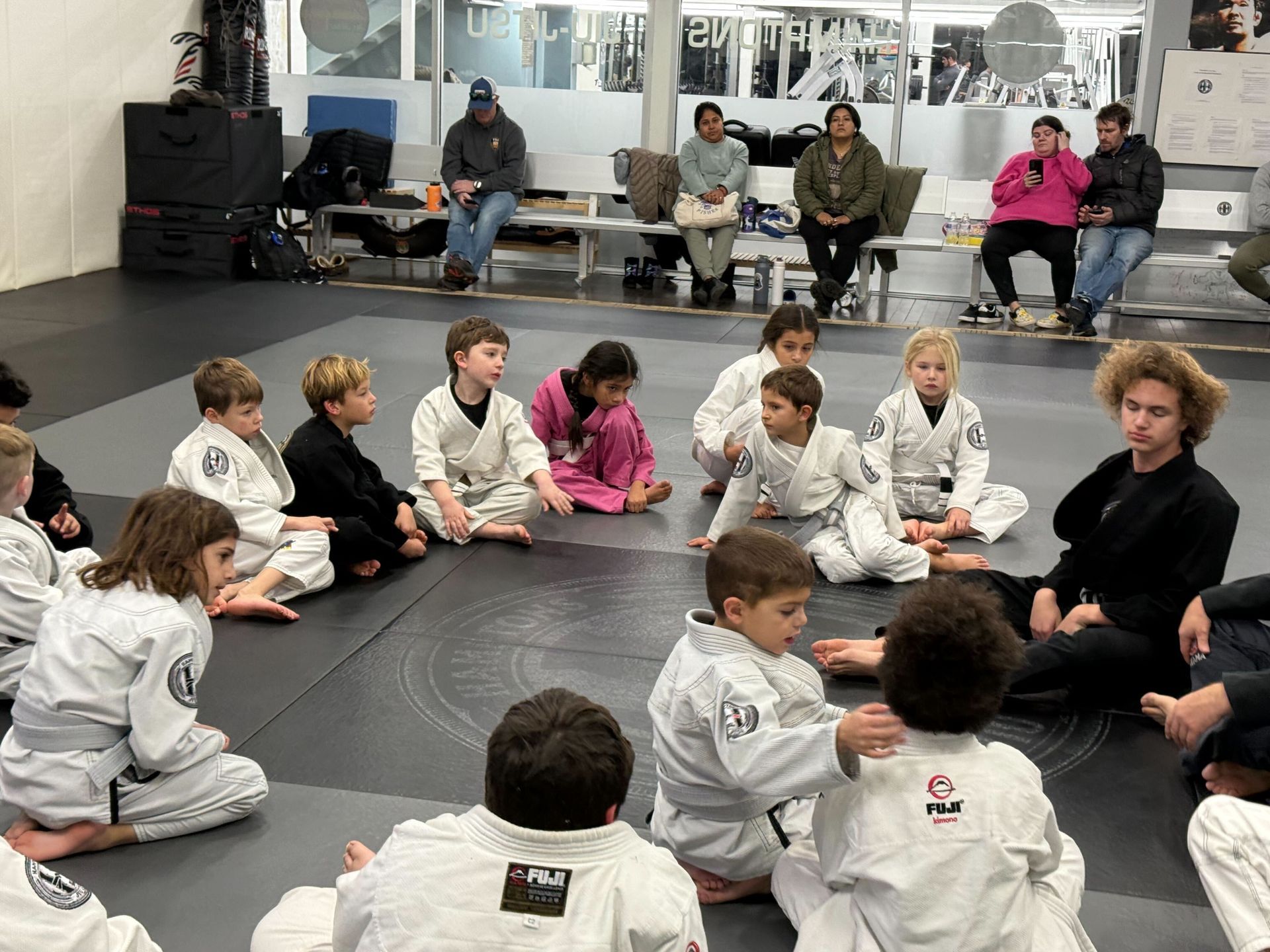
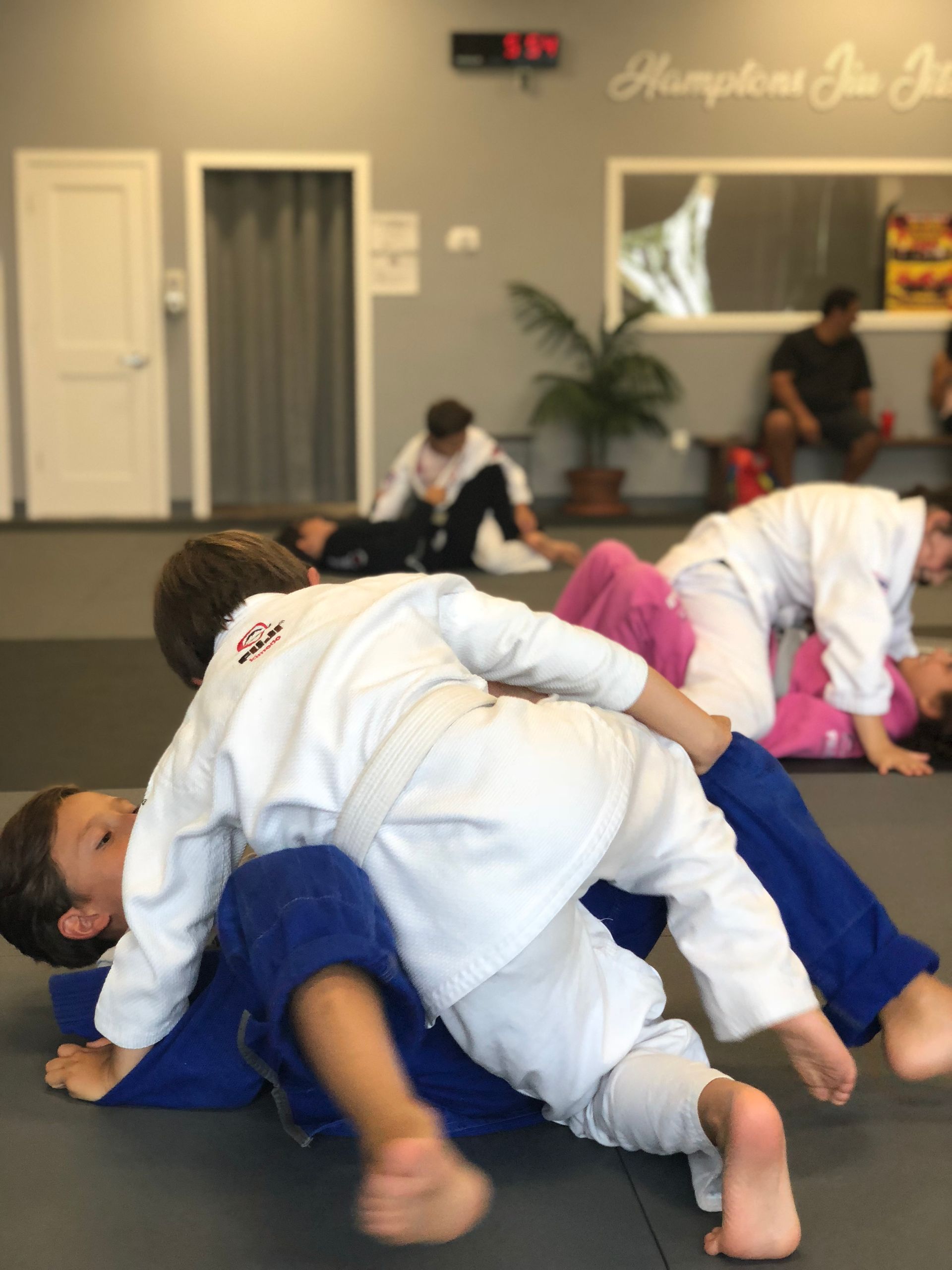
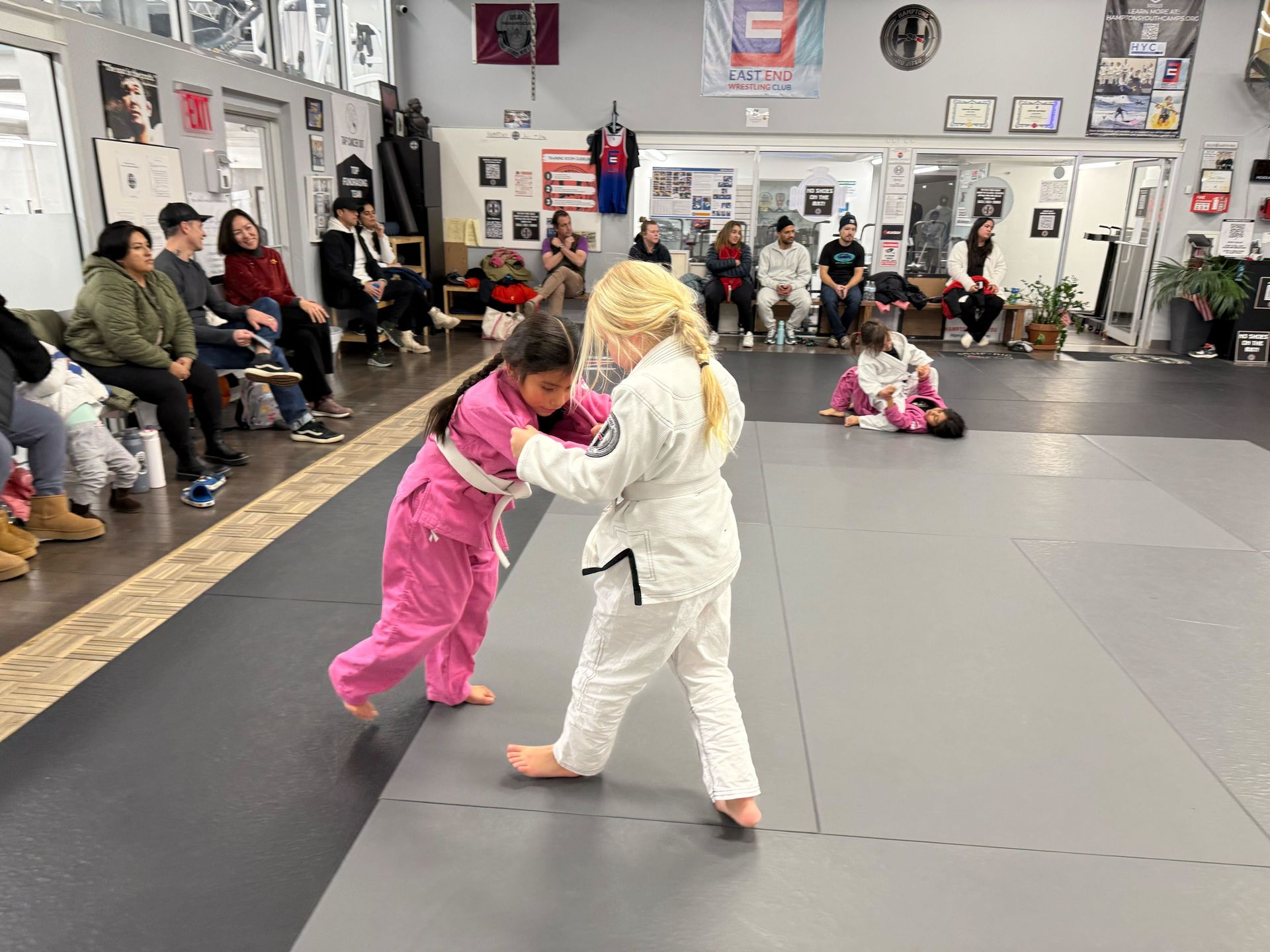
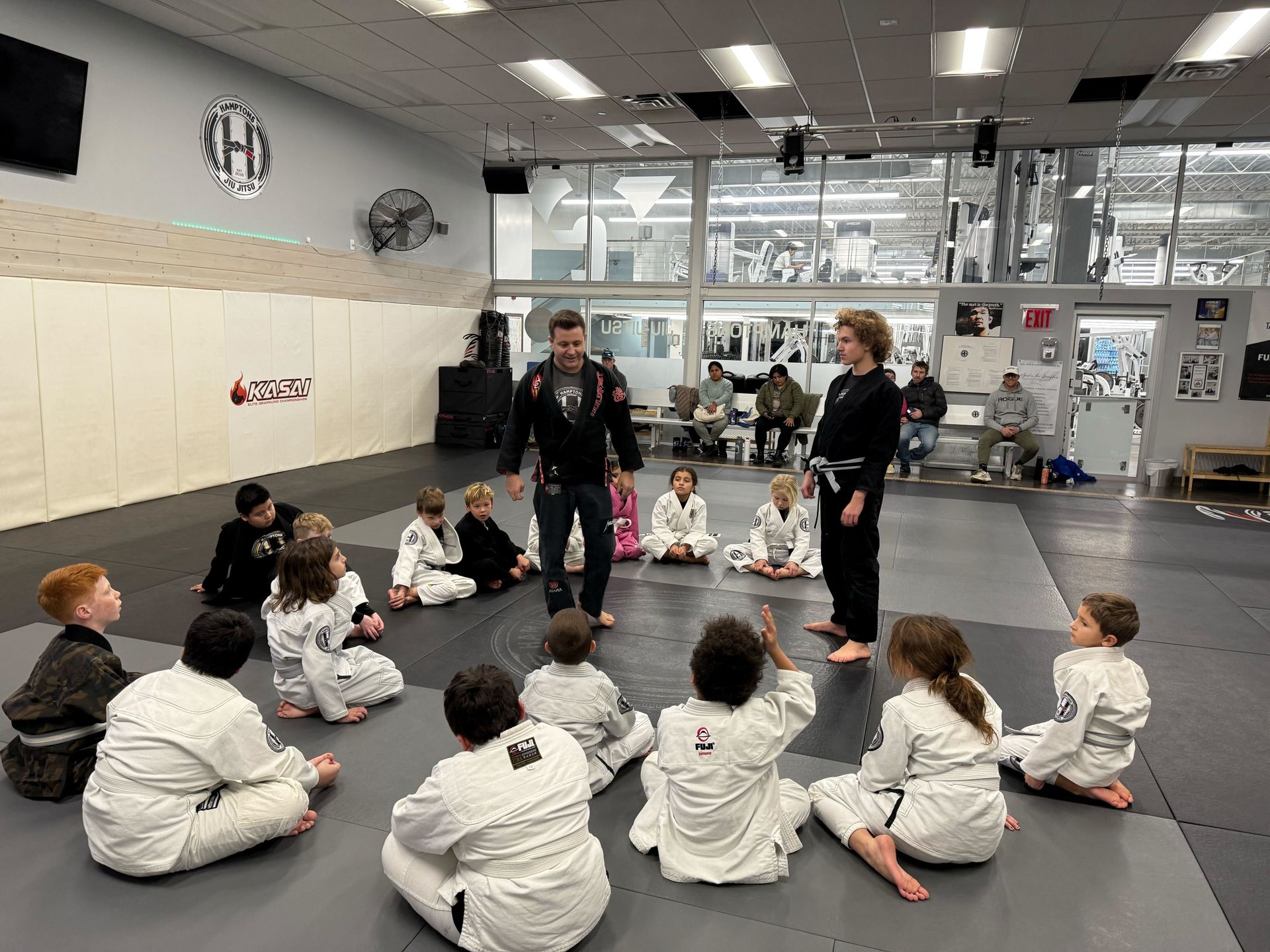
We also use the structure of class to reinforce positive habits. Kids line up, listen, drill in pairs, and rotate partners. That rotation matters because it teaches them to adapt to different sizes, different energy levels, and different personalities. That is real teamwork, just in a different form than a typical field sport.
Friendship on the mats: how training partners become real friends
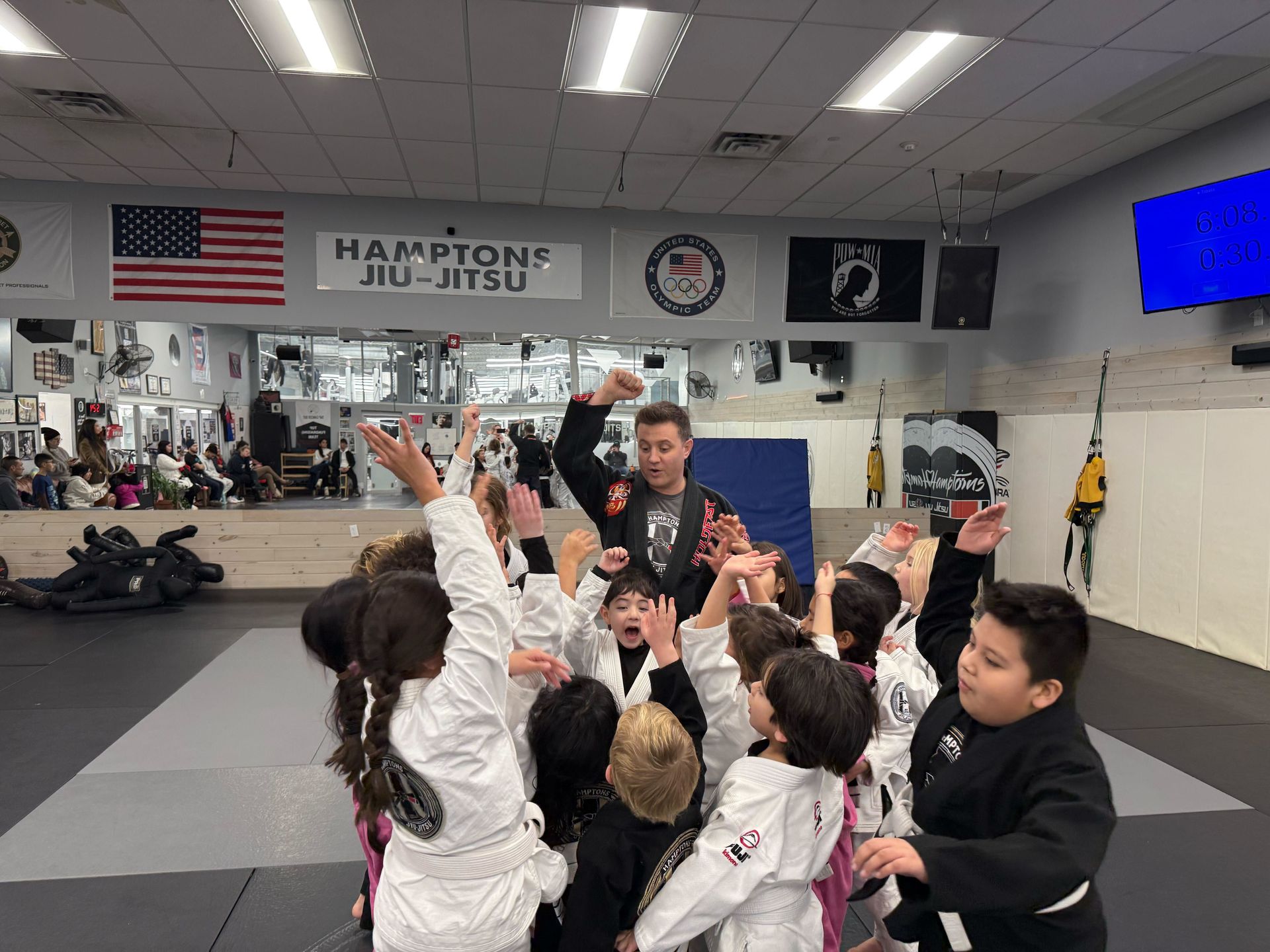
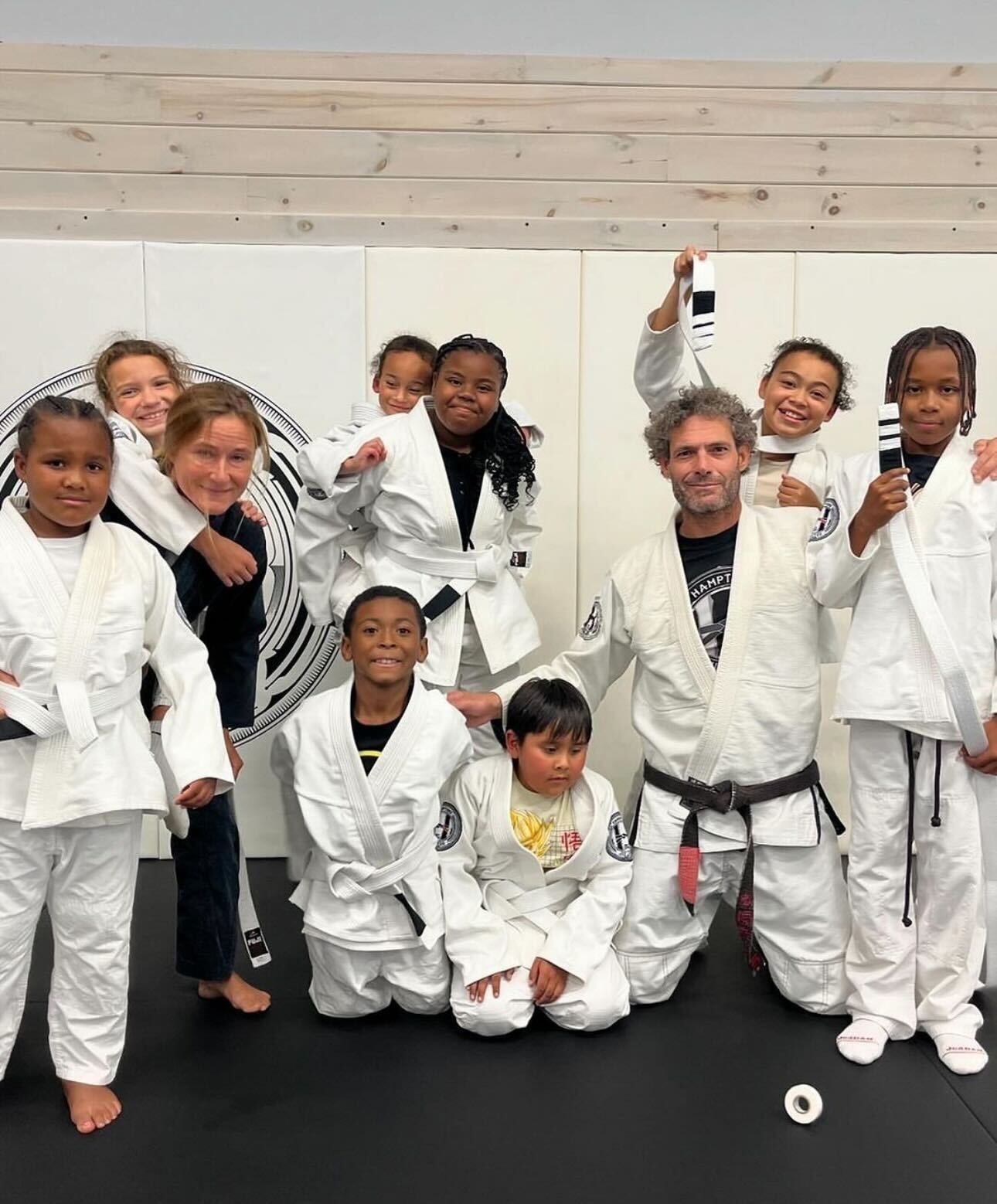
Friendships form when kids share experiences that feel meaningful. A youth jiu jitsu class is full of small moments that add up: learning a new technique together, laughing during a warm-up game, or helping a newer student remember the steps. Those moments create trust, and trust is the foundation of friendship.
Because Brazilian Jiu-Jitsu is partner-based, kids interact constantly, but not in the chaotic way that sometimes happens in unstructured play. The interaction has boundaries and purpose. Kids learn to ask, “Are you ready?” and “Is this okay?” They learn to respect taps immediately. They learn that being a good partner is a skill, not just a personality trait.
Over weeks and months, you will often see students start to cheer for each other’s progress. The funny thing is that it does not always look like loud encouragement. Sometimes it is quiet: a kid adjusting their pace so a partner can learn, or choosing control instead of speed. That kind of thoughtfulness tends to carry over into school friendships too.
What you will see in a typical youth class
We keep classes consistent so kids feel safe and confident walking in, even on days when they are tired or distracted. Consistency also helps parents understand what training is actually doing, beyond just “learning moves.”
A typical class includes warm-ups, skill development, drilling with a partner, and controlled practice that matches age and experience. We focus on body awareness, balance, and problem-solving, not brute strength. That is one reason youth jiu jitsu works well for a wide range of kids, including kids who do not love traditional team sports.
Here is what our youth classes generally emphasize:
• Movement skills that improve coordination, balance, and safe falling mechanics
• Technique basics like grips, positioning, and escapes taught in kid-friendly steps
• Partner drills that teach cooperation, patience, and clear communication
• Situational games that build timing and confidence without overwhelming intensity
• Cooldowns and reminders about respect, listening, and taking care of training partners
This structure keeps training engaging, but still purposeful. Kids usually leave feeling like they did something real, not just burned energy.
Youth jiu jitsu and confidence: the quiet kind that lasts
Confidence in kids does not always show up as big speeches or bold behavior. Often, it is quieter. It looks like trying something new without freezing. It looks like handling a mistake without melting down. It looks like standing up for a friend without turning the situation into a fight.
Youth jiu jitsu builds that kind of confidence because progress is visible and earned. A child learns an escape, struggles with it, practices it, then finally hits it smoothly. That process teaches patience and persistence. It also teaches kids that “hard” does not mean “impossible.”
There is also the self-defense element, which many families appreciate. We approach self-defense as awareness, boundaries, and control first. Kids learn that the goal is safety, not dominance. That message matters, especially when you are thinking about bullying concerns.
Addressing bullying with skills and mindset, not aggression
Families often ask whether martial arts training encourages kids to be more aggressive. Our answer is clear: we teach control, respect, and responsibility. Youth jiu jitsu is not about picking fights. It is about learning how to stay composed, create space, and seek help, and if necessary, protect yourself in a measured way.
One of the biggest anti-bullying benefits is posture and presence. When kids feel more capable, they tend to carry themselves differently. That can reduce how often they are targeted in the first place. And if a child does face unwanted physical contact, learning how to break grips, off-balance someone safely, or disengage can be genuinely helpful.
We also coach kids on the social side: using their voice, setting boundaries, and telling a trusted adult. Jiu-Jitsu is a tool, but the goal is always a safer, healthier child, not a tougher one.
A healthier outlet: physical activity that does not feel like a chore
Childhood obesity is a real concern nationwide, and youth programs like Brazilian Jiu-Jitsu have become a practical way to keep kids moving. The key is that it feels like play, even though it is structured exercise. Kids run, crawl, shrimp, bridge, grip, and balance. They build strength without spending the whole class doing “workouts.”
Because training uses the whole body, it supports cardiovascular health, mobility, and coordination. It also teaches kids to respect recovery, hydration, and consistency. Those habits can stick for life, even if a child eventually shifts into other sports or activities.
For families searching for martial arts in Southampton, this kind of whole-body, skill-based movement can be an especially good fit during the school year, when kids are sitting a lot and screens are always calling.
Safety and age-appropriate coaching: what we do on purpose
Safety is not something we mention once and move on from. It is built into how we teach, how we pair kids, and how we progress intensity. We keep techniques age-appropriate and focus heavily on positioning, control, and tapping early. That reduces the risk of kids forcing moves they do not understand yet.
We also recognize the reality of martial arts: injuries can happen in any sport, and youth jiu jitsu is no exception. Good coaching, clear rules, and smart class design lower the risk significantly. We pay attention to mat space, partner matching, and pacing. If a child is having a day where focus is a little off, we adjust.
Another safety factor is emotional safety. Kids learn best when they are not embarrassed or singled out. We correct respectfully, encourage questions, and keep the room welcoming, especially for beginners.
Keeping kids consistent: how we help prevent the common dropout pattern
Across the country, many beginners quit martial arts early. In Brazilian Jiu-Jitsu, white belt dropout rates are often cited as high, and kids can be even more sensitive to frustration or boredom. We take retention seriously, not because we want kids to “stick it out” no matter what, but because consistency is where the real benefits live.
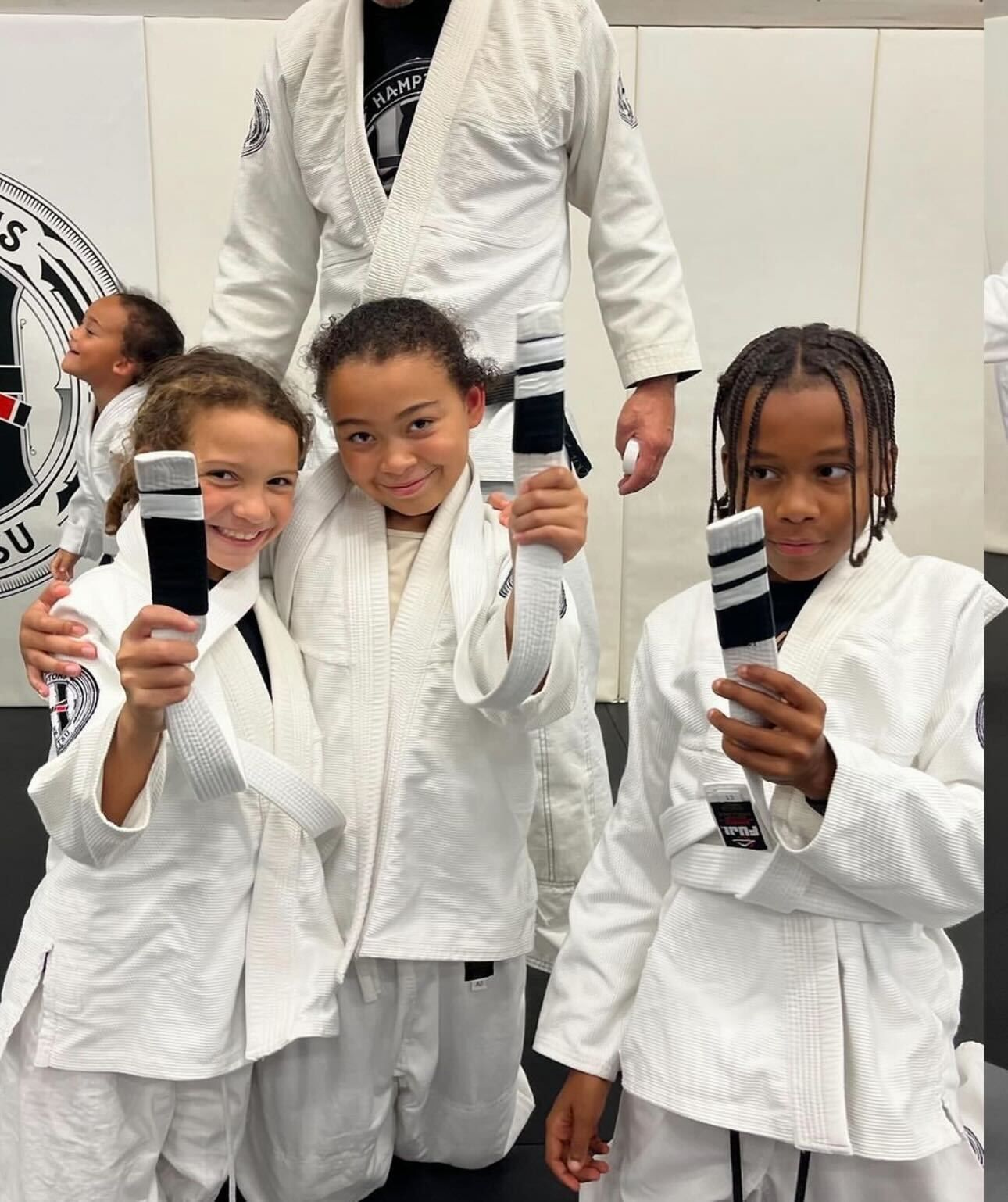
We keep progress measurable and motivating. Kids learn in steps, earn recognition for effort, and get chances to demonstrate skills in a supportive setting. We also communicate with parents about what to expect: some weeks your child will feel unstoppable, and some weeks your child will feel like nothing is clicking. Both are normal.
If you want your child to thrive, a few simple routines help:
1. Keep a consistent weekly schedule so training becomes automatic
2. Celebrate small improvements like better listening or calmer breathing
3. Encourage rest, hydration, and a snack plan before class
4. Let your child talk about class without turning it into a performance review
5. Use the class schedule page to plan around school and seasonal activities
That kind of steady support makes youth jiu jitsu in Southampton NY feel like a normal part of life, not another stressful commitment.
Ages, readiness, and what “beginner” really means
Parents often ask what age to start. In practice, readiness matters more than a specific number. We typically see kids do well when they can follow basic instructions, handle gentle partner contact, and stay engaged in a group setting. From there, we scale the curriculum to the student’s age and maturity.
Beginners do not need athletic experience. We teach movement from the ground up. Kids who are shy often warm up over time because the class gives them a role and a routine. Kids who are high-energy learn how to channel that energy without disrupting others. Both outcomes are wins.
If you are considering youth jiu jitsu, the simplest next step is to try a class and see how your child responds to the environment. The first class is mostly about comfort: learning the space, meeting coaches, and getting a feel for how partner work is done safely.
Gear, costs, and simple ways to start without overwhelm
Gear is a common question, and it should be. Some families worry they need to buy everything at once. We keep onboarding simple and help you understand what is actually required for your child’s level. Typically, kids start with basic training gear, and we guide you from there.
We also understand that gear costs can be a barrier in martial arts. Our goal is to make the first steps manageable, because the value of training should not be locked behind confusion or pressure. If you have questions before your first class, we can walk you through what to bring and what to skip for now.
For busy Southampton families, scheduling matters too. That is why we keep the class schedule easy to reference on the website, so you can plan around school, homework, and family routines without guessing.
Take the Next Step
Building teamwork and friendship is not a side effect of training, it is part of what we intentionally create in every youth class. Youth jiu jitsu gives your child a consistent space to practice cooperation, resilience, and respect while getting stronger and more confident in a way that feels real.
When you are ready to see how this looks in person, we would love to welcome you in. At Hamptons Jiu-Jitsu, we focus on safe, structured coaching that helps Southampton kids build skills and relationships that keep growing well beyond the mats.
Continue your martial arts journey beyond this article by joining a class at Hamptons Jiu Jitsu.
ACCESS OUR SCHEDULE
& EXCLUSIVE WEB SPECIAL
Secure your spot and get started today with our EXCLUSIVE offer!