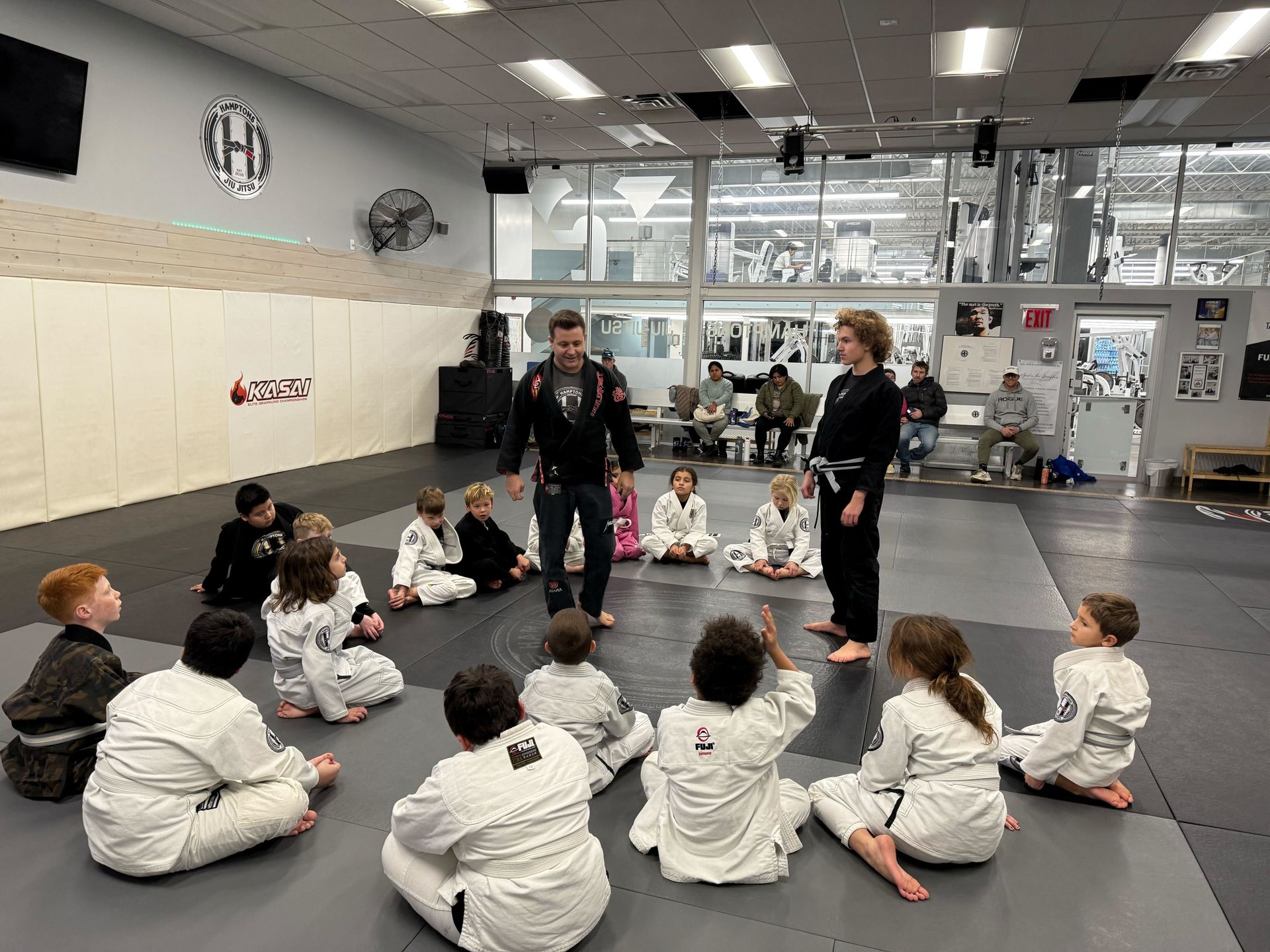

How Youth Jiu Jitsu Prepares Southampton Kids for Life’s Challenges
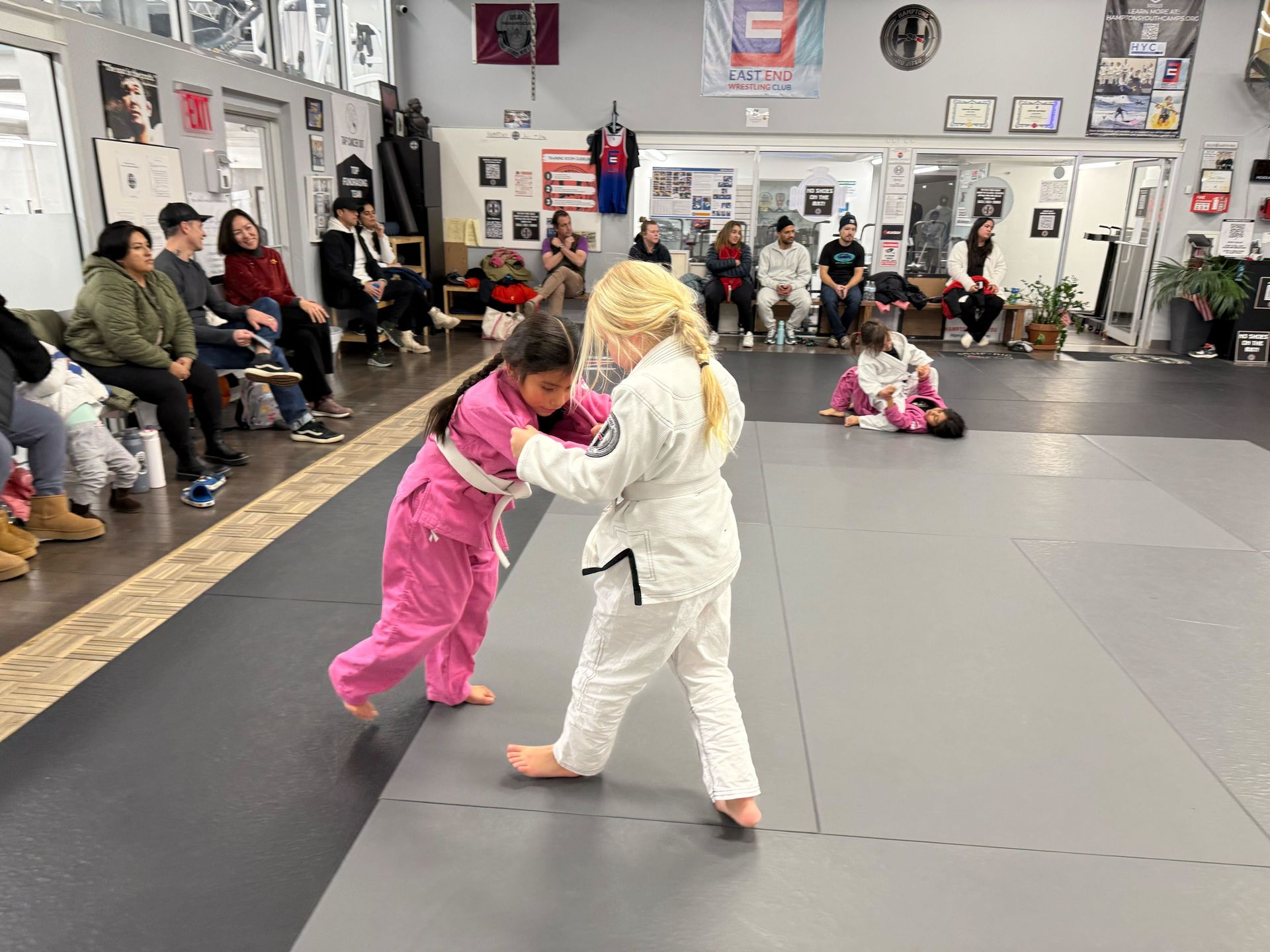
Youth jiu jitsu gives Southampton kids a place to practice calm, confidence, and problem-solving before life puts them under pressure.
In Southampton, kids juggle a lot earlier than we sometimes admit: busy school days, high expectations, social dynamics that shift fast, and plenty of screen-time pulling attention in every direction. Youth jiu jitsu gives your child something rare in modern life: a structured hour where effort is clear, progress is visible, and challenges are handled one step at a time.
In our youth jiu jitsu classes, we focus on skills your child can actually use, both on the mats and outside the academy. The techniques matter, of course, but the deeper benefit is learning how to stay steady when something feels hard. That lesson shows up everywhere: in classrooms, on teams, at home, and in friendships.
Research backs up what we see week after week. Parents report major gains in confidence, discipline, and mental flexibility through Brazilian Jiu-Jitsu training, including improved confidence (96.4 percent), stronger commitment and mental flexibility (92.8 percent), reduced anxiety (87.5 percent), and better concentration (78.6 percent). Just as important, youth BJJ can reduce aggression while improving self-control and pro-social behavior, with one study tracking declining aggression levels over five months in youth participants.
Why Youth Jiu Jitsu Works When Life Gets Messy
Kids do not become resilient because someone tells them to be. Resilience comes from repeated experiences of trying, adapting, and finishing, even when the outcome is not perfect. Youth jiu jitsu is built around exactly that kind of growth, because every technique is a small puzzle and every round is feedback.
Unlike activities where the loudest or strongest kid automatically “wins,” jiu jitsu rewards timing, leverage, and calm decision-making. That means your child gets to experience a powerful mindset shift: problems are solvable, and your choices matter.
When your child learns to escape a hold, improve position, or protect personal space safely, confidence becomes grounded in competence. It is not hype. It is earned.
The Life Skills We Build on the Mats (And Why They Transfer)
When parents ask us what makes youth jiu jitsu different, we point to how clearly it connects to everyday life. The mat is a controlled environment, but the emotions are real: nerves, excitement, frustration, pride, and sometimes the need to try again after a mistake.
Here are the life skills we intentionally develop through training:
• Self-discipline through consistent routines, listening skills, and finishing drills the right way even when your child would rather rush
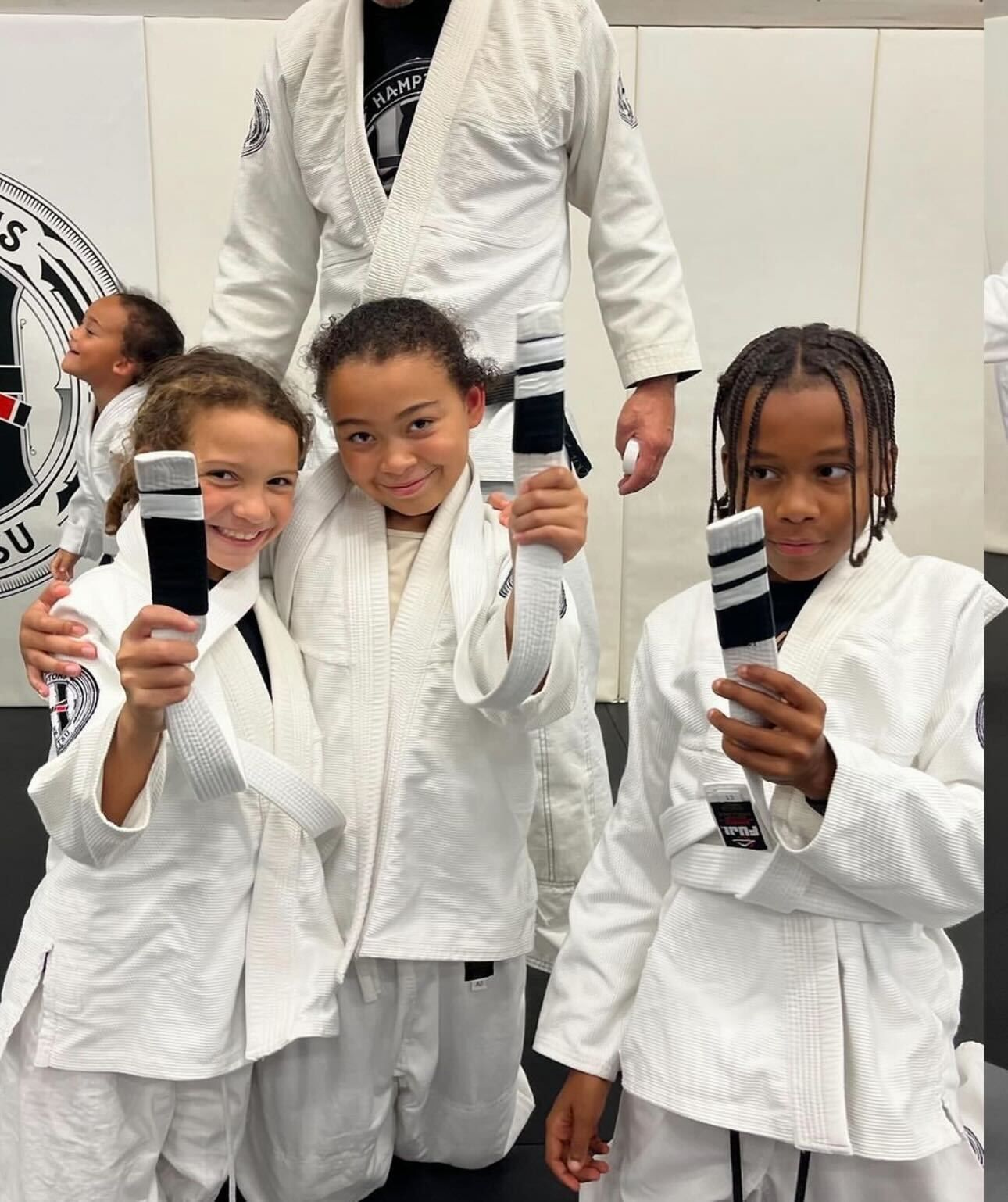
• Self-confidence built through measurable progress like improved movement, better balance, and earning stripes or belts over time
• Mental resilience from learning to reset after setbacks and keep working, instead of shutting down or acting out
• Social skills and respect through partner drills, taking turns, and learning how to win and lose with composure
• Self-control and emotional regulation, which research links to reduced aggression and stronger pro-social behavior in youth BJJ training
These are not abstract goals for us. We coach them in real time, because the moment a child wants to quit is often the moment the lesson becomes real.
Confidence Without Aggression: What Parents Want and Kids Need
A common worry we hear is whether martial arts will make a child more aggressive. In our experience, youth jiu jitsu tends to do the opposite when taught with the right culture and structure. BJJ emphasizes control, not chaos, and it rewards patience.
A key part of our approach is teaching your child how to manage intensity. We do not throw kids into unsafe situations. We build skills progressively, so your child learns how to stay composed, communicate with partners, and use technique instead of force.
Studies reflect this: youth BJJ participation has been associated with declining aggression over time, plus stronger self-control and respectful behavior. That matters in real life, because confidence without self-control is not the goal. Your child needs both.
Practical Self-Defense That Fits Real Kid Situations
Self-defense for kids is not about encouraging fights. It is about helping your child feel capable and know what to do if someone invades their space, grabs them, or tries to overpower them. Youth jiu jitsu is especially effective because it focuses on control, escapes, and positioning, including situations where size differences are real.
In class, we teach your child to:
• Maintain posture and base so it is harder to knock them down
• Stay calm and protect themselves if they end up on the ground
• Use leverage-based escapes rather than strength-based reactions
• Create space, stand back up safely, and regain control of distance
We also coach the decision-making side: when to disengage, when to ask for help, and how to carry themselves with the kind of quiet confidence that can discourage bullying before it escalates.
Focus and School Readiness in a Distracted World
Southampton families are not imagining it: attention is harder to come by now. Between devices, busy schedules, and constant stimulation, kids often struggle with focus and follow-through. Youth jiu jitsu provides a reset, because the class demands present-moment attention without feeling like a lecture.
Your child has to notice details like grips, angles, and timing. That kind of focus is active and physical, which helps many kids learn better than sitting still and being told to concentrate.
Recent research trends (2022 to 2024) also point to meaningful gains in self-control and inhibitory control for kids who train consistently, often 1 to 3 times per week. In plain language: kids get better at pausing before reacting, staying with a task, and managing impulses. That is gold for classrooms and homework time.
Fitness That Supports the Southampton Lifestyle
Jiu jitsu builds real, usable fitness. We are not talking about treadmill endurance alone. Youth jiu jitsu develops coordination, strength, flexibility, and body awareness, all in a format that keeps kids engaged because it feels like learning something, not just exercising.
Systematic reviews of martial arts in children support improvements in physical fitness for preschool and school-aged kids. In our classes, you will see that in better balance, smoother movement, and more confidence in how your child carries themselves.
And yes, it also helps with screen-time balance. When your child has a consistent activity that feels meaningful, it becomes easier to choose movement over scrolling.
What a Youth Class Looks Like in Our Program
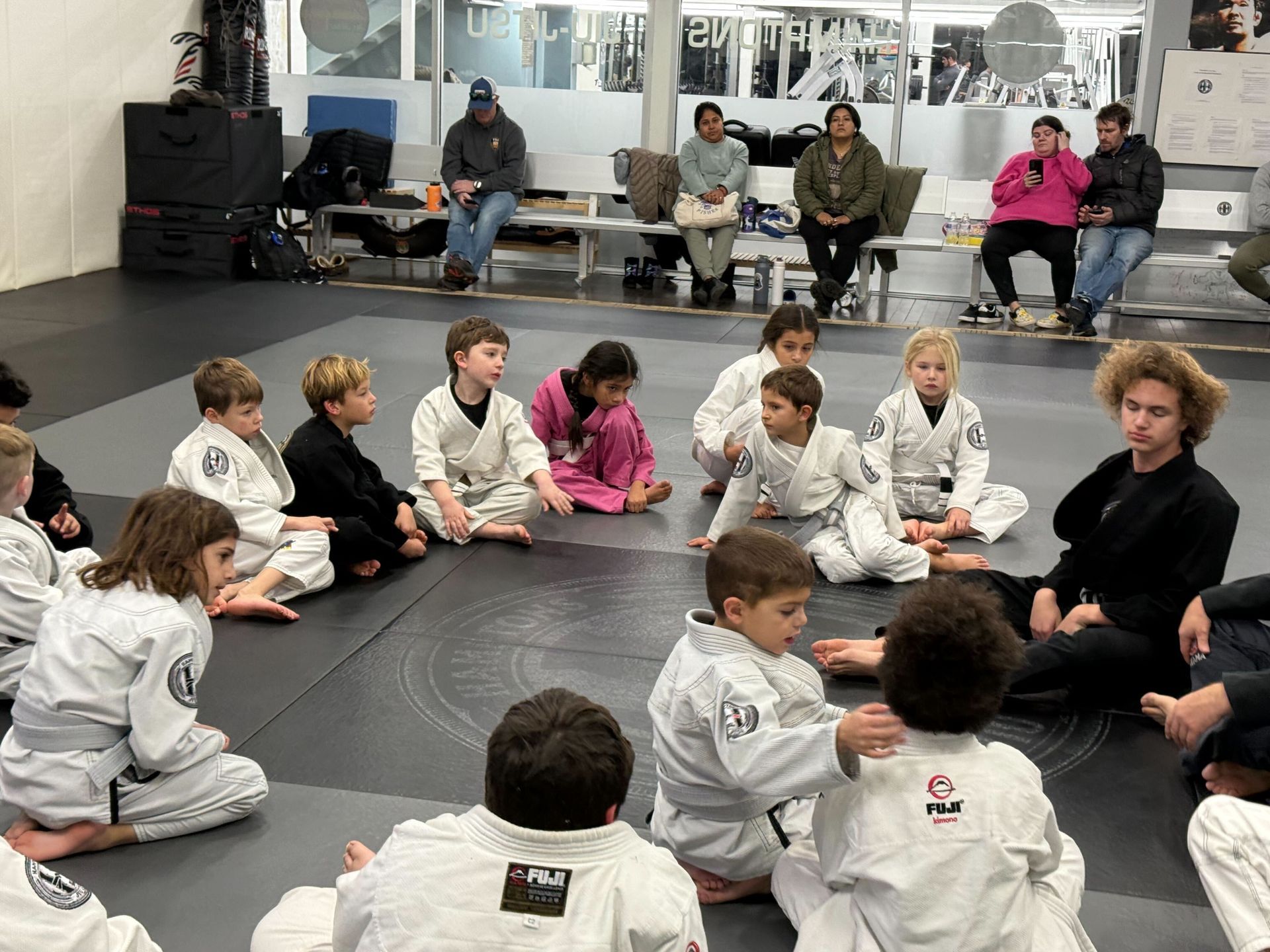
Parents often want to know what actually happens during class, because “martial arts” can sound intimidating if you have never stepped on the mats. Our youth classes are structured, age-appropriate, and coached closely.
A typical class includes:
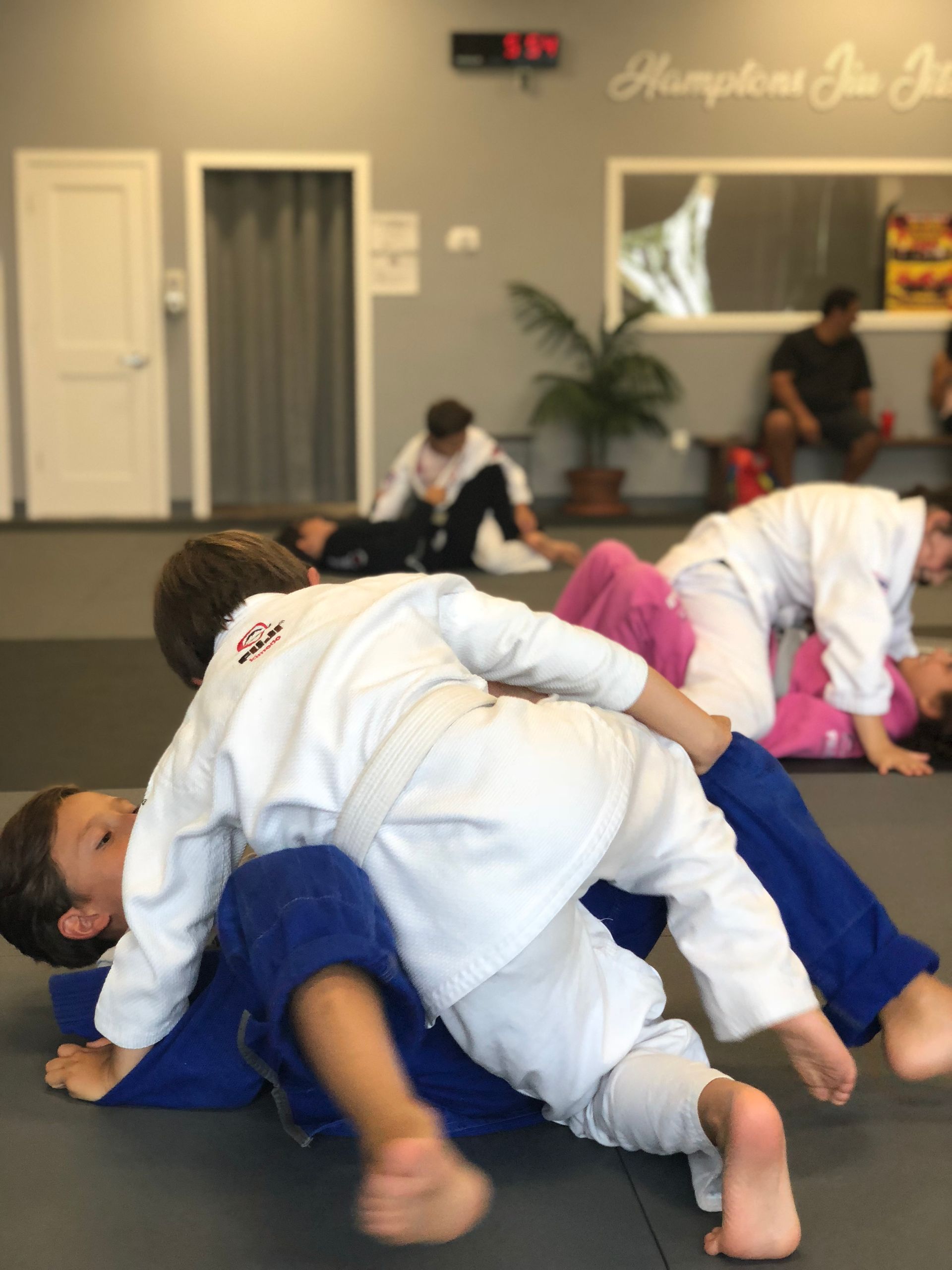
1. Warm-up movements that build coordination and safe falling skills
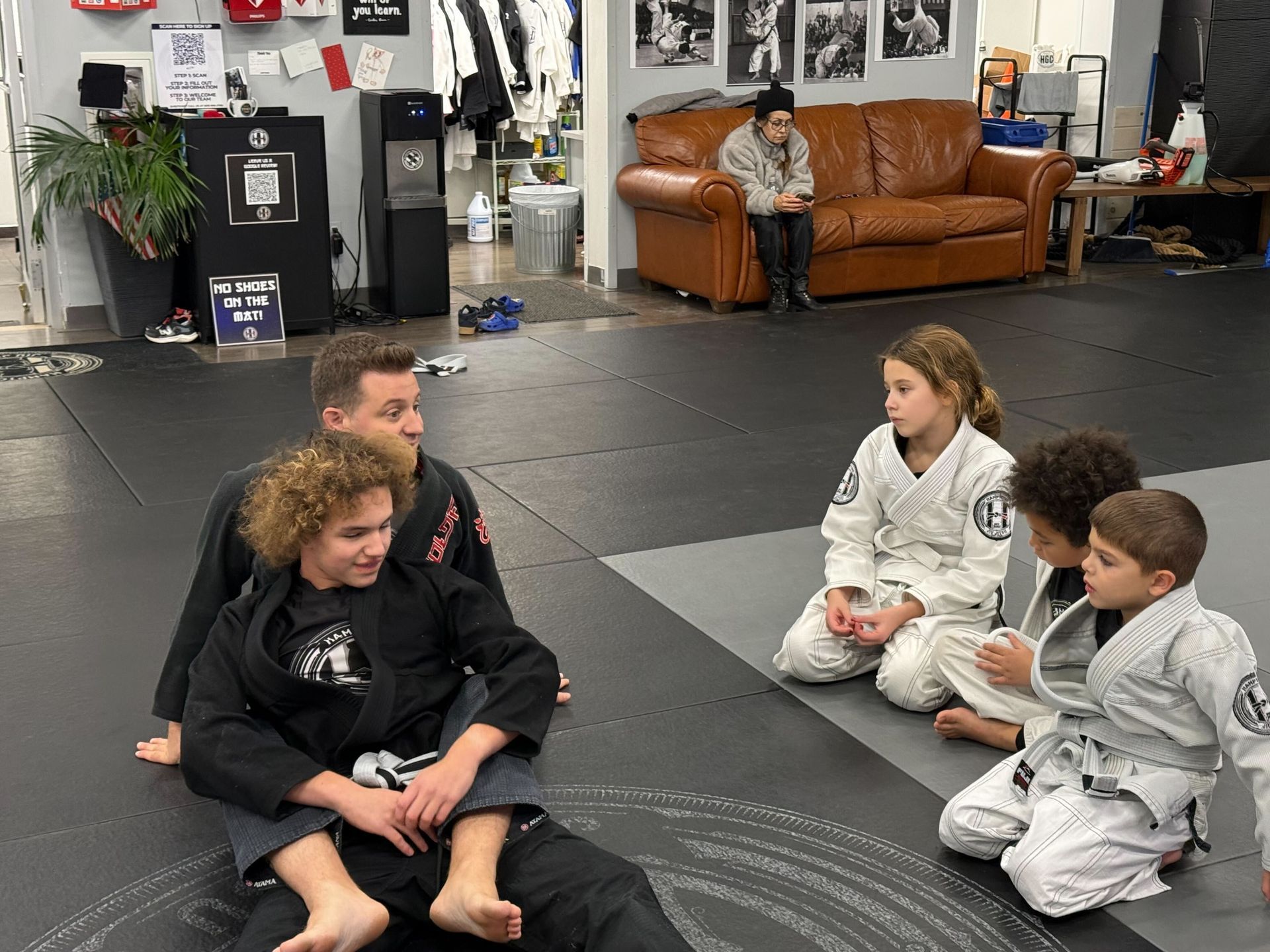
2. Technique instruction with clear goals and plenty of repetition
3. Partner drills where kids practice with supervision and guidance
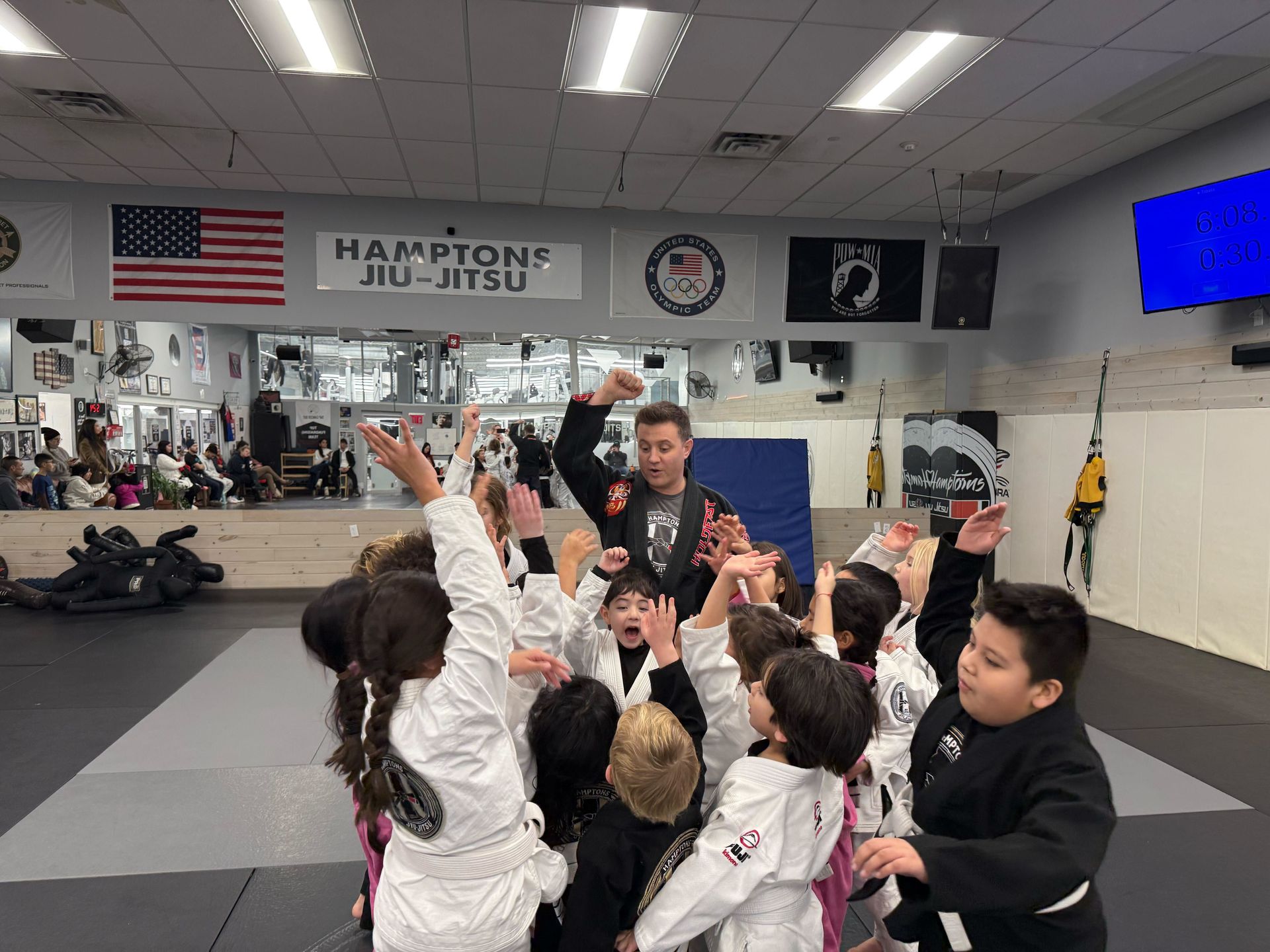
4. Games that reinforce movement patterns and teamwork (especially for younger groups)
5. Controlled sparring for kids who are ready, with rules that prioritize safety and respect
We group students by age and experience so your child is not overwhelmed. Younger kids need shorter learning chunks and more play-based structure, while older kids can handle more technical detail and longer rounds.
Safety, Age to Start, and How We Keep Training Positive
Safety is not a side note in youth jiu jitsu. It is the foundation. We teach tapping early, we teach respect for partners, and we build the idea that training partners are not opponents, but teammates helping each other improve.
Many kids can start around ages 4 to 6 if they can follow basic instructions and handle group settings. For younger ages, we keep contact minimal and focus heavily on movement, balance, listening skills, and simple positional concepts.
As kids grow, we layer in more technique and more resistance, always with the goal of keeping the environment supportive. You should expect your child to be challenged, but not crushed. There is a difference, and we take it seriously.
How Often Should Your Child Train (Without Burning Out)
Consistency beats intensity, especially for kids. Research and real-world experience align here: training 1 to 3 times per week often delivers the best results in self-control gains and overall progress without overwhelming schedules.
We help families find a rhythm that works with school, seasonal sports, and summer schedules in Southampton. The best plan is the one your child can maintain.
If you are wondering about results, many parents notice early changes in 1 to 3 months: better confidence, improved listening, and a calmer response to frustration. Deeper resilience and long-term discipline usually show up around the 6-month mark, when training becomes part of your child’s identity rather than just an activity.
Membership Options and How We Help Families Get Started
Families come to us with different needs: some want a single weekly class to build confidence, while others want a steady training schedule that becomes a cornerstone routine. Our membership options are designed to fit those realities, and we keep the onboarding process straightforward.
If you are new, we recommend starting with a trial class so your child can feel the space, meet our coaches, and experience youth jiu jitsu firsthand. From there, we can suggest a weekly schedule based on age, temperament, and goals, whether that is confidence-building, focus, fitness, or practical self-defense.
You can always check the class schedule page on the website to see current days and times, since family calendars change fast around here.
Why Martial Arts in Southampton Can Be More Than a Sport
A lot of youth activities build skills, but jiu jitsu has a unique way of teaching kids how to handle pressure while staying respectful. That is why many families looking for martial arts in Southampton end up valuing jiu jitsu as a long-term investment, not just a seasonal activity.
The mat becomes a training ground for leadership, humility, and steady improvement. Kids learn that being good at something takes time, and that is a lesson that quietly supports academics, relationships, and future goals.
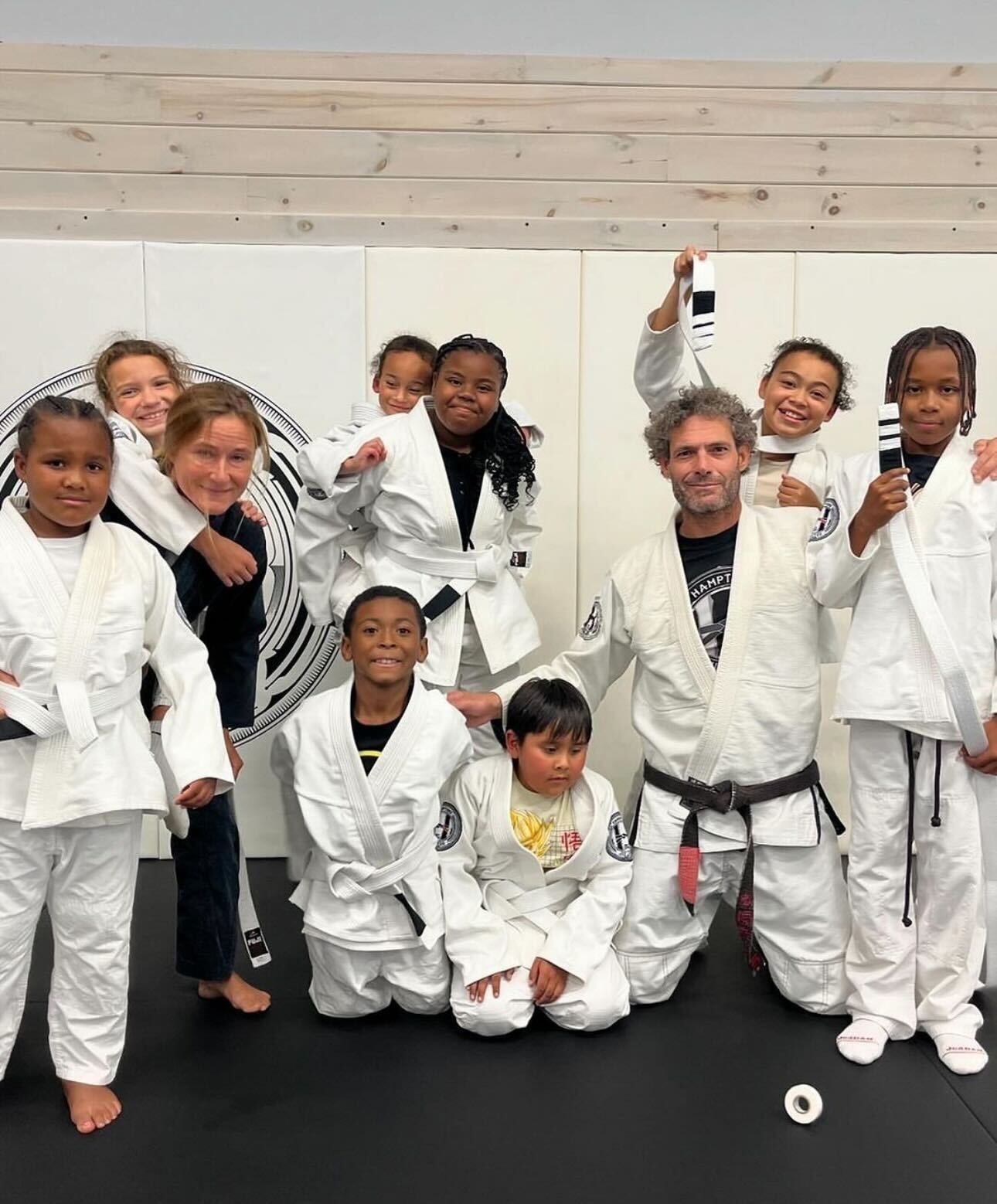
When youth jiu jitsu is taught with structure and care, it becomes a community as much as a class. Parents have reported a strong sense of belonging (100 percent in one survey-based study), and that community factor matters, especially in a world where kids can feel socially isolated even when surrounded by people.
Take the Next Step
If you want youth jiu jitsu in Southampton NY that develops confidence, discipline, focus, and real self-defense skills, we build our program around those outcomes, not just around keeping kids busy. The goal is not to create a child who looks tough, but a child who feels capable and knows how to handle hard moments with calm and control.
When you train with Hamptons Jiu-Jitsu, you get a clear pathway from beginner fundamentals to long-term growth, with age-appropriate coaching and a culture that prioritizes safety, respect, and steady progress.
Give your child a positive and active outlet by joining the kids’ martial arts program at Hamptons Jiu Jitsu.
ACCESS OUR SCHEDULE
& EXCLUSIVE WEB SPECIAL
Secure your spot and get started today with our EXCLUSIVE offer!