
A Step-by-Step Guide to Starting Youth Jiu Jitsu in Southampton NY
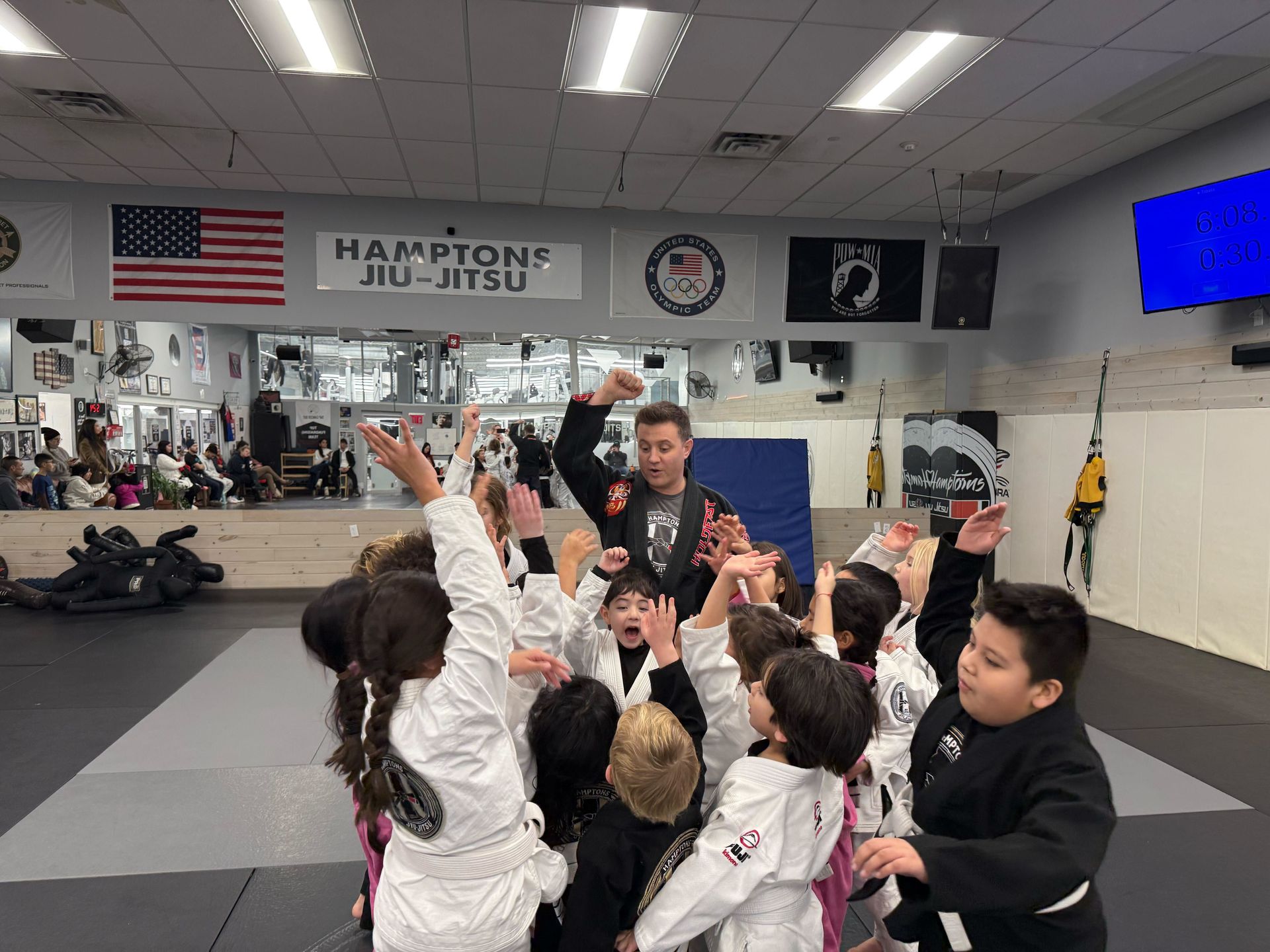
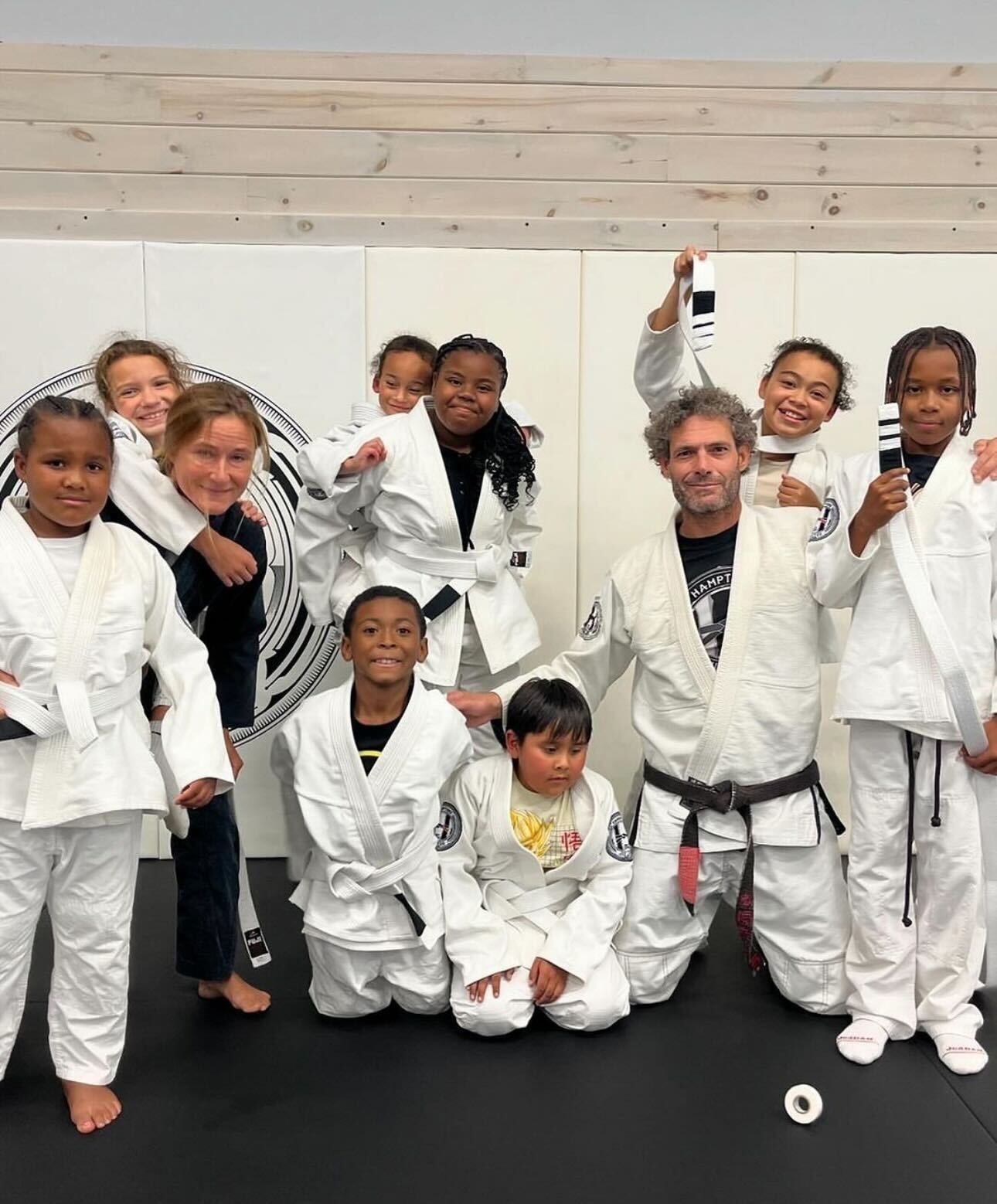
A good kids program should feel structured, safe, and fun all at once and we built ours to hit all three.
Brazilian Jiu-Jitsu has grown fast in the U.S., with search interest rising 104.35 percent since 2004, and we see the same momentum locally as more families look for youth jiu jitsu that teaches real skills without relying on size or strength. That growth is not just adults chasing a new hobby, either. About 25 percent of BJJ practitioners are under 18, which matches what we notice every week: kids want something engaging, parents want something constructive, and both want it to be run the right way.
If you are exploring youth jiu jitsu in Southampton NY, it helps to have a clear map of how to start. We wrote this guide to answer the questions we hear most often: what age can kids begin, what happens in a first class, how we keep training safe, what gear you actually need, and how often your child should train to make steady progress.
Our goal is simple. We want you to feel confident about the process, from your first visit to the day your child starts using better balance, calmer decision-making, and a little more self-belief in everyday situations.
Step 1: Understand what youth jiu jitsu is and why it works for kids
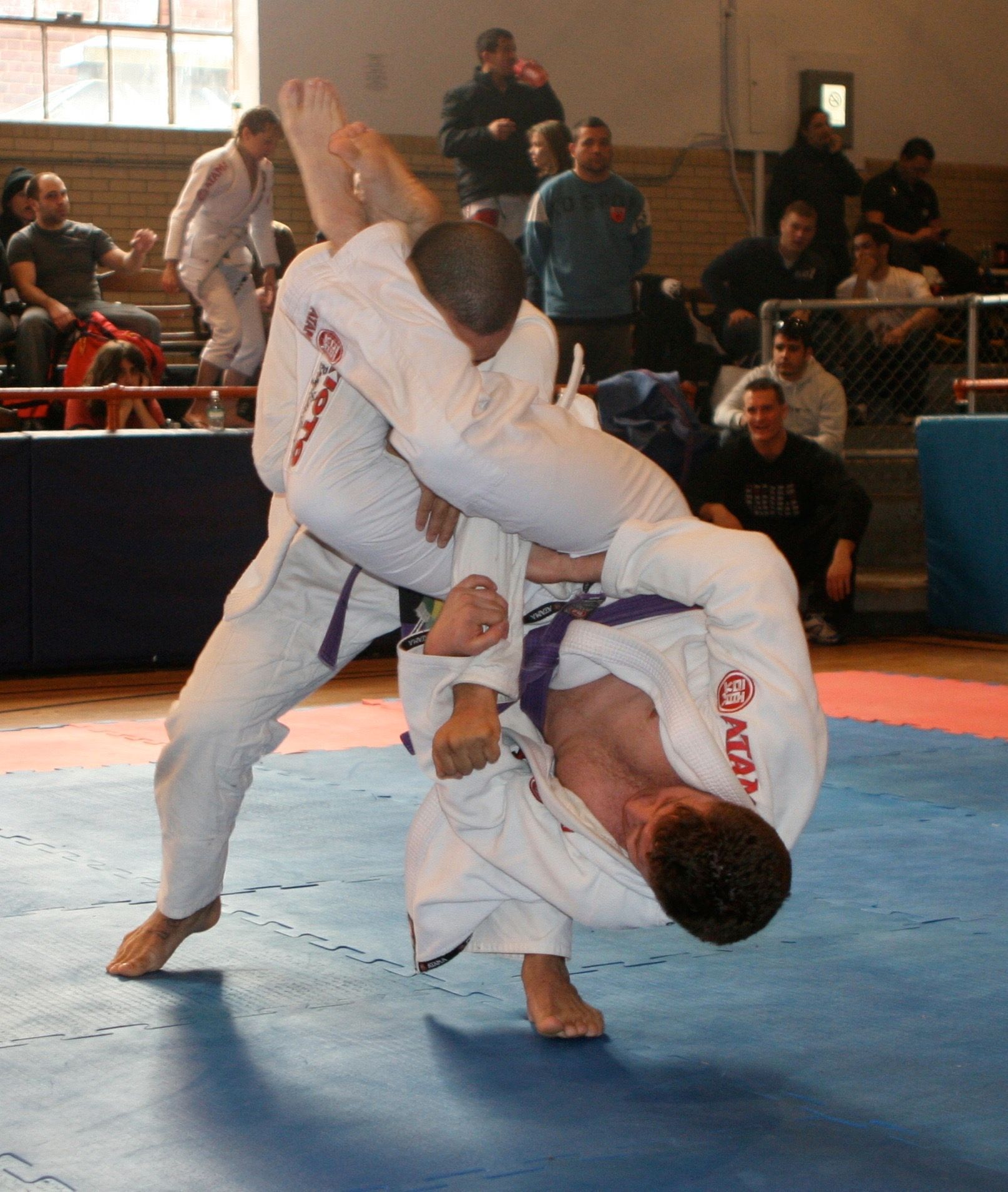
Youth jiu jitsu is grappling based. Instead of focusing on punches and kicks, we teach children how to control distance, posture, and movement, and how to escape common holds safely. The techniques are built around leverage, which is a big reason kids of different body types can succeed without needing to be the strongest in the room.
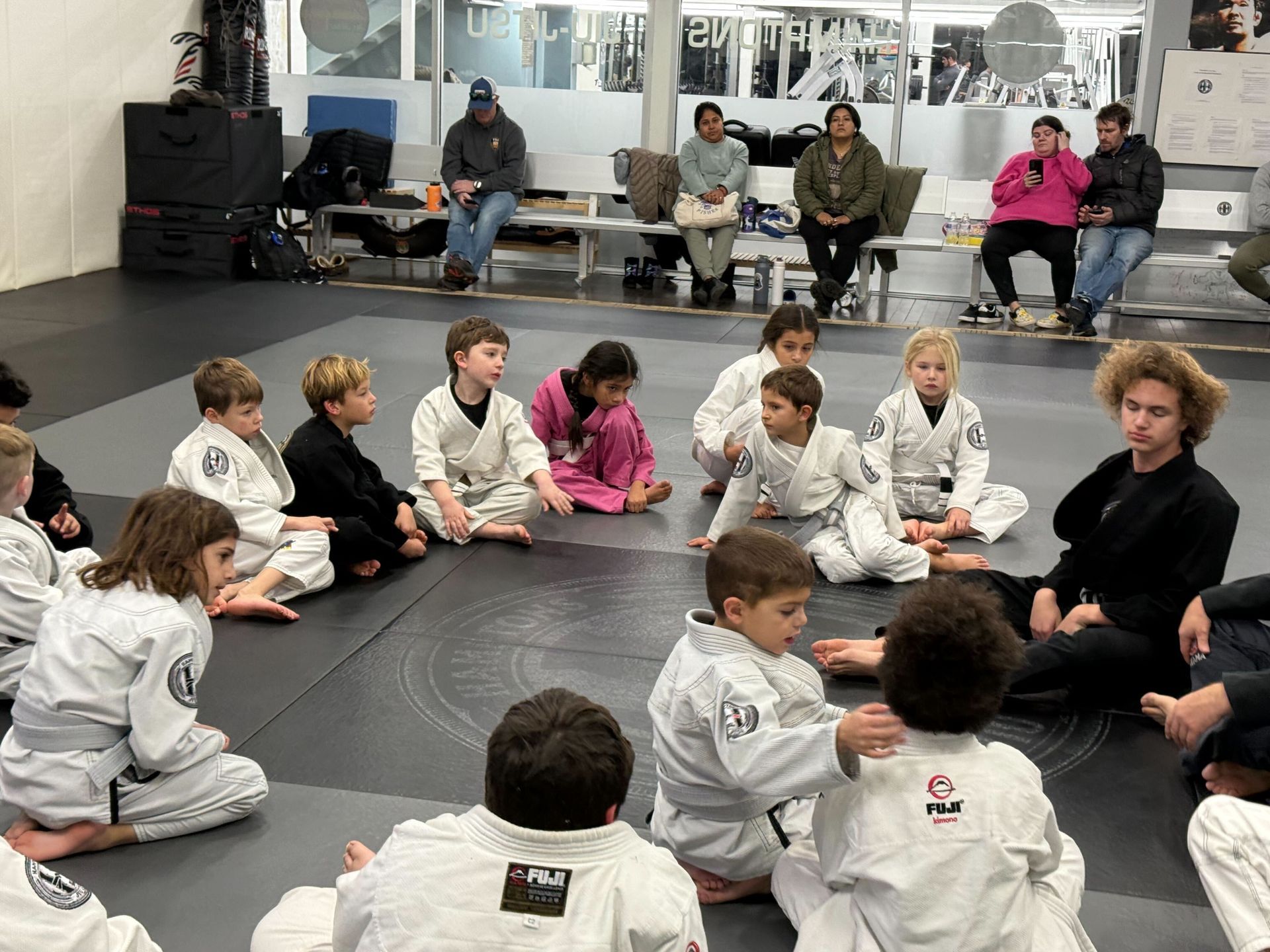
Because training is hands-on, we take structure seriously. Kids learn how to listen, line up, partner respectfully, and practice with control. Those routines sound small, but they create a calm environment where learning happens faster and behavior improves outside the mats too.
We also like that BJJ naturally trains problem-solving. A child gets into a position, tries an option, adjusts, and tries again. Over time, that habit of staying present and working the problem tends to show up at school, in sports, and even in sibling disagreements at home.
Step 2: Pick the right starting age and class placement
Parents often ask for a single perfect starting age, but the better question is whether your child can follow simple directions, participate with a partner, and stay on task for a short class. Many kids can do that earlier than you might expect, especially when the curriculum is designed for their attention span.
We generally think about youth jiu jitsu placement in three practical stages:
Ages 5 to 7: foundations through movement and games
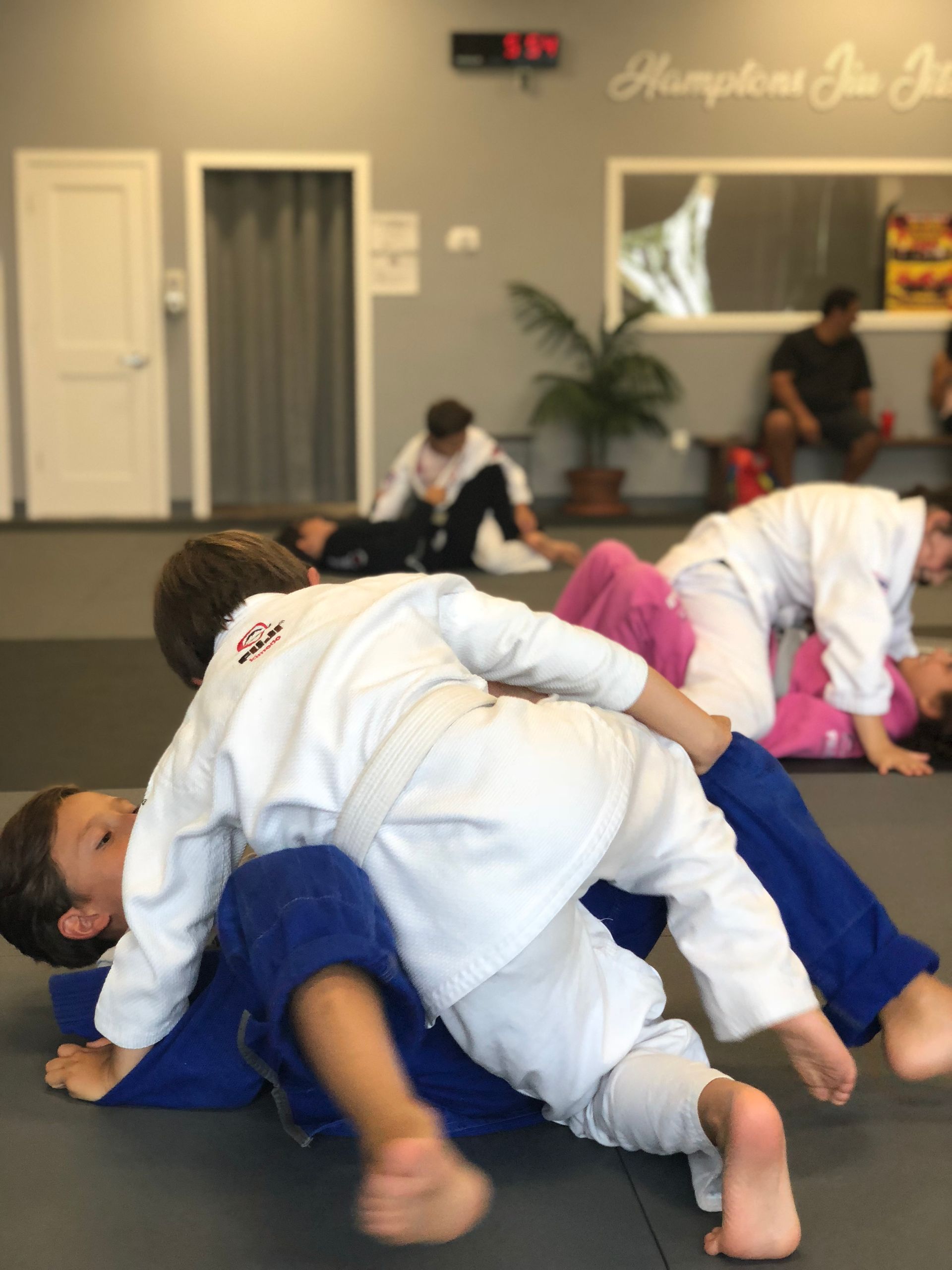
At this age, we emphasize basic body control: shrimping, bridging, rolling safely, and learning how to move with balance. The energy is high, so we use structured games that teach real jiu jitsu concepts without making it feel like a lecture.
Ages 8 to 12: skill-building and confidence through repetition
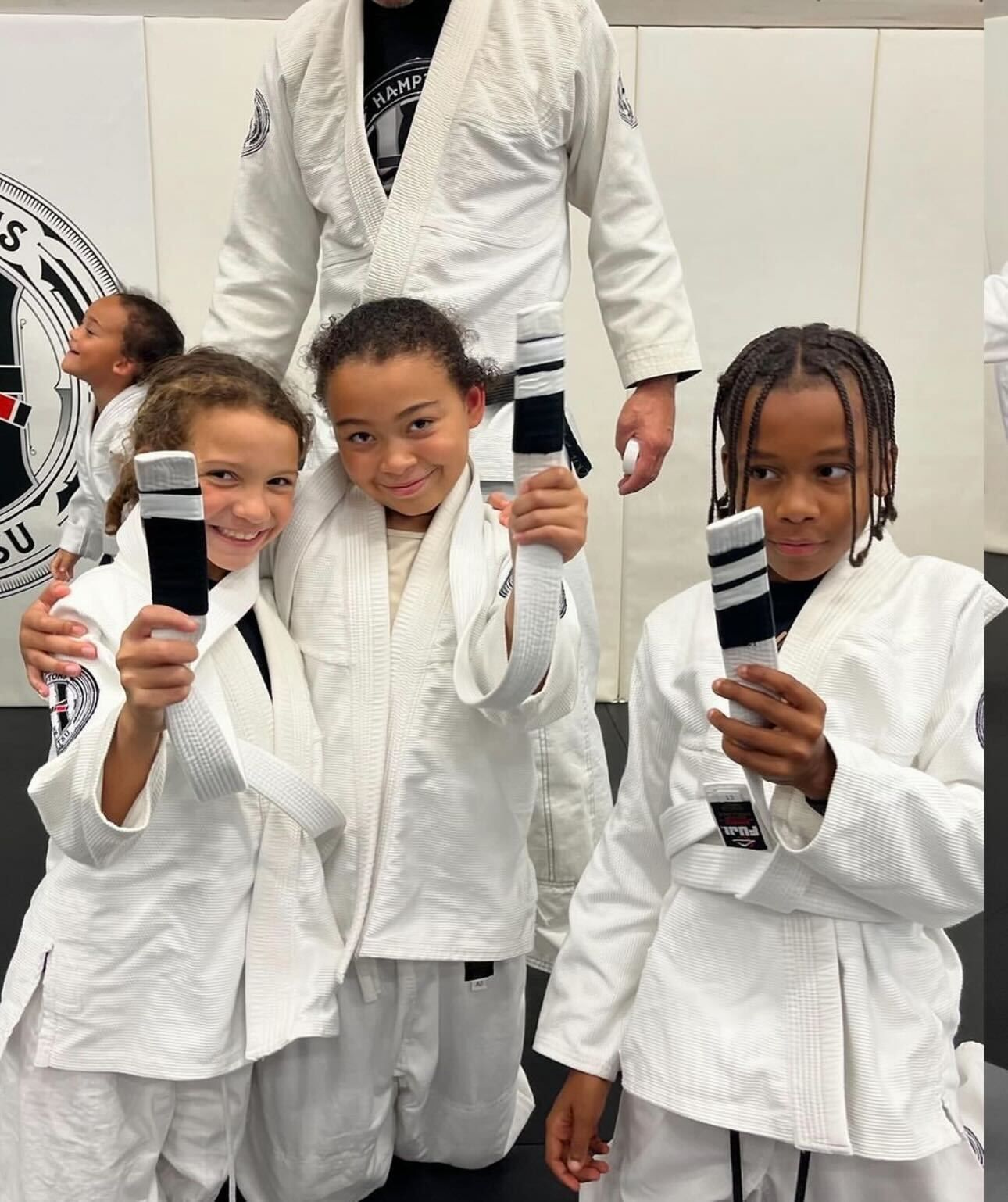
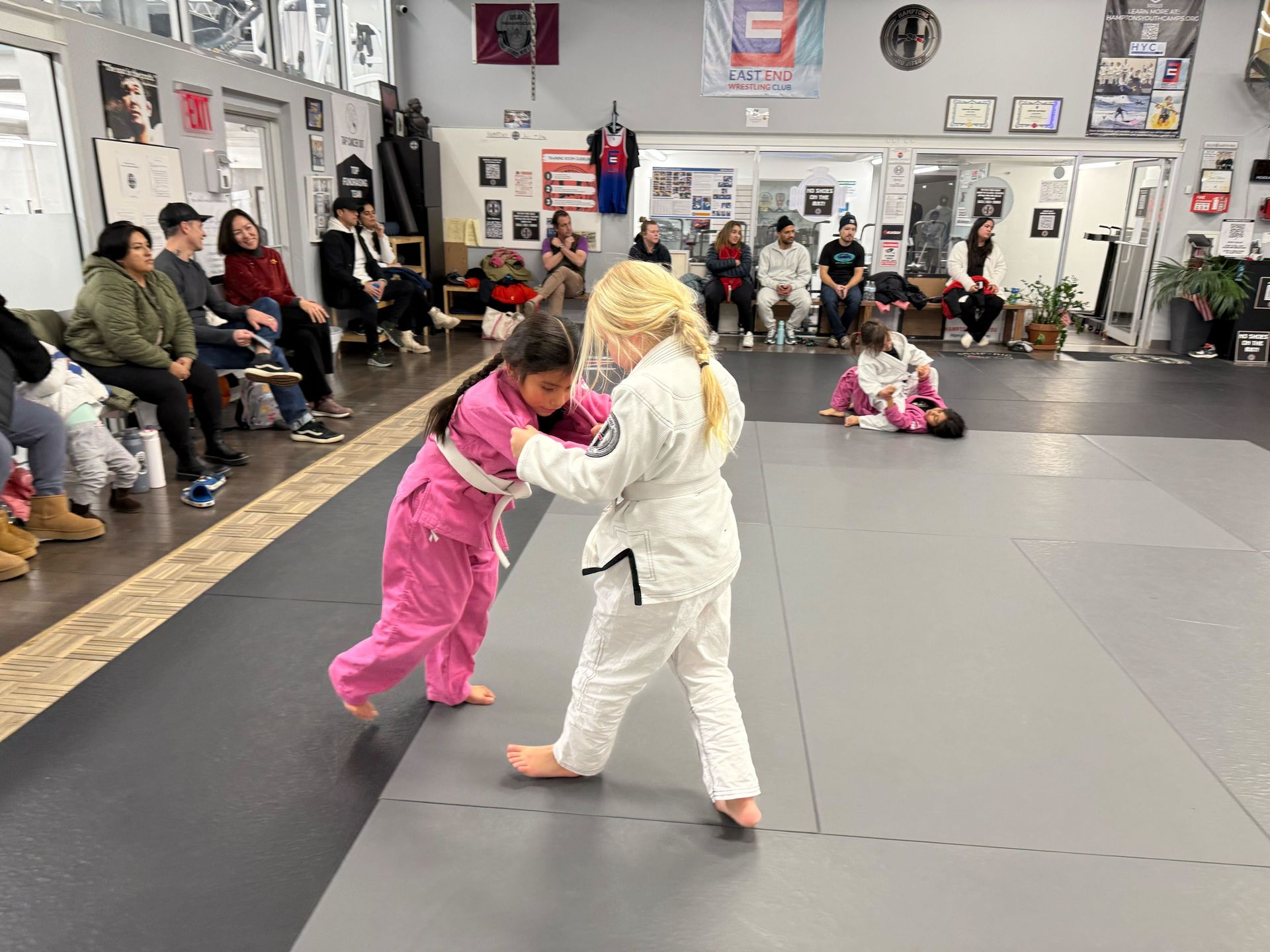
This is the sweet spot for technique development. Kids can remember sequences, understand goals like passing guard or holding top control, and start connecting techniques together. We keep it fun, but we also introduce more measurable progress.
Teens: responsibility, conditioning, and optional competition prep
Teen students often want training that feels more grown up. We focus on clean technique, decision-making under pressure, and the kind of conditioning that supports healthy athletic development. If your teen is curious about competing, we can guide that path without making it the only focus.
If you are unsure where your child fits, we help with placement during the first visit so the class experience feels comfortable, not overwhelming.
Step 3: Set expectations for the first class (so nobody feels awkward)
Walking into a new gym can feel like a lot, especially for kids. We try to make the first day feel normal as quickly as possible: clear instructions, friendly introductions, and a predictable structure.
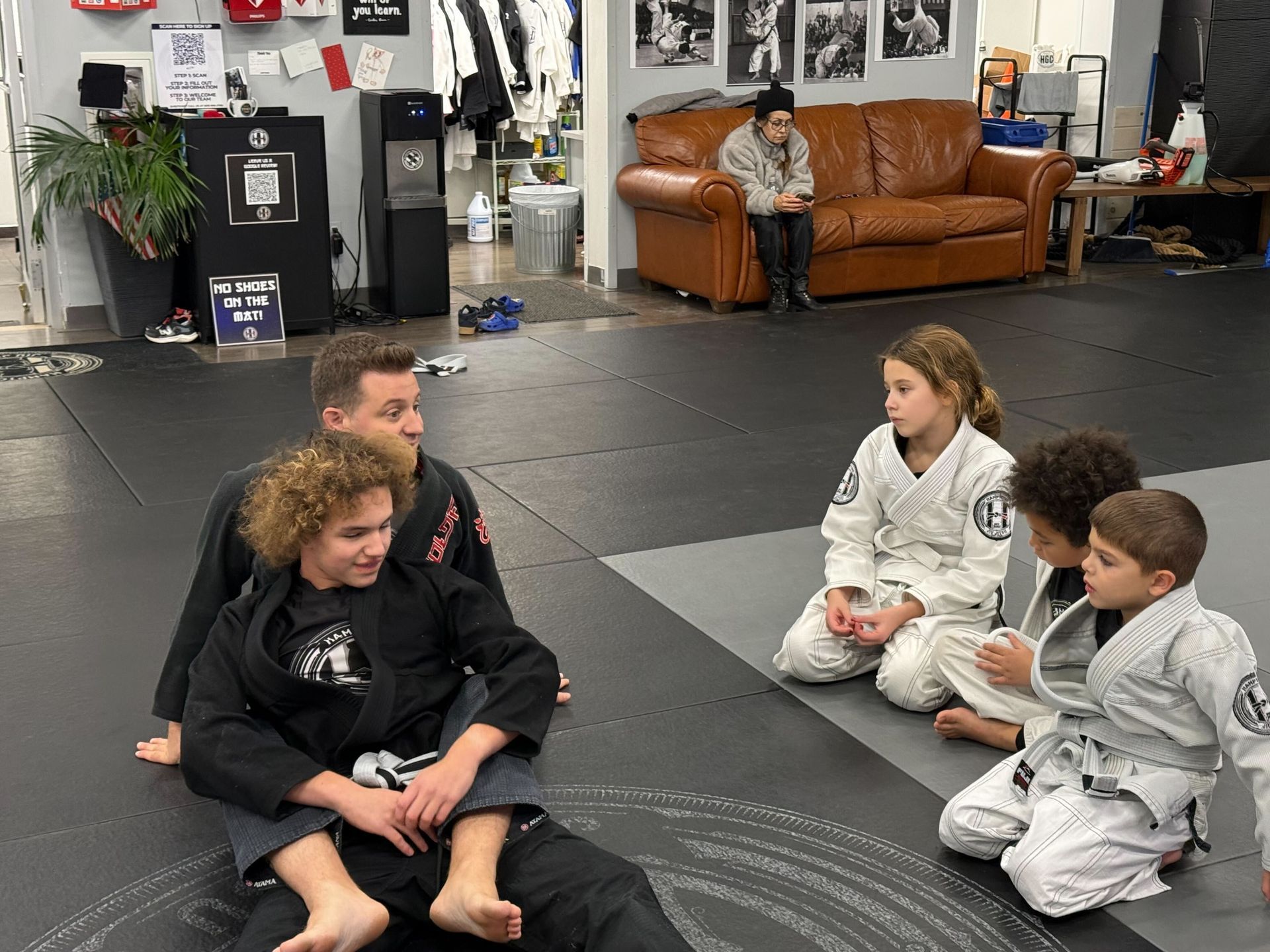
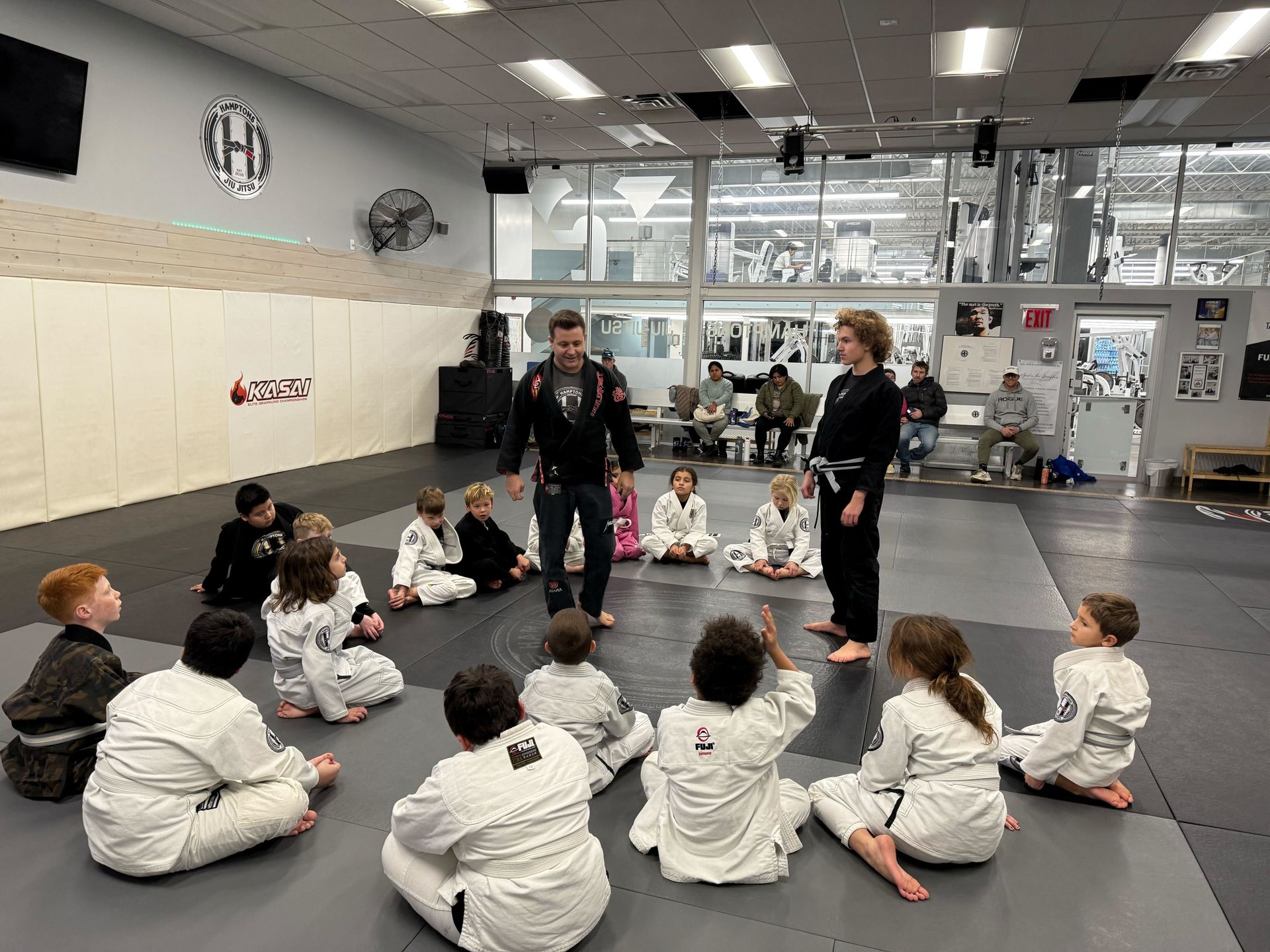
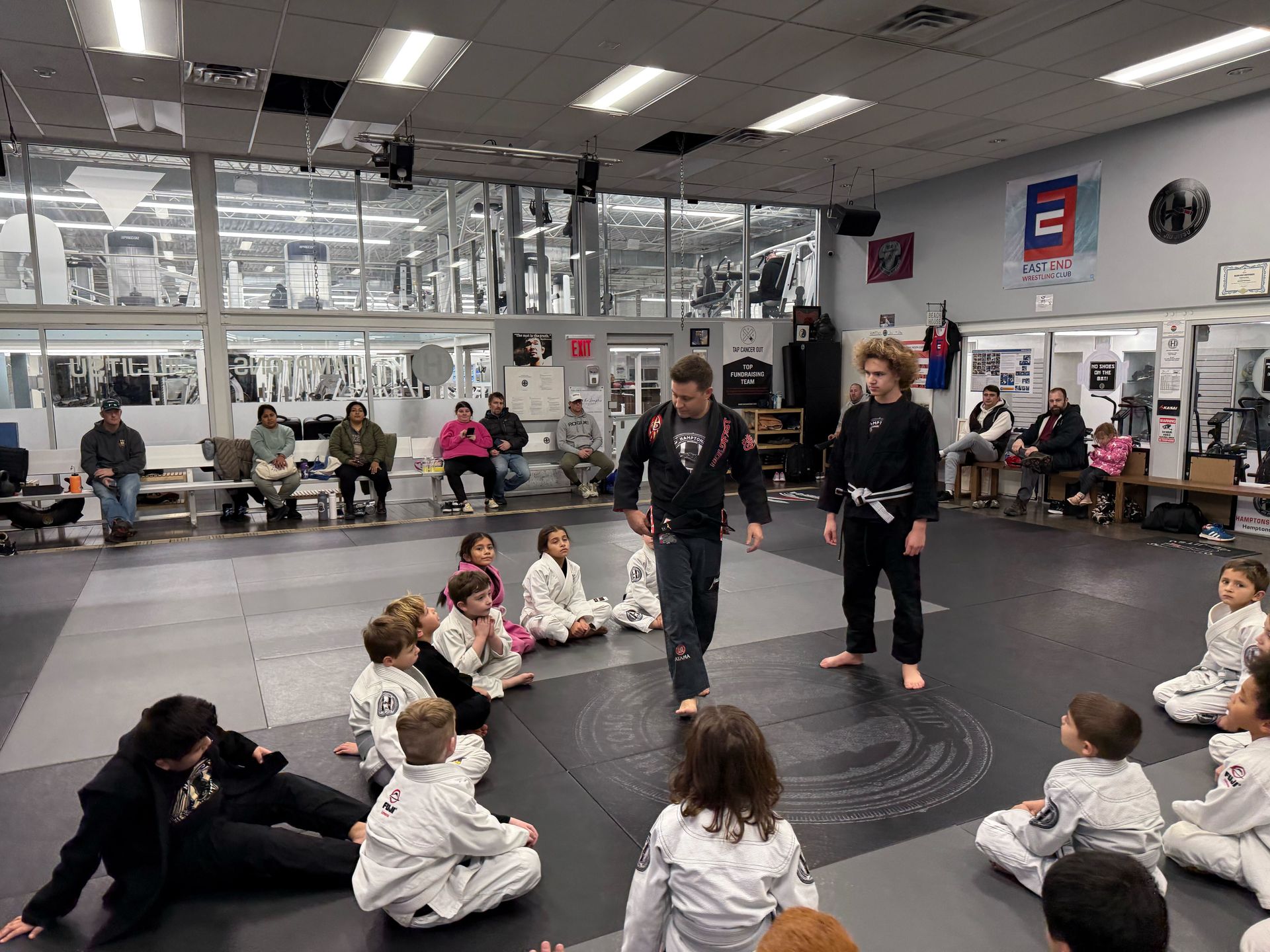
A typical first youth jiu jitsu class includes a warm-up, technique practice, partner drills, and age-appropriate live training. Live training is controlled and coached. For brand-new students, we keep intensity low and focus on safe movement, posture, and learning how to tap.
A small tip that helps: arrive a little early. That extra time lets your child settle in, use the restroom, and see the space before class begins. It sounds basic, but it matters.
Step 4: Know how we keep youth jiu jitsu safe
Parents are right to ask about safety. Grappling is a contact sport, and like any sport, risks exist. Nationally, injury risk is a known challenge in BJJ, but good coaching and good structure dramatically reduce those risks. Our safety approach is not one rule, it is a system.
We coach kids to protect training partners. That means controlled movement, no cranking on submissions, and stopping immediately when a partner taps. We also teach situational awareness, like keeping fingers safe, avoiding reckless falls, and moving at a pace that fits the drill.
We use close supervision during partner work and live rounds, and we pair students thoughtfully whenever possible. If a child is nervous, we adapt. If a child is overly intense, we coach that too. Safety is a culture, and we reinforce it every class.
Step 5: Choose a realistic weekly schedule that builds momentum
Consistency matters more than intensity, especially early on. Many kids do well starting with two classes per week. That spacing gives enough repetition to improve while leaving room for school and other activities.
As confidence grows, some families move to three classes per week for faster progress. For teens with bigger goals, we can structure training so it supports performance without burning them out. The average adult practitioner trains about six hours per week, but kids do not need to match adult volume to benefit. What matters is a routine your family can keep.
To make this easier, we keep the class schedule straightforward on the website, and we help you pick class times that actually fit your life.
Step 6: Get the right gear without overthinking it
Gear questions come up immediately, mostly because parents do not want to buy the wrong thing. BJJ gear can be expensive, and nationally it is often listed as a barrier to participation. We try to keep the start simple so you can focus on whether your child enjoys training.
In most cases, your child will need a gi for traditional classes. We can guide sizing, and we often have practical options to help you get started without guessing. For no-gi days or certain drills, students may wear appropriate athletic gear, but we will tell you exactly what is allowed and safe.
A few basics to plan for:
- A properly fitted gi that lets your child move without excess fabric getting in the way
- A water bottle and a small towel, because kids work hard and Southampton summers are real
- Good hygiene habits, including trimmed nails and clean gear, to protect everyone on the mats
- A simple athletic bag so gear stays contained and does not end up tossed in the back seat forever
If you have questions, ask us before you buy anything. We would rather help you get it right than see you stuck with the wrong size.
Step 7: Understand what your child will learn in the first 90 days
Parents like knowing what progress looks like. In youth jiu jitsu, early progress is often subtle: better balance, less panic in close contact, improved coordination, and the ability to follow multi-step directions. Then technique starts to click.
Here is what we typically aim for in the first few months:
1. Basic movement patterns such as shrimping, bridging, and safe breakfalls
2. Clear tapping habits and an understanding of safety rules during partner drills
3. A few core positions like guard, mount, and side control, plus what those positions mean
4. Simple escapes that build confidence, especially for kids who dislike feeling pinned
5. One or two beginner control techniques that help students slow things down during sparring
This is also the period where we watch mindset. Some kids want to win every round right away. We coach patience and learning. Others are shy. We coach them to participate one small step at a time.
Step 8: Decide on goals: confidence, anti-bullying, fitness, or competition
Kids start for different reasons. Some parents want a strong anti-bullying foundation. Some want physical activity that is not dependent on being the biggest or fastest. Some want a structured outlet that builds discipline.
We see benefits in four common areas:
• Confidence through competence: Kids feel better when they can do hard things and see progress.
• Health and fitness: Grappling builds endurance, mobility, and strength without requiring traditional gym routines.
• Social skills and respect: Partner training teaches cooperation, boundaries, and calm communication.
• Self-defense fundamentals: We focus on control, escapes, and awareness, not on escalating situations.
Competition is optional. Nationally, about 44 percent of practitioners competed in the past two years, which tells you it is common, but it is not required for growth. If your child wants to compete, we can prepare them with focused drills, rule awareness, and the emotional skills needed to perform under pressure. If your child wants to train for fun and confidence, we support that path just as strongly.
Step 9: See how jiu jitsu fits with mixed martial arts in Southampton
Some families ask about mixed martial arts in Southampton because kids watch MMA and want to try what they see online. We understand the curiosity, and we handle it thoughtfully. A strong grappling base is one of the best foundations for MMA, but youth training needs to be age-appropriate and focused on safety.
In our program, we use jiu jitsu to teach control, movement, and composure. Those skills transfer well if your child later explores broader mixed martial arts training as a teen, but we do not rush kids into advanced intensity. We focus on building a technical base first, because that is what protects students and keeps training sustainable.
Step 10: Support progress at home without turning it into homework
You do not need to be a martial arts parent to help your child succeed. The best support is simple: encourage consistency, prioritize sleep, and treat training as a long-term skill, not a quick fix.
A few things that make a real difference:
- Keep a steady routine so your child is not constantly restarting
- Celebrate effort and good attitude, not just “winning” in sparring
- Make sure gear is clean and ready so getting to class is easy
- Ask your child what they learned, then let it be enough
Over time, youth jiu jitsu becomes part of how kids carry themselves. Shoulders back, eyes up, calmer breathing. It is a quiet change, but it is noticeable.
Take the Next Step
If you want a clear, parent-friendly way to begin youth jiu jitsu in Southampton NY, we are ready to guide you from the first class through steady, safe progress. We built our program to be structured, upbeat, and practical, so your child can learn real skills while feeling supported and challenged in the right doses.
When you are ready, Hamptons Jiu-Jitsu is here with a class experience that respects kids as learners and gives parents straightforward answers along the way.
No experience required to join a class at Hamptons Jiu Jitsu and learn step by step.
ACCESS OUR SCHEDULE
& EXCLUSIVE WEB SPECIAL
Secure your spot and get started today with our EXCLUSIVE offer!