How Adult Jiu-Jitsu in Southampton Helps You Break Fitness Plateaus
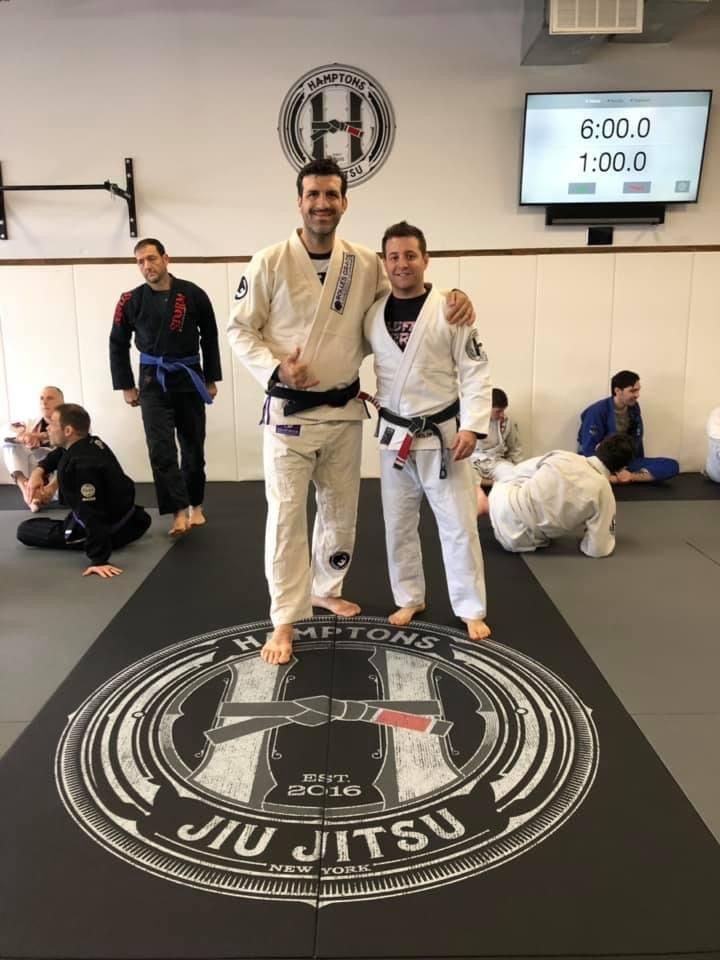
When your workouts stop working, the right kind of training changes the challenge instead of just adding more minutes.
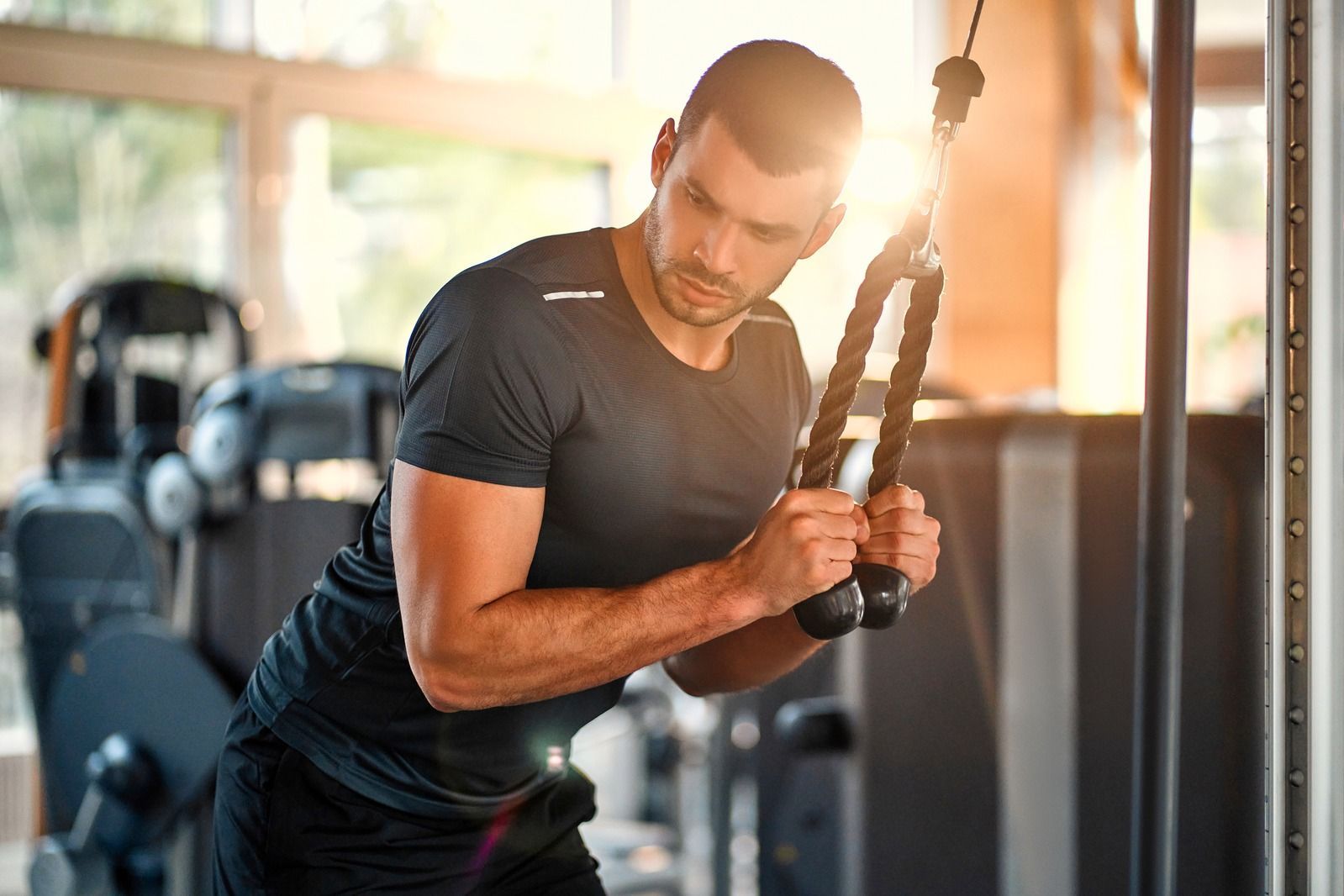
Fitness plateaus usually happen for two reasons: your body adapts to the same stimulus, and your mind gets tired of repeating it. We see this all the time with adults who have done the treadmill plus weights routine for years, stayed consistent, and still feel stuck. At a certain point, simply “doing more” stops delivering.
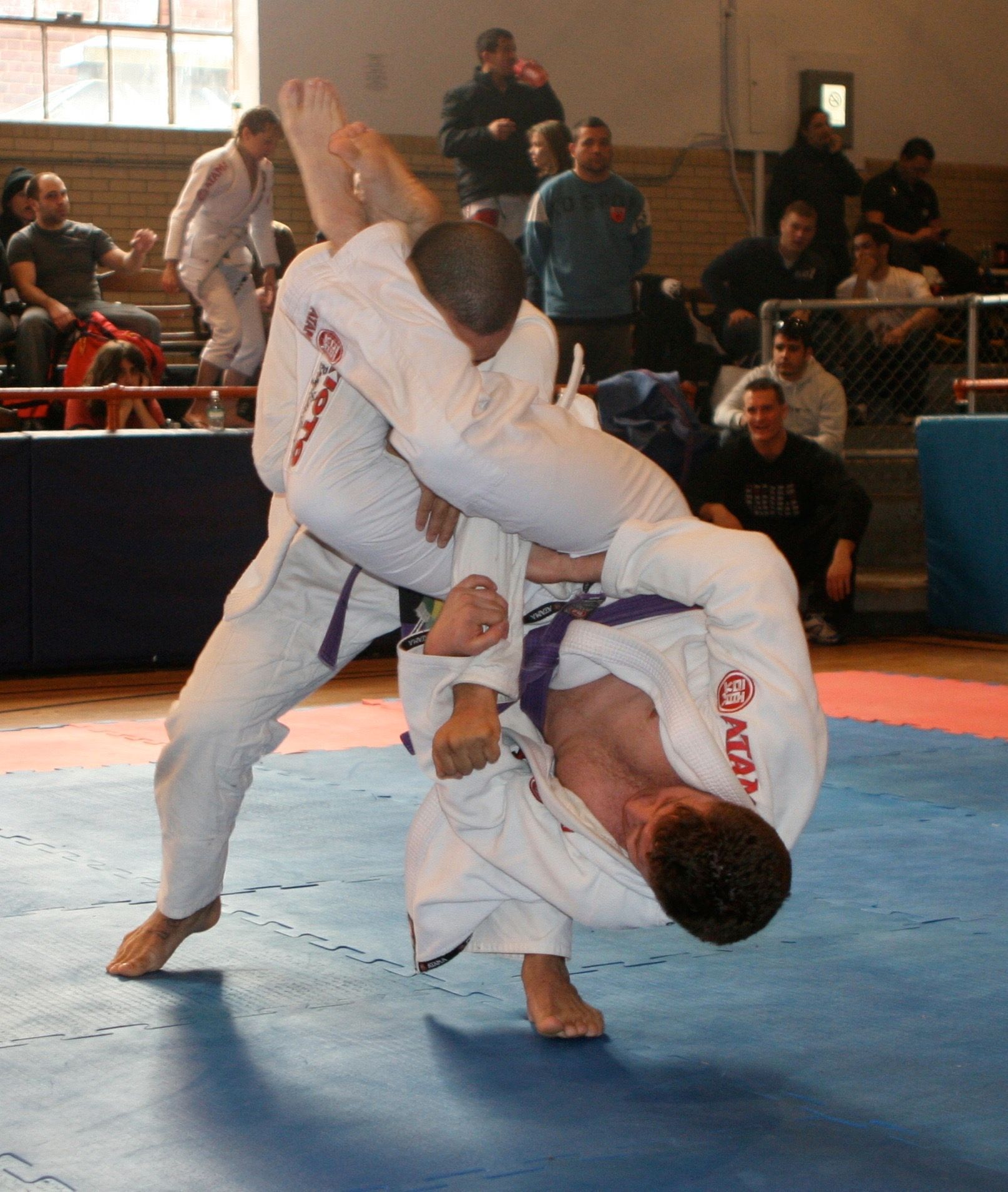
Adult Jiu-Jitsu is a different kind of answer because it is not just exercise, it is skill training under resistance. Every class asks you to push, pull, stabilize, breathe, and think, often at the same time. That combination is exactly what most plateaued programs are missing.
If you are looking for Adult Jiu Jitsu in Southampton NY and you want progress that feels measurable again, the best place to start is understanding why grappling keeps your body adapting while also giving your brain something new to solve every session.
Why fitness plateaus happen (and why willpower is not the fix)
A plateau is not a character flaw. It is normal physiology. When you repeat similar workouts for long enough, your nervous system becomes efficient at those patterns, your muscles stop getting a strong enough “new” signal, and your conditioning improves to the point where the session no longer challenges you the same way.
There is also the boredom factor, which is real and practical. Many adults can stay consistent for a while, then life gets busy, motivation dips, and the workout that used to feel productive starts feeling like a chore. Once that happens, intensity drops without you even noticing. You are “working out,” but you are not really training.
Adult Jiu-Jitsu breaks that loop by changing the nature of the stimulus. The resistance is dynamic (a training partner), the movement is multi-directional, and the demands rotate between strength, conditioning, mobility, and problem-solving. Your body does not get to coast.
Adult Jiu-Jitsu is progressive resistance that does not feel repetitive
Progressive overload is a cornerstone of fitness, but it is easy to stall when your routine is limited to a few machines or the same set of lifts each week. In jiu-jitsu, resistance is built in. A partner’s base, posture, grips, and timing create a “moving weight” that changes every round.
That matters because your muscles and connective tissues adapt best when the challenge evolves. In Adult Jiu-Jitsu, that evolution happens naturally. As your technique improves, you access harder rounds, longer exchanges, and more complex transitions. You are not guessing how to progress. The room provides the next level.
A typical class also includes drilling and positional work, which lets us scale intensity intelligently. Some days you need a tough push. Other days you need controlled reps to sharpen mechanics. That flexibility is part of why adults stay consistent instead of burning out.
Conditioning that feels athletic, not like endless cardio
One reason people look up Jiu-Jitsu Southampton is that they want conditioning that transfers to real movement, not just “better at sitting on a bike.” Grappling is high-effort and interval-based. You sprint, you breathe, you recover, then you go again.
Many summaries of Brazilian Jiu-Jitsu estimate calorie burn around 300 to 800 calories per session depending on intensity, and it is often described in the 500 to 900 range for a typical class. The point is not the exact number. The point is that the effort is substantial, and it is hard to fake.
Because rounds come in waves, your heart and lungs adapt in a way that resembles sport conditioning. Over time, most adults notice they recover faster between efforts in everyday life too. Stairs get easier. Carrying things feels lighter. You move with more “gas in the tank.”
Functional strength: where your core, hips, and grip finally get trained together
A plateau often shows up when strength is trained in isolated segments. Jiu-jitsu asks your whole body to coordinate. You are using your legs to drive, your hips to change angles, your core to stabilize, and your hands to control grips and frames. It is strength, but it is also connection.
Here are a few strength qualities that Adult Jiu-Jitsu develops naturally:
• Grip endurance that builds from holding sleeves, collars, wrists, and frames through fatigue, not just squeezing a gripper once in a while
• Core stability under rotation and pressure, especially when you are bridging, shrimping, or resisting someone trying to flatten you out
• Hip strength and control from guard work, passing mechanics, and transitions where your hips lead the movement
• Pulling and pushing strength that is constantly changing angles, which teaches you to generate force in awkward positions
• Postural strength through your upper back and neck, because alignment matters when someone is actively trying to disrupt it
That mix is why people who felt “strong but stiff” in the gym often start feeling more athletic after a few months of consistent training.
Mobility and movement quality: the quiet plateau-breaker
Mobility is not just stretching. It is usable range of motion with control, especially under load. Jiu-jitsu builds mobility in a very practical way because you are constantly moving through hip rotation, spinal movement, and shoulder positioning, but you are doing it with a purpose.
We also build movement fundamentals into warm-ups and technique. You will see positions and patterns that improve how you sit into your hips, how you turn your body, and how you frame safely. Over time, adults often notice better squat depth, easier rotation when reaching or turning, and fewer “tight” days that come out of nowhere.
If you care about longevity, this matters. Plateaus are not only about aesthetics or numbers on a scale. Many adults want to keep improving while also feeling better in their bodies. Jiu-jitsu supports that goal when it is trained with good coaching and smart pacing.
Skill acquisition keeps your body adapting, and your mind engaged
The hidden superpower of Adult Jiu-Jitsu is that you are learning a skill, not just burning calories. Skill acquisition changes how you train. You are paying attention, problem-solving, and trying to apply details under pressure.
That mental engagement is a big reason adults stick with it. Research summaries and participant reports often highlight mental and emotional benefits such as improved confidence, reduced anxiety, better mood, and improved concentration. When you are focused on posture, grips, timing, and breathing, it is hard to ruminate on the rest of your day. You get a real mental reset.
And progress is visible. You can feel when something “clicks.” A sweep starts working. Your escapes improve. You stop panicking in bad positions. That momentum is powerful when you have been stuck for a while.
What to expect in your first class (and what to bring)
Starting something new can feel like a big step, especially when it involves grappling. We keep the onboarding process simple and beginner-friendly, and we expect new students to have questions. That is normal.
For your first session, you can plan on a structured class with clear instruction, partner drills, and controlled training. You will not be thrown into the deep end without guidance. Our job is to help you build a foundation you can trust.
A few practical tips help the first class feel smooth:
1. Check the class schedule page on the website and pick a time you can arrive a little early
2. Wear comfortable training clothes and bring water, and if you have a gi, great, but you can start without overthinking gear
3. Tell us your goals and any injuries so we can help you pace the session appropriately
4. Focus on learning positions and movement, not “winning” anything on day one
5. Expect to be tired in a new way, then noticeably better at recovering after a couple of weeks
That last part matters. The early phase can feel humbling, but it is also motivating because you can feel your body adapting fast.
How often should you train to break a plateau?
Consistency beats intensity spikes. Most adults do best training multiple times per week, even if some sessions are lower intensity and focused on learning. Two to three classes weekly is a common sweet spot for noticeable conditioning, strength improvements, and skill progression.
If your schedule is tight, even twice a week can change your fitness trajectory if you stay steady for a month or two. If you can train three or four times a week, you will usually feel changes faster, but recovery still matters. Sleep, hydration, and basic nutrition do a lot of the heavy lifting.
The key is to think in training blocks. Give yourself a 30-day commitment, then reassess. Many plateaus break simply because you finally give your body a stimulus that is new enough, frequent enough, and interesting enough to sustain.
Weight loss and body composition: why jiu-jitsu can restart progress
If your goal includes fat loss, Adult Jiu-Jitsu can help because it stacks multiple drivers in one session: high energy output, resistance-based movement, and progressive intensity as you improve. That combination often increases overall weekly caloric demand while also encouraging lean mass retention.
But we like to frame success a little wider than the scale. Because jiu-jitsu improves coordination, strength, and confidence, many adults find it easier to stay active outside class too. You walk more. You move more. You feel capable, so your lifestyle supports your goal without constant mental negotiation.
If you have been plateaued with “more cardio,” switching to a training method that blends conditioning with strength and skill is often the nudge your body needs.
The community factor: accountability without pressure
Plateaus often come with isolation. Solo workouts make it easy to skip when motivation dips. Jiu-jitsu is different because you train with partners. People notice when you show up, and you notice when you improve.
That does not mean the environment needs to be intense or intimidating. Adults tend to value a room where the culture supports learning, safety, and steady progress. The best training rooms feel focused, welcoming, and a little gritty in a good way, like you did something real.
When you enjoy the process and feel connected, consistency stops being a battle. That is when plateaus fade, because you are finally training often enough for your body to keep adapting.
Ready to Begin
If you want a training routine that keeps evolving, Adult Jiu-Jitsu offers a rare mix of progressive resistance, conditioning, mobility, and real skill development. That is why so many adults who feel stuck in repetitive workouts find that grappling restores momentum, both physically and mentally.
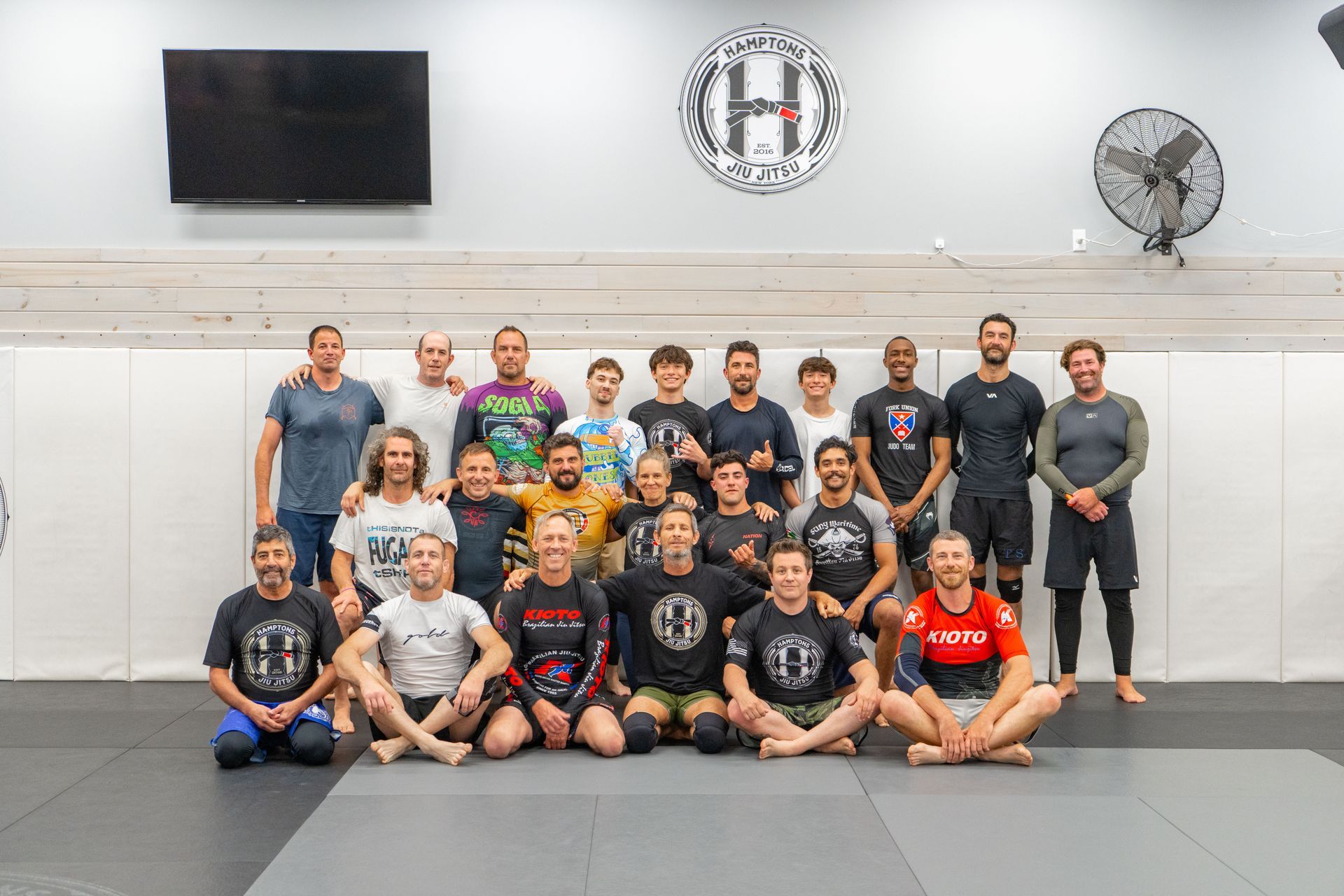
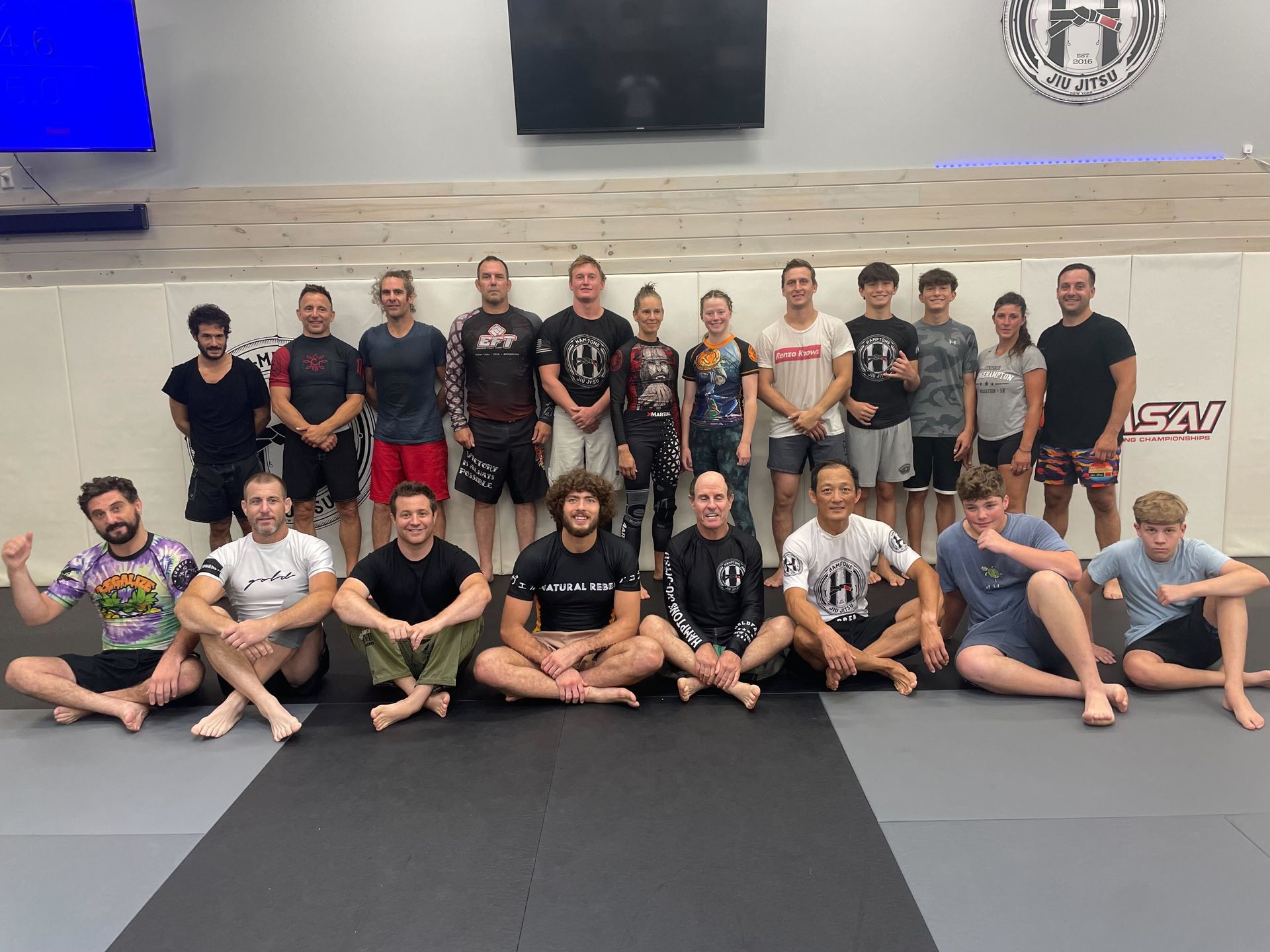
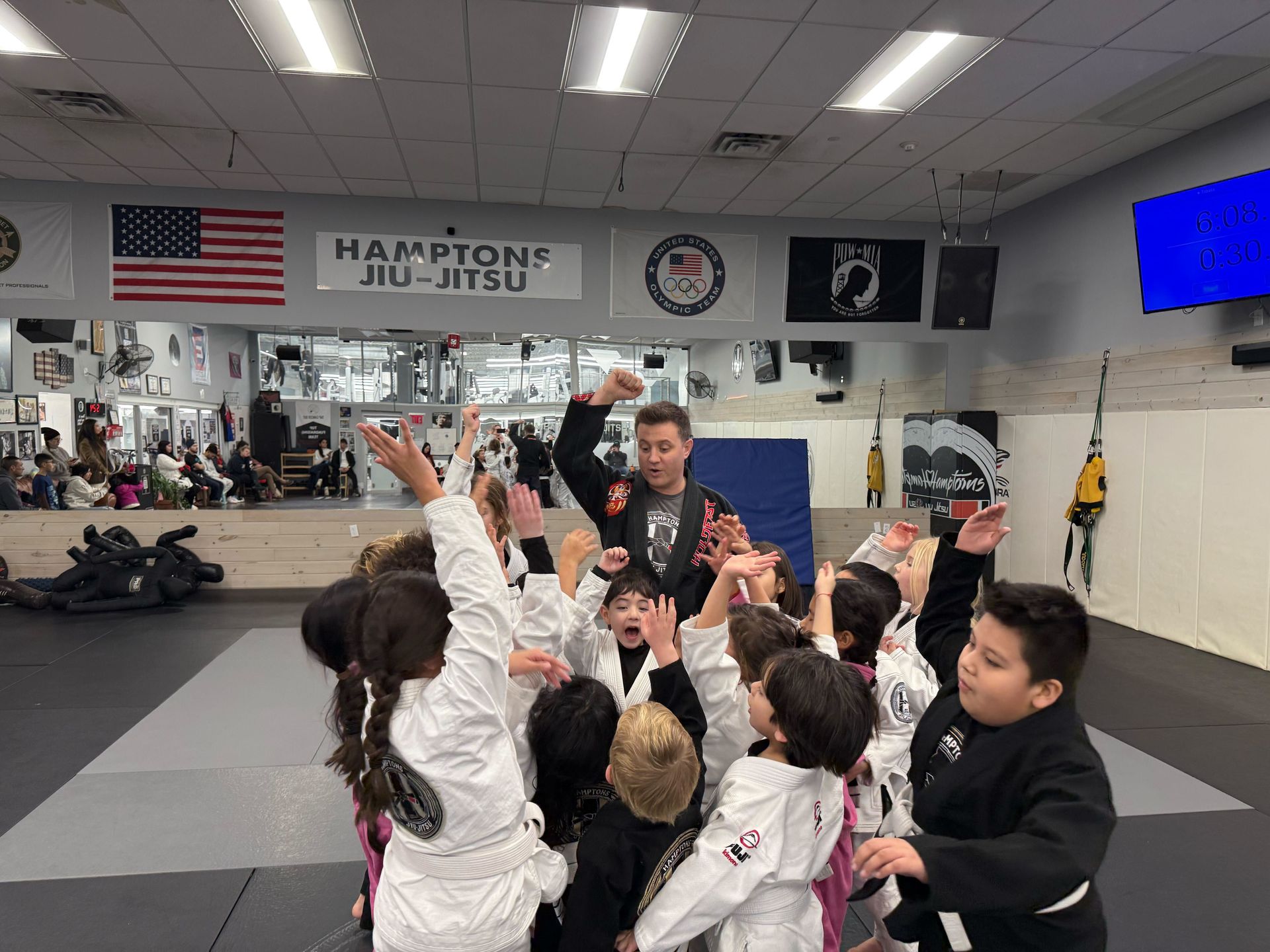
At Hamptons Jiu-Jitsu, we coach adults in Southampton with a focus on fitness, focus, and confidence, and we keep the learning curve practical so you can build consistency without getting overwhelmed.
Experience how Brazilian Jiu-Jitsu builds resilience, focus, and confidence at Hamptons Jiu-Jitsu.
ACCESS OUR SCHEDULE
& EXCLUSIVE WEB SPECIAL
Secure your spot and get started today with our EXCLUSIVE offer!