The Hidden Self-Defense Skills Youth Jiu Jitsu Teaches Southampton Kids
Youth jiu jitsu looks like a sport, but it quietly builds the kind of safety skills you want your child to have when you are not there.
If you are looking into youth jiu jitsu, chances are you are thinking about more than just a new after-school activity. Parents in Southampton want kids who can handle themselves around bullying, peer pressure, and the everyday unpredictability of being out in the world, especially when the town gets busy.
We teach self-defense in a way that fits real life. That means we focus on calm decision-making, smart movement, and practical skills that work for smaller bodies. Research and parent feedback consistently point to benefits that go beyond fitness, including confidence gains (96.4 percent of parents reported improvements) and reduced anxiety (87.5 percent). We see those shifts show up in the little things: steadier eye contact, clearer boundaries, and kids walking in with shoulders a bit higher.
This article breaks down the hidden self-defense skills your child learns in our youth program, why those skills matter specifically for Southampton families, and how you can tell if your child is ready to start.
Why Youth Jiu Jitsu Self-Defense Works in the Real World
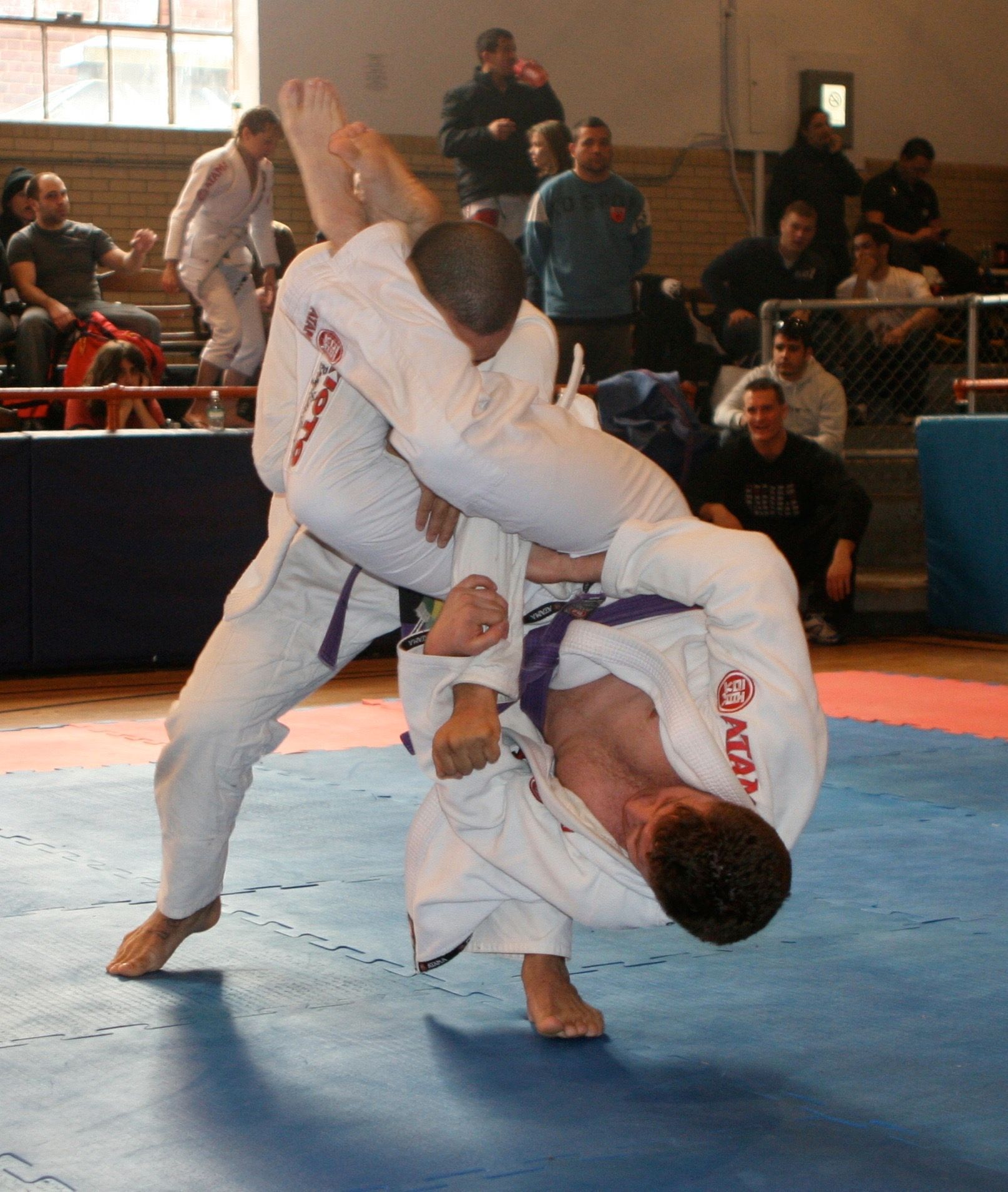
A lot of people assume self-defense equals punching and kicking. Our approach is different. Youth jiu jitsu trains kids to survive the most common kind of physical problem children actually face: grabbing, holding, pushing, and getting knocked off balance.
Because Brazilian Jiu-Jitsu is built on leverage, position, and timing, kids do not need to be the biggest or strongest to succeed. They learn how to make space, how to stay safe, and how to control a situation long enough to escape or get help. That is a huge mental shift for a child who feels small in a hallway, on a bus, or at a park.
We also prioritize decision-making. Physical technique matters, but a child who can stay calm and choose a smart response is much safer than a child who panics. Studies on martial arts programs show improvements in self-control and focus with consistent training, often with just 1 to 3 sessions per week.
The Hidden Self-Defense Skill Most Parents Miss: Getting Up Safely
One of the most useful skills we teach looks almost boring until you understand it: how to stand up safely when someone is close enough to grab you. If your child falls, gets shoved, or ends up seated on the ground, the ability to create distance and stand without turning your back is a big deal.
We train this in a progressive way. Kids learn a stable base, how to keep their hands in a protective frame, and how to move backward while standing. Over time, this becomes automatic. The “hidden” part is that it is not flashy, but it is exactly what helps a child avoid getting trapped underneath someone stronger.
In youth jiu jitsu, we treat “escape first” as a core principle. Controlling is useful, but getting to safety is the priority for kids.
Escaping Grabs and Holds Without Using Strength
Bullying often starts with a grab. A sleeve grip. A wrist pull. A headlock attempt. Our curriculum spends a lot of time on escaping common holds because those moments are when kids freeze.
We teach kids to:
• Break grips using body mechanics instead of yanking
• Use posture to prevent being pulled off balance
• Turn toward safe angles rather than twisting blindly
• Protect their head and neck while creating space
This training is practical because it matches the way kids actually move. We keep it age-appropriate, and we build skills through repetition so your child does not have to “remember” under stress. The body just knows what to do.
Parents often tell us this training changes how their child carries themselves. That matters because confident posture and clear boundaries can prevent a problem before it becomes physical.
Leverage-Based Control: The Confidence to Stop the Spiral
Sometimes a child cannot immediately run. Maybe it is crowded, maybe a sibling is nearby, or maybe a classmate will not let go. In those situations, we teach simple control positions that allow a child to stabilize and create time.
Control in youth jiu jitsu is not about hurting someone. It is about:
• Using body positioning to reduce chaos
• Pinning safely without striking
• Holding long enough to disengage and get an adult
This is one reason families who are curious about mixed martial arts in Southampton often feel relieved after watching our youth classes. The vibe is structured, respectful, and technique-focused. Kids learn that control is a responsibility, not a power trip.
Research also suggests BJJ training can reduce aggression compared with programs that emphasize fighting for dominance. We reinforce that message constantly: the goal is safety, not “winning” a real-world conflict.
De-Escalation and Boundary Setting, Practiced Like a Skill
Self-defense starts before contact. We coach kids on how to use their voice, how to move to safer spaces, and how to spot the difference between normal conflict and a situation that is turning unsafe.
We do not just tell kids to “use your words.” We practice it. That includes:
• Clear, simple phrases that are easy to say under stress
• Stepping back while keeping hands up in a non-threatening way
• Looking for exits and adults, not arguing
• Knowing when to leave even if someone says “you are scared”
For Southampton kids, this matters in everyday settings: school, sports sidelines, town events, and busy summer weekends when personal space gets smaller. The hidden skill is that kids learn to stay calm while setting boundaries, and that calm is contagious.
Ground Safety: Why It Matters for Kids, Not Just Fighters
A common misunderstanding is that “ground fighting” only matters in a fight. For kids, the ground is where accidents and bullying overlap. Trips happen. Dog piles happen. Someone pushes, and suddenly your child is sitting or pinned.
Youth jiu jitsu builds ground awareness so kids do not panic when they are underneath someone. They learn to protect their face, keep breathing, and move their hips to create space. We teach them that being on the bottom is a position, not a disaster.
This is also where kids build real resilience. They learn that discomfort is temporary, and that patient problem-solving beats flailing. Over time, that carries into schoolwork and social challenges, which matches what many parents report: better focus, better mood, and stronger commitment habits.
What a Typical Youth Class Looks Like on Our Mats
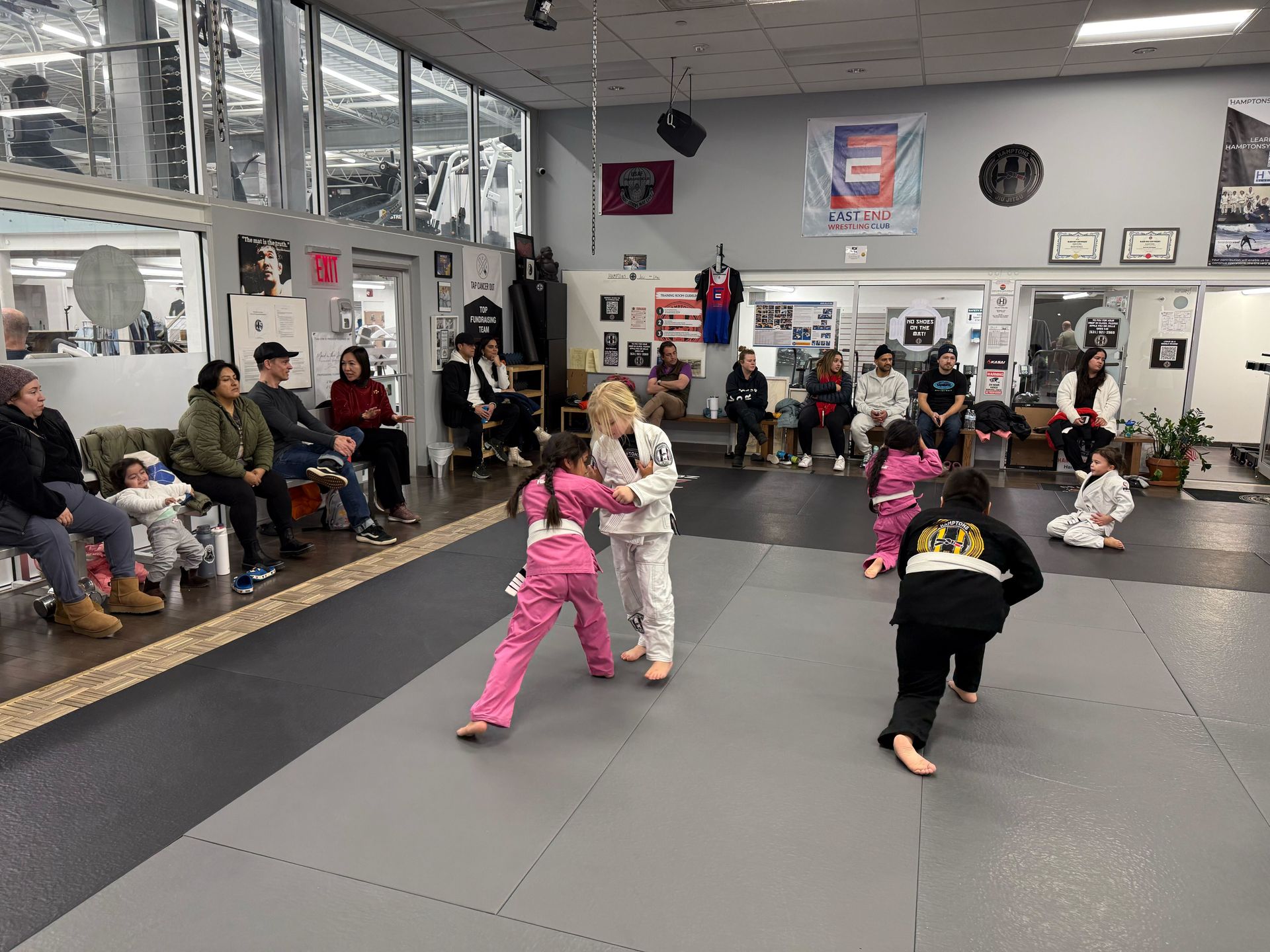
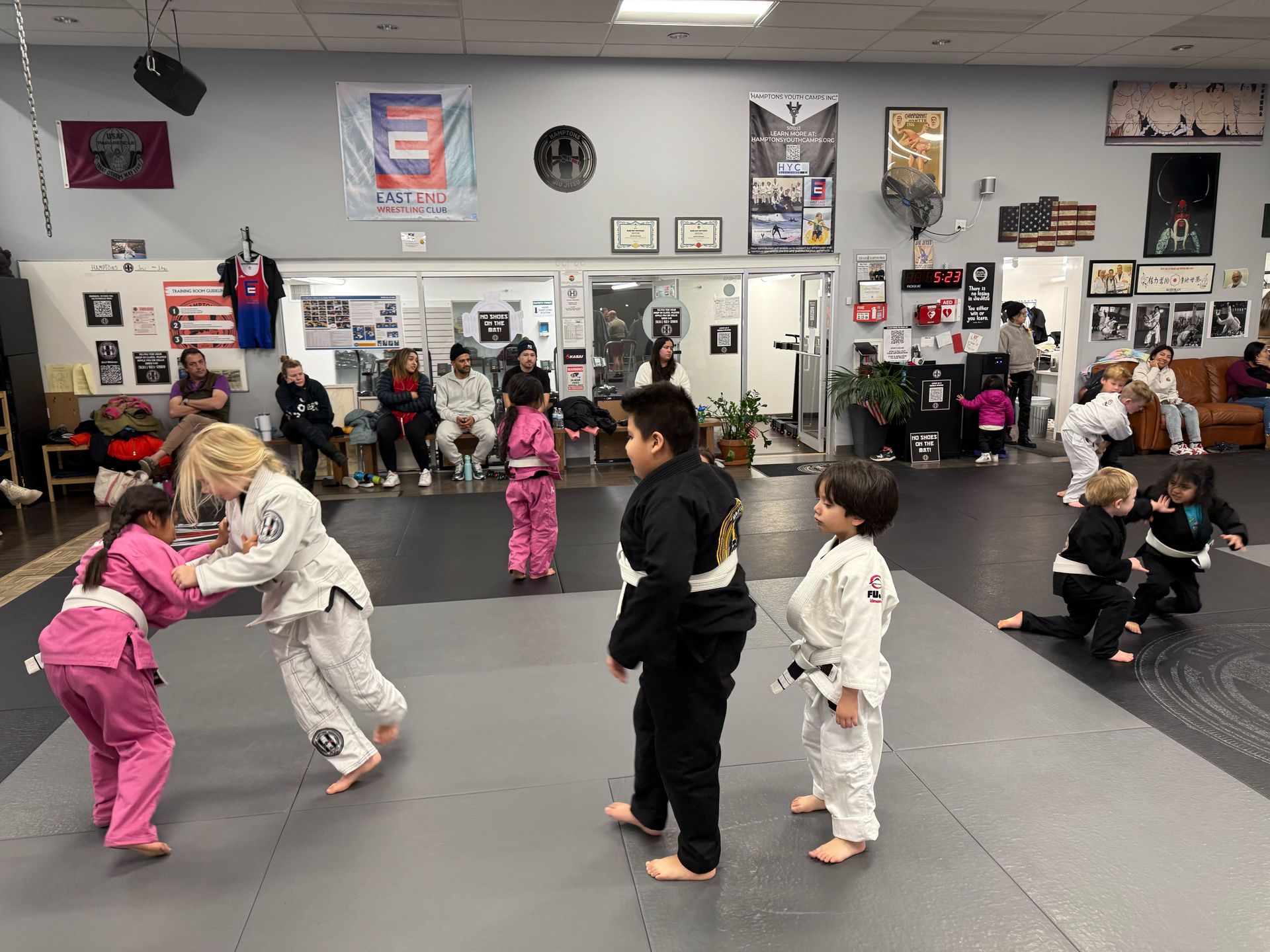
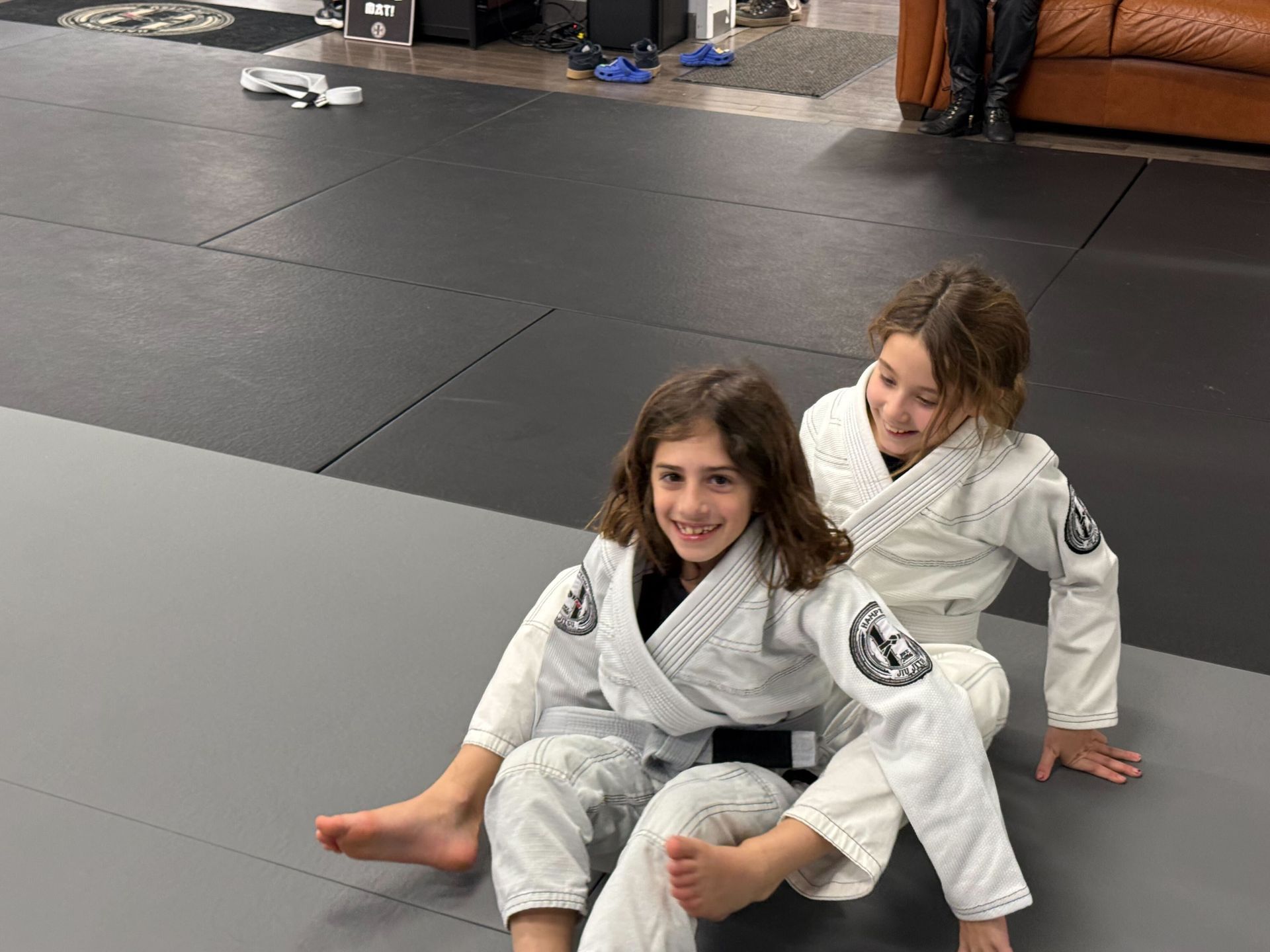
Parents often want to know what the experience feels like before committing. Our youth jiu jitsu classes follow a consistent rhythm so kids feel safe, but we keep it engaging so it never feels like a lecture.
Here is what you can expect in a typical class:
• Warm-ups that build coordination, balance, and safe movement
• Technique practice with a clear theme like escapes or control
• Partner drills with coaching so kids learn timing and control
• Games that reinforce skills without kids realizing it is “training”
• Supervised sparring where appropriate, scaled to age and experience
We keep a close eye on safety and behavior. Kids learn to listen, take turns, and reset quickly after mistakes. That matters because self-defense is not just physical, it is emotional regulation under pressure.
How Often Should Kids Train to See Real Benefits?
For most families, the sweet spot is consistency without burnout. Research and coaching experience line up here: 1 to 3 sessions per week is enough to build noticeable gains in self-control, confidence, and skill. More can work too, but only if your child genuinely enjoys it and can recover well.
We encourage you to choose a schedule your family can keep. Progress comes from showing up, not from cramming. If you check the class schedule on the website, you can usually find options that fit after-school routines and seasonal sports.
If your child is new, starting with one or two weekly classes is often perfect. Once fundamentals feel familiar, adding a third day can accelerate confidence fast.
Safety, Anxiety, and the Quiet Mental Health Benefits
Parents ask two big questions: Is it safe, and will it help my child emotionally? Our answer is that safety is built into how we teach, and the emotional benefits often surprise families.
BJJ is a contact sport, but our youth program emphasizes control, tapping, and instructor supervision. Kids learn how to stop and reset immediately. That culture is a big reason many parents report reduced anxiety (87.5 percent) and broad life-skill transfer (96.4 percent).
We also see children who struggle with focus start to settle into the pattern of class: listen, try, adjust, repeat. That structure is grounding, especially in a digital-heavy world where attention gets pulled in a hundred directions.
And yes, the confidence becomes real. Not loud confidence, not bragging, but a steadier sense of “I can handle this.”
Youth Jiu Jitsu in Southampton NY: What Local Families Usually Want
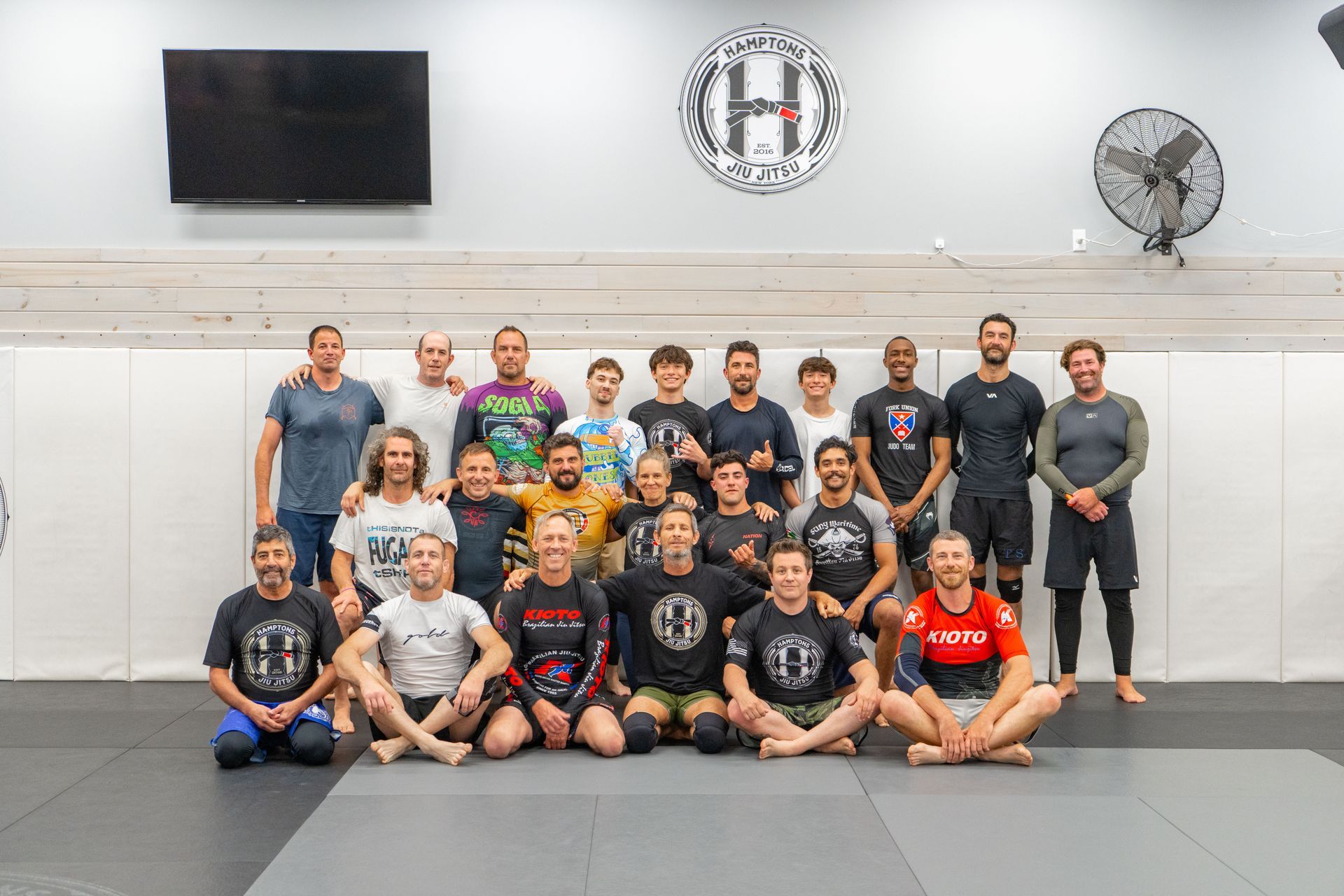
Southampton families tend to value three things: practical safety, healthy activity, and a strong community. Our program aims to meet all three without turning training into a stressful second job.
We see kids who want to feel safer around bullying. We see kids who need an outlet that is structured, not chaotic. We see kids who are athletic but need a confidence boost in social settings. And we see kids who are bright but a bit anxious. Youth jiu jitsu can support all of those, because it is physical problem-solving with real feedback.
If you have been searching for youth jiu jitsu in Southampton NY, it helps to look for a program that teaches boundaries, respect, and calm control alongside technique. Those are not extras. Those are the foundation.
Take the Next Step
Building real safety skills is not about teaching kids to fight. It is about teaching kids to stay calm, escape bad positions, set boundaries early, and make smart choices when emotions run hot. When youth jiu jitsu is taught with structure and care, it becomes a toolkit your child can carry for years.
At Hamptons Jiu-Jitsu, we guide Southampton kids through progressive training that blends practical self-defense, confidence-building, and a community that supports growth. If you want to see how the program feels in person, a first class usually answers a lot of questions quickly.
Develop discipline, resilience, and practical self-defense skills through martial arts training at Hamptons Jiu Jitsu.
ACCESS OUR SCHEDULE
& EXCLUSIVE WEB SPECIAL
Secure your spot and get started today with our EXCLUSIVE offer!